
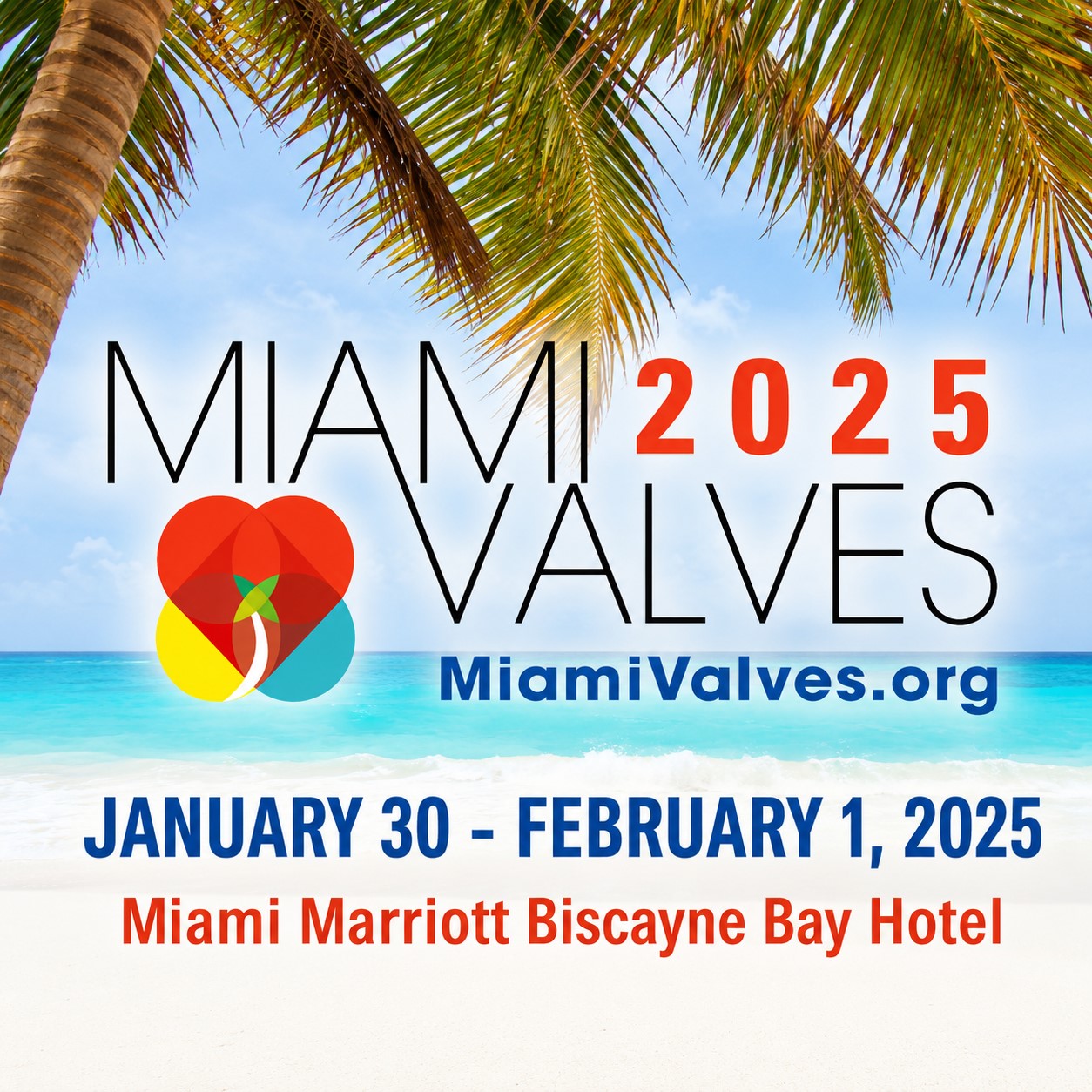
University of Miami Miami Valves 2025

Original price was: $795.00.$40.00Current price is: $40.00.
This Product is shared via google drive download link, So please share your correct Gmail id while placing the order .Please note that there are no CME points or certificate associated with this course Samples for Courses Can be found here : Free Samples Here!
University of Miami Miami Valves 2025
Advanced Structural Heart Disease, TAVR, TMVR & Transcatheter Valve Interventions
The University of Miami Miami Valves 2025 is a premier international structural heart disease conference dedicated to the latest advances in transcatheter valve therapies, complex structural interventions, and emerging cardiovascular technologies. Bringing together world-renowned interventional cardiologists, cardiac surgeons, imaging specialists, and structural heart experts, this program delivers a comprehensive review of cutting-edge innovations transforming the treatment of valvular heart disease.
The conference provides extensive coverage of Transcatheter Aortic Valve Replacement (TAVR), Transcatheter Mitral Valve Repair and Replacement (TMVR), tricuspid valve interventions, structural imaging, artificial intelligence applications, clinical trial updates, and novel device technologies. Participants gain practical insights into patient selection, procedural planning, complication management, and long-term outcomes across the full spectrum of structural heart interventions.
Through expert lectures, case-based discussions, clinical trial reviews, and multidisciplinary debates, Miami Valves 2025 offers an advanced educational experience for clinicians seeking to remain at the forefront of structural cardiology.
Product Details
- Format: 51 Videos (.MP4) + 51 Audios (.MP3) + 51 Subtitle Files (.VTT) + 51 PDFs
- Total Size: 11.1 GB
- Course Year: 2025
- Access: On-Demand
- Level: Advanced
- Institution: University of Miami
Program Overview
Structural heart disease continues to be one of the fastest-growing fields in cardiovascular medicine. Rapid advancements in transcatheter therapies have expanded treatment options for patients previously considered unsuitable for surgical intervention.
This conference provides updates on:
- Transcatheter Aortic Valve Replacement (TAVR)
- Mitral Valve Repair and Replacement
- Tricuspid Valve Therapies
- Structural Heart Imaging
- Artificial Intelligence in Cardiology
- Clinical Trial Updates
- Paravalvular Leak Closure
- Patent Foramen Ovale (PFO) Closure
- Advanced Procedural Planning
- Complex Valve Disease Management
The curriculum emphasizes evidence-based decision-making and practical procedural strategies applicable to contemporary structural heart programs.
Learning Objectives
Upon completion of this activity, participants will be able to:
- Evaluate recent clinical trial data affecting transcatheter valve therapies.
- Apply modern treatment strategies for complex aortic valve disease.
- Assess outcomes and durability of mitral valve interventions.
- Implement advanced imaging techniques for structural heart procedures.
- Review emerging therapies for tricuspid regurgitation.
- Integrate artificial intelligence tools into procedural planning and patient selection.
- Manage challenging structural heart cases and procedural complications.
- Optimize outcomes through multidisciplinary heart team collaboration.
Core Topics Covered
Transcatheter Aortic Valve Replacement (TAVR)
A major focus of the conference is contemporary TAVR practice.
Topics include:
- Low-risk TAVR populations
- Bicuspid aortic valve disease
- Chronic aortic regurgitation
- Valve durability
- Lifetime management strategies
- Coronary access considerations
- TAVR complication management
Faculty review major clinical trial data and evolving indications.
Clinical Trial Updates
Participants receive detailed reviews of important structural heart studies, including:
- PROPEL Trial
- EASY II Trial
- Contemporary TAVR studies
- Structural intervention registries
- Long-term outcomes research
These sessions help clinicians interpret emerging evidence and apply findings in practice.
Mitral Valve Interventions (TMVR & TEER)
The course explores modern mitral therapies including:
- Transcatheter Mitral Valve Replacement (TMVR)
- Transcatheter Edge-to-Edge Repair (TEER)
- Mitral valve anatomy
- Device durability
- Patient selection
- Advanced procedural planning
- Neo-LVOT simulation techniques
Experts discuss current challenges and future directions in mitral intervention.
Tricuspid Valve Disease
Dedicated sessions review:
- Tricuspid regurgitation
- Edge-to-edge repair technologies
- Transcatheter tricuspid valve replacement
- FDA-approved therapies
- Investigational devices
- Clinical outcomes
Participants gain insight into one of the fastest-evolving areas of structural cardiology.
Structural Heart Imaging
Advanced imaging remains essential for procedural success.
Topics include:
- Echocardiography
- Cardiac CT
- Procedural imaging guidance
- Valve sizing
- Anatomical assessment
- Pre-procedural planning
- Post-procedural evaluation
Faculty emphasize imaging-driven decision-making.
Artificial Intelligence in Structural Cardiology
The conference highlights emerging applications of AI, including:
- Procedural planning
- Imaging interpretation
- Risk prediction
- Patient selection
- Workflow optimization
- Clinical decision support
Participants learn how AI technologies may influence future structural heart practice.
PFO Closure & Structural Interventions
Additional sessions cover:
- Patent Foramen Ovale (PFO) closure
- Older adult patient selection
- Stroke prevention strategies
- Device selection
- Long-term outcomes
Practical guidance is provided for structural interventions beyond valve therapies.
Paravalvular Leak Management
Experts review:
- Etiology of paravalvular leaks
- Imaging evaluation
- Percutaneous closure techniques
- Device selection
- Complication management
These sessions focus on complex procedural challenges encountered in practice.
Educational Features
✔ Comprehensive Structural Heart Disease Update
✔ TAVR & Valve Intervention Masterclass
✔ Mitral & Tricuspid Valve Therapy Advances
✔ Clinical Trial Reviews
✔ Artificial Intelligence Applications
✔ Advanced Structural Imaging Education
✔ Interactive Case-Based Discussions
✔ Multidisciplinary Heart Team Perspectives
Target Audience
This course is ideal for:
- Interventional Cardiologists
- Structural Heart Specialists
- Cardiac Surgeons
- Cardiologists
- Cardiovascular Fellows
- Imaging Cardiologists
- Echocardiographers
- Catheterization Laboratory Directors
- Advanced Practice Providers
- Structural Heart Program Coordinators
Why This Course Stands Out
✔ Dedicated focus on cutting-edge structural heart interventions
✔ Extensive coverage of TAVR, TMVR, and tricuspid therapies
✔ Reviews major contemporary clinical trials
✔ Integrates artificial intelligence and advanced imaging
✔ World-renowned faculty and expert discussions
✔ Practical case-based learning
✔ Strong emphasis on real-world procedural challenges
✔ Valuable for both established and emerging structural heart programs
Clinical & Educational Value
The University of Miami Miami Valves 2025 conference delivers a comprehensive review of the latest innovations in structural heart disease and transcatheter valve interventions. Through detailed coverage of TAVR, TMVR, tricuspid therapies, imaging, AI integration, and landmark clinical trials, the program equips clinicians with advanced knowledge and practical strategies to optimize outcomes in patients with complex valvular heart disease.
Topics
-
What Did We Learn from TAVR UNLOAD
-
Selected Case of CE Approved TAVR Valve – Acurate Neo2
-
Hybrid TAVR
-
Septal Occulders- Not Just for the Intra-Atrial Septum
-
Novel Vascular Closure Device (xDot) – First in Human Experience
-
AI for Cardiovascular Staff Support
-
Novel RV Restoration System
-
Novel TMVR Devices
-
Latest Clinical Update – Silara MiBridge. Direct Annuloplasty System
-
Novel Transcatheter Mitral Annuloplasty Repair. Technology and Pre-Clinical Experience
-
EASY II Trial – Pioneering Temporary A-V Sequential Pacing for Enhanced Cardiac Care
-
Novel Device for Pulmonic Valve – Alterra
-
Tricuspid Valve Replacement in a Patient with a Torn Leaflet
-
Understanding the Tricuspid Regurgitation (Pathologist Perspective)
-
Multi Modality Imaging of Tricuspid Valve
-
Surgical Treatment of Tricuspid Valve
-
FDA Approved Edge to Edge Repair of Tricuspid (What We Know)
-
FDA Approved Tricuspid Valve Replacement – What We Know
-
TTVR with the Evoque Valve via the Transjugular Approach
-
Expanding Indications for PFO Closure Patients ≥ 60-Years Old
-
A Case of Severe Bioprosthetic Valve Dysfunction
-
Neo-LVOT Simulations for TMVR
-
Preventing LVOT Obstruction During TMVR – Septal Reduction and LAMPOON – What We Know
-
TMVR and the Tendyne Roll-In and MAC Experience
-
APOLLO Trial MAC Cohort
-
Investigational Transeptal TMVR – SAPIEN M3
-
ViMAC with SUPERMAN
-
Imaging to Plan Mitral Valve Procedures
-
Durability of Edge-to-Edge Repair
-
TEER in Moderate MR
-
Recurrent Heart Failure after M-TEER – More than the Mitral Valve
-
Clinical Trials for Mitral Regurgitation Beyond TEER – Where to Next
-
Progress in Mitral Valve Replacement
-
LAVA-ECMO for Cardiogenic Shock and Acute Aortic Regurgitation as a Bridge to Valve Replacement
-
Pathological Insights to the Native Aortic Valve Regurgitation
-
Dedicated TAVR Devices for Chronic Aortic Regurgitation
-
Single Center Results for a Balloon Expandable Valve in Native Valve AI
-
Where Are We with TAVR for Bicuspid
-
AI Simulation Assisted TAVR
-
A Case of Bicuspid TAVR with AI Planning
-
TAVR 2025 – The Begins….
-
TAVR US Origin
-
Clinical Trial Propel TAVR Forward – Building the Evidence Base for Low Surgical Risk Patients
-
Late PVL After BE THV
-
Transcatheter Management of Failed Ross Procedure
-
Short Term ACS Post TAVR
-
On the Shoulders of Our Mentors… How to Maximize Your Career Development Pathway
-
Left Atrium to Coronary Sinus Shunting – Edwards’ APTURE Shunt and ALT-FLOW II Trial
-
Transcatheter Treatment of a Sinus Venous ASD with Partial Anomalous Pulmonary Venous Return
-
Percutaneous Tricuspid Valve Intervention(s)
-
Percutaneous Stenting of Severe LVAD Outflow Graft Obstruction
Related products
Internal Medicine

Critical Care - Emergency medicine
Cardiology

Critical Care - Emergency medicine
ASN Critical Care Nephrology – 2022 Update (On-Demand and Livestream)
Anesthesiology & pain medicine

Critical Care - Emergency medicine
Critical Care - Emergency medicine
2022 UPDATES IN THERAPEUTICS: CRITICAL CARE PHARMACY PREPARATORY REVIEW AND RECERTIFICATION COURSE

Critical Care - Emergency medicine