
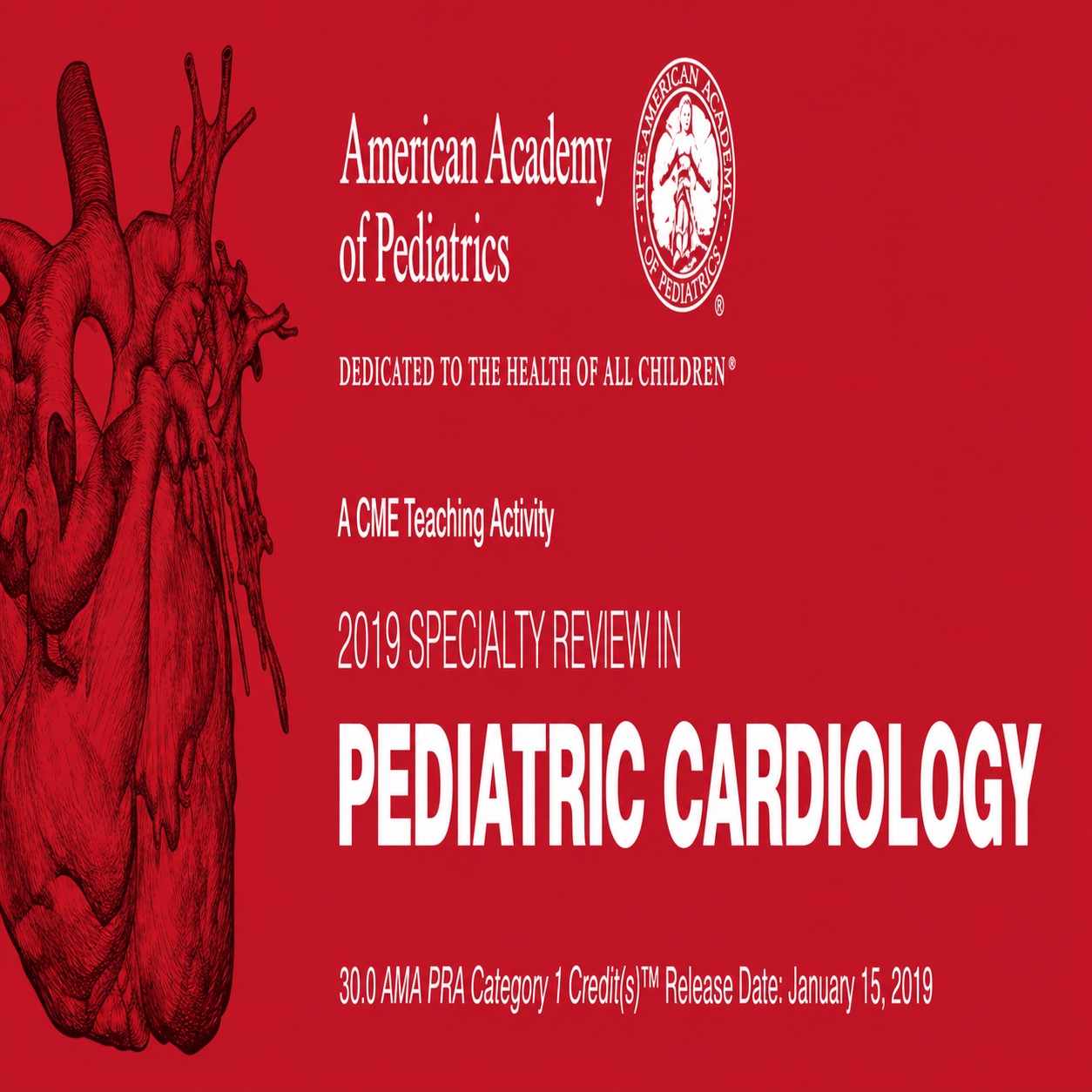
AAP 2019 Specialty Review In Pediatric Cardiology

Original price was: $1,200.00.$25.00Current price is: $25.00.
This Product is shared via google drive download link, So please share your correct Gmail id while placing the order .Please note that there are no CME points or certificate associated with this course Samples for Courses Can be found here : Free Samples Here!
File Size = 7.29 GB
AAP 2019 Specialty Review in Pediatric Cardiology (Videos)
Comprehensive Pediatric Cardiology Board Review & Clinical Practice Update
AAP 2019 Specialty Review in Pediatric Cardiology is a comprehensive educational program designed to provide an in-depth review of pediatric cardiovascular medicine, congenital heart disease, cardiac imaging, electrophysiology, interventional cardiology, and pediatric cardiac critical care. Developed as a high-yield board review and clinical update, this course helps pediatric cardiologists, fellows, trainees, and cardiovascular specialists strengthen their knowledge of both congenital and acquired heart disease in infants, children, and adolescents.
Accredited for up to 36 AMA PRA Category 1 Credits™, this comprehensive review combines foundational science, advanced clinical management, imaging interpretation, surgical principles, and board-style question sessions to support both certification preparation and daily clinical practice.
The curriculum spans the full spectrum of pediatric cardiology, from embryology and cardiovascular physiology to fetal echocardiography, congenital heart disease, arrhythmias, cardiac catheterization, transplantation, pulmonary hypertension, and adult congenital heart disease.
Course Overview
Pediatric cardiology requires a detailed understanding of congenital cardiovascular anatomy, developmental physiology, advanced imaging modalities, and specialized treatment strategies unique to children with heart disease. Rapid advances in genetics, fetal cardiology, catheter-based interventions, and postoperative management continue to reshape modern pediatric cardiovascular care.
AAP 2019 Specialty Review in Pediatric Cardiology delivers a structured review of essential pediatric cardiology topics while emphasizing evidence-based diagnosis, treatment, and long-term management. Through expert lectures and board-focused content, participants gain practical knowledge applicable to both board examinations and real-world patient care.
This course serves as an excellent resource for pediatric cardiology board preparation, fellowship training, maintenance of certification, and continuing medical education.
Learning Objectives
Upon completion of this course, participants will be able to:
- Apply principles of pediatric cardiovascular physiology and pathology.
- Diagnose and manage congenital and acquired heart diseases in children.
- Interpret echocardiographic, MRI, CT, and catheterization findings.
- Evaluate fetal cardiovascular abnormalities using fetal echocardiography.
- Manage pediatric arrhythmias and electrophysiologic disorders.
- Apply current pharmacologic therapies in pediatric cardiology.
- Assess and treat pulmonary hypertension and heart failure.
- Understand surgical and interventional management of congenital heart disease.
- Care for pediatric and adult congenital heart disease patients.
- Prepare effectively for pediatric cardiology board examinations.
Major Topics Covered
Foundations of Pediatric Cardiology
Cardiovascular Embryology & Development
- Cardiac embryology
- Fetal cardiovascular development
- Congenital cardiac anatomy
- Developmental physiology
Basic Cardiovascular Science
- Pediatric cardiovascular physiology
- Hemodynamics
- Cardiovascular pathology
- Molecular biology
Genetics & Congenital Heart Disease
Genetic Disorders
- Genetics of congenital heart disease
- Inherited cardiac syndromes
- Cardiomyopathy genetics
- Chromosomal abnormalities
Congenital Heart Defects
- Atrial septal defects
- Ventricular septal defects
- Patent ductus arteriosus
- Complex congenital heart disease
Left-to-Right Shunts
- Hemodynamic consequences
- Diagnostic evaluation
- Treatment strategies
Fetal Cardiology
Fetal Echocardiography
- Indications for fetal cardiac assessment
- Fetal cardiac anatomy
- Prenatal diagnosis of congenital heart disease
Fetal Arrhythmias
- Bradyarrhythmias
- Tachyarrhythmias
- Prenatal management strategies
Pediatric Cardiac Imaging
Echocardiography
- Transthoracic echocardiography
- Doppler assessment
- Congenital heart disease imaging
- Functional cardiac assessment
Advanced Imaging
- Cardiac MRI
- Cardiac CT
- Nuclear cardiology
Angiography
- Diagnostic angiography
- Interventional planning
Cardiac Catheterization
Diagnostic Catheterization
- Hemodynamic assessment
- Shunt calculations
- Pulmonary vascular resistance
Interventional Catheterization
- Device closure procedures
- Balloon valvuloplasty
- Stent placement
- Emerging catheter-based therapies
Pediatric Electrophysiology
Arrhythmia Management
- Supraventricular tachycardia
- Ventricular arrhythmias
- Bradyarrhythmias
- Syncope evaluation
Electrophysiologic Studies
- Intracardiac recordings
- Mapping procedures
- Ablation strategies
Cardiac Devices
- Pacemakers
- Implantable cardioverter-defibrillators (ICDs)
Cardiovascular Pharmacology
Pediatric Cardiac Medications
- Heart failure therapies
- Antiarrhythmic drugs
- Inotropic support
- Anticoagulation management
Neonatal Pharmacology
- Ductal-dependent lesions
- Prostaglandin therapy
- Intensive care medications
Heart Failure & Cardiomyopathy
Pediatric Heart Failure
- Etiology and pathophysiology
- Medical management
- Mechanical support options
Cardiomyopathies
- Dilated cardiomyopathy
- Hypertrophic cardiomyopathy
- Restrictive cardiomyopathy
- Myocarditis
Pulmonary Hypertension
Pediatric Pulmonary Vascular Disease
- Diagnostic evaluation
- Risk assessment
- Medical therapies
- Long-term management
Cardiac Surgery & Postoperative Care
Surgical Management
- Congenital heart surgery
- Corrective procedures
- Palliative operations
Postoperative Care
- Intensive care management
- Hemodynamic monitoring
- Post-surgical complications
Cardiac Transplantation
Advanced Heart Disease
- Transplant indications
- Recipient evaluation
- Long-term transplant management
Acquired Heart Disease
Inflammatory & Infectious Conditions
- Kawasaki disease
- Infective endocarditis
- Rheumatic fever
- Rheumatic heart disease
Adult Congenital Heart Disease
Lifelong Cardiac Care
- Transition to adult care
- Long-term surveillance
- Pregnancy considerations
Exercise Physiology & Preventive Cardiology
Functional Assessment
- Exercise testing
- Sports participation
- Risk stratification
Cardiovascular Prevention
- Hypertension
- Dyslipidemia
- Cardiovascular risk management
Board Examination Preparation
Pediatric Cardiology Review
- Board-style questions
- Case-based learning
- High-yield examination topics
- Test-taking strategies
Educational Features
✔ Comprehensive pediatric cardiology board review
✔ Covers congenital and acquired heart disease
✔ Board-style questions included
✔ Accredited for 36 AMA PRA Category 1 Credits™
✔ Advanced cardiac imaging education
✔ Fetal echocardiography review
✔ Electrophysiology and arrhythmia management
✔ Cardiac catheterization and intervention coverage
✔ Surgical and postoperative management
✔ Suitable for certification and clinical practice enhancement
Who Should Attend?
This course is ideal for:
- Pediatric Cardiologists
- Pediatric Cardiology Fellows
- Pediatricians
- Cardiologists
- Maternal-Fetal Medicine Specialists
- Obstetric Imaging Specialists
- Fetal Medicine Physicians
- Neonatologists
- Pediatric Critical Care Physicians
- Pediatric Cardiac Intensivists
- Residents preparing for pediatric cardiology fellowship
- Physicians preparing for pediatric cardiology board examinations
Why This Course Stands Out
✔ Complete pediatric cardiology curriculum in one program
✔ Covers basic science through advanced clinical practice
✔ Strong focus on congenital heart disease
✔ Extensive fetal echocardiography content
✔ Includes imaging, electrophysiology, surgery, and interventions
✔ Excellent board preparation resource
✔ Emphasizes evidence-based pediatric cardiovascular care
✔ Practical clinical application for everyday practice
✔ Accredited CME education
✔ Valuable for both trainees and experienced clinicians
Related products
Critical Care - Emergency medicine
Critical Care - Emergency medicine
2022 UPDATES IN THERAPEUTICS: CRITICAL CARE PHARMACY PREPARATORY REVIEW AND RECERTIFICATION COURSE

Critical Care - Emergency medicine
ASN Critical Care Nephrology – 2022 Update (On-Demand and Livestream)

Anesthesiology & pain medicine

Critical Care - Emergency medicine

Internal Medicine

Cardiology

Critical Care - Emergency medicine