
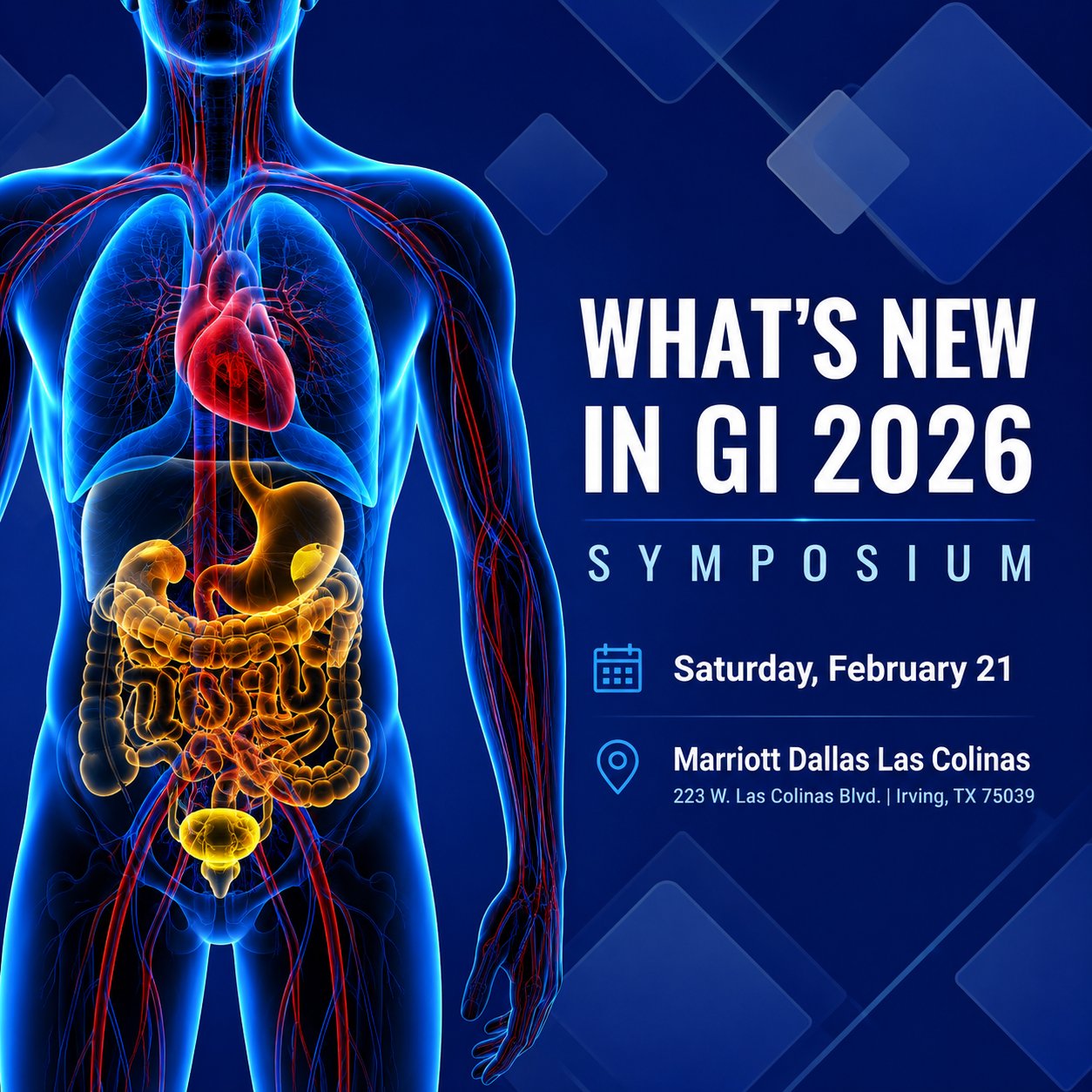
University of Texas Southwestern Medical Center What’s New in GI 2026 Symposium

Original price was: $125.00.$20.00Current price is: $20.00.
This Product is shared via google drive download link, So please share your correct Gmail id while placing the order .Please note that there are no CME points or certificate associated with this course Samples for Courses Can be found here : Free Samples Here!
University of Texas Southwestern Medical Center What’s New in GI 2026 Symposium
Comprehensive Gastroenterology Update: Emerging Therapies, Endoscopy & Evidence-Based GI Care
The University of Texas Southwestern Medical Center What’s New in GI 2026 Symposium provides a comprehensive review of the latest advances in gastroenterology, digestive diseases, and gastrointestinal therapeutics. Designed for practicing clinicians, this one-day educational program delivers practical, evidence-based updates that can be immediately incorporated into clinical practice.
Held on February 21, 2026, at the Marriott Dallas Las Colinas, Dallas, Texas, the symposium features expert faculty from UT Southwestern discussing contemporary approaches to diagnosing and managing complex gastrointestinal disorders, emerging treatment options, evolving clinical guidelines, and challenging patient presentations.
Through focused lectures and interactive Q&A sessions, participants gain valuable insights into current GI practice, including inflammatory bowel disease, eosinophilic esophagitis, Barrett’s esophagus, gastrointestinal bleeding, motility disorders, and the expanding impact of GLP-1 receptor agonists on digestive health.
Course Features
• 12 Video Lectures
• 12 VTT Subtitle Files
• 13 PDF Presentations
• Total Size: 2.72 GB
• Expert UT Southwestern Faculty
• Evidence-Based Gastroenterology Updates
• Interactive Clinical Discussions
• Practical Management Strategies
• Current Clinical Guideline Reviews
Target Audience
This course is ideal for:
• Gastroenterologists
• GI Surgeons
• Internal Medicine Physicians
• Family Medicine Physicians
• Nurse Practitioners
• Physician Assistants
• Gastroenterology Fellows
• Primary Care Providers
• Advanced Practice Providers
• Healthcare Professionals Interested in Gastroenterology
It is particularly valuable for clinicians seeking:
• Gastroenterology Updates
• Endoscopic Practice Insights
• Inflammatory Bowel Disease Education
• Barrett’s Esophagus Management
• Eosinophilic Esophagitis Updates
• GI Bleeding Treatment Strategies
• Motility Disorder Management
• Evidence-Based GI Care
Program Overview
Gastroenterology continues to evolve rapidly with the introduction of new biologic therapies, updated clinical guidelines, advanced endoscopic techniques, and expanding knowledge of gastrointestinal disease pathophysiology.
The What’s New in GI 2026 Symposium provides a focused review of the most important clinical developments affecting modern gastroenterology practice. Faculty experts present practical approaches to diagnosis, treatment planning, and patient management based on the latest evidence and guideline recommendations.
Special attention is given to emerging therapies for eosinophilic esophagitis, new treatment options for constipation and motility disorders, management of gastrointestinal bleeding, updated Barrett’s esophagus guidelines, and current strategies for both inpatient and outpatient inflammatory bowel disease care.
The symposium emphasizes translating research advances into real-world clinical practice to improve patient outcomes and optimize gastrointestinal care.
Learning Objectives
Upon completion of this activity, participants will be able to:
• Describe emerging therapeutic options for eosinophilic esophagitis (EoE)
• Identify the gastrointestinal effects of GLP-1 receptor agonists
• Recognize dysmotility disorders associated with modern metabolic therapies
• Apply updated treatment strategies for chronic constipation
• Evaluate contemporary approaches to gastrointestinal bleeding management
• Implement updated Barrett’s esophagus guidelines in clinical practice
• Optimize treatment plans for outpatient and inpatient inflammatory bowel disease patients
• Utilize current evidence-based approaches to gastrointestinal disease management
• Improve diagnostic accuracy for common and complex GI disorders
• Integrate new clinical data into patient-centered treatment decisions
Core Topics Covered
Eosinophilic Esophagitis (EoE)
• New Therapeutic Options
• Biologic Treatments
• Diagnostic Updates
• Long-Term Disease Management
• Evidence-Based Care Pathways
GLP-1 Agonists & Gastrointestinal Effects
• GLP-1 Receptor Agonists
• Gastroparesis & Dysmotility
• Gastrointestinal Side Effects
• Clinical Management Strategies
• Emerging Research
Constipation & Motility Disorders
• Chronic Constipation Management
• Novel Pharmacologic Therapies
• Diagnostic Evaluation
• Colonic Transit Disorders
• Functional GI Disorders
Gastrointestinal Bleeding
• Acute GI Bleeding Management
• Endoscopic Treatment Options
• Risk Stratification
• Inpatient Management Strategies
• Evidence-Based Therapeutics
Barrett’s Esophagus
• Updated Clinical Guidelines
• Surveillance Recommendations
• Dysplasia Management
• Endoscopic Therapies
• Esophageal Cancer Prevention
Inflammatory Bowel Disease (IBD)
• Crohn’s Disease
• Ulcerative Colitis
• Biologic Therapies
• Advanced Treatment Algorithms
• Inpatient & Outpatient Management
General Gastroenterology Updates
• Digestive Disease Management
• Clinical Decision-Making
• Emerging Therapeutics
• Practice Guideline Updates
• Complex Case Discussions
Educational Features
✔ Expert Faculty from UT Southwestern
✔ Practical Clinical Updates
✔ Evidence-Based Gastroenterology Education
✔ Current Guideline Reviews
✔ Interactive Question & Answer Sessions
✔ Emerging Therapeutic Advances
✔ Real-World Clinical Applications
✔ Immediate Practice Relevance
Why This Course Stands Out
✔ Focused on Practical Gastroenterology Updates
✔ Covers the Most Relevant Emerging GI Therapies
✔ Strong Emphasis on Clinical Application
✔ Expert Academic Faculty
✔ Comprehensive IBD & EoE Updates
✔ Current Barrett’s Guideline Review
✔ GLP-1 & GI Motility Insights
✔ Valuable for Specialists & Primary Care Providers
Clinical & Educational Value
The University of Texas Southwestern Medical Center What’s New in GI 2026 Symposium delivers a concise yet comprehensive review of the most important developments in contemporary gastroenterology.
By integrating advances in eosinophilic esophagitis, inflammatory bowel disease, Barrett’s esophagus, gastrointestinal bleeding, motility disorders, and emerging pharmacologic therapies, this course equips clinicians with practical tools to improve diagnostic accuracy and patient outcomes.
The combination of expert instruction, evidence-based recommendations, and clinically relevant discussions makes this symposium an outstanding educational resource for gastroenterologists, GI surgeons, internists, family physicians, and other healthcare professionals involved in digestive disease management.
4. Topics Topics (12 Lectures):
-
Eosinophilic Esophagitis in 2025 Which Therapy, When
-
Managing Upper GI Symptoms in Patients with a History of Fundoplication
-
How a GI Does It Laryngopharyngeal Reflux
-
Using and Choosing IBD Therapies. What’s New in 2025
-
Approach to the Hospitalized Patient with UC
-
Keynote GLP-1 Agonists and Dysmotility Effect Clinical, Practical, and Ethical Considerations
-
Pelvic Floor Dysfunction for the GI
-
Microbiota Therapies for C. Diff
-
Choosing the Right Medicines for Your Patient with IBS-C
-
Tackling Large Polyps in Everyday Endoscopy
-
Hemostasis What’s New in the Toolbox
-
Barrett’s Guidelines Making Sense of the Latest Updates
Related products

Pediatrics
Critical Care - Emergency medicine
40th ISICEM International Symposium on Intensive Care & Emergency Medicine 2021

Critical Care - Emergency medicine
Critical Care - Emergency medicine

Internal Medicine
Critical Care - Emergency medicine

Internal Medicine