
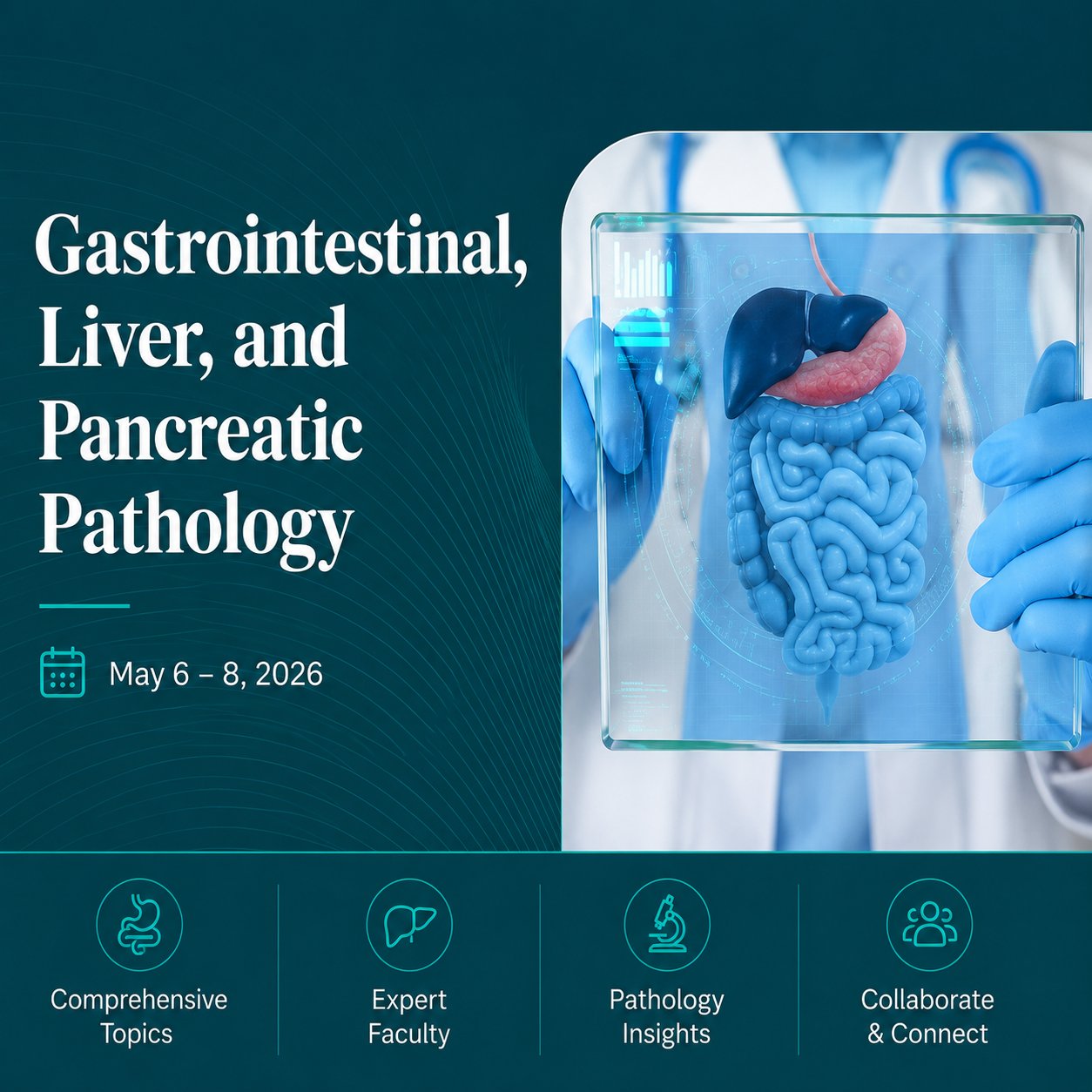
Harvard Gastrointestinal, Liver, and Pancreatic Pathology 2026


Original price was: $1,475.00.$80.00Current price is: $80.00.
This Product is shared via google drive download link, So please share your correct Gmail id while placing the order .Please note that there are no CME points or certificate associated with this course Samples for Courses Can be found here : Free Samples Here!
Harvard Gastrointestinal, Liver, and Pancreatic Pathology 2026
Advanced Gastrointestinal, Hepatobiliary & Pancreatic Surgical Pathology Update
Overview
The Harvard Gastrointestinal, Liver, and Pancreatic Pathology 2026 course is a comprehensive subspecialty pathology program designed to provide the latest updates in gastrointestinal, hepatobiliary, and pancreatic pathology. Conducted by expert faculty from Harvard Medical School, the course focuses on diagnostic surgical pathology, cytopathology, molecular pathology, and contemporary classification systems affecting diseases of the digestive tract, liver, gallbladder, and pancreas.
Held from May 6–8, 2026, this intensive educational program emphasizes practical diagnostic strategies, biopsy interpretation, differential diagnosis, WHO classification updates, biomarker utilization, molecular testing, and clinicopathologic correlation to improve diagnostic accuracy and patient management.
Through lectures, slide seminars, case-based discussions, and expert faculty interaction, participants gain practical tools that can be immediately integrated into routine pathology and gastrointestinal practice.
Course Features
- Harvard Medical School Faculty
- Gastrointestinal Surgical Pathology Review
- Hepatobiliary Pathology Updates
- Pancreatic Pathology Education
- WHO Classification Updates
- Molecular Pathology & Biomarkers
- Cytopathology Review
- Slide Seminars & Case Discussions
- Differential Diagnosis Algorithms
- Practical Biopsy Interpretation
- Ancillary Testing Applications
- Diagnostic Pitfalls & Pearls
Learning Objectives
Upon completion of this course, participants will be able to:
- Apply updates from the latest WHO classification of digestive system tumors.
- Recognize newly described gastrointestinal, hepatic, and pancreatic disease entities.
- Differentiate inflammatory, reactive, dysplastic, and neoplastic lesions.
- Utilize immunohistochemistry and molecular testing appropriately.
- Identify clinically relevant biomarkers used in targeted therapy.
- Interpret liver biopsy patterns using clinicopathologic correlation.
- Apply disease staging and grading systems correctly.
- Recognize common and uncommon gastrointestinal, hepatic, and pancreatic tumors.
- Develop systematic approaches to biopsy and resection specimen interpretation.
Gastrointestinal Pathology
Gastrointestinal Neoplasia
A major focus of the course is the diagnosis and classification of gastrointestinal tumors.
Topics Include
- Esophageal neoplasia
- Gastric neoplasia
- Small bowel tumors
- Colorectal neoplasia
- Neuroendocrine tumors
- Precancerous lesions
Participants review current diagnostic criteria and classification systems.
WHO Classification Updates
The course provides detailed reviews of the latest updates in:
Covered Areas
- Digestive system tumors
- Molecular classifications
- Emerging diagnostic entities
- Histologic criteria revisions
- Reporting recommendations
Faculty discuss the clinical significance of recent classification changes.
Pre-Neoplastic Lesions
Specialized sessions review:
Topics Include
- Dysplasia assessment
- Serrated lesions
- Barrett-associated neoplasia
- Gastric precursor lesions
- Colorectal precursor pathways
Participants learn practical approaches for identifying early neoplastic change.
Inflammatory Gastrointestinal Disorders
Non-Neoplastic Gastrointestinal Disease
The program explores inflammatory and reactive gastrointestinal disorders.
Topics Include
- Inflammatory bowel disease
- Microscopic colitis
- Autoimmune gastrointestinal disorders
- Infectious pathology
- Drug-induced injury
Faculty emphasize differential diagnosis and clinicopathologic correlation.
Differential Diagnosis in GI Biopsies
A systematic diagnostic approach is emphasized.
Covered Areas
- Pattern recognition
- Histologic algorithms
- Common diagnostic pitfalls
- Mimickers of neoplasia
- Ancillary testing applications
Participants develop structured approaches to difficult biopsy interpretation.
Molecular Pathology & Biomarkers
Precision Diagnostics
Modern molecular testing plays an increasingly important role in GI pathology.
Topics Include
- Molecular biomarkers
- Microsatellite instability (MSI)
- Mismatch repair testing
- HER2 assessment
- Predictive biomarkers
- Next-generation sequencing
Faculty discuss practical implementation of molecular diagnostics.
Hereditary Cancer Syndromes
Dedicated sessions review:
Topics Include
- Lynch syndrome
- Familial adenomatous polyposis
- Hereditary gastrointestinal cancers
- Screening strategies
- Genetic testing approaches
Participants learn current standards for identifying hereditary cancer syndromes.
Liver Pathology
Liver Biopsy Interpretation
One of the central themes of the course is systematic liver pathology evaluation.
Topics Include
- Pattern-based diagnosis
- Hepatitis
- Cholestatic disorders
- Fatty liver disease
- Autoimmune liver disease
- Drug-induced liver injury
Faculty emphasize integration of pathology with clinical findings.
Hepatic Tumors
Comprehensive reviews include:
Topics Covered
- Hepatocellular carcinoma
- Cholangiocarcinoma
- Hepatic adenomas
- Metastatic tumors
- Rare liver neoplasms
Participants review diagnostic criteria and differential diagnosis.
Liver Disease Staging & Grading
Sessions address:
- Fibrosis staging
- Inflammatory grading
- Prognostic assessment
- Reporting standards
- Clinical implications
Current staging systems and limitations are discussed.
Pancreatic Pathology
Pancreatic Neoplasms
A major component of the course focuses on pancreatic tumors.
Topics Include
- Pancreatic ductal adenocarcinoma
- Intraductal papillary mucinous neoplasms (IPMN)
- Mucinous cystic neoplasms
- Neuroendocrine tumors
- Acinar neoplasms
Faculty review modern classification and reporting approaches.
Pancreatic Biopsy Interpretation
Participants learn practical diagnostic approaches to:
Covered Areas
- Cytology interpretation
- Fine-needle aspiration specimens
- Histologic patterns
- Ancillary testing
- Differential diagnosis
Case-based examples illustrate common diagnostic challenges.
Gallbladder & Biliary Pathology
Specialized lectures review:
Topics Include
- Gallbladder dysplasia
- Gallbladder carcinoma
- Biliary tract neoplasms
- Inflammatory conditions
- Diagnostic pitfalls
The course highlights practical diagnostic strategies for biliary pathology.
Ancillary Techniques
Immunohistochemistry & Molecular Testing
The curriculum emphasizes proper utilization of:
Topics Include
- Immunohistochemical panels
- Molecular biomarkers
- Diagnostic algorithms
- Targeted therapy markers
- Limitations of ancillary studies
Faculty discuss evidence-based application of advanced diagnostic tools.
Educational Highlights
✔ Comprehensive GI pathology update
✔ Harvard expert faculty
✔ WHO classification updates
✔ Gastrointestinal tumor pathology
✔ Liver biopsy interpretation
✔ Pancreatic pathology review
✔ Molecular pathology integration
✔ Biomarker-based diagnostics
✔ Case-based slide seminars
✔ Practical daily diagnostic applications
Target Audience
This course is ideal for:
- Pathologists
- Gastrointestinal Pathologists
- Surgical Pathologists
- Cytopathologists
- Gastroenterologists
- Hepatologists
- GI Oncology Specialists
- Pathology Residents
- Pathology Fellows
- Pathology Assistants
- Laboratory Professionals
- Advanced Practice Providers
Why This Course Stands Out
✔ Harvard Medical School pathology education
✔ Comprehensive GI, liver, and pancreas coverage
✔ Strong focus on practical diagnosis
✔ WHO classification updates
✔ Modern molecular pathology integration
✔ Extensive biopsy interpretation guidance
✔ Covers both neoplastic and non-neoplastic disease
✔ Case-based slide review format
✔ Emphasis on clinically actionable biomarkers
✔ Applicable to both academic and community practice
4. Topics
-
01 Barrett’s Esophagus and Associated Neoplasia
-
02 Clinicians Perspective- Upper GI Tract
-
03 Upper GI Tract Inflammatory Conditions
-
04 Gastric Polyps and Precursor Lesions
-
05 Celiac Disease and its Differential Diagnosis
-
06 Slide Seminar on Upper GI Tract
-
07 Biopsy Diagnosis of Colitis
-
08 IBD Controversies and Challenges
-
09 Colon Polyps and Polyposis
-
10 Challenges in Colon Cancer Staging
-
11 Endocrine Tumors of the Tubal Gut
-
12 Slide Seminar on Infectious Disorders of the GI Tract
-
13 GIST From KIT to Succinate Dehydrogenase
-
14 Mesenchymal Tumors and Mesenchymal Polyps (Other than GIST)
-
15 GI Lymphomas
-
16 Molecular Diagnostics in GI Tract Malignancies
-
17 Anal Pathology Overview and Update
-
18 Appendiceal Tumors
-
19 Intraoperative Consultations in GI Pathology
-
20 Cytology and Small Biopsy Diagnosis of Pancreaticobiliary Tumors
-
21 Surgical Pathology of Pancreatic Tumors
-
22 Slide Seminar on Instructive Cases in Pancreatic Pathology
-
23 Gallbladder and Biliary Tract Pathology
-
24 Liver 1 Approach to Acute Hepatitis
-
25 Liver 2 Porto-Sinusoidal Vascular Disease
-
26 Clinicians Perspective on Liver Biopsies
-
27 Autoimmune Hepatitis and Mimickers
-
28 Liver 3 Cholestatic Disorders
-
29 Hepatocellular Carcinoma and Mimickers
Related products

Anesthesiology & pain medicine
Critical Care - Emergency medicine

Critical Care - Emergency medicine

Anesthesiology & pain medicine

Critical Care - Emergency medicine

Internal Medicine
Internal Medicine

Critical Care - Emergency medicine