
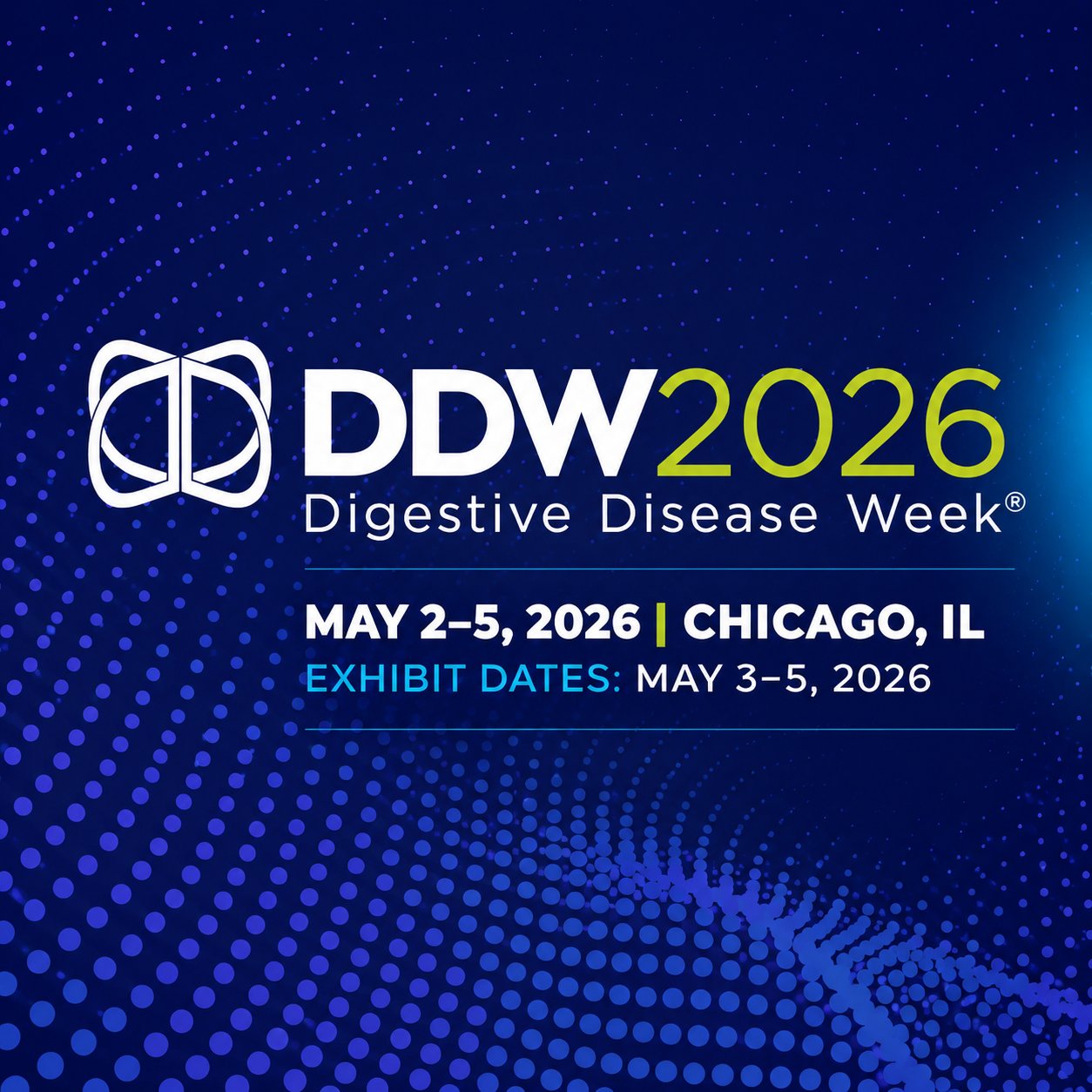
Digestive Disease Week 2026

$100.00
This Product is shared via google drive download link, So please share your correct Gmail id while placing the order .Please note that there are no CME points or certificate associated with this course Samples for Courses Can be found here : Free Samples Here!
Digestive Disease Week (DDW) 2026 (Videos)
The World’s Premier Conference on Gastroenterology, Hepatology, Endoscopy, GI Surgery, and Digestive Disease Innovation
Stay at the forefront of digestive health with Digestive Disease Week (DDW) 2026, the world’s leading continuing medical education (CME) conference dedicated to gastroenterology, hepatology, gastrointestinal endoscopy, and GI surgery. Bringing together more than 13,000 physicians, researchers, surgeons, and healthcare professionals from around the world, DDW 2026 delivers the latest scientific discoveries, evidence-based clinical guidelines, and breakthrough technologies that are shaping the future of digestive disease care.
The 2026 meeting introduces a new content track-first educational approach, developed collaboratively by the four sponsoring societies—AASLD (American Association for the Study of Liver Diseases), AGA (American Gastroenterological Association), ASGE (American Society for Gastrointestinal Endoscopy), and SSAT (Society for Surgery of the Alimentary Tract). This integrated format promotes multidisciplinary learning while emphasizing personalized medicine, artificial intelligence, advanced endoscopy, digestive oncology, inflammatory bowel disease, metabolic liver disease, and minimally invasive gastrointestinal therapies.
Through expert-led lectures, cutting-edge scientific sessions, live demonstrations, and case-based discussions, participants will gain practical knowledge that can be immediately applied to improve patient outcomes across the full spectrum of digestive diseases.
Product Details
- Course: Digestive Disease Week (DDW) 2026
- Provider: Digestive Disease Week (DDW)
- Format: Videos
- Language: English
- Educational Level: Advanced
Course Overview
Recognized internationally as the premier educational event in digestive health, Digestive Disease Week 2026 offers a comprehensive review of the latest advances in gastroenterology, hepatology, gastrointestinal endoscopy, digestive surgery, and gastrointestinal oncology. The program reflects the rapidly evolving landscape of digestive medicine by integrating groundbreaking research, evidence-based clinical practice, emerging technologies, and multidisciplinary collaboration.
This year’s curriculum places special emphasis on the expanding role of artificial intelligence (AI) in digestive disease diagnosis and endoscopy, personalized treatment strategies, advanced therapeutic endoscopy, inflammatory bowel disease (IBD), eosinophilic esophagitis (EoE), metabolic dysfunction-associated steatotic liver disease (MASLD/MASH), digestive oncology, obesity management, and minimally invasive GI interventions.
International experts present practical guidance on implementing the latest clinical guidelines, novel pharmacologic therapies, advanced endoscopic procedures, and precision medicine approaches that are transforming digestive healthcare worldwide.
What You’ll Learn
After completing this course, participants will be able to:
- Integrate artificial intelligence into endoscopic practice, histopathology, and inflammatory bowel disease assessment.
- Apply evidence-based endoscopic techniques for acute gastrointestinal bleeding, pancreatobiliary disorders, and complex colorectal polyps.
- Utilize noninvasive diagnostic tools for evaluating and monitoring MASLD and MASH.
- Implement modern treat-to-target strategies and early intervention therapies for inflammatory bowel disease.
- Evaluate current pharmacologic therapies, including GLP-1 receptor agonists and resmetirom, for metabolic liver disease.
- Apply advanced endoscopic and surgical techniques for obesity-related gastrointestinal disorders.
- Improve multidisciplinary management of digestive cancers and complex gastrointestinal diseases.
- Incorporate emerging technologies and personalized medicine into daily gastroenterology practice.
Comprehensive Topics Covered
Artificial Intelligence in Gastroenterology
Explore the rapidly expanding applications of artificial intelligence in gastrointestinal medicine, including AI-assisted endoscopy, automated polyp detection, histologic interpretation, clinical decision support, and disease activity assessment for inflammatory bowel disease.
Advanced Gastrointestinal Endoscopy
Review modern therapeutic endoscopic techniques for managing gastrointestinal bleeding, complex colorectal polyps, pancreatobiliary disorders, endoscopic mucosal resection (EMR), endoscopic submucosal dissection (ESD), and advanced interventional endoscopy.
Inflammatory Bowel Disease (IBD)
Learn contemporary approaches to Crohn’s disease and ulcerative colitis, including early intervention, treat-to-target strategies, biologic therapies, combination treatment, disease monitoring, and personalized patient management.
Eosinophilic Esophagitis (EoE)
Strengthen your understanding of current diagnostic criteria, dietary management, pharmacologic therapies, endoscopic evaluation, and long-term treatment strategies for eosinophilic esophagitis.
Metabolic Dysfunction-Associated Steatotic Liver Disease (MASLD/MASH)
Review the latest evidence regarding noninvasive diagnostic tools, fibrosis assessment, disease staging, lifestyle interventions, GLP-1 receptor agonists, resmetirom, and emerging pharmacologic therapies for MASLD and MASH.
Digestive Oncology
Explore advances in gastrointestinal cancer screening, early detection, endoscopic diagnosis, molecular biomarkers, multidisciplinary treatment planning, and precision oncology for digestive malignancies.
Obesity & Endobariatrics
Gain practical insights into endoscopic obesity therapies, including Endoscopic Sleeve Gastroplasty (ESG), bariatric endoscopy, metabolic interventions, patient selection, and multidisciplinary obesity management.
Pancreatobiliary Diseases
Review current diagnostic and therapeutic approaches for pancreatic disorders, biliary diseases, ERCP, EUS-guided interventions, and complex pancreatobiliary pathology.
Personalized Digestive Medicine
Learn how precision medicine, biomarker-guided therapy, artificial intelligence, and integrated multidisciplinary care are transforming the management of digestive diseases.
Learning Objectives
Upon completion of this educational activity, participants will be able to:
- Evaluate current and future applications of artificial intelligence in gastroenterology and endoscopy.
- Apply evidence-based endoscopic techniques for GI bleeding, pancreatobiliary disease, and colorectal polyps.
- Utilize noninvasive tools for diagnosing and monitoring MASLD/MASH.
- Implement early intervention and treat-to-target strategies for inflammatory bowel disease.
- Select appropriate pharmacologic therapies, including GLP-1 receptor agonists and resmetirom, for metabolic liver disease.
- Evaluate emerging endoscopic and surgical obesity treatments, including Endoscopic Sleeve Gastroplasty (ESG).
Educational Highlights
- World’s Premier Gastroenterology Conference
- Artificial Intelligence in Endoscopy
- Advanced Gastrointestinal Endoscopy
- Inflammatory Bowel Disease (IBD)
- Crohn’s Disease & Ulcerative Colitis
- Eosinophilic Esophagitis (EoE)
- MASLD & MASH
- GLP-1 Receptor Agonists
- Resmetirom Therapy
- Digestive Oncology
- Advanced Endoscopic Systems
- Pancreatobiliary Disorders
- Endobariatrics
- Endoscopic Sleeve Gastroplasty (ESG)
- Personalized Digestive Medicine
- Evidence-Based Clinical Guidelines
- Continuing Medical Education (CME)
Why This Course Stands Out
Digestive Disease Week (DDW) 2026 is widely recognized as the most influential international meeting in digestive health, bringing together the combined expertise of AASLD, AGA, ASGE, and SSAT into one comprehensive educational experience. Unlike specialty-specific meetings, DDW offers an integrated approach spanning gastroenterology, hepatology, endoscopy, gastrointestinal surgery, and digestive oncology. Participants benefit from the latest clinical research, multidisciplinary collaboration, artificial intelligence innovations, advanced therapeutic techniques, and practical guideline updates that can be immediately incorporated into patient care.
Target Audience
This educational activity is ideal for:
- Gastroenterologists
- Hepatologists
- General Surgeons
- Gastrointestinal Surgeons
- Endoscopists
- Bariatric Specialists
- Oncologists
- Allergists
- Internal Medicine Physicians
- Colorectal Surgeons
- Nurse Practitioners
- Physician Assistants
- Gastroenterology Fellows
- Surgery Residents
- Clinical Researchers
- Healthcare Professionals involved in digestive and liver diseases
Why Choose This Course?
Whether you specialize in gastroenterology, hepatology, gastrointestinal surgery, endoscopy, or digestive oncology, Digestive Disease Week (DDW) 2026 delivers one of the most comprehensive educational experiences available. Combining world-renowned faculty, groundbreaking research, evidence-based clinical guidelines, advanced endoscopic innovations, and multidisciplinary collaboration, this program equips clinicians with the knowledge and practical skills needed to provide exceptional care for patients with digestive and liver diseases.
Topics
* WARNING: The main topics are summarized below; there are 403 topics in total.
-
The Impact of AI on the Endoscopic Practice in Gastroenterology: Hype and Reality
-
AI-Enabled Diagnostics and Intestinal Ultrasound in IBD Monitoring
-
Eosinophilic Esophagitis (EoE): New Targeted Immunology and Epithelial Cytokines
-
Early Intervention and Combination Therapies in Crohn’s Disease and Ulcerative Colitis
-
Endobariatrics and ESG: Integration within a Multidisciplinary Model
-
Advances in Colon Polyp Detection and Endoscopic vs. Surgical Resection
-
Innovations and Updates in Pancreato-Biliary Endoscopy
-
EUS-Guided Gallbladder Drainage with AXIOS™ Stent
-
Diagnosis, Staging, and Management of MASH and MASLD
-
Systemic Inflammation and Organ Failure in Acute Pancreatitis
-
Tumor Immune Microenvironment in Colorectal Liver Metastases
-
Pharmacological and Psychological Approaches to Disorders of Gut-Brain Interaction (DGBI)
-
Updates in Hepatitis B and C Management and Care Delivery
-
Modern Surgical Strategies Against Pancreatic Cancer
-
Evolving Technologies: Robotic Scope Control and Suture-Based Innovation
Related products
Internal Medicine
Critical Care - Emergency medicine
2022 UPDATES IN THERAPEUTICS: CRITICAL CARE PHARMACY PREPARATORY REVIEW AND RECERTIFICATION COURSE
Internal Medicine
Internal Medicine
Anesthesiology & pain medicine

Cardiology

Internal Medicine
Anesthesiology & pain medicine
Critical Care Symposium: Mastering ED Mechanical Ventilation