
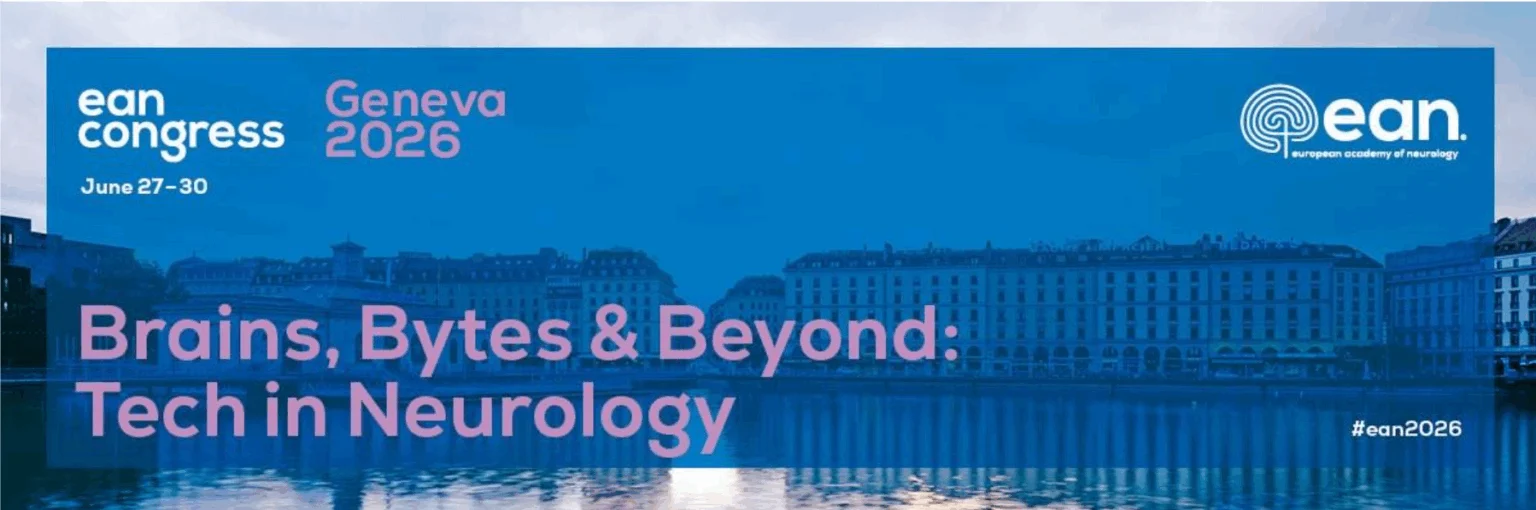
EAN 2026 (12th Congress of the European Academy of Neurology) (Videos)
$1,000.00 Original price was: $1,000.00.$120.00Current price is: $120.00.
This Product is shared via google drive download link, So please share your correct Gmail id while placing the order .Please note that there are no CME points or certificate associated with this course Samples for Courses Can be found here : Free Samples Here!
EXPRESS DISCOVER PayPal
EAN 2026 (12th Congress of the European Academy of Neurology) (Videos)
Neurology • Artificial Intelligence • Digital Neurology • Clinical Neuroscience • Neurotechnology • Brain Health
Explore major advances across modern neurology with EAN 2026 (12th Congress of the European Academy of Neurology) (Videos), one of Europe’s largest international meetings dedicated to clinical neurology, neuroscience, neurological research, education, and brain health.
The 12th Congress of the European Academy of Neurology (EAN) was held June 27–30, 2026, at Palexpo in Geneva, Switzerland, with both onsite and virtual participation.
The overarching theme:
“Brains, Bytes & Beyond: Tech in Neurology”
examined how computing, artificial intelligence, neurotechnology, wearable devices, advanced neuroimaging, brain-machine interfaces, digital tools, and emerging technologies are changing neurological diagnosis, treatment, clinical reasoning, and decision-making.
Congress Details
- Congress: 12th Congress of the European Academy of Neurology
- Abbreviation: EAN 2026
- Provider: European Academy of Neurology – EAN
- Year: 2026
- Dates: June 27–30, 2026
- Venue: Palexpo
- Location: Geneva, Switzerland
- Address: Route François-Peyrot 30, 1218 Le Grand-Saconnex, Switzerland
- Format: Hybrid – Onsite + Virtual
- MedicalAmboss Format: Videos
- Overarching Theme: Brains, Bytes & Beyond: Tech in Neurology
- Primary Specialty: Neurology
- Educational Sessions: 62
- Scientific Sessions: 62
- Accredited Educational Content: Up to 32 hours
- Registrations: Approximately 9,700
- Language: English
EAN’s historical congress record reports 9,700 registrations, including 7,724 onsite and 2,017 virtual registrations.
Congress Overview
The EAN Congress brings together a broad spectrum of neurological education and scientific research.
The 2026 meeting combines:
- Clinical neurology
- Basic neuroscience
- Translational research
- Neurological therapeutics
- Artificial intelligence
- Neurotechnology
- Brain health
- Neuroimaging
- Digital medicine
- Clinical neurophysiology
- Neurological rehabilitation
- Neurological subspecialty education
- Scientific abstracts and ePosters
The scientific program is designed to connect:
Scientific Discovery → Diagnostic Innovation → Clinical Reasoning → Treatment → Technology → Long-Term Brain Health
Brains, Bytes & Beyond: Tech in Neurology
The overarching theme of EAN 2026 focuses on the increasing integration of computing into neurological practice.
EAN highlights both the opportunities and challenges associated with transferring some cognitive and analytical tasks to artificial intelligence.
Potential applications span:
- Diagnostic support
- Neuroimaging interpretation
- Neurophysiology
- Clinical decision support
- Wearable technology
- Disease monitoring
- Digital biomarkers
- Brain-machine interfaces
- Neurostimulation
- Rehabilitation technologies
- Robotic interaction
- Restorative neurological therapies
EAN specifically notes that technological change may influence not only individual neurological tools but fundamental aspects of the profession, including clinical reasoning and decision-making.
Innovations in Neurology: From Brain Machine Interface to AI
A central symposium of EAN 2026 was:
Innovations in Neurology: From Brain Machine Interface to AI
Monday, June 29, 2026
The official program included:
- Adaptive Deep Brain Stimulation for Movement Disorders — Andrea Kühn, Germany
- Advances in Non-Invasive Brain Stimulation — Friedhelm Hummel, Switzerland
- Applying AI in Clinical Neurology — James Teo, United Kingdom
- Interacting with Robots — Astrid Rosenthal-von der Pütten, Germany
This symposium connects:
Neurotechnology → Neuromodulation → Artificial Intelligence → Human-Machine Interaction
and illustrates how technology is progressing from research environments into practical neurological medicine.
AI in Hospital Neurology
One focused workshop was dedicated to:
AI in Hospital Neurology
The official program included:
- AI in Acute Stroke — Susanne Wegener, Switzerland
- AI in Disorders of Consciousness — Anna Estraneo, Italy
- AI in Identification & Diagnosis of Multiple Sclerosis — Celia Oreja-Guevara, Spain
Hospital neurology increasingly produces high-dimensional data from:
- Neuroimaging
- EEG
- Physiological monitoring
- Laboratory testing
- Electronic health records
Artificial intelligence can potentially assist clinicians in extracting clinically useful patterns from these datasets.
A future workflow may increasingly involve:
Clinical Assessment → High-Dimensional Data → AI-Assisted Analysis → Neurologist Interpretation → Clinical Decision
AI in Outpatient Neurology
A second focused workshop addressed:
AI in Outpatient Neurology
Official presentations included:
- AI in Epilepsy — Sandor Beniczky, Denmark
- AI for Parkinson’s Disease and Rare Parkinsonian Conditions — Christian Lambert, United Kingdom
- AI in Headache Care — Anker Stubberud, Norway
Outpatient digital neurology may rely increasingly on longitudinal information obtained through:
- Wearable devices
- Patient-reported outcomes
- Smartphones
- Digital diaries
- Remote monitoring
- Home-based sensors
These technologies may allow neurological assessment to extend beyond brief clinic visits.
Digital Neurology
Digital neurology integrates technology with traditional neurological practice.
Potential components include:
- AI-supported diagnosis
- Digital biomarkers
- Remote neurological monitoring
- Wearables
- Smartphone applications
- Automated movement analysis
- Speech analysis
- Digital cognitive assessment
- Remote seizure monitoring
- Tele-neurology
The goal is not simply to collect more data, but to transform clinically meaningful information into better neurological decision-making.
Brain-Machine Interfaces
Brain-machine interfaces represent an emerging area at the intersection of:
Neurology + Neuroscience + Engineering + Rehabilitation
Potential applications may include:
- Motor restoration
- Communication
- Neuroprosthetics
- Rehabilitation
- Assistive technology
- Neuromodulation
Their inclusion in the overarching EAN symposium reflects increasing interest in restorative neurological technologies.
Deep Brain Stimulation
The overarching symposium included a dedicated presentation on:
Adaptive Deep Brain Stimulation for Movement Disorders
Adaptive systems differ from continuously programmed stimulation by responding dynamically to neurological signals.
Potential applications are particularly relevant to:
- Parkinson’s disease
- Tremor
- Dystonia
- Other movement disorders
This represents the broader movement toward personalized neurostimulation.
Non-Invasive Brain Stimulation
EAN 2026 also addressed advances in non-invasive brain stimulation.
These technologies may be investigated for:
- Rehabilitation
- Motor recovery
- Neuroplasticity
- Neurological symptoms
- Cognitive disorders
The field illustrates the growing convergence between neurological therapeutics and neuroengineering.
Stroke & Cerebrovascular Neurology
Stroke is one of the clinical areas specifically addressed by the congress’s AI theme.
The program examined AI in acute stroke, demonstrating how computational technologies may potentially support:
- Imaging interpretation
- Large-vessel occlusion detection
- Workflow prioritization
- Treatment selection
- Outcome prediction
Stroke care remains highly time-sensitive, making efficient interpretation of neurological data particularly important.
Multiple Sclerosis & Neuroimmunology
Multiple sclerosis was another neurological disease specifically incorporated into the artificial-intelligence program.
The focused workshop addressed:
AI in Identification & Diagnosis of Multiple Sclerosis
Modern MS assessment may combine:
Clinical Phenotype + MRI + Laboratory Findings + Biomarkers + Longitudinal Monitoring
Computational methods may provide additional tools for analyzing complex imaging and longitudinal disease data.
Parkinson’s Disease & Movement Disorders
The EAN technology theme includes several areas directly relevant to movement disorders:
- Adaptive deep brain stimulation
- AI for Parkinson’s disease
- AI for rare parkinsonian syndromes
- Wearables
- Automated movement analysis
Movement disorders are particularly suited to digital monitoring because many manifestations can potentially be quantified over time outside the clinic.
Epilepsy
The outpatient AI workshop included:
AI in Epilepsy
Potential applications can involve:
- EEG interpretation
- Seizure detection
- Seizure prediction
- Long-term monitoring
- Wearable devices
- Digital seizure diaries
The congress also included a dedicated EAN Scientific Panel Meeting on Epilepsy.
Headache & Migraine
The official AI program included:
AI in Headache Care
Digital headache management may incorporate:
- Electronic headache diaries
- Trigger monitoring
- Treatment-response tracking
- Wearable information
- Pattern recognition
- Patient-reported outcomes
EAN also included a dedicated Scientific Panel meeting for Headache during the congress.
Disorders of Consciousness
The hospital AI workshop included:
AI in Disorders of Consciousness
Assessment of patients with impaired consciousness can require integration of:
- Neurological examination
- EEG
- Neuroimaging
- Functional imaging
- Neurophysiology
- Longitudinal clinical assessment
EAN also maintained a Scientific Panel dedicated to Coma and Chronic Disorders of Consciousness.
Dementia & Cognitive Disorders
Cognitive and behavioral neurology form another major area within EAN.
The official scientific panel program included:
Dementia and Cognitive Disorders
as well as:
Higher Cortical Functions.
Contemporary cognitive neurology increasingly involves:
- Biomarkers
- Neuroimaging
- Genetics
- Cognitive testing
- Digital assessment
- Disease-modifying treatment
- Brain-health strategies
ALS & Frontotemporal Dementia
EAN 2026 included a Scientific Panel meeting covering:
ALS and Frontotemporal Dementia.
These disorders illustrate the increasingly recognized biological links between:
- Motor neuron degeneration
- Cognitive dysfunction
- Behavioral change
- Genetics
- Protein pathology
Autonomic Neurology
The official congress panel program included:
Autonomic Nervous System Disorders.
Autonomic neurological conditions may affect:
- Blood-pressure regulation
- Heart rate
- Gastrointestinal function
- Bladder function
- Sweating
- Thermoregulation
- Orthostatic tolerance
Child Neurology
EAN’s scientific structure also includes dedicated Child Neurology programming.
Pediatric neurology spans conditions such as:
- Epilepsy
- Neurogenetic disease
- Neuromuscular disorders
- Neurodevelopmental conditions
- Movement disorders
- Pediatric headache
- Rare neurological diseases
Clinical Neurophysiology
A Scientific Panel meeting focused specifically on:
Clinical Neurophysiology.
This field encompasses:
- EEG
- EMG
- Nerve conduction studies
- Evoked potentials
- Neurophysiological monitoring
The increasing use of AI for signal interpretation makes clinical neurophysiology especially relevant to the 2026 technology theme.
Functional Neurological Disorders
EAN 2026 included dedicated scientific programming on:
Functional Neurological Disorders.
These conditions may present with:
- Functional weakness
- Functional movement disorders
- Non-epileptic events
- Sensory symptoms
- Gait abnormalities
Accurate diagnosis requires careful clinical examination and communication.
Infectious Neurology
The EAN Scientific Panel program included:
Infectious Diseases.
Neurological infections may involve:
- Meningitis
- Encephalitis
- Myelitis
- Peripheral nervous system infection
- Opportunistic infection
- Post-infectious neurological syndromes
Clinical Grand Rounds
One of the most practical EAN formats is the Clinical Grand Rounds.
Highly experienced neurologists examine real patients with difficult or complex neurological conditions, discuss the differential diagnosis, review available diagnostic tests, and formulate a final diagnosis.
The format closely mirrors clinical neurological reasoning:
History → Examination → Localization → Differential Diagnosis → Testing → Final Diagnosis
Focused Workshops
EAN Focused Workshops are 90-minute sessions designed for narrower clinical and scientific questions.
Their purpose is to facilitate discussion around:
- New ideas
- Emerging evidence
- New theories
- Clinical implementation
- Areas of uncertainty
The two technology-focused AI workshops were part of this format.
Case-Based Workshops
EAN also includes Case-Based Workshops.
These onsite sessions divide participants into small groups that rotate between expert presenters to discuss clinical cases.
They emphasize:
- Clinical diagnosis
- Management
- Interactive participation
- Practical problem-solving
- Direct discussion with neurological experts
Controversy Sessions
Controversy Sessions provide structured discussion of debated questions in:
- Clinical care
- Neurological research
- Education
- Therapeutics
Audience members can provide pro/con responses before and after the debate, allowing changes in opinion to be assessed interactively.
Interactive Sessions
Interactive sessions combine clinical cases with audience polling.
This format helps participants compare their own diagnostic or therapeutic reasoning with:
- Faculty opinion
- Other neurologists
- Consensus patterns
and encourages active rather than passive learning.
Presidential Symposium
EAN’s Presidential Symposium was one of three major plenary symposia.
The session included EAN’s Named Lectures and a lecture from a Brain Prize awardee.
Highlight & Breaking News
The final plenary:
Highlight and Breaking News
combined:
- Congress highlights selected by local experts
- Newly published neurological research
- Tournament award announcements
- Congress handover and closing information
This session provides a concise synthesis of major scientific developments presented during the four-day meeting.
EAN Brain Challenge
The EAN Brain Challenge is an interactive educational competition based on neurological case questions.
A local and international team compete while the audience participates through the congress platform.
The format emphasizes:
- Clinical reasoning
- Neurological knowledge
- Diagnostic pattern recognition
- Interactive learning
Scientific Abstracts
Accepted EAN 2026 scientific abstracts were published online as a supplement to the European Journal of Neurology.
Research presentations were available in oral and ePoster formats.
The abstract program enables clinicians and researchers to explore emerging work involving:
- Clinical trials
- Epidemiology
- Biomarkers
- Imaging
- Therapeutics
- Basic neuroscience
- Translational neuroscience
- Neurological genetics
- Digital neurology
- Disease mechanisms
ePosters
EAN 2026 included a dedicated ePoster Area.
Digital posters were searchable by:
- Topic
- Author
- Presentation number
- Keyword
- Presentation category
and could also be accessed through the Virtual Congress platform and Congress App.
Numerous moderated ePoster sessions were scheduled throughout the congress to allow discussion between authors and participants.
Brain Health
Geneva was designated the European Capital of Brain Health 2026 in association with EAN’s Brain Health Mission and the congress.
This reinforces the academy’s broader approach to neurological care:
Prevent Neurological Disease → Protect Brain Health → Diagnose Early → Treat Effectively → Preserve Function
Brain health extends neurological care beyond treatment of established disease toward prevention and lifelong neurological wellbeing.
EAN Congress Virtual Platform
EAN 2026 operated as a hybrid congress.
Scientific and educational content was livestreamed during June 27–30, 2026, allowing remote participation alongside the onsite meeting in Geneva.
The official virtual platform supported:
- Live sessions
- Session voting
- Audience polling
- Recorded content
- ePosters
- Congress materials
On-Demand Content
EAN stated that on-demand congress content remained available to all ticket holders through July 14, 2026.
After that date, continued access was reserved for qualifying EAN individual members.
The MedicalAmboss product is provided as:
Videos
allowing the recorded educational material included in this product to be reviewed independently.
Target Audience
EAN 2026 is relevant to a broad neurological audience, including:
- Neurologists
- Clinical Neurologists
- Academic Neurologists
- Neurology Residents
- Neurology Fellows
- Neuroscientists
- Clinical Researchers
- Translational Researchers
- Neurophysiologists
- Stroke Specialists
- Movement Disorder Specialists
- Epileptologists
- Multiple Sclerosis Specialists
- Headache Specialists
- Cognitive Neurologists
- Neuromuscular Specialists
- Child Neurologists
- Neurocritical Care Specialists
- Neurorehabilitation Professionals
- Professionals working in Digital Health and AI
- Allied Healthcare Professionals involved in neurological care
Who Should Take This Course?
EAN 2026 (12th Congress of the European Academy of Neurology) (Videos) is particularly useful for professionals seeking comprehensive updates across modern neurology.
The content is relevant to those interested in:
- Clinical Neurology
- Artificial Intelligence
- Digital Neurology
- Neurotechnology
- Neuroimaging
- Stroke
- Multiple Sclerosis
- Neuroimmunology
- Epilepsy
- Parkinson’s Disease
- Movement Disorders
- Dementia
- Cognitive Neurology
- ALS
- Neurophysiology
- Headache
- Autonomic Neurology
- Child Neurology
- Functional Neurological Disorders
- Neurological Infections
- Brain Health
Why This Course Is Useful
The strength of EAN Congress 2026 lies in the combination of comprehensive neurology education with forward-looking technology and neuroscience.
The program connects:
Traditional Neurological Examination → Advanced Diagnostics → Neuroimaging → AI → Wearables → Neurotechnology → Treatment → Brain Health
while still maintaining broad educational coverage across the full spectrum of neurological disease.
The official program contained 62 educational sessions and 62 scientific sessions, representing up to 32 accredited learning hours.
Original Conference Accreditation
The 12th Congress of the European Academy of Neurology was accredited by the:
- Swiss Neurological Society – SNG
- Swiss Society for Clinical Neurophysiology – SGKN
The official congress accreditation included:
- Maximum 32 SNG credits
- Maximum 21 SGKN credits
- 32 hours of accredited educational content
Participants could claim only the hours actually completed through the official EAN congress and evaluation process.
Important CME / Certificate Notice
Official credits and certificates require participation through the EAN congress platform / MyEAN account and completion of the official evaluation process.
If the MedicalAmboss product consists only of independently delivered Videos, do not advertise:
- 32 CME Credits Included
- 21 SGKN Credits Included
- Official EAN Certificate Included
- Official Congress Registration Included
- MyEAN Access Included
unless official EAN participation and credit-claiming access are actually included.
The safer wording is:
Original EAN 2026 Congress: Up to 32 SNG Accredited Educational Credits
Major Topics Covered
- General Neurology
- Clinical Neuroscience
- Artificial Intelligence in Neurology
- Digital Neurology
- Neurotechnology
- Brain-Machine Interfaces
- Adaptive Deep Brain Stimulation
- Non-Invasive Brain Stimulation
- Human-Robot Interaction
- AI in Acute Stroke
- AI in Disorders of Consciousness
- AI in Multiple Sclerosis
- AI in Epilepsy
- AI in Parkinson’s Disease
- AI in Rare Parkinsonian Disorders
- AI in Headache
- Wearable Technology
- Digital Biomarkers
- Neuroimaging
- Clinical Decision Support
- Brain Health
- Stroke
- Cerebrovascular Neurology
- Multiple Sclerosis
- Neuroimmunology
- Epilepsy
- Movement Disorders
- Parkinson’s Disease
- Headache
- Dementia
- Cognitive Disorders
- ALS
- Frontotemporal Dementia
- Autonomic Disorders
- Child Neurology
- Clinical Neurophysiology
- Disorders of Consciousness
- Functional Neurological Disorders
- Neurological Infectious Diseases
- Higher Cortical Functions
- Clinical Grand Rounds
- Case-Based Neurology
- Controversies in Neurology
- Scientific Abstracts
- ePosters
- Translational Neuroscience
- Neurological Research
- Neurorehabilitation
Short Description
EAN 2026 (12th Congress of the European Academy of Neurology) (Videos) features comprehensive neurological education and scientific research from the 12th EAN Congress, held June 27–30, 2026, at Palexpo in Geneva, Switzerland.
Under the theme “Brains, Bytes & Beyond: Tech in Neurology,” the congress explores the growing role of artificial intelligence, computing, neurotechnology, brain-machine interfaces, neurostimulation, wearables, digital biomarkers, and advanced technologies in neurological diagnosis and treatment, alongside broad clinical education across all major neurological subspecialties.
Provider: European Academy of Neurology – EAN
Dates: June 27–30, 2026
Venue: Palexpo
Location: Geneva, Switzerland
Theme: Brains, Bytes & Beyond: Tech in Neurology
Format: Videos
Educational Sessions: 62
Scientific Sessions: 62
Accredited Education: Up to 32 Hours
Registrations: Approximately 9,700
Specialty: Neurology
Related products

Cardiology
Neurology / neurosurgery courses
Internal Medicine
Critical Care - Emergency medicine
Neurology / neurosurgery courses
Neurology / neurosurgery courses
Internal Medicine
- Anesthesiology & pain medicine
- Books
- Anesthesiology books
- Basic science
- Cardiology books
- Dermatology books
- DENTAL BOOKS
- Endocrine and Nutrition books
- Gastroenterology and Hepatology books
- Hematology / Oncology books
- INTERNAL MEDICINE BOOKS
- Nephrology / urology books
- Neurology / neurosurgery books
- Obstetrics and gynecology books
- ophthalmology / Optometry books
- ORTHOPEDIATRICS BOOKS
- Pathology books
- pediatric books
- plastic surgery books
- Psychiatric books
- PULMONARY BOOKS
- Qbank & Questions
- Radiology books
- Cardiology
- Critical Care – Emergency medicine
- DENTAL
- Dermatology
- Endocrine and Nutrition
- ENT / Otolaryngology
- Family medicine
- General Surgery
- GIT COURSES
- Hematology / Oncology
- Internal Medicine
- Medical Accounts
- Nephrology / Urology
- Neurology / neurosurgery courses
- Obstetrics & Gynecology
- Ophthalmology & Optometry
- Orthopaedic
- Pathology
- Pediatrics
- physiotherapy
- Plastic Surgery
- psychology
- Qbank & Questions
- Radiology
- Respiratory / Pulmonary
- Rheumatology
- Surgery