

Oakstone The Brigham Innovations and New Practices in Internal Medicine 2026
$35.00
This Product is shared via google drive download link, So please share your correct Gmail id while placing the order .Please note that there are no CME points or certificate associated with this course Samples for Courses Can be found here : Free Samples Here!
Oakstone The Brigham Innovations and New Practices in Internal Medicine 2026
Practical for Today’s Internist
Date of Original Release: August 31, 2026
Stay current with evidence-based advances and practice-ready developments in internal medicine with Oakstone The Brigham Innovations and New Practices in Internal Medicine 2026.
Led by Harvard Medical School faculty, this online video program provides a focused and fast-paced approach to evaluating recent clinical advances and applying them confidently in everyday medical practice.
Rather than offering broad disease reviews alone, The Brigham Internal Medicine; Innovations and New Practices uses real-world cases to focus on new and evolving approaches that may improve diagnosis, treatment decisions, and patient outcomes.
The program addresses important developments across metabolic disease, cardiovascular medicine, cancer screening, neurology, women’s health, infectious disease, hepatology, addiction medicine, health equity, and emerging clinical technologies.
Course Details
- Course: The Brigham Innovations and New Practices in Internal Medicine
- Provider: Oakstone
- Year: 2026
- Date of Original Release: August 31, 2026
- Format: Online Video Program
- Faculty: Harvard Medical School Faculty
- Primary Specialty: Internal Medicine
- Primary Audience: Practicing Internists, Hospitalists, and Primary Care Physicians
- Clinical Focus: Evidence-Based, Practice-Ready Updates in Internal Medicine
- Educational Approach: Real-World Cases and Current Clinical Developments
Who Was the Original Program Designed For?
The program is designed for:
- Practicing Internists
- Hospitalists
- Primary Care Physicians
- Other clinicians seeking evidence-based updates in internal medicine
The course is particularly relevant for clinicians who want to remain current with recent developments that can be incorporated into routine patient evaluation and management.
Its focus on practical clinical updates makes it especially applicable to physicians managing a broad range of common and complex medical conditions.
Learning Objectives
At the conclusion of this course, you should be able to:
- Interpret current evidence and emerging clinical developments relevant to internal medicine practice.
- Apply current clinical guidelines and evidence-based recommendations to the evaluation and management of common and complex medical conditions.
- Apply current diagnostic and clinical reasoning approaches to evaluate complex patient presentations.
- Integrate current pharmacologic, procedural, technological, and nonpharmacologic treatment options into individualized management plans.
- Deliver equitable, inclusive, and patient-centered care that considers race, ethnicity, sex, gender identity, sexual orientation, disability status, and other individual patient factors.
Evidence-Based Internal Medicine Updates
The program focuses on recent developments that may affect everyday internal medicine practice.
Rather than concentrating exclusively on comprehensive disease reviews, the curriculum highlights:
- Emerging clinical evidence
- Current guidelines
- New diagnostic approaches
- Updated clinical reasoning strategies
- Pharmacologic treatment options
- Procedural interventions
- Technological developments
- Nonpharmacologic treatment options
- Individualized management strategies
The overall educational approach emphasizes moving from new evidence toward practical clinical application.
Diabetes Management
The program explores new approaches to diabetes management as part of its broader review of important metabolic developments in internal medicine.
The emphasis is on understanding current evidence and integrating updated therapeutic approaches into individualized patient management.
Obesity Management
Obesity is included among the key areas of clinical innovation reviewed in the program.
The course examines evolving approaches that internists and primary care clinicians may encounter when managing patients with obesity and related medical conditions.
Lipid Management
The curriculum includes updates in lipid management, focusing on recent evidence and approaches relevant to cardiovascular risk management in internal medicine practice.
Heart Failure Management
The course reviews new approaches to heart failure management as part of its cardiovascular medicine updates.
Clinicians are encouraged to integrate current evidence and treatment developments into individualized management plans.
Anticoagulation
Advances in anticoagulation are included among the major cardiovascular topics covered.
The program places these developments within the broader context of evidence-based internal medicine and contemporary treatment decision-making.
Valve Therapies
The course reviews developments in valve therapies, reflecting continued changes in cardiovascular treatment strategies relevant to practicing internists.
Cancer Screening
Updates in cancer screening are incorporated into the program to help clinicians interpret evolving evidence and recommendations relevant to preventive care.
Dementia
The curriculum includes current developments related to dementia, providing internal medicine clinicians with updates relevant to evaluation and management.
Menopause
Recent developments related to menopause are included among the clinical topics reviewed.
This supports internists and primary care physicians who routinely participate in the care of patients experiencing menopausal health concerns.
Vaccines
The course provides updates related to vaccines, an important area of preventive medicine and routine internal medicine practice.
MASLD
Updates involving metabolic dysfunction-associated steatotic liver disease (MASLD) are included in the curriculum.
This topic connects metabolic disease and hepatology within contemporary internal medicine practice.
Antibiotic Stewardship
The program addresses antibiotic stewardship, providing clinicians with practice-relevant updates related to appropriate antimicrobial use.
Artificial Intelligence in Medicine
Practical guidance involving artificial intelligence (AI) is included among the program’s emerging clinical topics.
The course considers technological developments within the broader context of contemporary internal medicine practice.
Health Equity
The program incorporates health equity and emphasizes equitable, inclusive, and patient-centered care.
Clinical decision-making should consider individual patient factors including:
- Race
- Ethnicity
- Sex
- Gender identity
- Sexual orientation
- Disability status
- Other individual patient factors
Opioid Use Disorder
The curriculum also includes practical guidance related to opioid use disorder.
This topic forms part of the program’s broader focus on contemporary issues encountered by practicing internists and other clinicians.
Clinical Reasoning
An important objective of the program is strengthening the application of current diagnostic and clinical reasoning approaches to complex patient presentations.
The educational pathway can be summarized as:
Current Evidence → Clinical Reasoning → Individualized Management → Patient-Centered Care
Individualized Treatment
The course emphasizes integrating different types of treatment into individualized management plans, including:
- Pharmacologic treatments
- Procedural treatments
- Technological approaches
- Nonpharmacologic interventions
The objective is to apply current evidence and recommendations according to the needs of the individual patient.
Major Topics Covered
- Internal Medicine
- Evidence-Based Medicine
- Clinical Practice Updates
- Clinical Guidelines
- Clinical Reasoning
- Complex Patient Presentations
- Diabetes
- Diabetes Management
- Obesity
- Obesity Management
- Lipid Management
- Heart Failure
- Heart Failure Management
- Anticoagulation
- Valve Therapies
- Cardiovascular Medicine
- Cancer Screening
- Preventive Medicine
- Dementia
- Menopause
- Vaccines
- MASLD
- Metabolic Dysfunction-Associated Steatotic Liver Disease
- Antibiotic Stewardship
- Artificial Intelligence in Medicine
- AI in Clinical Practice
- Health Equity
- Inclusive Healthcare
- Patient-Centered Care
- Opioid Use Disorder
- Pharmacologic Treatment
- Procedural Treatment
- Technological Treatment Options
- Nonpharmacologic Treatment
- Individualized Patient Management
Who Should Take This Course?
The course is best suited for:
- Practicing Internists
- Hospitalists
- Primary Care Physicians
- Physicians managing complex medical patients
- Clinicians seeking evidence-based internal medicine updates
- Healthcare professionals interested in practice-ready clinical developments
The strongest primary audience remains:
Internal Medicine + Hospital Medicine + Primary Care
Why This Course Is Useful
Oakstone The Brigham Innovations and New Practices in Internal Medicine 2026 provides clinicians with a focused review of recent developments that can influence contemporary internal medicine practice.
The course combines updates across several major areas:
Metabolic Medicine
- Diabetes
- Obesity
- Lipid management
- MASLD
Cardiovascular Medicine
- Heart failure
- Anticoagulation
- Valve therapies
Preventive & General Internal Medicine
- Cancer screening
- Vaccines
- Antibiotic stewardship
Neurology & Women’s Health
- Dementia
- Menopause
Emerging & Contemporary Practice
- Artificial intelligence
- Health equity
- Opioid use disorder
The program is designed to help clinicians move beyond awareness of new developments toward practical application of current evidence, recommendations, diagnostic reasoning, and individualized treatment options.
Product Summary
- Product: Oakstone The Brigham Innovations and New Practices in Internal Medicine 2026
- Provider: Oakstone
- Year: 2026
- Original Release Date: August 31, 2026
- Faculty: Harvard Medical School Faculty
- Format: Online Video Program
- Primary Specialty: Internal Medicine
- Related Areas: Hospital Medicine, Primary Care, Cardiovascular Medicine, Endocrinology, Preventive Medicine, Infectious Disease, Hepatology, Neurology, Women’s Health, Addiction Medicine
- Primary Audience: Practicing Internists, Hospitalists, Primary Care Physicians, and Other Clinicians
- Primary Focus: Evidence-Based and Practice-Ready Internal Medicine Updates
Short Description
Oakstone The Brigham Innovations and New Practices in Internal Medicine 2026 is an online video program led by Harvard Medical School faculty that focuses on recent evidence and practice-ready developments relevant to today’s internist.
Topics include diabetes, obesity, lipid management, heart failure, anticoagulation, valve therapies, cancer screening, dementia, menopause, vaccines, MASLD, antibiotic stewardship, artificial intelligence, health equity, and opioid use disorder, with an emphasis on evidence-based clinical reasoning and individualized patient management.
Topics
Through this series of continuing medical education lectures, you’ll explore:
- New approaches to diabetes, obesity, lipid, and heart failure management
- Advances in anticoagulation, valve therapies, and cancer screening
- Updates in dementia, menopause, vaccines, MASLD, and antibiotic stewardship
- Practical guidance on AI, health equity, opioid use disorder, and more
Treatment of Heart Failure in 2026 – Anju Nohria, MD, MSc
Thyroid Disease in Pregnancy – Athanasios Bikas, MD, PhD
Advances in Diabetes Technology – Nadine E. Palermo, DO
Update in MASLD – M. Valerie Lin, MD
Hot Topics in Infectious Diseases – Sarah P. Hammond, MD
Pelvic Floor Disorders – Medical Management and More – Neeraj Kohli, MD, MBA
Longevity Overview – Julia V. Loewenthal, MD
Longevity Keynote – Aging and Longevity for the Internist: Why and Why Now? – Louise Aronson, MD, MFA
Aging Biomarkers – Lewis A. Lipsitz, MD
Aging and the Cardiovascular System – Ami Bhatt, MD
Longevity Cases – Julia V. Loewenthal, MD and Jay R. Luthar, MD, DipABLM
Update in Rheumatology – Eli M. Miloslavsky, MD
Bone Health in 2026 – Sharon H. Chou, MD
Innovations in Cannabinoid Medicine – Jordan Tishler, MD
Update in Geriatrics – The Latest Studies and Their Clinical Relevance – Suzanne E. Salamon, MD
Advances in Gout and Crystal Deposition Disease – Sara K. Tedeschi, MD, MPH
Asthma Update – Elliot Israel, MD, MSc (Hon)
Advances in Diagnosis and Management of Headache – Carolyn A. Bernstein, MD, FAHS
Clinical Cases in Dermatology – Adam D. Lipworth, MD
Cancer Screening Cases – Leigh H. Simmons, MD
Responsible Use of Antibiotics – Paul E. Sax, MD
Advancing Patient Equity in Medicine – Bram P. Wispelwey, MD, MS, MPH
Depression and Anxiety – David S. Kroll, MD
Update on Immunizations – Daniel A. Solomon, MD, FIDSA
Diabetes Management – New Drugs, Approaches, and Guidelines – Marie E. McDonnell, MD
Best Practices for Preoperative Evaluation – Adam C. Schaffer, MD, MPH
Update in COPD – Craig P. Hersh, MD, MPH
Atrial Fibrillation – Paul C. Zei, MD, PhD, FHRS, FACC
Percutaneous Approaches to Valvular Disease – Pinak B. Shah, MD
Recent Advances in Lipid Therapy and Cardiovascular Risk Reduction – Pradeep Natarajan, MD, MMSc
Updates in Upper Gastrointestinal Disorders: GERD, Barrett’s Esophagus, and H. pylori – Molly L. Perencevich, MD
What’s New, Innovative, and Controversial in Chronic Kidney Disease – J. Kevin Tucker, MD
Gynecologic Cancer Screening – Colleen M. Feltmate, MD
Dietary Approaches to Obesity Management – Chika V. Anekwe, MD, MPH
Primary Aldosteronism – Anand Vaidya, MD, MMSc
Update in Dementia and Alzheimer’s Disease – Gad A. Marshall, MD
What’s New in Obesity Medications, Devices, and Procedures – Priya Jaisinghani, MD, DABOM
Update on STIs, PrEP, and Doxy PEP – Kevin L. Ard, MD, MPH
AI and ChatGPT – Rebecca G. Mishuris, MD, MS, MPH, FAMIA
Update in Menopause Management – Deborah Gomez Kwolek, MD, FACP, MSCP, FAMWA
Exercise for Health – What’s New in 2026 – Meagan M. Wasfy, MD, MPH
What’s New in Irritable Bowel Syndrome – Kyle D. Staller, MD, MPH
Management of Opioid Use Disorder – Joji Suzuki, MD
Thrombosis and Anticoagulation – Gregory Piazza, MD, MS
Stroke Management in 2026 – Alexis T. Roy, MD, MSc
Best Practices in Hypertension Management – Romela Petrosyan, MD, SM, FASN, FACP
Related products

Internal Medicine

Internal Medicine
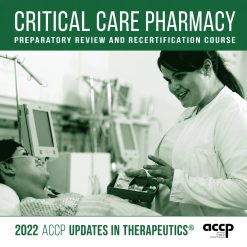
Critical Care - Emergency medicine
2022 UPDATES IN THERAPEUTICS: CRITICAL CARE PHARMACY PREPARATORY REVIEW AND RECERTIFICATION COURSE
Internal Medicine

Critical Care - Emergency medicine

Critical Care - Emergency medicine

Internal Medicine