
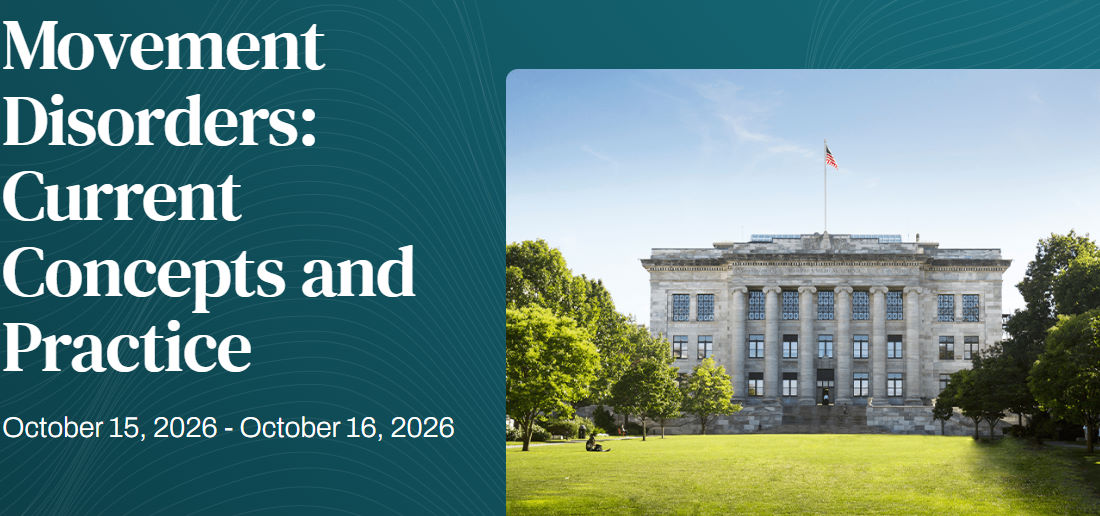
Harvard Movement Disorders Current Concepts And Practice 2026

$70.00
This Product is shared via google drive download link, So please share your correct Gmail id while placing the order .Please note that there are no CME points or certificate associated with this course Samples for Courses Can be found here : Free Samples Here!
Harvard Movement Disorders Current Concepts And Practice 2026
Course Information
- Course Title: Movement Disorders: Current Concepts and Practice 2026
- Institution: Harvard Medical School
- Year: 2026
- Specialty: Neurology, Movement Disorders, Parkinson’s Disease, and Neuropsychiatry
- Educational Approach: Evidence-Based Clinical Education, Expert Presentations, Patient Videos, and Interactive Case Discussions
- Target Audience: Primary Care Physicians, Pharmacists, Specialty Physicians, Physician Assistants, Psychologists, Nurse Practitioners, Nurses, Movement Disorder Fellows, and Other Healthcare Professionals
Course Overview
Harvard Movement Disorders Current Concepts And Practice 2026 is a comprehensive medical education course designed to enhance clinical expertise in the diagnosis, evaluation, and management of common and complex movement disorders.
Led by neurologists from Harvard Medical School, this educational program provides evidence-based clinical updates, expert insights, real patient video demonstrations, and practical treatment strategies for neurological conditions affecting movement and motor control.
The course focuses on Parkinson’s disease, essential tremor, Huntington’s disease, dystonia, myoclonus, tics, chorea, gait disorders, tardive dyskinesia, and drug-induced movement disorders. Special emphasis is placed on recognizing clinical features, improving diagnostic accuracy, identifying atypical presentations, and selecting appropriate management approaches.
Movement disorders can significantly affect patients’ daily functioning and quality of life. Despite their prevalence, conditions such as Parkinson’s disease and essential tremor may be misdiagnosed, while potentially treatable disorders, including dystonia and medication-induced movement abnormalities, can remain unrecognized.
The curriculum integrates targeted history-taking, neurological examination, diagnostic criteria, relevant testing, basal ganglia pathophysiology, pharmacological management, and current clinical practice recommendations.
Additional topics include non-motor manifestations of Parkinson’s disease, cognitive impairment, mood disorders, genetic counseling, deep brain stimulation (DBS), botulinum toxin therapy, and the management of treatment-related complications.
Through interactive video-based case discussions and clinically oriented presentations, the program supports physicians and healthcare professionals seeking to improve patient assessment and treatment decisions across outpatient, inpatient, and emergency settings.
Key Topics Covered
1. Parkinson’s Disease and Atypical Parkinsonism
Review the clinical presentation, diagnostic criteria, and management of Parkinson’s disease, including motor symptoms, non-motor complications, cognitive impairment, mood disorders, and diagnostic red flags associated with atypical parkinsonism.
2. Essential Tremor and Tremor Disorders
Explore clinical examination techniques, differential diagnosis, and treatment considerations for essential tremor and other tremor syndromes, with emphasis on avoiding common diagnostic errors.
3. Huntington’s Disease and Hereditary Movement Disorders
Examine Huntington’s disease, hereditary chorea, and ataxia, including diagnostic criteria, clinical assessment, and principles of genetic counseling.
4. Dystonia, Tics, Myoclonus, and Chorea
Review the clinical characteristics, evaluation, and management of dystonia, tic disorders, myoclonus, chorea, and other movement abnormalities involving the basal ganglia.
5. Gait Disorders and Neurological Examination
Develop practical approaches to gait assessment, targeted history-taking, and neurological examination to distinguish common movement disorders from atypical or secondary neurological conditions.
6. Tardive Dyskinesia and Drug-Induced Movement Disorders
Examine the role of dopamine-blocking medications in tardive dyskinesia and drug-induced parkinsonism, including relevant mechanisms, diagnostic considerations, and management strategies.
7. Pharmacological Treatment and Medication Safety
Review commonly prescribed medications for movement disorders, including pharmacological mechanisms, therapeutic applications, adverse effects, and treatment-related complications.
8. Deep Brain Stimulation (DBS)
Explore patient selection, screening criteria, preoperative evaluation, and postoperative care for individuals undergoing deep brain stimulation.
9. Botulinum Toxin Therapy
Assess potential therapeutic applications of botulinum toxin injections for dystonia, hemifacial spasm, and related neurological conditions.
10. Functional and Psychogenic Movement Disorders
Review examination techniques, history-taking strategies, and clinical findings relevant to the diagnosis of functional or psychogenic movement disorders.
11. Basal Ganglia Anatomy and Pathophysiology
Examine the fundamental anatomy, neural pathways, and pathophysiological mechanisms of the basal ganglia as they relate to abnormal movement and motor control.
12. Patient Videos and Interactive Clinical Cases
Apply clinical knowledge through real patient video demonstrations and interactive case discussions focusing on diagnostic challenges, treatment considerations, and practical neurological decision-making.
Learning Objectives
Upon completion of this course, participants should be able to:
- Evaluate and diagnose movement disorders, such as Parkinson’s disease, Huntington’s disease, dystonia, tremor, myoclonus, tics, gait disturbances, chorea, tardive dyskinesia, and other disorders of the basal ganglia, in different settings (emergency, inpatient, and outpatient).
- Summarize diagnostic criteria and genetic counseling principles necessary for evaluating patients with suspected hereditary chorea or ataxia.
- Describe common non-motor aspects of Parkinson’s disease, including mood disorders and cognitive impairment, and summarize treatment options and best practices.
- Explain a clinical evaluation method for gait disorders as well as diagnostic “red flags” that aid in the diagnosis of atypical parkinsonism.
- Interpret the role of dopamine blockers in disease pathophysiology and management of tardive dyskinesia and drug-induced parkinsonism.
- Describe the pharmacology and side effects of commonly used medications for treatment of various movement disorders.
- Identify relevant components of the basic anatomy and pathophysiology of the basal ganglia as it pertains to movement disorders.
- Identify relevant issues regarding pre-operative evaluation and post-operative care for patients receiving deep brain stimulation.
- Examine physical examination techniques and history taking skills in making the diagnosis of a psychogenic movement disorder.
- Assess potential therapeutic uses of botulinum toxin injections for dystonia, hemifacial spasm, and related disorders.
- Summarize treatment options and considerations in the management of movement disorders.
- Recognize pitfalls in making an erroneous diagnosis in Parkinson’s disease, tremor or dystonia.
- Integrate physical examination techniques into practice to aid in the diagnosis of a movement disorder.
- Discuss patient factors in the screening of candidates for deep brain stimulation.
Target Audience
Harvard Movement Disorders Current Concepts And Practice 2026 is designed for healthcare professionals involved in diagnosing, treating, and managing patients with neurological and movement-related disorders.
Recommended for:
- Primary Care Physicians
- Pharmacists
- Specialty Physicians
- Neurologists and Movement Disorder Specialists
- Psychiatrists
- Physician Assistants
- Psychologists
- Nurse Practitioners
- Nurses
- Movement Disorder Fellows
- Other Healthcare Professionals
Educational Benefits
- Improve diagnostic accuracy for common and uncommon movement disorders.
- Strengthen clinical examination and targeted history-taking skills.
- Recognize Parkinson’s disease, essential tremor, dystonia, and atypical movement disorders.
- Review neurological red flags and reduce the risk of misdiagnosis.
- Understand non-motor symptoms and treatment complications in Parkinson’s disease.
- Apply evidence-based pharmacological and nonpharmacological treatment strategies.
- Review genetic counseling considerations for hereditary movement disorders.
- Understand deep brain stimulation candidate selection and perioperative care.
- Explore botulinum toxin applications in neurological practice.
- Learn from real patient videos and interactive clinical case discussions.
Product Description
Harvard Movement Disorders Current Concepts And Practice 2026 provides a comprehensive educational review of movement disorder diagnosis, neurological examination, pathophysiology, and evidence-based management.
The course covers Parkinson’s disease, essential tremor, Huntington’s disease, dystonia, chorea, myoclonus, tics, gait abnormalities, tardive dyskinesia, and medication-induced movement disorders.
Additional educational content addresses basal ganglia anatomy, non-motor Parkinson’s symptoms, pharmacological therapies, genetic counseling, deep brain stimulation, botulinum toxin injections, and functional movement disorders.
Featuring expert-led presentations, real patient videos, and interactive clinical cases, this Harvard Medical School course is designed to help physicians and other healthcare professionals strengthen diagnostic reasoning, recognize complex neurological presentations, and improve clinical management strategies.
Product Summary
- Course: Movement Disorders: Current Concepts and Practice
- Institution: Harvard Medical School
- Year: 2026
- Clinical Focus: Neurology, Movement Disorders, and Parkinson’s Disease
- Major Conditions: Parkinson’s Disease, Essential Tremor, Huntington’s Disease, Dystonia, Myoclonus, Tics, Chorea, and Gait Disorders
- Diagnostic Topics: Neurological Examination, Atypical Parkinsonism, Genetic Evaluation, and Basal Ganglia Pathophysiology
- Treatment Topics: Pharmacological Management, Deep Brain Stimulation, Botulinum Toxin, and Medication-Related Movement Disorders
- Educational Features: Expert Presentations, Real Patient Videos, and Interactive Case Discussions
- Ideal For: Neurologists, Primary Care Physicians, Psychiatrists, Movement Disorder Fellows, Pharmacists, Physician Assistants, Psychologists, and Nursing Professionals
Short Description
Harvard Movement Disorders Current Concepts And Practice 2026 is a comprehensive medical education course led by Harvard Medical School neurologists, focusing on the diagnosis, evaluation, and evidence-based treatment of common and complex movement disorders.
The curriculum covers Parkinson’s disease, essential tremor, Huntington’s disease, dystonia, chorea, myoclonus, tics, gait abnormalities, tardive dyskinesia, and drug-induced movement disorders, alongside neurological examination techniques and diagnostic challenges.
Additional topics include deep brain stimulation (DBS), botulinum toxin therapy, basal ganglia pathophysiology, non-motor Parkinson’s symptoms, pharmacological management, and genetic counseling. Featuring real patient videos and interactive clinical discussions, the course is designed for neurologists, primary care physicians, psychiatrists, movement disorder fellows, and other healthcare professionals.
Related products
Critical Care - Emergency medicine
Critical Care - Emergency medicine
2022 UPDATES IN THERAPEUTICS: CRITICAL CARE PHARMACY PREPARATORY REVIEW AND RECERTIFICATION COURSE
Critical Care - Emergency medicine

Critical Care - Emergency medicine

Internal Medicine

Internal Medicine