
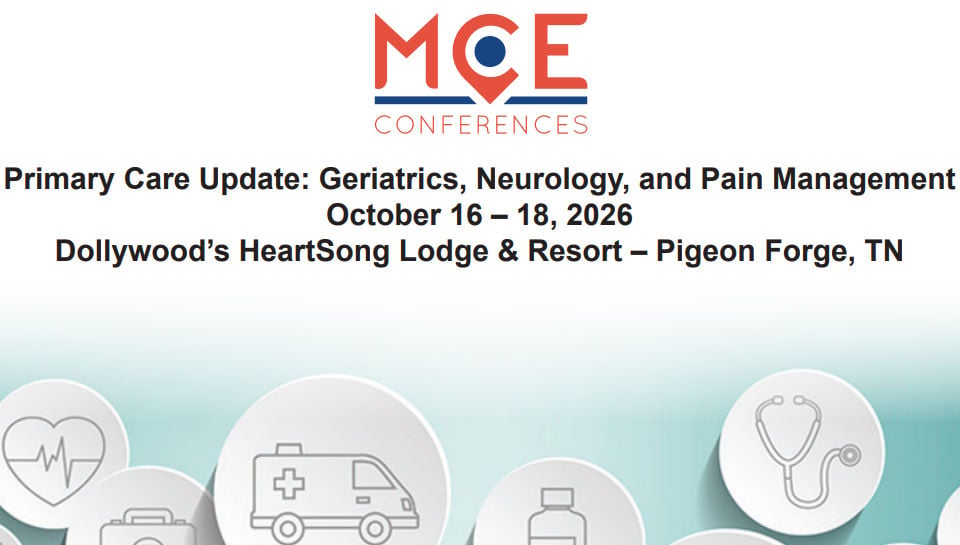
MCE Conferences Primary Care Update Geriatrics, Neurology, and Pain Management October 16 – 18, 2026


$125.00
This Product is shared via google drive download link, So please share your correct Gmail id while placing the order .Please note that there are no CME points or certificate associated with this course Samples for Courses Can be found here : Free Samples Here!
MCE Conferences Primary Care Update: Geriatrics, Neurology, and Pain Management – October 16–18, 2026
Conference Information
- Conference Title: Primary Care Update: Geriatrics, Neurology, and Pain Management
- Organizer: MCE Conferences
- Dates: October 16–18, 2026
- Location: Dollywood’s HeartSong Lodge & Resort, Pigeon Forge, Tennessee, USA
- Attendance Format: On-Site and Livestream
- Specialties: Primary Care, Family Medicine, Internal Medicine, Geriatrics, Neurology, and Pain Management
Presenting Faculty Speakers:
- Robert Bolash, MD – Associate Professor of Anesthesiology, Department of Pain Medicine; Medical Director, Utilization Management, Cedars-Sinai Medical Center.
- Jessica L. Zwerling, MD, MS, FAAN – Professor of Neurology & Psychiatry, Albert Einstein College of Medicine.
Conference Overview
The MCE Conferences Primary Care Update: Geriatrics, Neurology, and Pain Management 2026 provides a focused medical education program addressing important clinical challenges encountered in primary care, particularly those involving older adults, neurological conditions, and chronic pain management.
Held October 16–18, 2026, at Dollywood’s HeartSong Lodge & Resort in Pigeon Forge, Tennessee, with on-site and livestream attendance options, this conference brings together educational perspectives from neurology, psychiatry, anesthesiology, and pain medicine.
The program emphasizes practical, evidence-informed approaches to spine-related pain, chronic pain treatment, opioid management, headache evaluation, cognitive decline, and neurological assessment. Participants explore diagnostic strategies, appropriate testing, and individualized treatment decisions relevant to outpatient and primary care practice.
Particular attention is given to improving physical examination skills, selecting appropriate pharmacologic and non-pharmacologic treatments, recognizing neurological warning signs, and evaluating cognitive symptoms in aging patients.
Through clinically focused learning objectives, the conference supports healthcare professionals seeking to strengthen diagnostic accuracy, optimize treatment decisions, and improve patient-centered care across geriatrics, neurology, and pain medicine.
Key Topics Covered
1. Spine-Related Pain Assessment
Review physical examination techniques used to evaluate patients presenting with spinal pain and related musculoskeletal complaints. The educational focus includes strengthening clinical assessment and identifying findings that help guide further evaluation and management.
2. Chronic Pain and Multimodal Management
Explore the roles of pharmacologic, non-pharmacologic, and interventional approaches in treating common chronic pain conditions. The conference emphasizes individualized management strategies based on patient needs and clinical circumstances.
3. Opioid Tapering and Medication Management
Examine best practices for opioid tapering, medication rotation, and the safe use of adjunctive analgesics. This topic addresses important prescribing considerations and strategies for managing patients receiving long-term pain treatment.
4. Headache Evaluation and Neurological Red Flags
Review clinical approaches to headache assessment, with particular attention to recognizing red flags associated with secondary headaches and determining when additional diagnostic evaluation may be appropriate.
5. Cognitive Decline and Geriatric Neurology
Explore targeted history-taking techniques for identifying possible cognitive impairment, including approaches to screening patients presenting with memory or cognitive concerns.
6. Laboratory Testing and Neuroimaging
Examine the appropriate selection and timing of laboratory investigations and neuroimaging when evaluating cognitive decline. The emphasis is on supporting informed diagnostic decisions and avoiding unnecessary testing.
7. Integrated Primary Care Management
Connect the conference’s major themes to everyday primary care, including the assessment of older adults with neurological symptoms, chronic pain, or overlapping medical conditions requiring coordinated clinical care.
Learning Objectives
At the conclusion of this activity, participants will be able to:
- Improve physical examination techniques for evaluating spine-related pain conditions.
- Apply best practices for opioid tapering, medication rotation, and the safe use of adjunctive analgesics in patients with chronic pain.
- Differentiate the role of pharmacologic, non-pharmacologic, and interventional therapies in the management of common chronic pain conditions.
- Recognize red flags associated with secondary headaches.
- Determine the appropriate selection and timing of laboratory tests and neuroimaging for cognitive decline.
- Apply targeted history-taking techniques to screen for cognitive decline.
Target Audience
This activity is designed for primary care physicians, family medicine physicians, internists, and other healthcare professionals seeking clinical updates in geriatrics, neurology, and pain management.
Recommended for:
- Primary Care Physicians
- Family Physicians
- Internists
- Geriatricians
- Neurologists
- Geriatric Neurologists
- Pain Management Specialists
- Anesthesiologists
- Psychiatrists
- Addiction Medicine Specialists
- Rheumatologists
- Physical Medicine and Rehabilitation (PM&R) Specialists (Physiatrists)
Educational Benefits
- Strengthen physical examination skills for spine-related pain.
- Review evidence-informed approaches to chronic pain management.
- Improve understanding of opioid tapering and medication rotation.
- Compare pharmacologic, non-pharmacologic, and interventional pain therapies.
- Identify warning signs associated with secondary headaches.
- Develop more effective cognitive decline screening strategies.
- Review appropriate laboratory testing and neuroimaging decisions.
- Enhance clinical decision-making for older adults with neurological and pain-related conditions.
- Apply relevant diagnostic and treatment principles to primary care practice.
Product Description
The MCE Conferences Primary Care Update: Geriatrics, Neurology, and Pain Management October 16–18, 2026 is a focused medical education conference covering essential diagnostic and therapeutic considerations in primary care, geriatric medicine, neurology, and chronic pain management.
Featuring Robert Bolash, MD, and Jessica L. Zwerling, MD, MS, FAAN, the program addresses spine-related pain assessment, opioid tapering, medication rotation, multimodal pain therapies, headache red flags, cognitive decline screening, and appropriate diagnostic testing.
Designed for primary care physicians, family physicians, internists, geriatricians, neurologists, pain specialists, and related healthcare professionals, the conference emphasizes practical clinical knowledge and patient-centered decision-making.
Product Summary
- Conference: Primary Care Update: Geriatrics, Neurology, and Pain Management
- Organizer: MCE Conferences
- Dates: October 16–18, 2026
- Location: Pigeon Forge, Tennessee, USA
- Conference Format: On-Site and Livestream
- Faculty: Robert Bolash, MD; Jessica L. Zwerling, MD, MS, FAAN
- Clinical Focus: Geriatrics, Neurology, Primary Care, and Pain Management
- Key Topics: Spine Pain, Chronic Pain Treatment, Opioid Management, Headache Assessment, Cognitive Decline, Laboratory Testing, and Neuroimaging
- Ideal For: Primary Care Physicians, Family Physicians, Internists, Geriatricians, Neurologists, and Pain Management Specialists
Short Description
MCE Conferences Primary Care Update: Geriatrics, Neurology, and Pain Management 2026 is a clinically focused medical education conference held October 16–18, 2026, at Dollywood’s HeartSong Lodge & Resort in Pigeon Forge, Tennessee, with on-site and livestream attendance options.
Featuring Robert Bolash, MD, and Jessica L. Zwerling, MD, MS, FAAN, the program covers spine-related pain assessment, chronic pain treatment, opioid tapering, medication rotation, headache red flags, cognitive decline screening, and appropriate laboratory testing and neuroimaging.
Designed for primary care physicians, family physicians, internists, geriatricians, neurologists, anesthesiologists, and pain management specialists, the conference emphasizes practical diagnostic strategies and evidence-informed approaches to improving patient care.
Topics
Friday, October 16, 2026
-
7:15 AM: On-Site and Livestream Check-In Opens
-
7:15 AM – 8:45 AM: Breakfast Provided for Registered Participants
-
7:30 AM – 8:30 AM | 1 – Evaluating Cognitive Impairment: History, Exam & Telemedicine — Dr. Jessica L. Zwerling
-
Objectives: 1) Discuss targeted questions in history taking in patients with suspected cognitive decline 2) Review the elements of a mental status examination and relevant supporting elements of the neurological exam 3) Highlight the utility of telemedicine in the evaluation of patients with cognitive impairment
-
-
8:30 AM – 8:35 AM: BREAK
-
8:35 AM – 9:35 AM | 2 – Cognitive Assessment in Older Adults: Screening, Diagnosis & System-Based Care — Dr. Jessica L. Zwerling
-
Objectives: 1) Review important necessary labs and imaging 2) Identify patterns of cognitive impairment 3) Discuss system improvements for older adults, such as age-friendly, annual wellness visit, and social determinants of health screening
-
-
9:35 AM – 9:45 AM: BREAK
-
9:45 AM – 10:45 AM | 3 – Assessment and Treatment of Low Back Pain — Dr. Robert Bolash
-
Objectives: 1) Discuss how multiple structures in the lumbar spine may serve as pain generators, including the disc, facet joint, myofascial, and ligamentous structures 2) Review, demonstrate, and practice basic physical exam techniques used for assessing spine-related pain conditions 3) Differentiate lumbar radiculopathy signs and symptoms from other causes of low back pain, including facet-mediated, soft tissue, and sacroiliac joint pain
-
-
10:45 AM – 10:50 AM: BREAK
-
10:50 AM – 11:50 AM | 4 – Approach to Neuropathic Pain — Dr. Robert Bolash
-
Objectives: 1) Discuss the heterogeneous neuropathic pain conditions 2) Select amongst treatments best suited for the management of neuropathic pain 3) Identify diagnoses optimally suited for multidisciplinary management modalities for acute and chronic neuropathic pain diagnoses
-
Saturday, October 17, 2026
-
7:15 AM: Livestream Check-In Opens
-
7:15 AM – 8:45 AM: Breakfast Provided for Registered Participants
-
7:30 AM – 8:30 AM | 5 – Overview of Opioid Pharmacology, Assessment, and Management — Dr. Robert Bolash
-
Objectives: 1) Highlight pharmacologic differences between various opioids used for chronic pain management 2) Describe risk factors that may help to predict problematic opioid use, including addiction and misuse 3) Review validated screening tools used to help identify possible aberrant behaviors related to long-term opioid use 4) Review and utilize Patient Provider Agreements (PPAs) and Prescription Drug Monitoring Programs (PDMPs), as a means of improved monitoring of patients using opioid products
-
-
8:30 AM – 8:35 AM: BREAK
-
8:35 AM – 9:35 AM | 6 – Rational Polypharmacy for Chronic Pain Management — Dr. Robert Bolash
-
Objectives: 1) Apply new pathophysiologic understanding to treating pain 2) Determine mechanisms of action for the various muscle relaxers and anticonvulsants commonly used to treat various chronic pain states 3) Highlight case examples to better understand titration and adjustment of adjuvant analgesics
-
-
9:35 AM – 9:45 AM: BREAK
-
9:45 AM – 10:45 AM | 7 – Healthy Aging and Geriatric Syndromes: An Evidence-Based Approach — Dr. Jessica L. Zwerling
-
Objectives: 1) Develop a deeper understanding of differential diagnostic strategies 2) Recognize geriatric syndromes as well as cognitive impairment using evidence-based pathways
-
-
10:45 AM – 10:50 AM: BREAK
-
10:50 AM – 11:50 AM | 8 – All Dementia is NOT Created Equal: Atypical Dementia Presentations — Dr. Jessica L. Zwerling
-
Objectives: 1) Recognize common risk factors for dementia 2) Determine the causes of atypical dementia 3) Identify sub-phenotyping and classification of dementia 4) Frame several treatment decisions around case-based scenarios
-
Sunday, October 18, 2026
-
7:15 AM: Livestream Check-In Opens
-
7:15 AM – 8:45 AM: Breakfast Provided for Registered Participants
-
7:30 AM – 8:30 AM | 9 – Sometimes it is the Zebra You Are Hearing: Stroke Basics and Stroke Mimickers — Dr. Jessica L. Zwerling
-
Objectives: 1) Recognize common stroke syndromes and review imaging 2) Review the neurological examination of paroxysmal disorders that can mimic stroke 3) Highlight the red flags associated with secondary headaches 4) Explore secondary headache syndromes and how to improve your history taking in the primary care visit
-
-
8:30 AM – 8:35 AM: BREAK
-
8:35 AM – 9:35 AM | 10 – Too Much of a Good Thing or Not Enough? Vitamin Deficiencies and Excess — Dr. Jessica L. Zwerling
-
Objectives: 1) Review the neurological manifestations of vitamin deficiencies 2) Recognize case-based scenarios of vitamin excess or deficiency 3) Discuss the pathophysiological pathways of vitamin excess and deficiency 4) Review laboratory and imaging data clues to these disorders
-
-
9:35 AM – 9:45 AM: BREAK
-
9:45 AM – 10:45 AM | 11 – Individualized Pain Treatments Demystified — Dr. Robert Bolash
-
Objectives: 1) Review best practices for opioid tapering, medication rotation, and the safe use of adjunctive analgesics in patients with chronic pain 2) Differentiate the role of pharmacologic, non-pharmacologic, and interventional therapies in the management of common chronic pain conditions 3) Apply evidence-based treatment strategies to case-based pain management scenarios involving fibromyalgia, osteoarthritis, neuropathic pain, and complex chronic pain syndromes
-
-
10:45 AM – 10:50 AM: BREAK
-
10:50 AM – 11:50 AM | 12 – Approaching Difficult Conversations about Chronic Pain — Dr. Robert Bolash
-
Objectives: 1) Discuss the best approach in addressing the patient who is resistant to change 2) Describe a strategy for treating patients with anxiety around pain therapy 3) Characterize patients with clear addiction 4) Manage patients who are angry or upset in the office 5) Discuss the approach to patients who have lost self-control
-
Related products

Internal Medicine

Internal Medicine
Critical Care - Emergency medicine

Critical Care - Emergency medicine
Family medicine
Medical Accounts

Pediatrics