
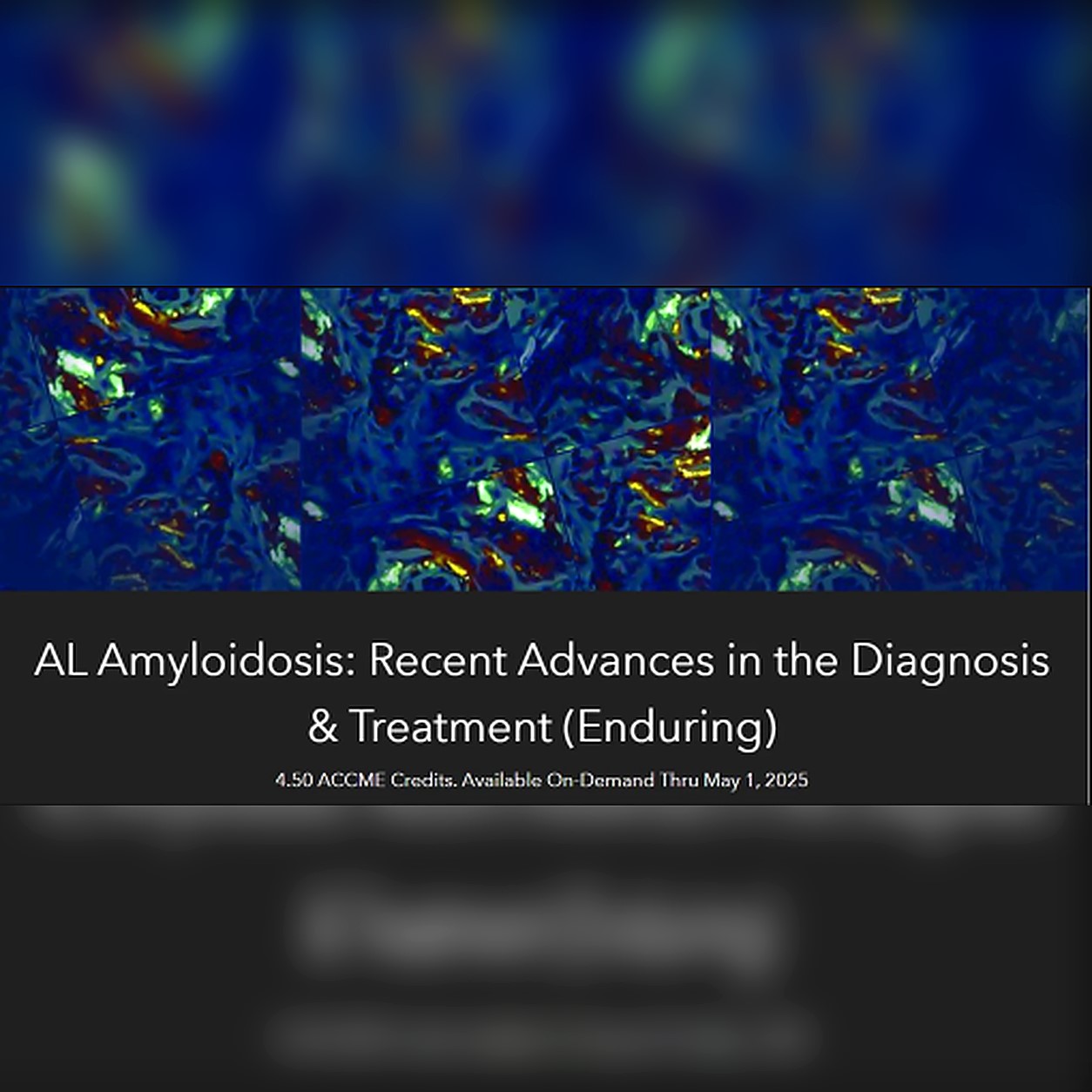
AL Amyloidosis – Recent Advances In The Diagnosis & Treatment 2024 (Videos)

Original price was: $225.00.$30.00Current price is: $30.00.
This Product is shared via google drive download link, So please share your correct Gmail id while placing the order .Please note that there are no CME points or certificate associated with this course Samples for Courses Can be found here : Free Samples Here!
7 MP4 + 11 PDF Files 2.65 GB
AL Amyloidosis – Recent Advances in the Diagnosis & Treatment 2024 (Videos)
Advanced Clinical Update on Systemic AL Amyloidosis Diagnosis, Risk Stratification & Modern Therapies
The AL Amyloidosis – Recent Advances in the Diagnosis & Treatment 2024 program, presented by Columbia University Irving Medical Center, provides a comprehensive and up-to-date review of the rapidly evolving field of systemic light-chain (AL) amyloidosis. Through expert-led lectures and case-based discussions, internationally recognized specialists explore the latest advances in diagnosis, risk stratification, organ-specific management, and emerging treatment strategies for this complex plasma cell disorder.
Designed to address challenging real-world clinical scenarios, the program focuses on improving early recognition of AL amyloidosis, optimizing patient outcomes through multidisciplinary care, and incorporating novel therapeutic approaches into routine practice. Participants gain practical insights into the management of newly diagnosed, relapsed, and refractory disease, as well as the treatment of cardiac, renal, neurologic, and gastrointestinal manifestations.
This educational activity delivers cutting-edge information that can be directly integrated into clinical practice, helping clinicians navigate one of the most challenging diseases in hematology and cardiovascular medicine.
Product Details
Course: AL Amyloidosis – Recent Advances in the Diagnosis & Treatment
Edition: 2024
Format: Video Lectures
Provider: Columbia University Irving Medical Center
Access: On-Demand
Language: English
Course Overview
Systemic AL amyloidosis is a rare but potentially life-threatening disorder caused by the deposition of misfolded immunoglobulin light chains in vital organs. Delayed diagnosis remains common because clinical manifestations can mimic more prevalent cardiovascular, renal, neurologic, and gastrointestinal diseases.
This educational program provides a comprehensive review of:
- AL amyloidosis pathophysiology
- Early diagnosis and screening
- Risk stratification models
- Cardiac amyloidosis evaluation
- Renal amyloidosis management
- Neurologic complications
- Gastrointestinal involvement
- Contemporary treatment strategies
- Relapsed and refractory disease
- Salvage therapies
- Emerging investigational approaches
Through practical case presentations and expert discussions, participants learn evidence-based approaches to improving diagnosis, treatment selection, and long-term patient outcomes.
Learning Objectives
Upon completion of this activity, participants should be able to:
- Recognize the clinical presentation of systemic AL amyloidosis.
- Apply modern diagnostic techniques for early disease detection.
- Utilize risk stratification tools in newly diagnosed patients.
- Develop individualized treatment plans for systemic AL amyloidosis.
- Manage organ-specific complications including cardiac, renal, neurologic, and gastrointestinal involvement.
- Evaluate treatment options for relapsed and refractory disease.
- Discuss emerging therapies and future directions in AL amyloidosis care.
- Integrate multidisciplinary management strategies into clinical practice.
Major Topics Covered
🧬 Pathophysiology of AL Amyloidosis
Comprehensive review of:
- Plasma cell dyscrasias
- Light-chain production
- Amyloid fibril formation
Clinical Focus
- Disease mechanisms
- Organ toxicity
🔍 Early Diagnosis & Clinical Recognition
Coverage includes:
- Common presenting symptoms
- Diagnostic challenges
- Red flag clinical findings
Goal
Promoting earlier diagnosis and intervention.
📊 Risk Stratification
Discussion of:
- Prognostic scoring systems
- Cardiac biomarkers
- Disease staging
Applications
- Treatment planning
- Outcome prediction
❤️ Cardiac Amyloidosis
Detailed review of:
- Amyloid cardiomyopathy
- Heart failure manifestations
- Arrhythmias
Topics Include
- Echocardiography
- Cardiac MRI
- Biomarker assessment
🩺 Renal Amyloidosis
Coverage includes:
- Proteinuria
- Nephrotic syndrome
- Renal dysfunction
Clinical Importance
Preserving kidney function and improving outcomes.
🧠 Neurologic & Autonomic Involvement
Discussion of:
- Peripheral neuropathy
- Autonomic dysfunction
- Orthostatic hypotension
Clinical Focus
- Symptom management
- Quality of life improvement
🍽️ Gastrointestinal Amyloidosis
Review of:
- GI manifestations
- Malabsorption
- Motility disorders
Applications
- Diagnosis
- Supportive management
💊 Management of Newly Diagnosed AL Amyloidosis
Coverage includes:
- First-line treatment strategies
- Plasma cell-directed therapies
- Response assessment
Goal
Achieving rapid hematologic response and organ preservation.
🔄 Relapsed & Refractory Disease
Discussion of:
- Disease recurrence
- Treatment resistance
- Salvage therapies
Topics Include
- Novel therapeutic options
- Clinical decision-making
🚀 Emerging Therapies & Future Directions
Review of:
- Investigational agents
- Targeted therapies
- Clinical trials
Clinical Relevance
Preparing clinicians for future treatment advances.
🩸 Multidisciplinary Patient Management
Coverage includes:
- Hematology
- Cardiology
- Nephrology
- Neurology
- Gastroenterology
Benefit
Comprehensive, patient-centered care.
Educational Features
🎥 Expert Faculty Lectures
Presented by leading amyloidosis specialists from Columbia University and collaborating institutions.
📋 Case-Based Learning
Real-world clinical cases illustrating diagnostic and therapeutic challenges.
🩺 Practical Clinical Guidance
Evidence-based strategies applicable to everyday patient care.
🔬 Cutting-Edge Updates
Coverage of the latest research and emerging therapies.
Who Should Attend
This course is ideal for:
Physicians
- Hematologists
- Oncologists
- Cardiologists
- Internists
- Nephrologists
- Neurologists
- Gastroenterologists
Advanced Practice Providers
- Nurse Practitioners
- Physician Assistants
Trainees
- Fellows
- Residents
- Medical Students
Allied Health Professionals
- Healthcare providers involved in amyloidosis care
Why This Course Is Valuable
✔ Comprehensive AL Amyloidosis Review
✔ Cardiac Amyloidosis Updates
✔ Risk Stratification Strategies
✔ Organ-Specific Management
✔ Renal & Neurologic Complications
✔ Gastrointestinal Manifestations
✔ Contemporary Treatment Approaches
✔ Relapsed & Refractory Disease Management
✔ Emerging Therapies & Clinical Trials
✔ Case-Based Learning
✔ Multidisciplinary Care Strategies
✔ Evidence-Based Clinical Practice
Clinical & Educational Value
The AL Amyloidosis – Recent Advances in the Diagnosis & Treatment 2024 program provides clinicians with a comprehensive update on the diagnosis, risk stratification, and management of systemic AL amyloidosis. Combining expert lectures with practical case discussions, the course equips healthcare professionals with the knowledge needed to improve early detection, optimize treatment selection, and enhance outcomes for patients affected by this complex multisystem disease.
Related products

Critical Care - Emergency medicine

Medical Accounts

Internal Medicine
Critical Care - Emergency medicine
2022 UPDATES IN THERAPEUTICS: CRITICAL CARE PHARMACY PREPARATORY REVIEW AND RECERTIFICATION COURSE
Critical Care - Emergency medicine

Critical Care - Emergency medicine
Internal Medicine
Internal Medicine