
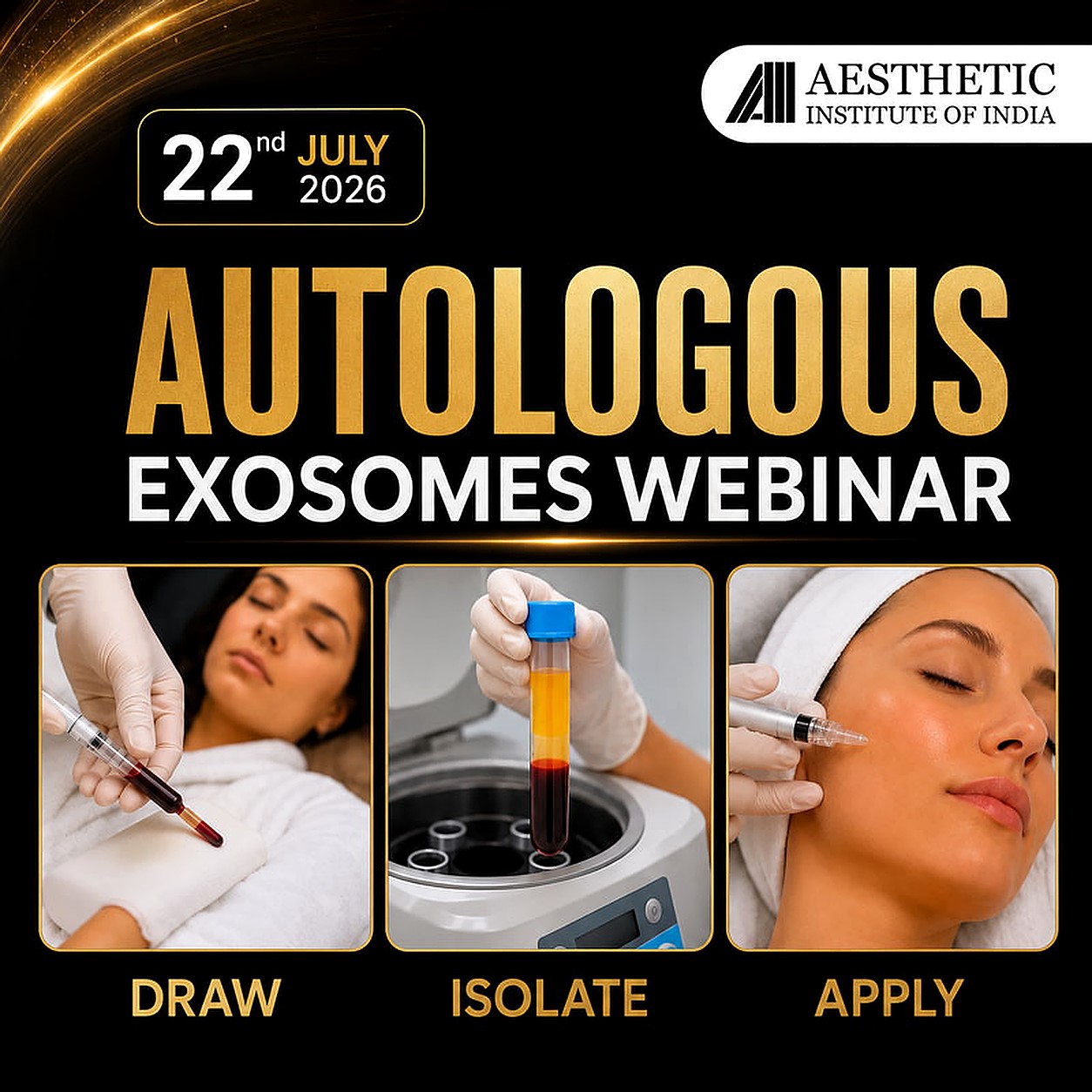
2026 Dr Mridu Miglani’s zoom meet AUTOLOGOUS EXOSOMES
$70.00
This Product is shared via google drive download link, So please share your correct Gmail id while placing the order .Please note that there are no CME points or certificate associated with this course Samples for Courses Can be found here : Free Samples Here!
EXPRESS DISCOVER PayPal
Dr. Mridu Miglani’s Autologous Exosomes Zoom Meet 2026
Regenerative Aesthetics for Skin & Hair
Explore one of the rapidly developing areas of regenerative aesthetic medicine with Dr. Mridu Miglani’s Autologous Exosomes Zoom Meet 2026.
This specialized educational program introduces physicians to the scientific concepts surrounding exosomes and extracellular vesicles, with particular attention to the proposed use of autologous approaches in skin rejuvenation, hair-related treatments, and combination aesthetic procedures.
The course approaches the subject from both scientific and practical perspectives, helping clinicians distinguish between:
Biologic Principles → Available Evidence → Product / Source Differences → Patient Selection → Treatment Planning → Safety → Regulatory Limitations
Rather than presenting exosome therapy as an established universal treatment, the program emphasizes the importance of understanding the biological source, preparation system, quality controls, treatment goals, available evidence, and applicable regulations before considering any clinical application.
Course Details
- Course: Dr. Mridu Miglani’s Zoom Meet: Autologous Exosomes
- Year: 2026
- Instructor: Dr. Mridu Miglani
- Primary Specialty: Dermatology / Aesthetic Medicine
- Additional Focus: Regenerative Medicine / Facial Aesthetics / Hair Restoration
- Topic: Autologous Exosomes
- Delivery: Google Drive
- Language: English
- CME Points: Not Included
- Certificate: Not Included
About the Instructor
Dr. Mridu Miglani
Dr. Mridu Miglani is an educator and practitioner involved in facial aesthetics, cosmetic procedures, skin and hair treatments, and physician education.
She is associated with the Aesthetic Institute of India and has experience teaching physicians about aesthetic and non-surgical rejuvenation techniques.
This course focuses specifically on the emerging topic of autologous exosomes and how clinicians can critically evaluate the science, potential applications, product characteristics, and limitations surrounding this field.
Course Overview
Regenerative aesthetic medicine has expanded rapidly during the past decade.
Clinicians now encounter terms such as:
- Exosomes
- Extracellular vesicles
- Growth factors
- PRP
- Autologous preparations
- Regenerative biologics
- Cell-derived products
- Secretome-based therapies
However, these terms are sometimes used inconsistently in commercial marketing.
The purpose of this program is to help physicians understand what exosomes actually are and why:
The Source, Processing Method, Characterization, Sterility, Storage, and Regulatory Status Matter
when evaluating any product or procedure marketed as an exosome-based treatment.
What Are Exosomes?
Exosomes are small extracellular vesicles involved in communication between cells.
They may contain biologically active components such as:
- Proteins
- Lipids
- Nucleic acids
- Regulatory molecules
Their composition can vary considerably depending on:
- Cell type
- Biological source
- Collection method
- Processing technique
- Isolation method
- Storage conditions
This variability is one reason why the word:
“Exosomes”
alone does not adequately describe the biological characteristics or quality of a specific preparation.
Extracellular Vesicles & Cellular Communication
Cells communicate through multiple mechanisms.
Extracellular vesicles represent one mechanism through which biological information can be transferred between cells.
Research is investigating their potential relevance to:
- Tissue signaling
- Repair processes
- Inflammation
- Regeneration
- Skin biology
- Hair-follicle biology
However, translating these biological observations into standardized clinical treatments remains an evolving field.
What Does Autologous Mean?
Autologous means that the biological source originates from the same individual who is intended to receive the resulting preparation.
This differs conceptually from:
Autologous
Material derived from the patient.
Allogeneic
Material derived from another human donor.
Other Commercial Sources
Products may also be marketed from different cellular or biological sources.
The origin of the material is therefore an important consideration when evaluating any regenerative product.
Autologous Exosome Concepts
The course explores the concept of obtaining biological material from the patient and processing it using an appropriate system designed to generate or isolate a regenerative preparation.
However, clinicians should recognize that:
- Processing systems differ
- Isolation methods differ
- Characterization standards differ
- Final concentrations may differ
- Regulatory classification may differ
- Evidence for different methods may not be equivalent
Therefore:
One “Autologous Exosome” System Should Not Automatically Be Assumed Equivalent to Another
Autologous vs. Non-Autologous Exosomes
The webinar reviews differences between autologous and non-autologous approaches.
Important considerations may include:
- Biological source
- Donor relationship
- Product characterization
- Processing
- Contamination risk
- Storage
- Traceability
- Immune considerations
- Regulatory requirements
- Available clinical evidence
Clinicians should evaluate the actual product and methodology rather than relying only on terminology.
Exosome Sources
Different products marketed within the exosome field may originate from different biological sources.
Understanding source differences is important because source material can influence:
- Molecular content
- Biological activity
- Manufacturing requirements
- Quality assurance
- Potential safety concerns
- Regulatory classification
The course helps physicians develop a more analytical approach to evaluating claims surrounding different exosome sources.
Skin Rejuvenation Applications
Exosome-based treatments have attracted considerable interest within skin rejuvenation and regenerative aesthetics.
Research is exploring potential roles related to:
- Skin quality
- Tissue repair
- Skin texture
- Photodamage
- Recovery following selected procedures
- Age-related skin changes
However, clinical evidence varies according to the specific product, processing method, delivery method, and study design.
Patient Assessment for Skin Rejuvenation
Before considering an emerging regenerative treatment, clinicians should first evaluate the underlying aesthetic problem.
Important factors can include:
- Skin quality
- Skin thickness
- Texture
- Photodamage
- Pigmentation
- Superficial lines
- Previous treatments
- Medical history
- Healing capacity
- Patient goals
The fundamental principle remains:
Treat the Diagnosis, Not the Trend
Regenerative Skin Treatment Planning
Aesthetic treatment should begin by identifying the primary problem.
For example:
Texture / Surface Changes
May require skin-directed treatment.
Pigmentation
Requires appropriate pigment diagnosis and treatment.
Volume Loss
May require structural or volumetric correction rather than a regenerative product alone.
Significant Laxity
May require energy-based or surgical approaches depending on severity.
Mixed Aging
May require a combination treatment plan.
Exosomes should therefore be considered within a broader aesthetic strategy rather than as a universal solution to every form of skin aging.
Hair & Scalp Applications
Exosome therapy has also attracted research interest in the field of hair restoration.
Potential areas being investigated include:
- Hair-follicle signaling
- Scalp regenerative treatments
- Selected forms of hair loss
- Combination approaches
However, hair loss has many different causes.
Evaluating Hair Loss Before Treatment
Before considering any regenerative treatment, clinicians should establish the likely diagnosis.
Potential causes of hair loss can include:
- Androgenetic alopecia
- Telogen effluvium
- Alopecia areata
- Scarring alopecia
- Nutritional deficiency
- Thyroid disease
- Hormonal disorders
- Medication effects
- Inflammatory scalp disease
- Other systemic conditions
A regenerative procedure should not substitute for appropriate diagnosis.
Hair Treatment Planning
A logical approach is:
Identify Hair-Loss Pattern → Determine Cause → Assess Scalp → Review Previous Therapy → Select Evidence-Based Treatment → Consider Adjunctive Options
This helps prevent the use of expensive emerging treatments when a more established therapy is indicated.
Patient Selection
Appropriate patient selection is one of the most important components of regenerative aesthetic treatment.
The course discusses factors such as:
- Diagnosis
- Treatment goals
- Age
- General health
- Previous procedures
- Medication use
- Active skin or scalp disease
- Infection
- Wound-healing history
- Concurrent treatments
- Patient expectations
- Ability to attend follow-up
Managing Patient Expectations
Emerging aesthetic treatments can sometimes be marketed using exaggerated claims.
Clinicians should explain:
- What is known
- What is uncertain
- What outcomes are realistic
- How many treatments may be required
- Whether results are temporary
- What alternative therapies exist
- Which potential risks remain uncertain
Good expectation management is an important part of ethical aesthetic practice.
Exosome Product Evaluation
A physician evaluating an exosome-related product should ask more than:
“How many exosomes does it contain?”
Important questions can include:
- What is the biological source?
- How was the material obtained?
- How was it processed?
- How was it characterized?
- What quality-control testing was performed?
- How is sterility assessed?
- How is it transported?
- How is it stored?
- What evidence exists for this exact product?
- What route of application is authorized?
- What regulatory requirements apply?
Product Quality & Traceability
Regenerative products may vary considerably.
Important quality considerations include:
- Traceability
- Manufacturing environment
- Sterility
- Storage conditions
- Batch consistency
- Product characterization
- Contamination control
- Documentation
Clinical decision-making should therefore be product-specific.
Preparation & Processing Principles
The webinar introduces principles surrounding autologous material preparation and processing.
The exact workflow depends on:
- The biological material
- The commercial or laboratory system
- Manufacturer instructions
- Regulatory requirements
- Local clinical standards
This educational content should not be interpreted as authorization to manufacture or administer a biological product outside applicable professional and regulatory requirements.
Treatment Protocol Design
Rather than applying the same protocol to every patient, treatment design should consider:
- Diagnosis
- Anatomic area
- Severity
- Treatment goal
- Previous procedures
- Skin/scalp condition
- Other simultaneous treatments
- Recovery considerations
- Product-specific instructions
- Regulatory limitations
A rational protocol should therefore be:
Patient-Specific + Product-Specific + Evidence-Informed
Delivery & Application Concepts
Different studies and commercial protocols may use different methods of delivering regenerative products.
The clinical implications may depend on:
- Treatment site
- Barrier disruption
- Delivery technique
- Procedure intensity
- Product characteristics
- Regulatory authorization
No delivery method should automatically be assumed safe or effective simply because it is used in aesthetic medicine.
Combination Treatments
Regenerative approaches may be discussed alongside other aesthetic treatments.
Potential combination modalities can include:
- Microneedling
- Laser treatments
- Energy-based procedures
- Radiofrequency microneedling
- PRP
- Skin resurfacing
- Selected skincare protocols
- Hair-restoration treatments
Combination Therapy: More Is Not Always Better
Combining multiple treatments does not automatically improve outcomes.
Clinicians should consider:
- Treatment mechanism
- Inflammation
- Healing time
- Procedure sequencing
- Skin-barrier disruption
- Potential interactions
- Cumulative adverse-event risk
The appropriate question is:
Why Are These Treatments Being Combined?
rather than:
How Many Procedures Can Be Performed Together?
Exosomes & Microneedling
Microneedling is frequently discussed alongside regenerative treatments because it produces controlled skin injury and is commonly used in skin rejuvenation.
When considering combination treatment, physicians should evaluate:
- Indication
- Skin condition
- Device parameters
- Sterility
- Product authorization
- Recovery
- Potential complications
Exosomes & Energy-Based Devices
Potential combination approaches may also involve:
- Lasers
- Radiofrequency
- RF microneedling
- Other energy-based systems
The role of each modality should be clearly defined within the treatment plan.
Exosomes & PRP
Both exosomes and platelet-rich plasma (PRP) are commonly discussed within regenerative aesthetics, but they are biologically different concepts.
PRP is an autologous blood-derived preparation containing platelets and associated biological mediators.
Exosome-related preparations involve extracellular vesicle concepts and can vary significantly depending on their biological source and processing.
These treatments should not be treated as interchangeable.
Aseptic Technique & Infection Control
Any procedure involving biological material and barrier disruption requires appropriate attention to:
- Hand hygiene
- Skin preparation
- Sterile equipment where required
- Safe product handling
- Avoidance of contamination
- Appropriate disposal
- Post-procedure monitoring
The processing and handling requirements may vary according to the exact system and jurisdiction.
Contraindications & Precautions
An emerging regenerative procedure should only be considered after appropriate assessment.
Potential reasons to defer or reconsider treatment can include:
- Active infection
- Active inflammatory skin disease
- Poor wound healing
- Significant uncontrolled medical disease
- Inappropriate patient expectations
- Lack of adequate product information
- Unclear product provenance
- Regulatory uncertainty
Exact contraindications depend on the procedure and product being considered.
Safety Monitoring
Treatment follow-up should include assessment for:
- Unexpected inflammation
- Infection
- Persistent erythema
- Swelling
- Delayed healing
- Allergic or immune reactions
- Other unexpected adverse outcomes
Significant adverse events should be appropriately documented and reported according to applicable local requirements.
Scientific Evidence
Research involving extracellular vesicles and exosomes is expanding rapidly.
However, evidence should be interpreted carefully because studies may differ in:
- Exosome source
- Isolation technique
- Characterization
- Concentration
- Delivery method
- Patient population
- Number of sessions
- Outcome measures
- Follow-up duration
This heterogeneity can make direct comparison difficult.
Evidence vs. Marketing Claims
One of the most useful skills for physicians entering regenerative aesthetics is learning to distinguish:
Biological Plausibility
A proposed mechanism has scientific rationale.
Early Clinical Evidence
Small studies or preliminary clinical data exist.
Established Clinical Evidence
Multiple robust studies support reproducible outcomes.
Marketing Claims
Claims may extend beyond what available evidence actually demonstrates.
The course encourages a more critical evaluation of emerging technologies.
Regulatory Considerations
Regulation of exosome-based and other regenerative products varies between countries.
Physicians must understand:
- Whether the specific product is authorized
- How it is legally classified
- Whether the intended route of administration is permitted
- Whether processing is allowed in the clinical setting
- What consent requirements apply
- What documentation is required
A procedure that may be permissible in one jurisdiction should not automatically be assumed permissible elsewhere.
Important U.S. Regulatory Context
In the United States, exosome products intended to treat diseases or conditions are regulated by the FDA as biological/drug products and require appropriate regulatory authorization.
Physicians practicing outside the United States should verify the applicable regulations in their own country.
Skin Rejuvenation: Scientific Perspective
Potential regenerative goals investigated in the skin include:
- Supporting tissue-repair signaling
- Improving overall skin quality
- Supporting recovery after selected procedures
- Modifying inflammatory or regenerative pathways
However, these potential mechanisms should not be translated into guaranteed clinical claims.
Hair Regeneration: Scientific Perspective
Hair applications remain an active research area.
Important unresolved questions can include:
- Optimal biological source
- Appropriate characterization
- Delivery method
- Treatment frequency
- Patient selection
- Durability
- Comparative effectiveness
This is why exosome-based hair treatment should be discussed as an emerging regenerative approach, not as a universally established treatment for hair loss.
Outcome Assessment
Treatment response should be assessed systematically.
Depending on the treatment goal, follow-up may include:
- Standardized photography
- Skin-quality assessment
- Patient-reported outcome
- Hair-density assessment
- Scalp photography
- Comparison with baseline
- Adverse-event monitoring
Objective assessment reduces reliance on subjective impressions alone.
Follow-Up Planning
A treatment plan should specify:
- Follow-up timing
- Expected recovery
- Warning symptoms
- When retreatment should be considered
- When treatment should be stopped
- When another diagnosis or approach should be pursued
Major Course Topics
- Exosomes
- Extracellular Vesicles
- Autologous Exosomes
- Regenerative Medicine
- Regenerative Aesthetics
- Aesthetic Medicine
- Dermatology
- Skin Rejuvenation
- Hair Restoration
- Hair Regeneration
- Exosome Therapy
- Autologous Therapy
- Extracellular Vesicle Biology
- Cellular Communication
- Exosome Sources
- Product Characterization
- Patient Selection
- Treatment Planning
- Combination Therapy
- Microneedling
- Laser Treatments
- Energy-Based Devices
- RF Microneedling
- PRP
- Platelet-Rich Plasma
- Skin Resurfacing
- Scalp Treatments
- Infection Control
- Aseptic Technique
- Product Quality
- Traceability
- Safety
- Regulatory Compliance
Who Should Take This Course?
The program may be particularly relevant for:
- Dermatologists
- Plastic Surgeons
- Aesthetic Physicians
- Cosmetic Physicians
- Facial Aesthetic Practitioners
- Hair-Restoration Physicians
- Hair-Transplant Specialists
- Physicians treating hair loss
- Physicians using autologous therapies
- Doctors interested in regenerative aesthetics
- Qualified clinicians involved in skin rejuvenation
- Relevant residents and fellows
Why This Course Is Useful
The value of Dr. Mridu Miglani’s Autologous Exosomes Zoom Meet 2026 is not simply learning that exosomes exist.
The broader educational value is understanding how to evaluate an emerging regenerative technology.
Learners can review:
- Exosome biology
- Extracellular vesicles
- Autologous vs non-autologous concepts
- Different biological sources
- Product evaluation
- Patient selection
- Skin rejuvenation applications
- Hair-related applications
- Combination treatment concepts
- Treatment planning
- Aseptic principles
- Outcome monitoring
- Patient expectations
- Scientific limitations
- Regulatory considerations
The overall learning pathway can be summarized as:
Biology → Source → Product Quality → Patient Selection → Clinical Rationale → Safety → Evidence → Regulation
Related Regenerative Aesthetic Education
This course fits naturally alongside educational programs covering:
- PRP
- Skin boosters
- Microneedling
- Fat-derived regenerative procedures
- Microfat
- Facial rejuvenation
- HIFU
- Energy-based devices
- Hair restoration
For physicians studying non-surgical rejuvenation, Dr. Mridu Miglani’s HIFU Webinar 2026 provides a complementary review of an energy-based facial and neck rejuvenation approach.
Important Scientific & Regulatory Notice
Exosome-based treatment remains an evolving area of regenerative medicine.
Terminology, processing methods, biological sources, product characterization, dosing, routes of delivery, and clinical protocols are not universally standardized.
Clinical outcomes reported for one preparation should not automatically be extrapolated to another.
Healthcare professionals should verify:
- Product identity
- Source
- Traceability
- Quality control
- Sterility
- Scientific evidence
- Regulatory authorization
- Applicable professional standards
before considering clinical use.
This course is educational and does not replace:
- Product-specific training
- Formal procedural training
- Appropriate professional licensing
- Regulatory approval
- Institutional requirements
- Patient-specific medical judgment
Product / Delivery Information
- Product: Dr. Mridu Miglani’s Zoom Meet: Autologous Exosomes 2026
- Instructor: Dr. Mridu Miglani
- Specialty: Dermatology / Aesthetic Medicine
- Focus: Regenerative Aesthetics / Skin & Hair
- Delivery: Google Drive
- CME Points: Not Included
- Certificate: Not Included
4. Short Description
Dr. Mridu Miglani’s Autologous Exosomes Zoom Meet 2026 explores the emerging role of exosomes and extracellular vesicles in regenerative aesthetic medicine, with particular attention to potential skin-rejuvenation and hair-related applications.
Topics include autologous vs non-autologous exosomes, biological sources, product evaluation, patient selection, skin and scalp assessment, treatment planning, combination therapies, microneedling, energy-based procedures, PRP, safety, aseptic principles, scientific limitations, and regulatory considerations.
Course Topics
Key topics covered in the course include:
- Definition of exosomes and their role in cellular communication
- The concept of Autologous Exosomes
- Differences between autologous and non-autologous exosomes
- Review of different exosome product sources
- Principles of autologous material preparation and processing
- Appropriate patient selection
- Potential applications in skin rejuvenation
- Potential applications in hair-related treatments
- Designing treatment protocols according to individual patient needs
- Selection of delivery methods and product application
- Combining exosomes with other treatments
- Principles of aseptic technique and infection control
- Contraindications and precautions
- Managing patient expectations
- Treatment outcome assessment and follow-up planning
- Review of current scientific and regulatory limitations
What Are Autologous Exosomes?
The term Autologous refers to a product whose biological source is obtained from the same patient receiving the treatment. In regenerative medicine, this approach aims to use the individual’s own biological signaling components or biological preparations to support the body’s natural tissue-repair processes.
Exosomes are not cells themselves. Rather, they are very small vesicles released by cells that play a role in intercellular communication. Their contents may vary depending on the cell type, processing conditions, and extraction method.
Therefore, simply referring to a product as an “exosome” is not sufficient to determine its quality. Physicians should evaluate the source of the material, processing method, sterility, storage conditions, and available evidence regarding the specific product.
Applications in Skin Rejuvenation
In the field of skin rejuvenation, exosomes have increasingly attracted attention as part of regenerative and combination treatment approaches. Potential objectives of these treatments may include improving overall skin quality, supporting tissue repair, and potentially reducing recovery time following certain aesthetic procedures.
In this section, physicians are introduced to the assessment of factors such as:
- Skin quality and thickness
- Degree of photodamage
- Skin texture irregularities
- Severity of superficial lines
- Previous treatment history
- Underlying medical conditions
- Potential wound-healing or tissue-repair impairment
- Patient expectations regarding treatment
Applications in Hair Treatments
Exosome therapy has received increasing attention in recent years in studies investigating hair loss and follicular regeneration. Early findings from some studies are promising; however, substantial differences in exosome sources, preparation methods, number of treatment sessions, and outcome measures make it difficult to directly compare results across studies.
Before considering this type of treatment, physicians should determine the underlying cause of hair loss and assess factors such as the pattern of alopecia, scalp condition, nutritional deficiencies, hormonal disorders, inflammatory diseases, and previous treatments.
Related courses focusing on hair regeneration and strengthening are available in the Aesthetic and Hair Treatment category.
Combining Exosomes with Other Treatments
In aesthetic medicine, regenerative treatments may be used alone or in combination with other modalities. The selection of combination treatments should be based on the diagnosis, therapeutic objective, and condition of the treated tissue.
Potential complementary approaches may include:
- Microneedling
- Laser and energy-based treatments
- Radiofrequency microneedling
- PRP or other autologous preparations
- Skin resurfacing and regenerative treatments
- Specialized skincare programs
- Targeted scalp treatments
Combining multiple modalities does not necessarily result in better outcomes. Physicians should individually assess treatment intervals, treatment intensity, potential inflammatory responses, and the risk of adverse effects for each patient.
For an introduction to another non-surgical skin rejuvenation technique, the HIFU Webinar presented by Dr. Mridu Miglani may also be of interest.
Patient Selection and Treatment Planning
Appropriate patient selection is one of the most important aspects of regenerative treatments. Physicians should determine whether the patient’s condition is appropriate for the proposed treatment or whether another therapeutic approach would be more suitable.
Important factors in patient assessment include:
- Accurate diagnosis of the skin or hair condition
- Age and overall health status
- Use of specific medications
- Autoimmune or active medical conditions
- History of allergies or treatment-related reactions
- Presence of infection at the treatment site
- History of impaired wound healing
- Concurrent treatments
- Realistic expectations
- Ability to maintain appropriate follow-up
The course may also be valuable for physicians working in Dermatology, particularly those seeking to understand the potential role of regenerative treatments alongside established skin and hair therapies.
Safety Principles and Scientific Limitations
Exosome therapy is an emerging field, and definitive claims regarding its outcomes should be avoided. Product quality, biological source, isolation and processing methods, storage conditions, and route of administration may all influence treatment safety and outcomes.
The FDA has issued warnings regarding unapproved exosome products and has reported serious adverse events associated with certain unauthorized products. The legal and regulatory status of exosome products varies between countries, and physicians should verify local regulations and the specific authorization status of the product being considered.
Therefore, scientific education in this field should include careful consideration of:
- Product origin and traceability
- Manufacturing conditions and quality control
- Sterility and potential contamination risks
- Transportation and storage conditions
- Authorized route of administration
- Informed patient consent
- Documentation of treatment information and adverse events
- Monitoring of treatment response
- Applicable local laws and regulatory restrictions
Who Is This Course For?
This course is suitable for:
- Dermatologists
- Plastic and aesthetic surgeons
- Physicians practicing aesthetic medicine
- Physicians specializing in skin rejuvenation
- Physicians involved in hair-loss treatment
- Hair-transplant and hair-restoration specialists
- Physicians using autologous therapies
- Physicians interested in Regenerative Aesthetics
- Qualified dentists practicing facial aesthetics
- Residents and fellows in relevant specialties
Course Benefits
Key benefits of this course include:
- Understanding the scientific foundations of exosomes
- Reviewing the differences between autologous and non-autologous products
- Learning principles of appropriate patient selection
- Reviewing potential applications in skin and hair
- Understanding combination treatment approaches
- Learning about principles of preparation and clinical application
- Understanding sterility and infection-control principles
- Learning how to manage patient expectations
- Reviewing the limitations of current scientific evidence
- Understanding the regulatory status of exosome products
- Developing the ability to distinguish scientific evidence from marketing claims
- Gaining a practical perspective on exosome applications in aesthetic medicine
Conclusion
Dr. Mridu Miglani’s Zoom Meet: Autologous Exosomes is a specialized course focusing on one of the emerging topics in regenerative and aesthetic medicine.
By exploring exosome biology, autologous sources, patient selection, potential skin and hair applications, combination treatments, and safety principles, the course helps physicians develop a more realistic understanding of the potential role of this technology.
Emphasis is placed on scientific evidence, product quality, patient expectation management, and regulatory compliance, as clinical research in this field continues to evolve and available products may differ substantially in terms of composition, safety, manufacturing standards, and regulatory status.
Related products

Dermatology
Dermatology
USCAP Dermatopathology in the Desert: Dodging Bullets in the Dermatopathology Wilderness 2021
Dermatology