
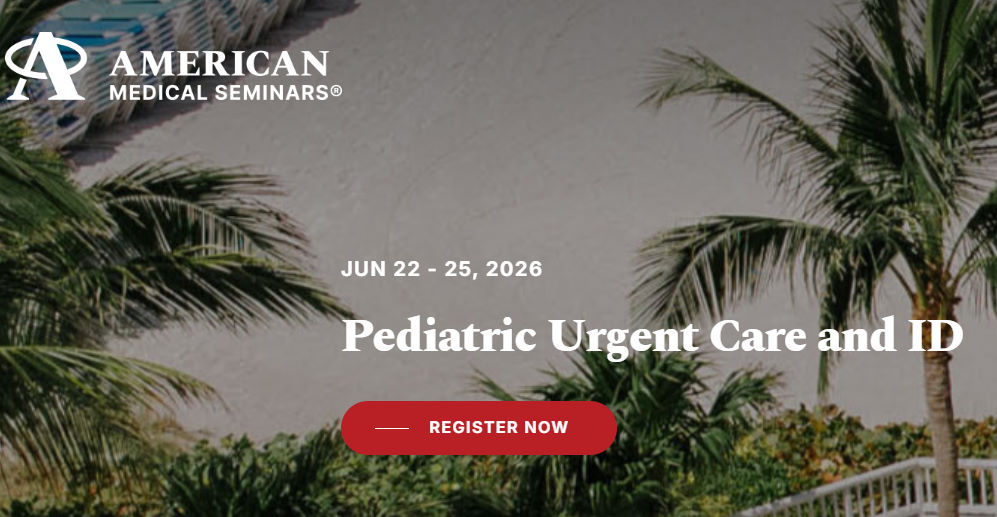
American Medical Seminars Pediatric Urgent Care and ID 2026

$100.00
This Product is shared via google drive download link, So please share your correct Gmail id while placing the order .Please note that there are no CME points or certificate associated with this course Samples for Courses Can be found here : Free Samples Here!
American Medical Seminars Pediatric Urgent Care and ID 2026
AMS Pediatric Urgent Care and Infectious Disease | Pediatric Emergency Medicine, Immunizations, Antibiotic Stewardship, Acute Otitis Media, Kawasaki Disease, RSV, Influenza & Pediatric Clinical Updates
The American Medical Seminars Pediatric Urgent Care and ID 2026 is a four-day medical education program focusing on the evaluation and management of common and challenging medical conditions in pediatric urgent care, pediatric infectious diseases, and outpatient pediatrics.
Organized by American Medical Seminars, Inc. (AMS), the conference is described as taking place June 22–25, 2026, at Lido Beach Resort in Sarasota, Florida, USA, with in-person and live online participation.
The course is designed for pediatricians, family physicians, primary care practitioners, urgent care providers, emergency physicians, infectious disease specialists, nurse practitioners, physician assistants, and other healthcare professionals involved in the treatment of infants, children, and adolescents.
The educational program emphasizes practical clinical decision-making, early recognition of serious illness, appropriate diagnostic testing, antimicrobial stewardship, risk assessment, and evidence-based treatment strategies.
Important clinical topics include pediatric immunizations, fever and rash, chest pain in children and adolescents, common urgent care presentations, pediatric dermatology, the limping child, Kawasaki disease, acute otitis media, tick-borne infections, suspected physical abuse, breastfeeding-related concerns, emerging viral infections, influenza, and respiratory syncytial virus (RSV).
The curriculum combines pediatric urgent care with infectious disease education to help clinicians distinguish uncomplicated illnesses from conditions requiring urgent investigation, specialist consultation, or emergency referral.
Special attention is given to appropriate antibiotic prescribing, antimicrobial resistance prevention, safe pediatric assessment, patient and family communication, and the importance of recognizing uncommon but potentially serious diagnoses.
Course Details
- Course: American Medical Seminars Pediatric Urgent Care and ID 2026
- Full Title: Pediatric Urgent Care and Infectious Disease
- Organizer: American Medical Seminars, Inc.
- Abbreviation: AMS
- Edition: 2026
- Conference Dates: June 22–25, 2026
- Duration: Four Days
- Original Venue: Lido Beach Resort
- Location: Sarasota, Florida, United States
- Original Format: In-Person and Live Online
- Reported Daily Schedule: 7:30 AM – 12:50 PM, Eastern Time
- Presenting Faculty: Stephen C. Eppes, MD; Thomas Tryon, MD
- Primary Specialty: Pediatrics
- Additional Focus: Pediatric Infectious Diseases, Pediatric Urgent Care, Emergency Medicine, Family Medicine and Primary Care
- Language: English
- Educational Methods: Expert Lectures, Clinical Case Reviews, Pediatric Assessment and Evidence-Based Treatment Discussions
Schedule Note: The dates, location, faculty combination, and daily schedule above follow the supplied 2026 course information. A complete archived lecture-by-lecture agenda for these exact dates was not independently verified.
Course Highlights
- Pediatric Urgent Care
- Pediatric Infectious Diseases
- Pediatric Immunization Updates
- Fever and Rash in Children
- Pediatric Chest Pain
- Antibiotic Stewardship
- Antimicrobial Resistance
- Pediatric Dermatology
- The Limping Child
- Kawasaki Disease
- Acute Otitis Media
- Tick-Borne Infections
- Physical Abuse Recognition
- Breastfeeding Mothers in Urgent Care
- Breastfeeding Infants in Ambulatory Settings
- Emerging Viral Pathogens
- Influenza
- Respiratory Syncytial Virus
- Pediatric Respiratory Infections
- Acute Pediatric Assessment
- Clinical Red Flags
- Patient Safety
- Family-Centered Medical Care
Presenting Faculty
Stephen C. Eppes, MD
Specialty: Pediatric Infectious Diseases
Dr. Stephen Eppes is a pediatric infectious disease specialist associated with ChristianaCare and Sidney Kimmel Medical College at Thomas Jefferson University.
His clinical and educational experience includes pediatric infectious diseases, immunizations, emerging pathogens, infection prevention, and the recognition of infectious conditions affecting infants and children.
Thomas Tryon, MD, MBA, FAAP, FCUCM
Specialty: Pediatrics and Pediatric Urgent Care
Dr. Thomas Tryon is a pediatrician with extensive experience in pediatric urgent care, emergency medicine, and pediatric clinical leadership.
His work encompasses the evaluation of acute pediatric presentations, urgent care decision-making, and practical approaches to commonly encountered pediatric conditions.
Faculty Clarification: These physicians are identified in the supplied June 2026 course description. Their participation in related AMS educational programs is also documented, but individual June 2026 lecture assignments were not independently established.
Learning Objectives
Upon completion of the educational program, participants should be better able to:
- Identify common causes of chest pain in children and adolescents and recognize potentially serious cardiovascular or pulmonary conditions requiring additional evaluation.
- Implement antibiotic stewardship strategies to promote appropriate antimicrobial treatment and reduce unnecessary antibiotic exposure and antimicrobial resistance.
- Apply evidence-based guidance concerning breastfeeding during maternal or infant illness, with attention to medication safety, infection transmission, and appropriate clinical counseling.
- Use delayed or safety-net antibiotic prescribing strategies when supported by clinical guidelines and appropriate patient follow-up.
- Recognize signs of suspected child physical abuse, applying relevant clinical assessment tools, examination findings, and established safeguarding procedures.
- Recognize important infectious conditions in pediatric urgent care, including fever, respiratory infections, otitis media, and tick-borne illnesses.
- Differentiate common pediatric illnesses from time-sensitive or potentially serious diagnoses.
- Select appropriate diagnostic investigations and determine when specialist consultation or emergency referral is necessary.
- Apply current clinical knowledge to influenza, RSV, emerging viral pathogens, and pediatric immunization questions.
- Improve patient and family communication during the assessment and management of acute pediatric conditions.
Comprehensive Pediatric Urgent Care and Infectious Disease Curriculum
The following sections describe the educational topics identified in the supplied course overview.
They are organized into clinical subject areas for convenient review and are not represented as the verified chronological agenda for June 22–25, 2026.
Section I – Pediatric Immunization Updates
Pediatric Immunizations and Vaccine-Preventable Diseases
Pediatric vaccination plays an important role in preventing serious infections and reducing disease transmission.
This educational area examines immunization-related issues encountered in pediatric and primary care settings.
Major Topics:
- Childhood Immunization
- Vaccine-Preventable Diseases
- Pediatric Vaccination Schedules
- Catch-Up Vaccination
- Vaccine Safety
- Vaccine Hesitancy
- Parental Counseling
- Immunization in Special Populations
- Influenza Prevention
- RSV Prevention
- Emerging Infectious Disease Considerations
Clinical Focus
Recognize commonly encountered immunization questions, identify patients requiring further vaccine evaluation, and communicate clearly with families about vaccination benefits and safety.
Section II – Fever and Rash in Children
Pediatric Fever and Rash
Fever accompanied by a rash is a common reason for urgent pediatric assessment.
The differential diagnosis includes infectious, inflammatory, and other systemic conditions.
Major Topics:
- Pediatric Fever
- Febrile Illness
- Viral Exanthems
- Bacterial Infections
- Fever with Rash
- Clinical Red Flags
- Patient Age and Risk Assessment
- Physical Examination
- Diagnostic Testing
- Emergency Referral
Clinical Focus
Develop a structured approach to pediatric fever and rash, with attention to children who require urgent diagnostic evaluation or escalation of care.
Section III – Chest Pain in Children and Adolescents
Pediatric Chest Pain: Clinical Assessment and Diagnostic Considerations
Chest pain is a frequent clinical complaint among children and adolescents.
Although many presentations are noncardiac, clinicians must recognize concerning symptoms and findings.
Major Topics:
- Pediatric Chest Pain
- Musculoskeletal Chest Pain
- Respiratory Causes
- Gastrointestinal Causes
- Cardiac Causes
- History-Taking
- Physical Examination
- ECG Assessment
- Red Flag Symptoms
- Diagnostic Testing
- Specialist Referral
Clinical Focus
Distinguish common benign causes of chest pain from clinical findings that warrant urgent cardiovascular or pulmonary evaluation.
Section IV – Antibiotic Stewardship in Pediatric Urgent Care
Appropriate Antimicrobial Prescribing
Antibiotic stewardship is central to the safe and effective management of pediatric infections.
The educational program examines appropriate treatment decisions and methods for limiting unnecessary antimicrobial use.
Major Topics:
- Antibiotic Stewardship
- Antimicrobial Resistance
- Bacterial Versus Viral Infections
- Appropriate Antibiotic Selection
- Diagnostic Uncertainty
- Antibiotic Duration
- Medication Adverse Effects
- Patient Counseling
- Follow-Up
- Safety-Net Prescribing
Clinical Focus
Apply antimicrobial prescribing principles that consider patient symptoms, clinical findings, diagnostic certainty, treatment benefits, and medication safety.
Section V – Safety-Net Antibiotic Prescribing
Delayed Antibiotic Prescribing in Pediatric Practice
Safety-net or delayed antibiotic prescribing may be appropriate for selected uncomplicated conditions when consistent with evidence-based guidance.
Major Topics:
- Delayed Antibiotic Prescriptions
- Watchful Waiting
- Patient Selection
- Clinical Follow-Up
- Shared Decision-Making
- Parental Education
- Symptom Monitoring
- Recognition of Deterioration
- Antimicrobial Stewardship
Clinical Focus
Understand when observation may be reasonable and how clear follow-up instructions help maintain patient safety.
Section VI – Pediatric Dermatology
Common and Challenging Skin Conditions in Urgent Care
Pediatric skin complaints encompass infectious, inflammatory, allergic, and traumatic presentations.
Major Topics:
- Pediatric Rashes
- Bacterial Skin Infections
- Viral Skin Conditions
- Fungal Skin Disorders
- Eczema
- Contact Dermatitis
- Urticaria
- Skin Lesions
- Differential Diagnosis
- Dermatologic Red Flags
Clinical Focus
Improve recognition of common pediatric skin conditions and identify presentations requiring further evaluation.
Section VII – The Limping Child
Evaluation of Limping and Lower Extremity Pain
A limping child may present with a minor musculoskeletal complaint or a serious underlying condition.
Major Topics:
- The Limping Child
- Hip Pain
- Knee Pain
- Musculoskeletal Injuries
- Acute and Chronic Limp
- Joint Infection
- Bone Infection
- Inflammatory Conditions
- Orthopedic Examination
- Diagnostic Imaging
- Red Flag Symptoms
Clinical Focus
Develop an age-appropriate approach to evaluating limp and recognize conditions requiring urgent orthopedic assessment.
Section VIII – Kawasaki Disease
Recognition of Kawasaki Disease
Kawasaki disease is an important pediatric inflammatory condition requiring timely clinical recognition and appropriate specialist management.
Major Topics:
- Kawasaki Disease
- Persistent Fever
- Mucocutaneous Findings
- Conjunctival Changes
- Lymphadenopathy
- Incomplete Kawasaki Disease
- Coronary Artery Complications
- Clinical Assessment
- Differential Diagnosis
- Referral and Follow-Up
Clinical Focus
Recognize the clinical features that should prompt consideration of Kawasaki disease and understand the importance of timely assessment.
Section IX – Acute Otitis Media
Pediatric Ear Infections
Acute otitis media is one of the most frequently encountered infections in pediatric primary care and urgent care.
Major Topics:
- Acute Otitis Media
- Middle Ear Infection
- Otoscopic Assessment
- Viral and Bacterial Pathogens
- Ear Pain
- Clinical Diagnostic Criteria
- Observation Strategies
- Antibiotic Treatment
- Recurrent Otitis Media
- Potential Complications
Clinical Focus
Apply diagnostic principles and understand appropriate observation, antimicrobial treatment, and follow-up strategies.
Section X – Tick-Borne Infections
Tick-Borne Disease Recognition and Management
Tick-borne infections are relevant to clinicians evaluating children with unexplained fever, rash, or exposure histories.
Major Topics:
- Tick Exposure
- Lyme Disease
- Tick-Borne Bacterial Infections
- Regional Epidemiology
- Clinical Presentation
- Fever and Rash
- Diagnostic Testing
- Treatment Considerations
- Preventive Counseling
- Complication Recognition
Clinical Focus
Incorporate exposure history, geographic risk, clinical features, and appropriate investigations when evaluating suspected tick-borne illness.
Section XI – Recognition of Physical Abuse in Children
Pediatric Physical Abuse: Clinical Assessment and Safeguarding
Recognizing potential abuse is a critical patient safety responsibility.
This educational area focuses on clinical indicators of suspicious injury and appropriate safeguarding actions.
Major Topics:
- Pediatric Physical Abuse
- Nonaccidental Trauma
- Injury Patterns
- Bruising
- Fracture Assessment
- Inconsistent Histories
- Developmental Considerations
- Clinical Documentation
- Safeguarding
- Appropriate Reporting
- Multidisciplinary Collaboration
Clinical Focus
Recognize findings that may indicate inflicted injury and respond according to applicable clinical safeguarding and reporting requirements.
Section XII – Breastfeeding Mothers in Urgent Care
Assessment of Maternal Health During Breastfeeding
Urgent care providers may evaluate breastfeeding mothers with infectious illnesses, breast symptoms, or concerns about medication exposure.
Major Topics:
- Breastfeeding During Maternal Illness
- Lactation
- Maternal Infections
- Medication Safety
- Breast Pain
- Mastitis
- Breastfeeding Counseling
- Maternal–Infant Health
- Risk Assessment
- Follow-Up
Clinical Focus
Understand how maternal illness and treatment decisions may affect breastfeeding and when additional clinical advice is appropriate.
Section XIII – Breastfeeding Infants in Ambulatory Care
Evaluation of Breastfeeding Babies
Breastfed infants may present with feeding concerns, inadequate intake, dehydration, or symptoms of acute illness.
Major Topics:
- Breastfeeding Assessment
- Infant Feeding
- Growth
- Weight Gain
- Hydration
- Common Feeding Problems
- Infant Illness
- Clinical Monitoring
- Parent Counseling
- Referral Considerations
Clinical Focus
Evaluate common breastfeeding concerns and identify infants who require further investigation or urgent care.
Section XIV – Emerging Viral Pathogens
Emerging and Re-Emerging Pediatric Viral Infections
The course description includes contemporary infectious disease challenges involving emerging viral pathogens.
Major Topics:
- Emerging Viruses
- Viral Transmission
- Outbreak Recognition
- Clinical Presentation
- Exposure History
- Infection Prevention
- Diagnostic Testing
- Public Health Considerations
- Risk Communication
- Pediatric Infectious Disease Surveillance
Clinical Focus
Review how epidemiological developments and clinical features inform the evaluation of potentially emerging pediatric infections.
Section XV – Influenza in Children
Pediatric Influenza: Recognition, Prevention and Management
Influenza remains an important cause of seasonal respiratory illness in children.
Major Topics:
- Pediatric Influenza
- Influenza A and B
- Clinical Presentation
- Diagnostic Testing
- Antiviral Treatment
- High-Risk Patients
- Complications
- Vaccination
- Infection Prevention
- Family Counseling
Clinical Focus
Recognize influenza presentations and understand the role of appropriate testing, antiviral treatment, prevention, and clinical monitoring.
Section XVI – Respiratory Syncytial Virus
RSV in Infants and Children
Respiratory syncytial virus is a major cause of respiratory disease in infants and young children.
Major Topics:
- RSV
- Bronchiolitis
- Infant Respiratory Illness
- Clinical Severity Assessment
- Respiratory Distress
- Hydration
- Supportive Care
- Prevention
- Immunization and Monoclonal Antibody Strategies
- Hospitalization Criteria
Clinical Focus
Understand the evaluation of RSV-related illness and identify patients requiring escalation of respiratory support or hospital assessment.
Section XVII – Clinical Decision-Making in Pediatric Urgent Care
Identifying Serious Illness and Avoiding Diagnostic Pitfalls
Pediatric urgent care requires efficient clinical assessment and recognition of findings that may indicate serious illness.
Major Topics:
- Pediatric Triage
- Acute Illness Assessment
- Age-Specific Vital Signs
- Diagnostic Reasoning
- Clinical Red Flags
- Common Diagnostic Pitfalls
- Emergency Referral
- Observation
- Follow-Up
- Patient Safety
Clinical Focus
Improve the ability to distinguish uncomplicated pediatric conditions from potentially serious presentations.
Major Topics Covered
- American Medical Seminars 2026
- Pediatric Urgent Care and Infectious Disease
- Pediatric Emergency Medicine
- Childhood Immunizations
- Vaccine-Preventable Diseases
- Pediatric Fever
- Fever and Rash
- Chest Pain in Children
- Antibiotic Stewardship
- Antimicrobial Resistance
- Safety-Net Prescribing
- Pediatric Dermatology
- The Limping Child
- Kawasaki Disease
- Acute Otitis Media
- Tick-Borne Infections
- Lyme Disease
- Child Abuse Recognition
- Nonaccidental Trauma
- Breastfeeding Mothers
- Breastfeeding Infants
- Emerging Viral Pathogens
- Influenza
- RSV
- Pediatric Respiratory Infections
- Patient Safety
- Clinical Decision-Making
- Family-Centered Care
Why This Course Is Relevant
The American Medical Seminars Pediatric Urgent Care and ID 2026 provides a clinically focused educational review of common pediatric urgent care presentations and important infectious diseases.
The supplied curriculum emphasizes early recognition of serious illnesses, appropriate treatment selection, antimicrobial stewardship, communication with families, and prevention of avoidable complications.
Its coverage of immunizations, childhood respiratory infections, fever, pediatric dermatology, musculoskeletal complaints, child safeguarding, and breastfeeding-related issues makes the program relevant to clinicians treating infants, children, and adolescents.
Original CME and Accreditation
American Medical Seminars is an ACCME-accredited continuing medical education provider.
The organizer’s comparable four-day pediatric programs are designated for up to 20 AMA PRA Category 1 Credits and may provide eligibility for other professional continuing education recognition.
However, the exact credit designation for the June 22–25, 2026 Pediatric Urgent Care and ID activity was not independently verified from an archived course page.
Official credits, MOC points, and certificates require eligible participation through the accredited provider.
Important CME Notice
Independently supplied course recordings or educational materials do not automatically include:
- Official AMS CME Credits
- ABIM MOC Points
- CME Completion Certificates
- Original Conference Registration
- Live Webinar Participation
- Official AMS Platform Access
- Publisher Assessments
- In-Person Attendance
- Hotel or Travel Arrangements
Digital Educational Materials
The supplied conference description identifies a four-day activity covering pediatric urgent care and infectious disease topics.
It does not establish an exact quantity of:
- Video Recordings
- Audio Recordings
- Presentation Slides
- PDF Handouts
- Subtitle Files
- Supporting Documents
- Downloadable Study Materials
Any independently supplied digital package should specify its actual file inventory and access conditions separately.
Course Information
| Feature | Details |
|---|---|
| Course | Pediatric Urgent Care and ID |
| Organizer | American Medical Seminars, Inc. |
| Dates | June 22–25, 2026 |
| Duration | Four Days |
| Venue | Lido Beach Resort |
| Location | Sarasota, Florida |
| Original Format | In-Person and Webinar |
| Reported Schedule | 7:30 AM – 12:50 PM Eastern Time |
| Faculty | Stephen C. Eppes, MD; Thomas Tryon, MD |
| Primary Specialty | Pediatrics |
| Additional Focus | Infectious Diseases and Urgent Care |
| Original CME for Exact Event | Not Independently Verified |
| Language | English |
Official Provider Reference
American Medical Seminars:
https://www.americanmedicalseminars.com/
Official AMS Conference Calendar:
https://www.americanmedicalseminars.com/events/pediatrics-urgent-care-and-emergency-medicine/
The second link is a related AMS pediatric conference from November 2026 and should not be confused with the June 22–25 Pediatric Urgent Care and ID activity.
Frequently Asked Questions
What is American Medical Seminars Pediatric Urgent Care and ID 2026?
It is a four-day educational conference focusing on pediatric urgent care, childhood infections, emergency assessment, and practical outpatient pediatric medicine.
When was the course scheduled?
June 22–25, 2026.
Where was the conference held?
The supplied course details identify Lido Beach Resort in Sarasota, Florida.
Who are the identified faculty?
Stephen C. Eppes, MD, and Thomas Tryon, MD.
Does the course cover pediatric infections?
Yes. The described topics include immunizations, fever and rash, otitis media, tick-borne diseases, influenza, RSV, and emerging viral pathogens.
Does it address antibiotic stewardship?
Yes. Appropriate prescribing and antimicrobial resistance prevention are major learning objectives.
Does the course cover pediatric chest pain?
Yes. A stated objective is to identify common causes of chest pain in children and adolescents.
Are physical abuse recognition and child protection included?
Yes. The supplied curriculum includes recognition of suspicious pediatric injuries and appropriate clinical responses.
Does the course cover breastfeeding-related problems?
Yes. It includes clinical considerations involving breastfeeding mothers and infants in urgent care and ambulatory settings.
Are official CME credits included with independently supplied course files?
No. Official credit eligibility requires participation through the accredited provider.
Short Description
American Medical Seminars Pediatric Urgent Care and ID 2026 provides a practical four-day educational review of pediatric urgent care, infectious diseases, common childhood illnesses, antimicrobial prescribing, and clinical assessment.
Scheduled for June 22–25, 2026, at Lido Beach Resort in Sarasota, Florida, the program identifies Stephen C. Eppes, MD, and Thomas Tryon, MD, as its presenting faculty.
+ Topics:
*Note: these are continuous video recordings during the conference, they include individual lectures mentioned in the Detail section below
| Date | Session | Time | Speaker | Topic |
| 6/22/2026 | 1-1 | 7:30am-8:30am | Eppes | Pediatric Immunization Update and Challenges of Vaccine Refusal |
| 1-2 | 8:35am-9:35am | Eppes | Chief Complaint: Fever and Rash | |
| 1-3 | 9:40am-10:40am | Tryon | Interesting Cases in a Pediatric Urgent Care: Hoofbeats and Horses | |
| 1-4 | 10:45am-11:45am | Tryon | Chest Pain in Children and Adolescents: Pearls and Pitfalls | |
| 1-5 | 11:50am-12:50pm | Tryon | Antibiotic Stewardship for Common Pediatric Urgent Care Conditions | |
| 6/23/2026 | 2-1 | 7:30am-8:30am | Tryon | Pediatric Dermatology: Beyond the Basics |
| 2-2 | 8:35am-9:35am | Tryon | The Limping Child: Conditions you don’t want to miss. | |
| 2-3 | 9:40am-10:40am | Eppes | Antibiotic Update | |
| 2-4 | 10:45am-11:45am | Eppes | Kawasaki Disease | |
| 2-5 | 11:50am-12:50pm | Eppes | Acute Otitis Media: Of Pathogens and Patients | |
| 6/24/2026 | 3-1 | 7:30am-8:30am | Eppes | Tick-Borne Infections: Hot Spots and Bullseyes |
| 3-2 | 8:35am-9:35am | Eppes | Pathogens in the News: What Do They Mean for You |
|
| 3-3 | 9:40am-10:40am | Tryon | Physical Abuse in Children – See Something, Say Something: You May Save a Life | |
| 3-4 | 10:45am-11:45am | Tryon | Pediatric Sports Medicine Pearls: Kids Really Aren’t Little Adults | |
| 3-5 | 11:50am-12:50pm | Tryon | Breastfeeding Moms in Urgent Care: What’s Normal and When to be Concerned | |
| 6/25/2026 | 4-1 | 7:30am-8:30am | Tryon | Breastfeeding Babies in an Urgent Care or Ambulatory Setting – What’s Normal and When to Be Concerned |
| 4-2 | 8:35am-9:35am | Tryon | Infections in Babies and Children – Are Moms and Grandmas at Risk? | |
| 4-3 | 9:40am-10:40am | Eppes | Virus X: Ubiquitous, Uncanny, Understandable | |
| 4-4 | 10:45am-11:45am | Eppes | Influenza: What’s New and What You Can Do | |
| 4-5 | 11:50am-12:50pm | Eppes | RSV (Ready for Some Vaccines) |
Related products
Critical Care - Emergency medicine

Internal Medicine

Critical Care - Emergency medicine

Critical Care - Emergency medicine
The Brigham Board Review in Infectious Diseases Brigham and Women’s Hospital Board Review
Critical Care - Emergency medicine

Critical Care - Emergency medicine