
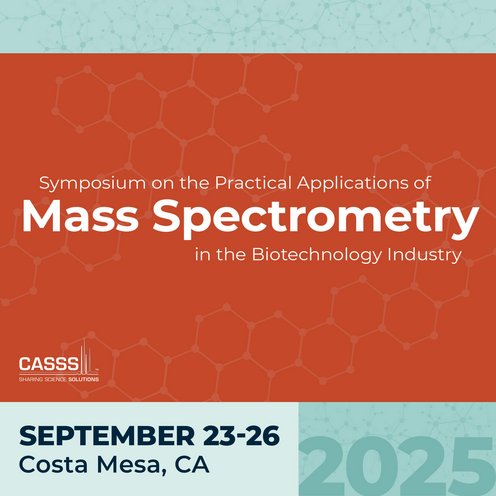
CASSS Sharing Science Solutions Mass Spectrometry 2025


$40.00
This Product is shared via google drive download link, So please share your correct Gmail id while placing the order .Please note that there are no CME points or certificate associated with this course Samples for Courses Can be found here : Free Samples Here!
CASSS Sharing Science Solutions Mass Spectrometry 2025
Mass Spectrometry • Biopharmaceutical Analysis • LC-MS MAM • Cell & Gene Therapy • mRNA • ADCs
September 24–26, 2025 | Costa Mesa, California
Explore advanced and practical applications of mass spectrometry in biopharmaceutical discovery, development, characterization, quality control, and regulatory science with CASSS Sharing Science Solutions Mass Spectrometry 2025.
Organized by CASSS – Sharing Science Solutions, Mass Spec 2025 focuses on the practical application of mass spectrometry (MS) within the biotechnology and biopharmaceutical industries. CASSS describes the symposium as an international forum for sharing experiences, innovative analytical approaches, and best practices among professionals from industry, academia, and regulatory agencies.
The program examines analytical strategies across the biopharmaceutical lifecycle, from early discovery and structural characterization through process understanding, quality control (QC), commercialization, and regulatory submissions.
Particular attention is given to increasingly complex therapeutic modalities and analytical challenges involving cell and gene therapies, mRNA, RNA and oligonucleotides, antibody-drug conjugates (ADCs), therapeutic proteins, AAV, Lipid Nanoparticles (LNPs), protein higher-order structure, and advanced Multi-Attribute Method workflows.
Course Details
- Program: Mass Spectrometry 2025
- Organizer: CASSS – Sharing Science Solutions
- Year: 2025
- Official CASSS On-Demand Dates: September 24–26, 2025
- Location: Costa Mesa, California, United States
- Field: Biopharmaceutical Analytical Science
- Primary Technology: Mass Spectrometry
- Primary Focus: Practical Applications of Mass Spectrometry in the Biotechnology Industry
- Related Areas: Biopharmaceutical Discovery, Development, Characterization, QC, Regulatory Science
- Key Modalities: Therapeutic Proteins, ADCs, mRNA, Oligonucleotides, AAV, Cell and Gene Therapies
- Primary Audience: Analytical Scientists, Mass Spectrometrists, Quality Control Specialists, and Regulatory Professionals
CASSS’s official resources identify Mass Spec 2025 presentations and roundtable discussions spanning MAM, structural characterization, cell and gene therapy, RNA and oligonucleotides, ADCs, higher-order structure, process development, and regulatory applications.
Who Was the Original Program Designed For?
This program is targeted at:
- Analytical Scientists
- Mass Spectrometrists
- Quality Control Specialists
- Regulatory Professionals
- Biopharmaceutical Development Scientists
- Protein Characterization Scientists
- Scientists working with advanced therapeutic modalities
It is particularly relevant for:
- Immunologists
- Pharmacologists
- Oncologists
- Infectious Disease Specialists
- Medical Geneticists
The program is most applicable to professionals involved in biopharmaceutical development, analytical characterization, structural biology, quality control, advanced therapeutic modalities, and regulatory analytical science.
Learning Objectives
Upon completion of this program, participants should be better able to:
- Implement and optimize LC-MS Multi-Attribute Method (MAM) workflows from research through to commercialization and QC.
- Evaluate antigen-antibody interactions and higher-order structures (HOS) using advanced MS and structural biology strategies.
- Characterize critical quality attributes (CQAs) of complex therapeutics, including mRNA, oligonucleotides, and intact AAV building blocks using individual ion MS.
- Apply electron activated dissociation (EAD) to identify reactive impurities, such as N-oxide in Lipid Nanoparticles (LNPs).
- Leverage MS analytical methods and platform knowledge to navigate FDA cell and gene therapy regulatory submissions.
- Integrate MS-based structural proteomics with molecular docking to analyze viral protein-host binding interfaces.
Mass Spectrometry in Biopharmaceutical Development
Mass spectrometry is used throughout the discovery, development, characterization, and commercialization of increasingly complex biopharmaceutical products.
CASSS Mass Spec 2025 examines applications extending across:
Discovery → Molecular Characterization → Process Understanding → Quality Control → Commercialization → Regulatory Submission
The curriculum combines practical analytical workflows with emerging technologies and regulatory considerations.
LC-MS Multi-Attribute Method – MAM
A major component of the program is the LC-MS Multi-Attribute Method (MAM).
The meeting explores MAM across multiple stages of product development, including:
- Research
- Analytical development
- Product characterization
- Process characterization
- Commercialization
- Quality control
The program specifically includes approaches for extending MAM beyond traditional monoclonal-antibody-based therapeutics and improving peak-detection workflows used in implementation.
CASSS’s official 2025 resources include presentations on expanding MAM beyond mAb therapeutics and implementing new peak-detection workflows from research through commercialization.
MAM in Development & Quality Control
The program considers how MAM transitions from an analytical-development technique toward practical implementation within regulated environments.
Major considerations include:
- Analytical workflow development
- Product and process characterization
- Peak detection
- Monitoring critical attributes
- QC implementation
- Commercialization
- Method consistency
The official CASSS resources also include a dedicated MAM in Development and in QC roundtable.
Biopharmaceutical Discovery
Mass spectrometry applications in early discovery are another central theme.
The program addresses analytical applications involving:
- Small molecules
- Proteins
- Biotherapeutics
- Molecular characterization
- High-throughput workflows
- Automated analytical strategies
The curriculum includes approaches designed to accelerate the discovery and characterization of increasingly complex therapeutic molecules.
Automation & High-Throughput Mass Spectrometry
Mass spectrometry workflows increasingly incorporate automation and high-throughput processing.
CASSS Mass Spec 2025 includes applications of automated and HTP mass spectrometry for accelerating biotherapeutic discovery while supporting analytical scalability.
Therapeutic Protein Characterization
Therapeutic proteins are analytically complex molecules that may require multiple complementary structural characterization approaches.
The program addresses:
- Protein characterization
- Structural biology
- Higher-order structure
- Charge variants
- Aggregation
- Non-natural amino acid antibodies
- Advanced analytical methods
These approaches support deeper understanding of molecular structure and biopharmaceutical quality attributes.
Protein Higher-Order Structure – HOS
Higher-order structure (HOS) characterization is a significant topic within the symposium.
The program evaluates how mass spectrometry and structural biology strategies can be used to investigate:
- Protein conformation
- Structural characteristics
- Protein interactions
- Antigen-antibody interactions
- Biologic development
CASSS also included a dedicated roundtable on MS-Based Protein Higher Order Structure Characterization in Biologics Research and Development.
Antigen-Antibody Interactions
One scientific presentation compares advanced higher-order structural mass spectrometry methods for studying antigen-antibody interactions.
This topic connects:
Protein Interaction → Structural MS → Higher-Order Structure → Comparative Characterization
and illustrates the role of advanced MS in structural biology and therapeutic-protein research.
Antibody-Drug Conjugates – ADCs
Antibody-drug conjugates (ADCs) represent another analytically challenging therapeutic modality addressed by the program.
The symposium includes discussion of:
- MS characterization of ADC molecules
- Molecular heterogeneity
- Structural characterization
- Extended characterization methods
- Analytical best practices
A dedicated CASSS roundtable addresses Best Practices for Elucidating Antibody Drug Conjugates Molecules by MS.
Cell & Gene Therapy
Mass spectrometry applications in cell and gene therapy represent a major program theme.
The meeting examines how MS analytical methods can support:
- Product characterization
- Advanced therapeutic modalities
- AAV analysis
- Regulatory submissions
- Analytical method development
- Regulatory strategy
CASSS’s official resources list both scientific presentations and a dedicated roundtable addressing mass spectrometry in cell and gene therapy.
AAV Characterization
The program includes advanced characterization of adeno-associated virus (AAV) materials.
One presentation specifically addresses monitoring:
- Intact AAV
- AAV building blocks
- Large biomolecular assemblies
using individual ion mass spectrometry.
This reflects the growing analytical complexity associated with gene-therapy products.
mRNA Critical Quality Attributes
The symposium includes LC-MS assays for mRNA critical quality attributes (CQAs).
This area focuses on analytical development for newer nucleic-acid therapeutic modalities and the application of mass spectrometry to characterize product quality.
RNA & Oligonucleotides
RNA and oligonucleotide characterization is specifically represented in the Mass Spec 2025 scientific program and roundtable discussions.
Key concepts include:
- RNA characterization
- Oligonucleotide analysis
- CQA characterization
- Quantitation
- Analytical method development
CASSS lists a dedicated discussion on MS of RNA and Oligonucleotides – Characterization and Quantitation of CQAs.
Lipid Nanoparticles – LNPs
The program addresses the analytical characterization of Lipid Nanoparticles (LNPs).
One scientific presentation examines the use of electron activated dissociation (EAD) fragmentation to identify reactive N-oxide impurities in LNPs.
Electron Activated Dissociation – EAD
Electron activated dissociation provides another advanced mass-spectrometry approach represented in the program.
Its application to reactive impurity identification demonstrates how fragmentation techniques can support detailed characterization of complex pharmaceutical materials.
Structural Proteomics
The symposium extends mass spectrometry applications into structural proteomics.
This includes combining MS-derived structural information with computational approaches to better understand protein interactions and molecular interfaces.
Molecular Docking
A scientific presentation integrates:
Mass Spectrometry-Based Structural Proteomics + Molecular Docking
to investigate Ebola protein-host binding interfaces.
This highlights the potential to combine experimental MS data with computational modeling in biological interaction research.
Charge Variant Characterization
The program addresses emerging strategies for charge variant characterization.
Approaches represented include:
- cIEF-MS
- Fractionation
- Discovery-assisted strategies
- Intact molecular analysis
- Advanced mass spectrometry
The curriculum therefore extends beyond traditional MS workflows into complementary separation and characterization technologies.
Process Development & Cell Culture Monitoring
Mass spectrometry also plays a role in bioprocess understanding.
The program includes approaches combining analytical measurements with process monitoring to investigate cell-culture behavior and product quality.
LC-MS & Real-Time Process Understanding
One program topic examines combining:
- In-line biocapacitance
- LC-MS
- Cell culture monitoring
to improve understanding of bioprocess behavior in real time.
Multi-Omics in Process Development
The symposium also incorporates multi-omics approaches for investigating biological processes associated with product expression and quality.
The official scientific program includes a dedicated session on Multi-omics in Process Development.
Regulatory Science
Regulatory applications of analytical mass spectrometry represent another important component of the program.
Topics include:
- Advanced analytical methods
- Regulatory submissions
- Platform knowledge
- Cell and gene therapy
- Analytical strategy
- Regulatory research and review
FDA Cell & Gene Therapy Regulatory Submissions
One scientific presentation directly examines the use of mass spectrometry analytical methods in FDA cell and gene therapy regulatory submissions, including current applications and future opportunities.
Platform Knowledge & Regulatory Strategy
The meeting considers how existing platform and analytical knowledge can support regulatory strategy for advanced analytical methods.
This is particularly relevant when increasingly complex therapeutic modalities require technologies that extend beyond conventional characterization workflows.
Predictive Stability
Mass Spectrometry & Predictive Stability is also included among the program’s official roundtable discussions.
This connects analytical characterization with the broader challenge of understanding biopharmaceutical stability.
Host Cell Proteins – HCP
The symposium includes discussion of mass spectrometry for host cell proteins (HCP).
HCP analysis forms part of the broader analytical characterization and quality-control landscape addressed throughout the program.
New Biotherapeutic Challenges
As therapeutic molecules become increasingly complex, analytical platforms must evolve accordingly.
The program includes discussion of new mass spectrometry methods to tackle new biotherapeutic challenges, connecting emerging modalities with evolving analytical technologies.
Major Topics Covered
- Mass Spectrometry
- LC-MS
- LC-MS Multi-Attribute Method
- Multi-Attribute Method – MAM
- Biopharmaceutical Discovery
- Biopharmaceutical Development
- Biotherapeutics
- Therapeutic Proteins
- Protein Characterization
- Structural Biology
- Structural Proteomics
- Molecular Docking
- Protein Higher-Order Structure
- HOS Characterization
- Antigen-Antibody Interactions
- Antibody-Drug Conjugates
- ADC Characterization
- Cell Therapy
- Gene Therapy
- Cell and Gene Therapy Analytics
- AAV
- Intact AAV
- Individual Ion Mass Spectrometry
- mRNA
- mRNA Critical Quality Attributes
- RNA
- Oligonucleotides
- Critical Quality Attributes
- Lipid Nanoparticles
- LNPs
- Electron Activated Dissociation
- EAD Fragmentation
- Reactive Impurities
- Charge Variant Characterization
- cIEF-MS
- Proteomics
- Host Cell Proteins
- HCP Analysis
- High-Throughput Mass Spectrometry
- Automated Mass Spectrometry
- Process Development
- Cell Culture Monitoring
- Multi-Omics
- Predictive Stability
- Quality Control
- QC
- Commercialization
- Regulatory Science
- FDA Regulatory Submissions
- Advanced Analytical Methods
Who Should Take This Course?
CASSS Sharing Science Solutions Mass Spectrometry 2025 is particularly relevant for:
- Analytical Scientists
- Mass Spectrometrists
- Biopharmaceutical Scientists
- Protein Characterization Scientists
- Structural Biology Researchers
- Quality Control Specialists
- Regulatory Professionals
- CMC Scientists
- Cell and Gene Therapy Scientists
- Scientists working with mRNA and oligonucleotide therapeutics
- Scientists working with ADCs and therapeutic proteins
- Immunologists
- Pharmacologists
- Oncologists
- Infectious Disease Specialists
- Medical Geneticists
The strongest scientific audience remains:
Biopharmaceutical Analytical Science + Mass Spectrometry + Biotechnology + Regulatory Science
Why This Course Is Useful
CASSS Sharing Science Solutions Mass Spectrometry 2025 brings together practical mass-spectrometry applications across multiple stages of biopharmaceutical development.
The curriculum connects:
Discovery & Early Development
- Small molecules
- Proteins
- Biotherapeutic discovery
- Automation
- High-throughput MS
Product Characterization
- Therapeutic proteins
- ADCs
- Higher-order structure
- Charge variants
- Structural proteomics
Advanced Therapeutic Modalities
- Cell and gene therapy
- AAV
- mRNA
- RNA
- Oligonucleotides
- Lipid nanoparticles
Process & Quality
- LC-MS MAM
- Process monitoring
- Multi-omics
- Quality control
- Predictive stability
Regulatory Science
- FDA cell and gene therapy submissions
- Advanced analytical methods
- Platform knowledge
- Regulatory strategy
The overall analytical pathway can be summarized as:
Discovery → Characterization → Process Understanding → MAM → QC → Regulatory Submission → Commercialization
Product Summary
- Product: CASSS Sharing Science Solutions Mass Spectrometry 2025
- Program: Mass Spec 2025
- Organizer: CASSS – Sharing Science Solutions
- Year: 2025
- Official CASSS On-Demand Dates: September 24–26, 2025
- Location: Costa Mesa, California, United States
- Primary Field: Biopharmaceutical Analytical Science
- Primary Technology: Mass Spectrometry
- Related Technologies: LC-MS, MAM, Individual Ion MS, EAD, cIEF-MS, Structural Proteomics
- Major Modalities: Therapeutic Proteins, ADCs, Cell and Gene Therapies, AAV, mRNA, RNA, Oligonucleotides, LNPs
- Primary Audience: Analytical Scientists, Mass Spectrometrists, QC Specialists, and Regulatory Professionals
- Additional Audience: Immunologists, Pharmacologists, Oncologists, Infectious Disease Specialists, and Medical Geneticists
Short Description
CASSS Sharing Science Solutions Mass Spectrometry 2025 explores practical and emerging applications of mass spectrometry across biopharmaceutical discovery, development, characterization, quality control, and regulatory science.
The program covers LC-MS Multi-Attribute Method (MAM), therapeutic proteins, higher-order structure, antigen-antibody interactions, ADCs, cell and gene therapy, AAV, mRNA, RNA and oligonucleotides, Lipid Nanoparticles, EAD fragmentation, structural proteomics, multi-omics, predictive stability, QC, and FDA regulatory submissions.
Topics
Scientific Presentations & Analytical Applications
- Applications of Mass Spectrometry in Biopharmaceutical Discovery: From Small Molecules to Proteins
- Automation and HTP Mass Spectrometry to Accelerate Biotherapeutics Discovery
- Diving Into the Complexities of Non-Natural Amino Acid Antibodies with Innovating Mass Spectrometry Approaches
- A Robust and Versatile New Peak Detection Workflow to Facilitate the Implementation of the LC-MS Multi-Attribute Method (MAM) from Research to Commercialization
- Monitoring Intact AAV and AAV Building Blocks Through Individual Ion Mass Spectrometry
- Evaluating Antigen-Antibody Interactions: A Comparative Study of Higher-Order Structural MS Methods
- Leveraging Mass Spectrometry Analytical Methods in FDA Cell & Gene Therapy Regulatory Submissions: Current Uses and Future Opportunities
- Integrating Mass Spectrometry-Based Structural Proteomics and Molecular Docking to Analyze Ebola Protein-Host Binding Interfaces
- LCMS Assays for mRNA CQAs: A Development Story
- Employing Electron Activated Dissociation (EAD) Fragmentation to Identify Reactive N-Oxide Impurities in Lipid Nanoparticles (LNPs)
- Rapid Online Buffer Exchange with the DynaChip X1 Platform for Complex Biological Analysis
- Expanding MAM Horizon Beyond mAb-Based Therapeutics
- Streamlining Agile MS Workflows with Genedata
- New Paradigm for Charge Variant Characterization Using cIEF-MS and Discovery-Assisted Fractionation
- Mechanistic Insights Into Non-mAb Aggregation Using MS-Cleavable Linker
- Unraveling the Metabolic Regulatory Mechanisms Driving Product Expression and Quality in CHO Cell Cultures Using a Multi-Omics Approach
Roundtables & Scientific Discussion Topics
- New Mass Spec Methods to Tackle New Biotherapeutic Challenges
- MS-Based Protein Higher Order Structure Characterization in Biologics Research and Development
- MS of RNA and Oligonucleotides – Characterization and Quantitation of CQAs
- Mass Spec in Cell and Gene Therapy
- Best Practices of Extended Characterization Mass Spec Methods
- MS for HCP
- MAM in Development and in QC
- Best Practices for Elucidating Antibody Drug Conjugates Molecules by MS
- Mass Spectrometry & Predictive Stability
- Challenges and Obstacles to True Belonging in the Workplace
Additional Program Topics
- CASSS Welcome – Mass Spec Introductory Comments
- Charge Variant Analysis of ANKTIVA N-803 Using the Intabio ZT System
- Combining In-Line Biocapacitance and LC-MS to Monitor and Understand Cell Culture Process in Real Time
- Mass Spectrometry and Platform Knowledge: Regulatory Strategies for Advanced Analytical Methods
- Purpose-Built Software: A Guided Analytical Workflow for the Multi-Attribute Method
- Unleashing the Full Potential of High-Resolution Mass Spectrometry
- Session II – Mass Spectrometry in Cell and Gene Therapy
- Session III – MS Trends in Regulatory Research, Review and Standard
- Session VII – Mass Spectrometry in Higher Order Structure
- MAM for Product and Process Characterization and Quality Control
- Multi-Omics in Process Development
- Mass Spec 2025 Poster Award
- Mass Spec 2025 Scientific Program & Summary Infographic
- Closing Comments & Invitation to Mass Spec 2026
-
A Robust and Versatile New Peak Detection Workflow to Facilitate the Implementation of the LC-MS Multi-Attribute Method (MAM) from Research to Commercialization
-
Applications of Mass Spectrometry in Biopharmaceutical Discovery From Small Molecules to Proteins
-
Automation and HTP Mass Spectrometry to Accelerate Biotherapeutics Discovery
-
Best Practices for Elucidating Antibody Drug Conjugates Molecules by MS
-
Best Practices of Extended Characterization Mass Spec Methods
-
CASSS Welcome Mass Spec Introductory Comments
-
Challenges and Obstacles to True Belonging in the Workplace
-
Charge Variant Analysis of ANKTIVA N-803 using the Intabio ZT System Presented by SCIEX
-
Closing Comments Invitation to Mass Spec 2026
-
Combining In-Line Biocapacitance and LC-MS to Monitor and Understand Cell Culture Process in Real Time
-
Diving Into the Complexities of Non-Natural Amino Acid Antibodies with Innovating Mass Spectrometry Approaches
-
Employing Electron Activated Dissociation (EAD) fragmentation to identify reactive N-oxide impurities in Lipid Nanoparticles (LNPs)
-
Evaluating Antigen-Antibody Interactions A Comparative Study of Higher-Order Structural MS Methods
-
Expanding MAM Horizon Beyond mAb-Based Therapeutics
-
High Throughput Sample Preparation Method for MS-Based Proteomics SPE Membrane Approaches for Peptide Cleanup and Enrichment
-
Integrating Mass Spectrometry-Based Structural Proteomics and Molecular Docking to Analyze Ebola Protein-Host Binding Interfaces
-
Keynote II – Advanced Mass Spectrometry and Structural Biology Strategies to Characterize Therapeutic Proteins
-
LCMS Assays for mRNA CQAs A Development Story
-
Leveraging Mass Spectrometry Analytical Methods in FDA Cell & Gene Therapy Regulatory Submissions Current Uses and Future Opportunities
-
MAM in Development and in QC
-
Mass Spec 2025 Poster Award & Poster Award Closing Remarks
-
Mass Spec 2025 Scientific Program & Summary Infographic
-
Mass Spec in Cell and Gene Therapy
-
Mass Spectrometry & Predictive Stability
-
Mass Spectrometry and Platform Knowledge Regulatory Strategies for Advanced Analytical Methods
-
Mechanistic Insights Into Non-mAb Aggregation Using MS-Cleavable Linker
-
Monitoring Intact AAV and AAV Building Blocks Through Individual Ion Mass Spectrometry
-
MS for HCP
-
MS of RNA and Oligonucleotides – Characterization and Quantitation of CQAs
-
MS-Based Protein Higher Order Structure Characterization in Biologics Research and Development
-
New Mass Spec Methods to Tackle New Biotherapeutic Challenges
-
New Paradigm for Charge Variant Characterization Based on cIEF-MS and Discovery Assisted Fractionation Strategy
-
Purpose-Built Software A Guided Analytical Workflow for the Multi-Attribute Method Presented by Agilent Technologies Inc
-
Rapid Online Buffer Exchange with the DynaChip X1 Platform Enabling Simplified MS and CDMS Analysis of Large Biomolecules
-
Session II – Mass Spectrometry in Cell and Gene Therapy
-
Session III – MS Trends in Regulatory Research Review and Standard
-
Session VII – Mass Spectrometry in Higher Order Structure
-
Setting a New Standard in Biotherapeutic Characterization Holistic Multi-Attribute Characterization of a Bispecific Molecule Leveraging Fast
-
Simplifying Every Stage of Your Biologics Development Journey From Advanced Characterization to Manufacturing Confidence
-
Streamlining Agile MS Workflows with Genedata Expressionist
-
Unleashing the Full Potential of High-Resolution Mass Spectrometry Presented by SCIEX
-
Unraveling the Metabolic Regulatory Mechanisms Driving Lactate Runaway / Product Expression and Quality in CHO Cell Cultures Using a Multi-Omics Approach
Related products

Critical Care - Emergency medicine
Critical Care - Emergency medicine
2022 UPDATES IN THERAPEUTICS: CRITICAL CARE PHARMACY PREPARATORY REVIEW AND RECERTIFICATION COURSE
Anesthesiology & pain medicine
Critical Care Symposium: Mastering ED Mechanical Ventilation

Internal Medicine

Internal Medicine

Critical Care - Emergency medicine
Internal Medicine
Internal Medicine