
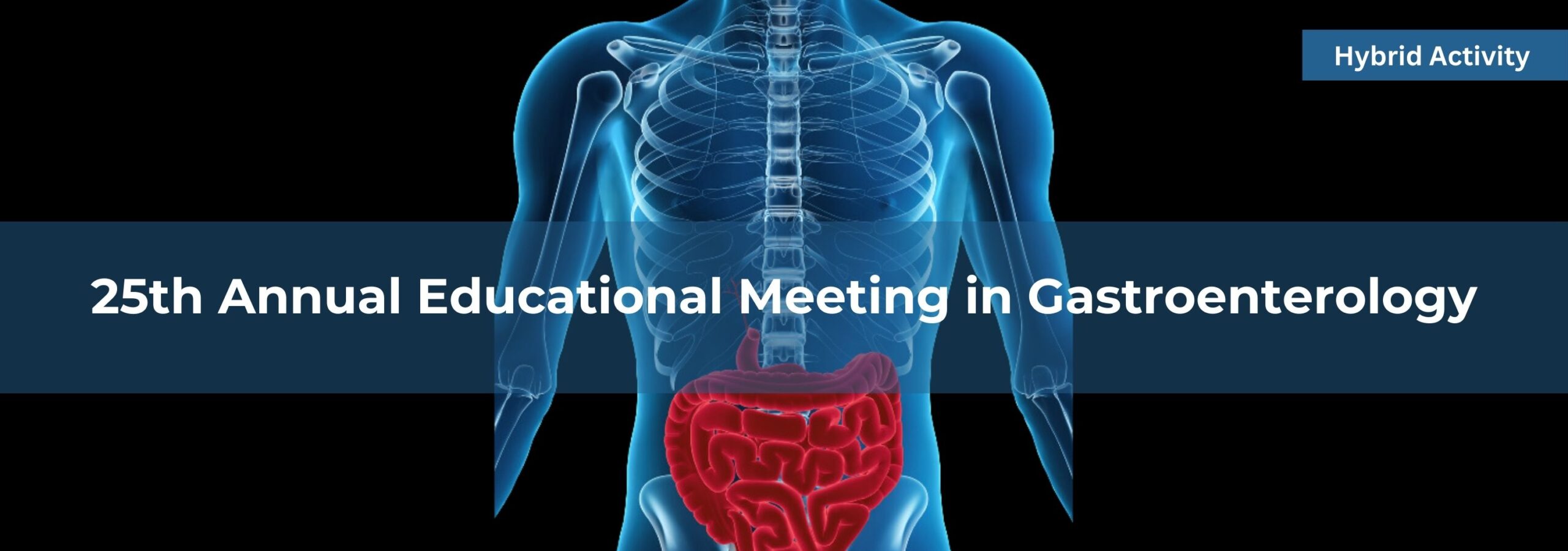
Cedars Sinai 25th Annual Educational Meeting in Gastroenterology 2025

Original price was: $60.00.$40.00Current price is: $40.00.
This Product is shared via google drive download link, So please share your correct Gmail id while placing the order .Please note that there are no CME points or certificate associated with this course Samples for Courses Can be found here : Free Samples Here!
Include: 28 videos + 26 pdfs, size: 14.6 GB
Cedars Sinai 25th Annual Educational Meeting in Gastroenterology 2025
Overview
The Cedars Sinai 25th Annual Educational Meeting in Gastroenterology 2025 provides a comprehensive update on the latest advances in gastroenterology, hepatology, digestive diseases, gastrointestinal endoscopy, inflammatory bowel disease (IBD), liver disorders, and GI motility. Designed for gastroenterologists, hepatologists, internists, surgeons, nurse practitioners, physician assistants, and other healthcare professionals, this educational program delivers practical, evidence-based strategies that can be immediately applied in clinical practice.
Hosted by Cedars-Sinai, this annual meeting brings together leading experts to discuss emerging therapies, advanced endoscopic techniques, microbiome research, liver disease management, and evolving treatment approaches for complex gastrointestinal disorders. Through expert lectures, case-based discussions, and interactive sessions, participants gain valuable insights into current guidelines, clinical challenges, and future directions in digestive healthcare.
Included Content
- 28 Video Lectures
- 26 PDF Presentations
- Expert Faculty Sessions
- Interactive Case Discussions
- Evidence-Based Clinical Updates
- Advanced Gastroenterology Education
Key Topics Covered
Inflammatory Bowel Disease (IBD)
- Ulcerative Colitis
- Crohn’s Disease
- Therapeutic Drug Monitoring
- Advanced Targeted Therapies
- Intestinal Ultrasound
- Health Maintenance in IBD
- Colonic Dysplasia Management
Hepatology & Liver Disease
- MASLD and MASH
- Alcohol-Associated Liver Disease
- Primary Biliary Cholangitis (PBC)
- Hepatocellular Carcinoma (HCC)
- Liver Lesion Evaluation
- Alcohol Use Disorder Therapies
Endoscopy & GI Oncology
- Endoscopic Ultrasound (EUS)
- GI Oncology Applications
- Post-ERCP Pancreatitis
- Advanced Endoscopic Techniques
- GLP-1 Receptor Agonists and Endoscopy
Pancreatic Disorders
- Acute Pancreatitis
- Emerging Pancreatitis Treatments
- Intra-Abdominal Abscess Management
- Pancreatic Disease Updates
GI Motility Disorders
- Gastroparesis
- Gastric Physiology Testing
- Gastric Pacemaker Therapy
- Refractory Constipation
- Colonic Inertia
- Pediatric Motility Disorders
Esophageal Disorders
- Eosinophilic Esophagitis (EoE)
- Esophageal Inflammation
- Diagnostic and Therapeutic Updates
Microbiome & Digestive Health
- Gut Microbiome Research
- Small Bowel Microbiome
- Microbiome and GI Disorders
- Microbiome-Based Therapies
Metabolic & Obesity Medicine
- Duodenal Targeting in Metabolic Disease
- Endoscopic Approaches to Metabolic Disorders
- Emerging Therapeutic Strategies
Learning Objectives
Participants will be able to:
- Review the latest advances in IBD diagnosis and treatment.
- Apply evidence-based approaches to liver disease management.
- Evaluate new therapies for MASLD, MASH, PBC, and HCC.
- Understand the expanding role of endoscopy in GI and metabolic diseases.
- Integrate microbiome science into clinical decision-making.
- Improve diagnosis and management of GI motility disorders.
- Utilize current treatment strategies for eosinophilic esophagitis and pancreatitis.
- Implement guideline-based care for complex gastrointestinal conditions.
Target Audience
This educational activity is intended for:
- Gastroenterologists
- Hepatologists
- Internal Medicine Physicians
- GI Fellows
- Surgeons
- Nurse Practitioners
- Physician Assistants
- Registered Dietitians
- Healthcare Professionals Involved in Digestive Disease Care
Educational Benefits
This program provides practical, evidence-based updates across the full spectrum of gastroenterology and hepatology. Participants will gain clinically relevant knowledge on IBD, liver disease, gastrointestinal endoscopy, GI motility disorders, pancreatitis, microbiome science, metabolic disease, and emerging therapeutic innovations, helping improve patient care and clinical outcomes.
Related products

Medical Accounts

Critical Care - Emergency medicine
Internal Medicine

Internal Medicine
Internal Medicine
Anesthesiology & pain medicine
Critical Care Symposium: Mastering ED Mechanical Ventilation
Critical Care - Emergency medicine
2022 UPDATES IN THERAPEUTICS: CRITICAL CARE PHARMACY PREPARATORY REVIEW AND RECERTIFICATION COURSE