

EHRA Advanced course on Pacemakers and ICD’s 2018

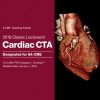
Original price was: $599.00.$35.00Current price is: $35.00.
This Product is shared via google drive download link, So please share your correct Gmail id while placing the order .Please note that there are no CME points or certificate associated with this course Samples for Courses Can be found here : Free Samples Here!
EHRA Advanced Course on Pacemakers and ICDs 2018 (Videos)
Advanced Cardiac Pacing, ICD Therapy, and Device Management Training
The EHRA Advanced Course on Pacemakers and ICDs 2018 is a specialized educational program developed by the European Heart Rhythm Association for cardiologists, electrophysiologists, fellows, and healthcare professionals seeking advanced knowledge in cardiac implantable electronic devices (CIEDs).
This course provides an in-depth review of modern pacemaker therapy, implantable cardioverter-defibrillators (ICDs), cardiac resynchronization therapy (CRT), device programming, troubleshooting, remote monitoring, and complex clinical decision-making in patients with arrhythmias and heart failure.
Designed and delivered by leading European experts in cardiac electrophysiology, the program combines evidence-based lectures, device case reviews, ECG interpretation, and practical device management strategies.
Course Overview
The management of patients with bradyarrhythmias, tachyarrhythmias, sudden cardiac death risk, and heart failure increasingly depends on advanced cardiac device therapies.
This EHRA advanced course focuses on the practical application of contemporary pacing and ICD technologies while reviewing current guidelines, implantation strategies, device programming, and management of device-related complications.
Participants gain a comprehensive understanding of how to select appropriate patients, optimize device settings, interpret device diagnostics, and manage challenging clinical scenarios encountered in everyday electrophysiology practice.
Target Audience
This program is designed for:
Physicians
• Electrophysiologists
• Cardiologists
• Heart Rhythm Specialists
• Heart Failure Specialists
Trainees
• Electrophysiology Fellows
• Cardiology Fellows
• Internal Medicine Trainees with an interest in EP
Allied Health Professionals
• Device Clinic Nurses
• Cardiac Physiologists
• Cardiac Technologists
• Device Specialists
Learning Objectives
Upon completion of this course, participants should be able to:
• Understand advanced pacing principles
• Apply current guidelines for pacemaker implantation
• Identify appropriate candidates for ICD therapy
• Optimize device programming and follow-up
• Manage device-detected arrhythmias
• Interpret device diagnostics and electrograms
• Troubleshoot pacing and ICD complications
• Utilize remote monitoring effectively
• Apply CRT therapy in heart failure patients
• Manage complex device-related clinical scenarios
Core Topics Covered
Cardiac Pacing Fundamentals
Topics Include
• Bradycardia Mechanisms
• Sinus Node Dysfunction
• Atrioventricular Block
• Pacing Indications
• Contemporary Guideline Recommendations
Pacemaker Therapy
Areas Covered
• Single-Chamber Pacemakers
• Dual-Chamber Pacemakers
• Rate-Responsive Pacing
• Physiologic Pacing Concepts
• Lead Placement Strategies
Pacemaker Programming
Topics Include
• Programming Principles
• AV Delay Optimization
• Mode Selection
• Pacing Algorithms
• Battery Management
Implantable Cardioverter Defibrillators (ICDs)
ICD Indications
Topics Covered
• Primary Prevention
• Secondary Prevention
• Sudden Cardiac Death Risk Stratification
• Ischemic Cardiomyopathy
• Non-Ischemic Cardiomyopathy
ICD Programming
Areas Covered
• Detection Zones
• Anti-Tachycardia Pacing (ATP)
• Shock Therapy Optimization
• Reducing Inappropriate Shocks
• Programming Strategies
ICD Troubleshooting
Topics Include
• Oversensing
• Undersensing
• Lead Failure
• Inappropriate Therapy
• Device Alerts
Cardiac Resynchronization Therapy (CRT)
CRT Patient Selection
Topics Covered
• Heart Failure Guidelines
• QRS Duration Assessment
• Left Bundle Branch Block
• Mechanical Dyssynchrony
CRT Optimization
Areas Covered
• Device Programming
• AV/VV Optimization
• Non-Responders
• Follow-Up Assessment
Device Electrogram Interpretation
Intracardiac Electrograms
Topics Include
• Electrogram Analysis
• Arrhythmia Discrimination
• Device Diagnostics
• Stored Events Review
• Clinical Correlation
Remote Monitoring
Modern Device Follow-Up
Areas Covered
• Remote Device Surveillance
• Alert Management
• Clinical Applications
• Workflow Optimization
• Patient Safety
Lead Management
Lead-Related Issues
Topics Covered
• Lead Performance Assessment
• Lead Failure Recognition
• Extraction Considerations
• Infection Management
• Long-Term Follow-Up
Device Complications
Recognition and Management
Topics Include
• Device Infection
• Pocket Complications
• Lead Dislodgement
• Venous Occlusion
• Device Malfunction
Arrhythmia Management
Device-Based Arrhythmia Therapy
Areas Covered
• Atrial Fibrillation Detection
• Ventricular Tachycardia Management
• Sudden Cardiac Death Prevention
• Device Therapy Optimization
Clinical Case Discussions
Participants review:
• Complex Device Cases
• Challenging Programming Scenarios
• Device Diagnostic Interpretation
• ICD Shock Management
• CRT Optimization Cases
• Real-World Electrophysiology Practice
Educational Highlights
EHRA Expert Faculty
Learn from internationally recognized leaders in pacing and electrophysiology.
Guideline-Based Education
Review current European and international recommendations.
Practical Device Focus
Emphasis on real-world device management and troubleshooting.
Advanced Clinical Applications
Designed for clinicians already familiar with basic pacing concepts.
Why This Course Stands Out
✔ Official EHRA Advanced Educational Program
✔ Comprehensive Pacemaker Education
✔ Advanced ICD Programming Review
✔ Cardiac Resynchronization Therapy Training
✔ Device Troubleshooting Strategies
✔ Intracardiac Electrogram Interpretation
✔ Sudden Cardiac Death Prevention
✔ Remote Monitoring Applications
✔ Lead Management & Complication Review
✔ Real Clinical Case Discussions
✔ Evidence-Based Electrophysiology Education
✔ Expert International Faculty
Who Should Take This Course?
Ideal for:
• Electrophysiologists
• Cardiology Fellows
• Device Specialists
• Heart Failure Cardiologists
• Clinicians involved in CIED implantation and follow-up
• Healthcare professionals preparing for advanced EP certification
Clinical & Educational Value
The EHRA Advanced Course on Pacemakers and ICDs 2018 provides a thorough and practical review of modern cardiac device therapy. Covering everything from pacing fundamentals to advanced ICD programming and CRT optimization, it is an excellent educational resource for clinicians seeking to strengthen expertise in cardiac implantable electronic devices and contemporary electrophysiology practice.
- TOPICS OF THIS COURSES :
- 01.Fundamentals_pacing.pdf
- 02.Pacing Indications.Choice.of.Pacing.Mode.
- 03.Pacemaker timing.
- 04.Pacemaker cases.
- 05.Pacemaker cases.
- 06.Pacemaker.exam.
- 07.Fundamental_ICDs.pdf
- 08.Primary and Secondary – Prevention of SCD
- 09.Specific_ICD_Behavior_V3_EHRA2012_ThomasBrueggemann.pdf
- 10.ICD.Cases.
- 11.Special clinical situations in ICD patients.
- 12.Device complications and lead extraction.
- 13.Expanding role of CRT in the management of HF patients.
- 14.CRT troubleshooting cases.
- 15.Optimization of CRT and prevention of non-responders.
- 16.Pacing and ECGs.
- 17.Indications for lead extraction.
- 18.Planning the procedure and patient preparation.
- 19.Factors.predicting.difficult.extraction.and.overview.of.lead.extraction.tools.and.techniques.
- 19.Snares and baskets- tips and tricks.
- 20.Laser sheaths- tips and tricks.
- 20.Locking.stylets.tips.and.tricks.
- 21.Lessons from the ELECTRA registry.
- 21.Mechanical.sheaths.tips.and.tricks.
- 22.Pacemaker and ICD lead design implications for extraction.
- 23.Complications of lead extraction- diagnosis and treatment.
- 24.Case presentation (difficult PM lead).
- 25.Case presentation (difficult ICD lead)
- 26.Case presentation (difficult CS lead)
- 27.Case presentation (complication-stroke)
- 28.Case presentation (complication-emergent surgical bailout)
- 29.Case presentation (complication-incomplete lead extraction
- 30.The EHRA Book of Pacemaker ICD and CRT Trouble shooting Case based learning with multiple choice questions PDF
]
Related products
Critical Care - Emergency medicine
ASN Critical Care Nephrology – 2022 Update (On-Demand and Livestream)

Internal Medicine
Internal Medicine
Critical Care - Emergency medicine
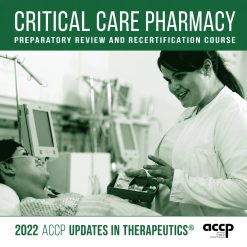
2022 UPDATES IN THERAPEUTICS: CRITICAL CARE PHARMACY PREPARATORY REVIEW AND RECERTIFICATION COURSE
Anesthesiology & pain medicine
Critical Care Symposium: Mastering ED Mechanical Ventilation

Internal Medicine
Internal Medicine