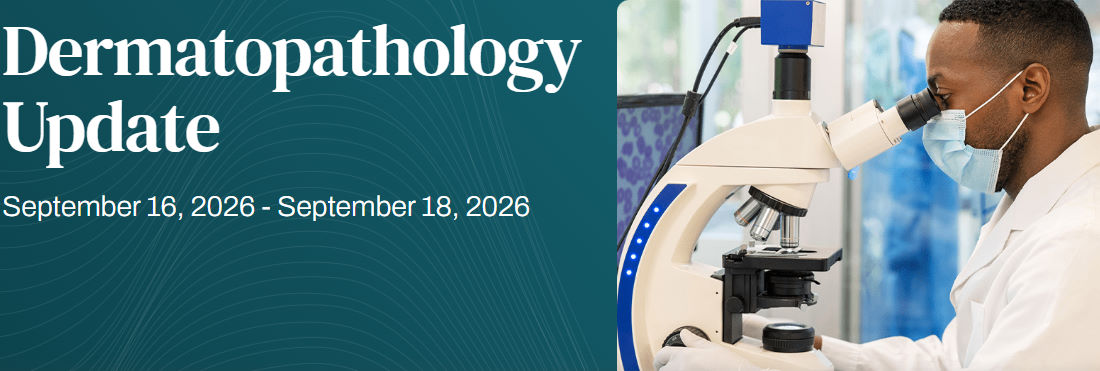
Harvard Dermatopathology Update 2026

$100.00
This Product is shared via google drive download link, So please share your correct Gmail id while placing the order .Please note that there are no CME points or certificate associated with this course Samples for Courses Can be found here : Free Samples Here!
Harvard Dermatopathology Update 2026
Harvard Medical School Dermatopathology Review 2026 | Melanocytic Tumors, Cutaneous Oncology, Skin Cancer, Molecular Pathology, Immunohistochemistry, Inflammatory Dermatoses & Diagnostic Cases
The Harvard Dermatopathology Update 2026 is a comprehensive, three-day continuing medical education program designed to provide dermatopathologists, pathologists, dermatologists, specialty physicians, and primary care clinicians with clinically relevant updates in the diagnosis and interpretation of cutaneous diseases.
Developed and offered by Massachusetts General Hospital and Brigham and Women’s Hospital, with continuing medical education accreditation through Harvard Medical School, this advanced educational program brings together experienced academic dermatopathologists and invited experts to review challenging diagnostic entities, emerging research, and contemporary approaches to skin pathology.
Held September 16–18, 2026, the original program was delivered entirely online through live virtual presentations, faculty-led discussions, and case-based teaching.
The 2026 theme, “Challenges for the Current and Future Practice of Dermatopathology,” emphasizes the diagnostic complexities facing practicing and academic physicians.
The curriculum explores major developments in cutaneous tumors, including melanocytic neoplasms, keratinocytic carcinomas, cutaneous lymphomas, pediatric soft tissue tumors, and unusual lesions involving special anatomical sites.
Additional topics include inflammatory dermatoses, granulomatous dermatitis, infectious skin diseases, inpatient dermatopathology, ophthalmic pathology relevant to dermatopathologists, quality improvement, patient safety, and artificial intelligence.
A particular emphasis is placed on integrating conventional histopathological morphology, immunohistochemistry, molecular diagnostic techniques, clinical correlation, and contemporary tumor classification and staging systems.
The course also includes a dedicated expert case discussion, challenging melanocytic consultations, and digital slide-based learning intended to strengthen diagnostic reasoning.
The Harvard Dermatopathology Update 2026 is particularly relevant to physicians seeking to improve their interpretation of challenging skin biopsies, distinguish malignant and benign cutaneous lesions, identify diagnostic pitfalls, and incorporate new advances into routine dermatopathology practice.
Course Details
- Course: Harvard Dermatopathology Update 2026
- Official Program: Dermatopathology Update
- Educational Institutions: Massachusetts General Hospital and Brigham and Women’s Hospital
- Accrediting Institution: Harvard Medical School
- Conference Dates: September 16–18, 2026
- Duration: Three Days
- Original Format: Live Online
- Original Schedule: Eastern Time
- Primary Specialty: Dermatopathology
- Additional Focus: Dermatology, Anatomic Pathology, Surgical Pathology, Cutaneous Oncology, Molecular Pathology and Dermatologic Diagnosis
- Original Maximum CME: 18.00 AMA PRA Category 1 Credits
- Original Maximum ABIM MOC: 18.00 Points, including applicable Patient Safety MOC Credit
- Original Recording Access: 30 Days After the Course for Registered Participants
- Original Learning Materials: Digital Slides, Case Questions and Electronic Handout
- Language: English
- Educational Methods: Expert Lectures, Pathology Case Discussions, Digital Slide Review and Faculty Panels
The original learning materials and recording access are governed by Harvard Medical School’s registration conditions.
The exact inventory of recordings, digital slides, PDF handouts, and additional materials in any independently supplied educational package must be verified separately.
Course Directors
Ruth Foreman, MD, PhD
Assistant Professor of Pathology, Harvard Medical School.
Assistant Pathologist, Massachusetts General Hospital.
Mai Hoang, MD
Professor of Pathology, Harvard Medical School.
Director of Dermatopathology, Massachusetts General Hospital.
George F. Murphy, MD
Professor of Pathology, Harvard Medical School.
Director of Cutaneous Oncopathology Research and Innovation, Beth Israel Deaconess Medical Center.
Attending Faculty, Dana-Farber Cancer Institute.
Co-Director, Harvard Stem Cell Institute Skin Program.
Steven Tahan, MD
Associate Professor of Pathology, Harvard Medical School.
Director of Dermatopathology Fellowship and Director of Dermatopathology, Beth Israel Deaconess Medical Center.
Course Highlights
- Three-Day Harvard Dermatopathology Review
- Advanced Cutaneous Oncopathology
- Challenging Melanocytic Tumors
- Melanoma and Melanocytic Neoplasms
- Keratinocytic Carcinomas
- Cutaneous Lymphomas
- Pediatric Soft Tissue Tumors
- Cutaneous Soft Tissue Neoplasms
- Penile Lesions
- Squamous Vulvar Lesions
- Ophthalmic and Periocular Pathology
- Inflammatory Dermatoses
- Granulomatous Dermatitis
- Cutaneous Infectious Diseases
- Inpatient Dermatopathology
- Clinical–Pathological Correlation
- Immunohistochemistry
- Molecular Pathology
- Artificial Intelligence in Pathology
- Digital Slide-Based Case Discussions
- Pathology Quality and Patient Safety
- Expert Faculty Consultation
Target Audience
The educational activity is designed for physicians and healthcare professionals involved in diagnosing and managing cutaneous diseases.
Relevant participants include:
- Dermatopathologists
- Pathologists
- Anatomic Pathologists
- Surgical Pathologists
- Dermatologists
- Academic Dermatologists
- Cutaneous Oncologists
- Dermatologic Surgeons
- Dermatopathology Fellows
- Pathology Residents
- Dermatology Residents
- Specialty Physicians
- Primary Care Physicians
- Medical Researchers
- Clinical Educators
- Healthcare Professionals Involved in Skin Biopsy Diagnosis and Interpretation
Official Learning Objectives
Upon completion of the educational activity, participants should be better able to:
- Discuss new criteria for pathological diagnoses, including molecular diagnostic approaches.
- Integrate modern tumor staging systems into relevant clinical and pathological practice.
- Evaluate and distinguish cutaneous neoplasms, including melanocytic, squamous, and lymphoid tumors, from their diagnostic mimics.
- Apply clinical–pathological correlation when evaluating inflammatory dermatoses.
Complete Official 2026 Scientific Curriculum
The following curriculum preserves the published Harvard Medical School lecture titles, faculty assignments, presentation dates, and times.
All times are Eastern Time.
Day 1 – Wednesday, September 16, 2026
Cutaneous Oncology, Pediatric Soft Tissue Tumors and Special-Site Pathology
Welcome and Introductions
Time: 8:35 AM – 8:45 AM
The opening introduces the course’s educational objectives and its central theme of contemporary and future challenges in dermatopathology.
1. Cutaneous Oncopathology Update
Time: 8:45 AM – 9:45 AM
Faculty: George F. Murphy, MD
This presentation reviews important developments in the pathology of cutaneous neoplasms.
Clinical and Diagnostic Focus
- Cutaneous Oncopathology
- Skin Tumor Classification
- Histopathological Morphology
- Diagnostic Criteria
- Tumor Biology
- Tumor Staging
- Molecular Pathology
- Immunohistochemistry
- Clinicopathological Correlation
- Emerging Diagnostic Approaches
The educational emphasis is on improving diagnostic interpretation and understanding advances in cutaneous tumor pathology.
Break
9:45 AM – 9:55 AM
2. Pediatric Soft Tissue Tumors and Their Work-up
Time: 9:55 AM – 10:55 AM
Faculty: Alyaa Al-Ibraheemi, MD
Reviews diagnostic evaluation of soft tissue tumors occurring in pediatric patients.
Clinical and Diagnostic Focus
- Pediatric Soft Tissue Tumors
- Benign and Malignant Soft Tissue Lesions
- Histopathological Features
- Differential Diagnosis
- Immunohistochemical Markers
- Molecular Testing
- Tumor Classification
- Diagnostic Work-up
- Pediatric Pathology
The session emphasizes identifying important morphological findings and selecting appropriate ancillary investigations.
Break
10:55 AM – 11:00 AM
3. Penile Lesions
Time: 11:00 AM – 12:00 PM
Faculty: Mark Mochel, MD, PhD
Reviews the dermatopathological evaluation of lesions involving penile skin and related structures.
Clinical and Diagnostic Focus
- Penile Dermatopathology
- Special-Site Skin Pathology
- Inflammatory Lesions
- Benign Neoplasms
- Premalignant Conditions
- Squamous Lesions
- Histological Differential Diagnosis
- Appropriate Ancillary Testing
- Clinicopathological Correlation
The educational focus includes distinguishing clinically and histologically similar lesions in this specialized anatomical location.
Break
12:00 PM – 1:00 PM
4. Squamous Vulvar Lesions
Time: 1:00 PM – 2:00 PM
Faculty: Gulisa Turashvili, MD, PhD
Examines squamous epithelial abnormalities involving the vulva.
Clinical and Diagnostic Focus
- Vulvar Pathology
- Squamous Epithelium
- Benign Squamous Lesions
- Premalignant Changes
- Squamous Cell Carcinoma
- Inflammatory Mimics
- Histological Assessment
- Tumor Classification
- Clinicopathological Correlation
This session highlights diagnostic considerations involving vulvar lesions and relevant differential diagnoses.
Break
2:00 PM – 2:10 PM
5. Expert Panel – Discussion of Interesting Cases
Time: 2:10 PM – 4:40 PM
Faculty:
- Ruth Foreman, MD, PhD
- Mai Hoang, MD
- Mark Mochel, MD, PhD
- George F. Murphy, MD
- Steven Tahan, MD
The original program includes an extended expert panel reviewing selected interesting and challenging dermatopathology cases.
Educational Focus
- Diagnostic Problem-Solving
- Challenging Skin Biopsies
- Morphological Assessment
- Histological Differential Diagnosis
- Clinical–Pathological Correlation
- Appropriate Ancillary Testing
- Immunohistochemistry
- Molecular Diagnostic Considerations
- Faculty Discussion
- Diagnostic Pitfalls
The original course provides digital slides and associated questions for selected cases, allowing registered participants to review material before the interactive discussion.
Recording Clarification: Live panel interaction and access to the original digital slide platform are not automatically included in independently supplied recordings.
Day 2 – Thursday, September 17, 2026
Melanocytic Tumors, AI, Keratinocytic Carcinomas and Soft Tissue Pathology
Welcome – Day 2
Time: 8:35 AM – 8:40 AM
6. Work-up of Challenging Melanocytic Tumors
Time: 8:40 AM – 9:40 AM
Faculty: Christine G. Lian, MD
Reviews diagnostic evaluation of challenging melanocytic neoplasms.
Clinical and Diagnostic Focus
- Melanocytic Neoplasms
- Benign Melanocytic Lesions
- Atypical Melanocytic Lesions
- Melanoma
- Histopathological Criteria
- Diagnostic Mimics
- Immunohistochemistry
- Molecular Pathology
- Ancillary Testing
- Diagnostic Uncertainty
The session emphasizes combining conventional morphology with appropriate additional testing when evaluating complex melanocytic lesions.
Break
9:40 AM – 9:50 AM
7. Case-Based Consultations: Melanocytic Tumors
Time: 9:50 AM – 10:50 AM
Faculty:
- Steven Tahan, MD
- Adriano Piris, MD
- George F. Murphy, MD
This session reviews difficult melanocytic tumor cases through expert consultation and clinical reasoning.
Educational Focus
- Melanocytic Tumor Interpretation
- Diagnostic Uncertainty
- Morphological Features
- Differential Diagnosis
- Ancillary Testing
- Expert Consultation
- Histopathological Correlation
- Diagnostic Pitfalls
The case-based format helps learners understand the practical challenges involved in differentiating unusual melanocytic neoplasms.
Break
10:50 AM – 11:00 AM
8. Artificial Intelligence Usage in Pathology
Time: 11:00 AM – 12:00 PM
Faculty: Anil Parwani, MD, PhD, MBA
Examines emerging applications of artificial intelligence in pathology.
Clinical and Technical Focus
- Artificial Intelligence
- Digital Pathology
- Whole-Slide Imaging
- Computational Pathology
- Image Analysis
- Diagnostic Decision Support
- Workflow Integration
- Model Validation
- Clinical Performance
- Data Quality
- Patient Safety
- Responsible AI Implementation
The educational focus is on understanding potential applications and limitations of AI-assisted pathology.
Break
12:00 PM – 1:00 PM
9. Differential Diagnosis of Keratinocytic Carcinomas
Time: 1:00 PM – 2:00 PM
Faculty: Ruth Foreman, MD, PhD
Reviews the diagnostic evaluation of keratinocytic malignancies and their histological mimics.
Clinical and Diagnostic Focus
- Keratinocytic Carcinomas
- Squamous Cell Carcinoma
- Cutaneous Epithelial Neoplasms
- Tumor Differentiation
- Histological Mimics
- Morphological Criteria
- Ancillary Investigations
- Differential Diagnosis
- Tumor Classification
- Clinical Correlation
Break
2:00 PM – 2:10 PM
10. Cutaneous Soft Tissue Tumors
Time: 2:10 PM – 3:10 PM
Faculty: Jakob Moran, MD, PhD
Reviews the diagnosis of soft tissue neoplasms involving the skin and subcutaneous tissues.
Clinical and Diagnostic Focus
- Cutaneous Soft Tissue Tumors
- Benign Mesenchymal Lesions
- Malignant Mesenchymal Tumors
- Spindle Cell Lesions
- Histological Classification
- Differential Diagnosis
- Immunohistochemistry
- Molecular Testing
- Diagnostic Work-up
Break
3:10 PM – 3:15 PM
11. Eye Pathology for Dermatopathologists
Time: 3:15 PM – 4:15 PM
Faculty: Anna Stagner, MD
Reviews ophthalmic and periocular pathology relevant to dermatopathological practice.
Clinical and Diagnostic Focus
- Ophthalmic Pathology
- Eyelid Lesions
- Periocular Skin Tumors
- Special-Site Pathology
- Histopathological Assessment
- Differential Diagnosis
- Clinical Correlation
- Appropriate Specialist Consultation
Day 3 – Friday, September 18, 2026
Inpatient Dermatopathology, Cutaneous Lymphomas, Inflammatory Disease, Infections and Quality Improvement
Welcome – Day 3
Time: 8:35 AM – 8:40 AM
12. In-Patient Dermatopathology – Case-based Approach
Time: 8:40 AM – 9:40 AM
Faculty: Mai Hoang, MD
Reviews dermatopathological diagnosis in hospitalized patients using clinical cases.
Clinical and Diagnostic Focus
- Inpatient Dermatopathology
- Acute Cutaneous Disorders
- Serious Skin Reactions
- Clinical–Pathological Correlation
- Complex Skin Biopsies
- Differential Diagnosis
- Multidisciplinary Consultation
- Diagnostic Decision-Making
The session emphasizes the importance of combining histological findings with clinical presentation in complex hospitalized patients.
Break
9:40 AM – 9:50 AM
13. Cutaneous Lymphomas
Time: 9:50 AM – 10:50 AM
Faculty: Philip Bulterys, MD, PhD
Reviews the recognition and pathological evaluation of cutaneous lymphoid neoplasms.
Clinical and Diagnostic Focus
- Cutaneous Lymphomas
- Cutaneous T-Cell Lymphoma
- Cutaneous B-Cell Lymphoma
- Lymphoproliferative Disorders
- Histological Patterns
- Immunohistochemistry
- Molecular Testing
- Reactive Lymphoid Mimics
- Disease Classification
- Clinical Correlation
The educational emphasis includes distinguishing malignant lymphoid lesions from inflammatory and reactive conditions.
Break
10:50 AM – 11:00 AM
14. Approach to Granulomatous Dermatitis
Time: 11:00 AM – 12:00 PM
Faculty: Steven Tahan, MD
Examines the diagnostic approach to granulomatous inflammatory skin disease.
Clinical and Diagnostic Focus
- Granulomatous Dermatitis
- Granulomatous Inflammation
- Histopathological Patterns
- Infectious Causes
- Noninfectious Causes
- Differential Diagnosis
- Special Stains
- Ancillary Testing
- Clinical–Pathological Correlation
The presentation emphasizes understanding the histological features of granulomatous skin reactions and their diagnostic implications.
Break
12:00 PM – 1:00 PM
15. Cutaneous Infectious Diseases
Time: 1:00 PM – 2:00 PM
Faculty: Alvaro Laga Canales, MD, MMSc
Reviews the pathology of infectious disorders affecting the skin.
Clinical and Diagnostic Focus
- Cutaneous Infections
- Bacterial Skin Disease
- Fungal Skin Disease
- Viral Skin Disease
- Parasitic Skin Disease
- Histopathological Patterns
- Special Stains
- Microbiological Correlation
- Molecular Testing
- Differential Diagnosis
The educational focus includes appropriate use of morphology and supporting diagnostic investigations.
16. Design and Implementation of Quality and Safety Rounds Across MGB Pathology
Time: 2:00 PM – 3:00 PM
Faculty: Mia S. DeSimone, MD, MPH
Examines quality improvement and patient safety approaches within pathology services.
Educational Focus
- Pathology Quality Assurance
- Patient Safety
- Diagnostic Quality
- Multidisciplinary Review
- Quality Improvement
- Error Prevention
- Clinical Communication
- Workflow Assessment
- Institutional Safety Programs
The session addresses how structured quality and safety activities can support improvements in pathology practice.
17. Interesting Cutaneous Pediatric Cases
Time: 3:00 PM – 3:30 PM
Faculty: Dimitra Pouli, MD, PhD, EMBA
Reviews selected challenging pediatric dermatopathology cases.
Clinical and Diagnostic Focus
- Pediatric Skin Pathology
- Unusual Cutaneous Lesions
- Pediatric Tumors
- Inflammatory Skin Conditions
- Histological Interpretation
- Diagnostic Differential
- Clinical–Pathological Correlation
Closing Remarks
Time: 3:30 PM – 3:35 PM
Concludes the original three-day Harvard Dermatopathology Update 2026 program.
Major Topics Covered
- Harvard Dermatopathology Update 2026
- Harvard Medical School
- Dermatopathology
- Anatomic Pathology
- Surgical Pathology
- Cutaneous Oncopathology
- Melanocytic Tumors
- Melanoma
- Keratinocytic Carcinomas
- Squamous Cell Carcinoma
- Cutaneous Soft Tissue Tumors
- Pediatric Soft Tissue Tumors
- Penile Dermatopathology
- Vulvar Squamous Lesions
- Cutaneous Lymphomas
- Inpatient Dermatopathology
- Granulomatous Dermatitis
- Cutaneous Infectious Diseases
- Pediatric Dermatopathology
- Ophthalmic Pathology
- Immunohistochemistry
- Molecular Pathology
- Digital Pathology
- Artificial Intelligence
- Clinical–Pathological Correlation
- Pathology Case Discussions
- Diagnostic Pitfalls
- Pathology Quality Improvement
- Patient Safety
Melanocytic Tumors and Cutaneous Oncology
The course emphasizes challenging melanocytic lesions and developments in the diagnosis of cutaneous neoplasms.
Important educational areas include histological assessment, ancillary testing, molecular pathology, tumor classification, and differentiation of malignant lesions from benign mimics.
Immunohistochemistry and Molecular Pathology
Immunohistochemistry and molecular diagnostic methods may provide additional information when conventional morphology is insufficient for a definitive diagnosis.
The program reviews their relevance to complex cutaneous lesions, tumor differentiation, and modern diagnostic approaches.
Inflammatory Dermatopathology
Inflammatory skin disease may produce overlapping histopathological patterns.
The curriculum addresses granulomatous dermatitis, inpatient skin disease, and other inflammatory presentations requiring clinical correlation.
Cutaneous Lymphomas
Cutaneous lymphoid disorders can present important diagnostic challenges.
The program examines clinical and pathological approaches to recognizing lymphoid neoplasms and distinguishing them from reactive conditions.
Pediatric and Special-Site Pathology
Dedicated educational sessions address pediatric soft tissue tumors, penile lesions, vulvar squamous lesions, and eye pathology.
These presentations emphasize anatomical context, differential diagnosis, and appropriate diagnostic investigation.
Artificial Intelligence in Pathology
AI and digital pathology are emerging areas of interest in contemporary diagnostic practice.
The program examines potential applications alongside the need for clinical validation, quality assessment, and professional oversight.
Case-Based Learning
The original Harvard course features expert case discussions and digital slides for review.
This format supports histological pattern recognition, differential diagnosis, and expert-led diagnostic reasoning.
Quality Improvement and Patient Safety
The educational program also includes institutional approaches to pathology quality and safety.
Important areas include diagnostic review, error prevention, clinical communication, and continuous improvement in pathology services.
Continuing Medical Education
The original Harvard Dermatopathology Update 2026 was accredited by Harvard Medical School.
The provider designated the live activity for a maximum of:
- 18.00 AMA PRA Category 1 Credits
- 18.00 ABIM MOC Points, subject to applicable requirements
- Patient Safety MOC Credit, under the original provider’s eligibility conditions
Physicians should claim only credits corresponding to their eligible participation.
Harvard Medical School requires completion of the course evaluation and credit claim process within the applicable time limit.
Important CME Notice
Purchasing separately distributed educational files does not automatically include:
- Harvard Medical School CME Credits
- ABIM MOC Points
- Patient Safety MOC Credit
- Official Harvard Completion Certificates
- Harvard Course Registration
- Original Live Online Attendance
- Harvard Learning Platform Access
- Original Digital Slide Portal Access
- Publisher-Hosted Case Questions
- Live Faculty Interaction
Original Learning Materials and Recording Access
The original Harvard course includes electronic educational materials and selected digital pathology slides associated with case-based teaching.
Harvard states that sessions are recorded and available to registered participants for online review for 30 days after the course.
The original handout and online supplemental material are educational aids and do not independently qualify for additional CME credit.
Digital Package Clarification: The original program schedule does not establish the exact number of downloadable video files, PDFs, slide images, subtitles, or other materials offered through an independent retailer.
Why This Course Is Relevant
The Harvard Dermatopathology Update 2026 provides a comprehensive educational review of challenging and evolving topics in dermatopathology.
Its curriculum integrates conventional histopathology, immunohistochemistry, molecular diagnostics, clinical correlation, and emerging technologies to support the interpretation of complex skin disorders.
The course addresses melanocytic tumors, cutaneous oncology, pediatric and soft tissue tumors, lymphoid neoplasms, inflammatory dermatoses, infections, and special-site pathology.
The combination of expert-led lectures, case discussions, and quality improvement education makes the program relevant to practicing dermatopathologists, pathologists, dermatologists, residents, fellows, and other clinicians involved in the diagnosis of cutaneous disease.
Course Information
| Feature | Details |
|---|---|
| Course | Harvard Dermatopathology Update 2026 |
| Accreditation | Harvard Medical School |
| Educational Providers | Massachusetts General Hospital and Brigham and Women’s Hospital |
| Dates | September 16–18, 2026 |
| Duration | Three Days |
| Format | Live Online |
| Published Scientific Sessions | 17 numbered sessions, including expert case discussions |
| Maximum CME | 18.00 Credits |
| Maximum ABIM MOC | 18.00 Points |
| Original Recording Access | 30 Days Following the Course |
| Primary Specialty | Dermatopathology |
| Language | English |
Official Program Reference
Harvard Medical School – Dermatopathology Update:
https://learn.hms.harvard.edu/programs/dermatopathology-update
The official course page provides the program overview, learning objectives, faculty, lecture titles, dates, times, and accreditation details.
The 2026 schedule describes the original scientific program and does not independently verify the complete contents of any separately distributed educational package.
Frequently Asked Questions
What is Harvard Dermatopathology Update 2026?
It is a three-day educational course reviewing important advances and diagnostic challenges in cutaneous pathology.
When was the course held?
September 16–18, 2026.
What was the original course format?
Live Online.
Does the course cover melanocytic tumors?
Yes. The published curriculum includes challenging melanocytic tumor work-ups and case-based consultations.
Does it cover cutaneous lymphomas?
Yes. The program includes a dedicated session on cutaneous lymphomas.
Is molecular pathology included?
Yes. Molecular diagnostic approaches and immunohistochemistry are important themes of the educational activity.
Does the course include artificial intelligence?
Yes. The published 2026 curriculum includes a session on AI usage in pathology.
Are pediatric and special-site conditions covered?
Yes. Sessions address pediatric soft tissue tumors, pediatric cases, penile lesions, vulvar lesions, and ophthalmic pathology.
Does the course include case discussions?
Yes. The original program includes a dedicated expert case panel and melanocytic tumor case-based consultations.
Are CME credits included with independently supplied educational files?
No. Official credits require eligible participation through Harvard Medical School under its accreditation requirements.
Short Description
Harvard Dermatopathology Update 2026 provides a comprehensive three-day educational review of cutaneous pathology, melanocytic tumors, skin cancer, cutaneous lymphomas, inflammatory dermatoses, infectious diseases, molecular diagnostics, and challenging dermatopathology cases.
Held September 16–18, 2026, the original Harvard Medical School live online program features expert lectures, dermatopathology case discussions, digital slide-based learning, and updates in immunohistochemistry and artificial intelligence.
+ Topics:
Day 1: Wednesday, September 16, 2026
| Time | Topic | Speaker(s) |
| 8:35 – 8:45 am | Welcome and Introductions | |
| 8:45 – 9:45 am | Cutaneous Oncopathology Update | George F. Murphy |
| 9:45 – 9:55 am | Break | |
| 9:55 – 10:55 am | Pediatric Soft Tissue Tumors and Their Work-up | Alyaa Al-Ibraheemi |
| 10:55 – 11:00 am | Break | |
| 11:00 am – 12:00 pm | Penile Lesions | Mark Mochel |
| 12:00 – 1:00 pm | Break | |
| 1:00 – 2:00 pm | Squamous Vulvar Lesions | Gulisa Turashvili |
| 2:00 – 2:10 pm | Break | |
| 2:10 – 4:40 pm | Expert Panel – Discussion of Interesting Cases | Ruth Foreman; Mai Hoang; Mark Mochel; George F. Murphy; Steven Tahan |
Day 2: Thursday, September 17, 2026
| Time | Topic | Speaker(s) |
| 8:35 – 8:40 am | Welcome – Day 2 | |
| 8:40 – 9:40 am | Work-up of Challenging Melanocytic Tumors | Christine G. Lian |
| 9:40 – 9:50 am | Break | |
| 9:50 – 10:50 am | Case-Based Consultations: Melanocytic Tumors | Steven Tahan; Adriano Piris; George F. Murphy |
| 10:50 – 11:00 am | Break | |
| 11:00 am – 12:00 pm | Artificial Intelligence Usage in Pathology | Anil Parwani |
| 12:00 – 1:00 pm | Break | |
| 1:00 – 2:00 pm | Differential Diagnosis of Keratinocytic Carcinomas | Ruth Foreman |
| 2:00 – 2:10 pm | Break | |
| 2:10 – 3:10 pm | Cutaneous Soft Tissue Tumors | Jakob Moran |
| 3:10 – 3:15 pm | Break | |
| 3:15 – 4:15 pm | Eye Pathology for Dermatopathologists | Anna Stagner |
Day 3: Friday, September 18, 2026
| Time | Topic | Speaker(s) |
| 8:35 – 8:40 am | Welcome – Day 3 | |
| 8:40 – 9:40 am | In-Patient Dermatopathology – Case-based Approach | Mai Hoang |
| 9:40 – 9:50 am | Break | |
| 9:50 – 10:50 am | Cutaneous Lymphomas | Philip Bulterys |
| 10:50 – 11:00 am | Break | |
| 11:00 am – 12:00 pm | Approach to Granulomatous Dermatitis | Steven Tahan |
| 12:00 – 1:00 pm | Break | |
| 1:00 – 2:00 pm | Cutaneous Infectious Diseases | Alvaro Laga Canales |
| 2:00 – 3:00 pm | Design and Implementation of Quality and Safety Rounds Across MGB Pathology | Mia DeSimone |
| 3:00 – 3:30 pm | Interesting Cutaneous Pediatric Cases | Dimitra Pouli |
| 3:30 – 3:35 pm | Closing Remarks |
Related products
Dermatology
Critical Care - Emergency medicine
Introduction to Adult EM Bootcamp + The Practice of Emergency Medicine (Hippo) 2020

Dermatology