
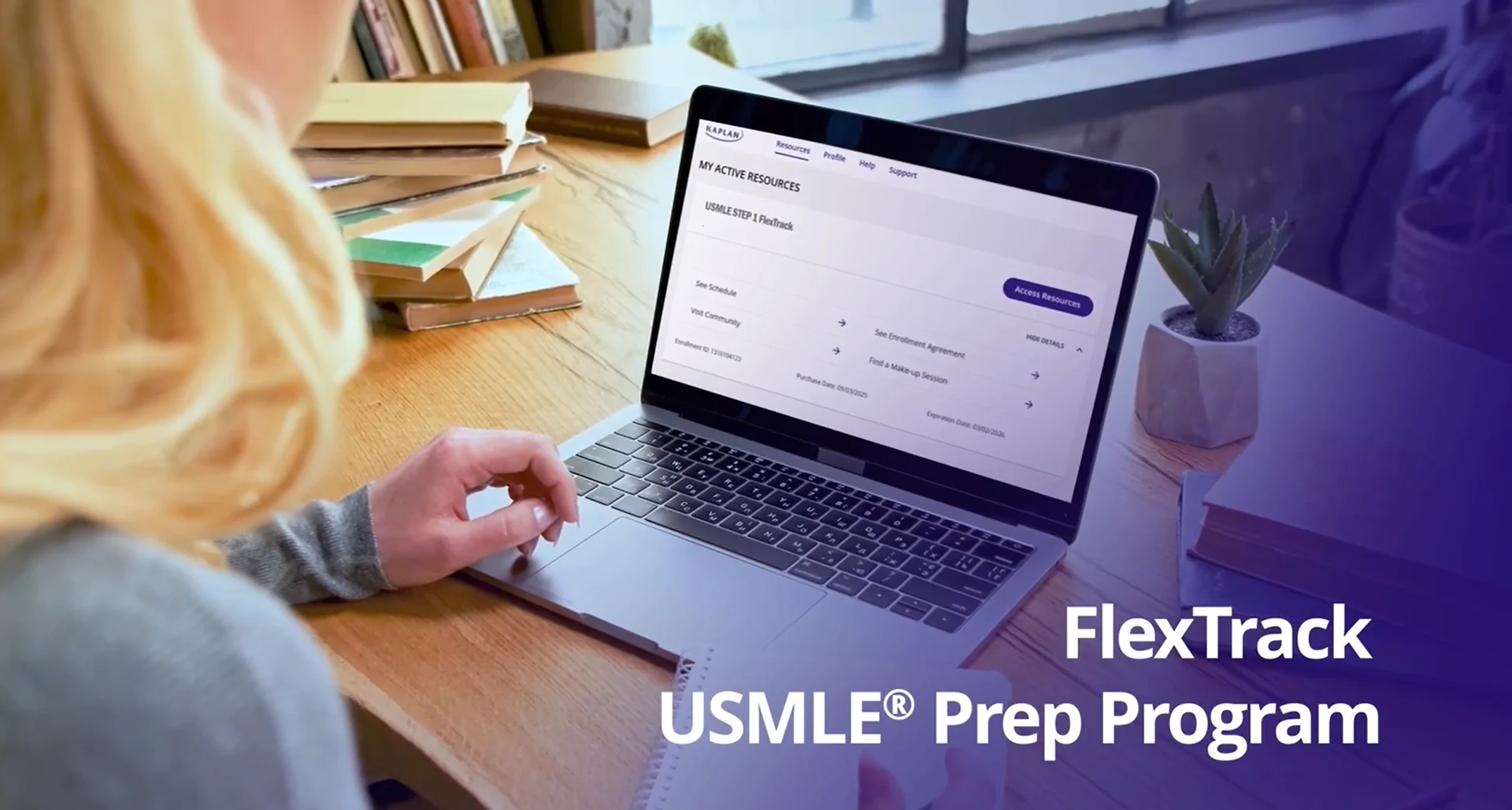
Kaplan USMLE Step 1 2026 (Videos + Quiz + Questions with Answers)

Original price was: $1,299.00.$200.00Current price is: $200.00.
Prepare for USMLE Step 1 with a package listed as videos, quizzes and questions with answers. Review basic sciences by discipline or connect them through organ-system study. The curriculum includes anatomy, physiology, pathology, pharmacology, microbiology, immunology and behavioral sciences; consult the sample for the supplied file contents.
Delivery Information: This Product is shared via google drive download link. Please use your correct Gmail address at checkout.
Please note: there are no CME points or certificate associated with this course.
Samples for Courses Can be found here: Free Samples Here!
Kaplan USMLE Step 1
This Kaplan USMLE Step 1 package brings together videos, quizzes and questions with answers for reviewing the basic sciences. Study can be organized by discipline—such as anatomy, physiology, pathology and pharmacology—or around organ systems to connect mechanisms with clinical presentations. It is intended for medical students and graduates building their foundation for USMLE Step 1.
The topic lists below describe the source curriculum and retain the subjects from this listing. They are not a verified lesson-by-lesson file inventory. Kaplan’s advertised video and question totals, lecture-note access, diagnostic assessments and platform features should not be assumed to be included in this package; consult the sample for the supplied materials. Official Kaplan account access, tutoring and study dashboards are separate.
Discipline-Based Review
Anatomy
- Gross anatomy
- Neuroanatomy
- Musculoskeletal anatomy
- Embryology
- Anatomical relationships
- Clinical correlations
Behavioral Sciences
- Biostatistics
- Epidemiology
- Ethics
- Patient communication
- Behavioral medicine
- Health systems
- Population health
- Clinical decision-making
Biochemistry
- Metabolic pathways
- Molecular biology
- Genetics
- Enzyme function
- Cellular metabolism
- DNA and RNA
- Gene expression
- Nutritional biochemistry
Immunology
- Innate immunity
- Adaptive immunity
- Antibodies
- T-cell function
- B-cell function
- Hypersensitivity
- Autoimmunity
- Immunodeficiency
- Vaccination
Microbiology
- Bacteria
- Viruses
- Fungi
- Parasites
- Antimicrobial mechanisms
- Host-pathogen interaction
Physiology
- Cardiovascular physiology
- Pulmonary physiology
- Renal physiology
- Gastrointestinal physiology
- Endocrine physiology
- Reproductive physiology
- Neurophysiology
- Acid-base physiology
Pathology
- Mechanisms of disease
- Cellular injury
- Inflammation
- Neoplasia
- Organ-system pathology
- Histopathology
- Clinical disease patterns
Pharmacology
- Pharmacokinetics
- Pharmacodynamics
- Mechanisms of action
- Drug interactions
- Adverse effects
- Therapeutic indications
- Toxicology
- System-specific pharmacology
Organ-System-Based Review
Foundations of Medicine
- Cellular biology
- Genetics
- Immunology
- Pathology
- Pharmacologic principles
- Molecular mechanisms
Nervous System
- Neuroanatomy
- Neurophysiology
- Neuropathology
- Neurology
- Neuropharmacology
Cardiovascular System
- Hemodynamics
- Cardiac physiology
- Murmurs
- Ischemic heart disease
- Heart failure
- Arrhythmias
- Hypertension
- Cardiovascular pharmacology
Respiratory System
- Pulmonary physiology
- Ventilation and perfusion
- Acid-base physiology
- Obstructive disease
- Restrictive disease
- Pulmonary pathology
- Respiratory pharmacology
Renal System
- Renal physiology
- Glomerular function
- Tubular transport
- Electrolytes
- Acid-base disorders
- Kidney disease
- Renal pharmacology
Gastrointestinal System
- Anatomy
- Physiology
- Digestion
- Absorption
- Pathology
- Liver disease
- Pancreatic disease
- GI pharmacology
Endocrine System
- Hormonal physiology
- Feedback mechanisms
- Pituitary disease
- Thyroid disorders
- Adrenal disease
- Diabetes
- Calcium metabolism
- Endocrine pharmacology
Reproductive System
- Male reproductive anatomy
- Female reproductive anatomy
- Reproductive physiology
- Embryology
- Pregnancy
- Reproductive pathology
- Hormonal pharmacology
Musculoskeletal, Skin & Connective Tissue
- Musculoskeletal anatomy
- Bone physiology
- Muscle disease
- Dermatology
- Rheumatology
- Connective tissue disorders
- Autoimmune disease
Hematology & Oncology
- Anemia
- Hemoglobin disorders
- Coagulation
- Leukemia
- Lymphoma
- Cancer biology
- Oncogenes
- Tumor suppressors
- Chemotherapy principles
Immune System
- Immunodeficiency
- Hypersensitivity
- Autoimmune disease
- Transplant immunology
- Immune therapies
- Vaccine mechanisms
Infectious Disease
- Pathogen identification
- Disease patterns
- Antimicrobial mechanisms
- Resistance
- Appropriate therapy
- Host response
Related products
Internal Medicine
Internal Medicine
Critical Care - Emergency medicine
ASN Critical Care Nephrology – 2022 Update (On-Demand and Livestream)
Critical Care - Emergency medicine
Internal Medicine
Anesthesiology & pain medicine
Medical Accounts
Critical Care - Emergency medicine