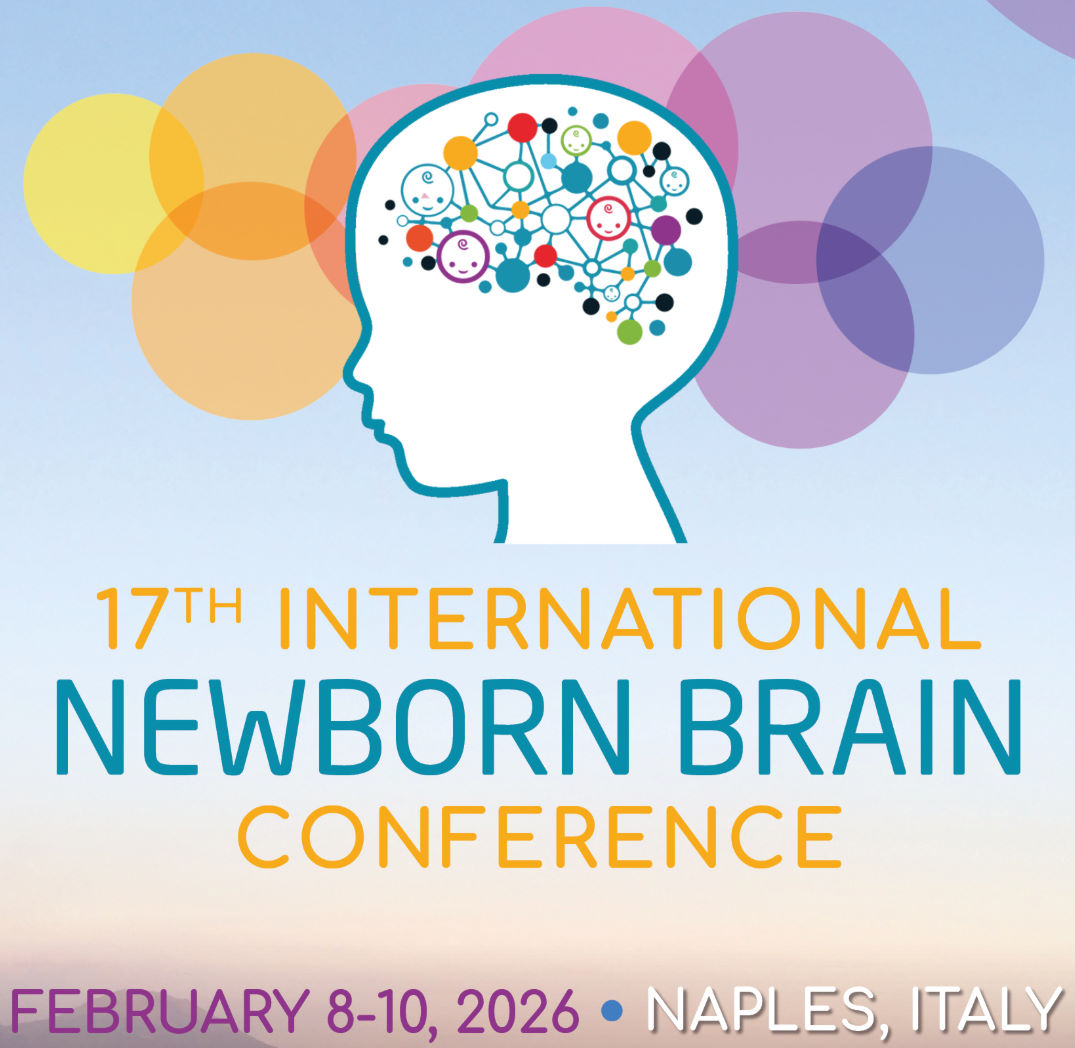
MCA Scientific Events 17th International Newborn Brain Conference 2026

$90.00
This Product is shared via google drive download link, So please share your correct Gmail id while placing the order .Please note that there are no CME points or certificate associated with this course Samples for Courses Can be found here : Free Samples Here!
MCA Scientific Events 17th International Newborn Brain Conference 2026 (Videos)
Comprehensive Neonatal Neurology, HIE, Neonatal Seizures, Brain Monitoring, Neuroprotection & Newborn Brain Care
Advance your expertise in neonatal neurology and newborn neurocritical care with the MCA Scientific Events – 17th International Newborn Brain Conference 2026, an internationally recognized educational program organized by the Newborn Brain Society. Held February 8–10, 2026, in Naples, Italy, this multidisciplinary conference brings together world-leading clinicians, researchers, scientists, and healthcare professionals dedicated to improving neurological outcomes in newborn infants.
Through keynote lectures, plenary sessions, expert panel discussions, pre-conference workshops, abstract presentations, and case-based learning, participants explore the latest advances in neonatal brain monitoring, neuroprotection, hypoxic-ischemic encephalopathy (HIE), neonatal seizures, congenital CMV, neonatal stroke, neuroimaging, quality improvement, and emerging cellular therapies.
Product Details
- Course: 17th International Newborn Brain Conference 2026
- Provider: MCA Scientific Events / Newborn Brain Society
- Conference Dates: February 8–10, 2026
- Location: Naples, Italy
- Format: Videos
- Language: English
- Educational Level: Advanced
- Learning Format: Expert Lectures, Plenary Sessions, Workshops, Case Discussions, Scientific Presentations
Course Overview
Neonatal brain injury remains one of the leading causes of lifelong neurological disability worldwide. Advances in neurocritical care, bedside brain monitoring, neuroimaging, therapeutic hypothermia, seizure management, and neuroprotective strategies continue to transform the care of critically ill newborns.
The 17th International Newborn Brain Conference 2026 delivers an evidence-based review of modern newborn brain care, emphasizing multidisciplinary collaboration between neonatologists, pediatric neurologists, neuroscientists, nurses, therapists, and advanced practice providers.
Participants will explore practical strategies for neonatal neurological monitoring, quality improvement initiatives, congenital infections, neonatal stroke, hydrocephalus management, neurodevelopmental follow-up, telehealth integration, and implementation of standardized clinical pathways across diverse healthcare settings.
What You’ll Learn
After completing this course, participants will be able to:
- Apply bedside neuroimaging and neurological monitoring techniques.
- Implement standardized neonatal seizure detection and treatment pathways.
- Optimize management of hypoxic-ischemic encephalopathy (HIE).
- Develop evidence-based protocols for post-hemorrhagic ventricular dilatation (PHVD).
- Evaluate emerging cellular therapies for neonatal brain injury.
- Improve congenital CMV screening and long-term follow-up.
- Integrate sleep-aware neonatal care into neurodevelopmental practice.
- Strengthen multidisciplinary communication and quality improvement programs.
Comprehensive Topics Covered
Neonatal Brain Monitoring
Master bedside neurological assessment.
Topics include:
- Cranial ultrasound (CUS)
- EEG
- Continuous EEG (cEEG)
- Amplitude-integrated EEG (aEEG)
- Near-infrared spectroscopy (NIRS)
- Brain monitoring
- Neuromonitoring
Hypoxic-Ischemic Encephalopathy (HIE)
Optimize neuroprotective care.
Topics include:
- Therapeutic hypothermia
- HIE prevention
- Neuroprotection
- Biomarkers
- Resource-limited settings
- Clinical protocols
- Neonatal encephalopathy
Neonatal Seizures
Improve diagnosis and treatment.
Topics include:
- Neonatal seizures
- aEEG interpretation
- Continuous EEG
- Seizure detection
- Escalation protocols
- Anticonvulsant therapy
- Neurocritical care
Neonatal Stroke & Brain Injury
Review emerging evidence.
Topics include:
- Neonatal stroke
- Preterm brain injury
- Cellular therapies
- Neuroregeneration
- Brain development
- Clinical outcomes
- Research updates
Post-Hemorrhagic Ventricular Dilatation (PHVD)
Enhance hydrocephalus management.
Topics include:
- PHVD
- Ventricular measurements
- Intervention timing
- Clinical pathways
- Monitoring protocols
- Neurosurgical referral
- Neonatal hydrocephalus
Congenital CMV
Strengthen screening and follow-up.
Topics include:
- Congenital CMV
- Screening
- Diagnosis
- Family counseling
- Long-term follow-up
- Hearing outcomes
- Neurodevelopment
Sleep & Neurodevelopment
Promote healthy brain development.
Topics include:
- Neonatal sleep
- Actigraphy
- Care journals
- Neurodevelopment
- Developmental outcomes
- Family-centered care
- Sleep-aware practice
Quality Improvement & Telehealth
Improve systems of care.
Topics include:
- Quality improvement
- Clinical pathways
- Telehealth
- Family communication
- Multidisciplinary care
- Protocol implementation
- Healthcare innovation
Learning Objectives
Upon completion of this educational activity, participants will be able to:
- Apply bedside neuroimaging and neuromonitoring techniques including CUS, EEG/cEEG, and NIRS.
- Develop quality improvement pathways and effective family communication strategies, including telehealth integration.
- Critically evaluate cellular therapies and current evidence for neonatal stroke and preterm brain injury.
- Establish standardized neonatal seizure detection and escalation protocols using aEEG and continuous EEG.
- Adapt prevention and treatment strategies for hypoxic-ischemic encephalopathy using biomarkers and evidence-based protocols.
- Implement standardized pathways for post-hemorrhagic ventricular dilatation, including measurement, intervention timing, and escalation.
- Evaluate current evidence supporting therapeutic hypothermia in late preterm infants.
- Develop congenital CMV screening, counseling, and follow-up programs.
- Integrate sleep-aware neonatal care practices to optimize neurodevelopmental outcomes.
Educational Highlights
- Neonatal Neurology
- Neonatal Neurocritical Care
- Newborn Brain Care
- Hypoxic-Ischemic Encephalopathy (HIE)
- Therapeutic Hypothermia
- Neonatal Seizures
- aEEG
- Continuous EEG
- Cranial Ultrasound
- Near-Infrared Spectroscopy (NIRS)
- Neonatal Stroke
- Cellular Therapy
- Congenital CMV
- Post-Hemorrhagic Ventricular Dilatation (PHVD)
- Neurodevelopment
- Telehealth
- Quality Improvement
- Pediatric Neurology
- Neonatology
- Continuing Medical Education (CME)
Why This Course Stands Out
The 17th International Newborn Brain Conference 2026 represents one of the world’s premier educational meetings dedicated exclusively to newborn brain health. Combining cutting-edge neuroscience, bedside monitoring technologies, neurocritical care, quality improvement initiatives, and multidisciplinary collaboration, the program delivers practical, evidence-based strategies for improving neurological outcomes in critically ill newborns.
Target Audience
This educational activity is ideal for:
- Neonatologists
- Pediatric Neurologists
- Pediatricians
- Neonatal Fellows
- Pediatric Neurology Fellows
- Advanced Practice Providers (NPs & PAs)
- NICU Nurses
- Neonatal Therapists
- Clinical Researchers
- Scientists
- Medical Trainees
- Healthcare Professionals involved in neonatal brain care
Why Choose This Course?
Whether you provide care in a neonatal intensive care unit, pediatric neurology service, or newborn follow-up clinic, the 17th International Newborn Brain Conference 2026 delivers comprehensive education on the latest advances in neonatal neurology. Through expert-led lectures, multidisciplinary discussions, and evidence-based clinical guidance, participants gain practical skills that improve diagnosis, monitoring, neuroprotection, and long-term neurodevelopmental outcomes for newborn infants.
Topics
-
Pre-Conference Workshops (Parallel Sessions):
-
Neuroimaging in term neonates
-
Neuroimaging in preterm
-
CUS – Hands on simulation
-
EEG & CEEG basics
-
Quality improvement
-
NIRS
-
Communicating uncertainty in HIE
-
Multimodal monitoring for neonatal brain health and physiology
-
Telehealth implementation
-
-
Keynote Lecture: Brains at work: the neonatal neurology journey from W.J. Little to the digital twin
-
Cellular Therapies for Neonatal Brain Injury:
-
Tiny messengers, big impact: extracellular vesicle signaling in neonatal brain injury
-
Cell therapies for preterm brain injury
-
MSC treatment for perinatal arterial ischemic stroke
-
-
HIE in Resource-Limited Settings:
-
The global landscape of HIE: how resource settings shape perinatal care and disease burden
-
Optimising early childhood outcomes for children with HIE and their families in resource limited settings
-
HIE in South Africa – molecular pathogenesis and biomarker discovery
-
-
Sleep in the Neonate: Impact and Outcome:
-
Neonatal sleep physiology and early executive functioning in preterm infants
-
Assessing sleep-wake patterns of preterm infants using actigraphy and care journals: a feasibility study
-
Disordered sleep in high-risk infants: impacts from NICU to childhood
-
-
The Andy Whitelaw Session on PHVD:
-
Role of autotaxin in pathophysiology of posthemorrhagic hydrocephalus
-
Protocolization of PHVD diagnosis and management: A QI initiative
-
Novel etiologies and treatments of hydrocephalus
-
-
Small Group Discussions:
-
Developmental care during TH
-
Management during HIE
-
Neonatal neurocritical care training
-
Working with industry / Connecting families to resources
-
Seizure diagnosis and management
-
Quality improvement: preterm newborn QI such as nursing care bundles
-
-
Debate Symposium: Cooling Late Preterm:
-
Preclinical studies of hypothermia for HIE in preterm infants
-
Pro: evidence from clinical experience
-
Con: evidence from the NICHD neonatal research network hypothermia trial in preterm infants 33-35 weeks gestation
-
-
Screening and Impact of Congenital CMV:
-
Fetal screening for congenital CMV: clinical approach
-
Universal screening for CMV
-
Impact of CMV
-
-
Abstract Platform Presentations
-
Poster Walk Topics: Fetal neurology and neonatal Brain development (both normal and abnormal aspects), Quality improvement, Neonatal neurocritical care (includes seizures, continuous aEEG, and EEG monitoring; Other forms of brain monitoring, such as NIRS, fMRI, biochemical, etc.), Neuroprotection strategies in fetuses and neonates, Neuro-imaging studies, Long-term outcomes & developmental care (includes palliative care, ethical dilemmas, and challenging clinical scenarios in neonatal neurology)
Related products

Family medicine
Critical Care - Emergency medicine
Neurology / neurosurgery courses
International League Against Epilepsy 14th International Newborn Brain Conference 2023

Critical Care - Emergency medicine
Medical Accounts