
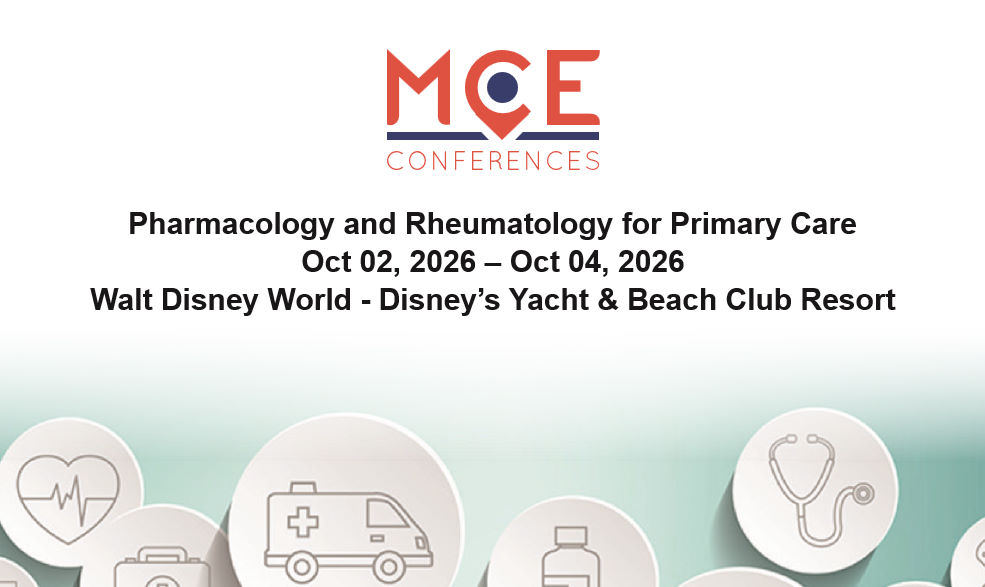
MCE Conferences Pharmacology and Rheumatology for Primary Care October 2 – 4, 2026 (Copy)
$125.00
This Product is shared via google drive download link, So please share your correct Gmail id while placing the order .Please note that there are no CME points or certificate associated with this course Samples for Courses Can be found here : Free Samples Here!
MCE Conferences Pharmacology and Rheumatology for Primary Care October 2–4, 2026
Clinical Pharmacology, Rheumatology, and Medication Safety for Primary Care
12 Published Scientific Lectures | Three-Day Program | October 2–4, 2026 | English
The MCE Conferences Pharmacology and Rheumatology for Primary Care October 2–4, 2026 program provides a practical review of medication management, rheumatic disease, and musculoskeletal conditions encountered in primary care.
Organized by MCE Conferences, the original three-day conference was held at Disney’s Yacht & Beach Club Resort in Walt Disney World, Lake Buena Vista, Florida, USA, with scientific sessions at the Disney Yacht & Beach Convention Center.
The curriculum brings together clinical pharmacology and rheumatology through lectures, clinical cases, evidence-based reviews, and interactive discussions. Its focus includes appropriate diagnosis, rational medication selection, prescribing safety, guideline-informed treatment, and long-term management.
Across 12 published scientific lectures, the program addresses opioid prescribing, depression pharmacotherapy, joint and muscle pain, osteoarthritis, fibromyalgia, inflammatory arthritis, biologic therapy, geriatric polypharmacy, chronic kidney disease, anxiety, sleep disorders, gout, CPPD, and systemic connective tissue diseases.
Particular attention is given to patients with multiple chronic conditions, medication interactions, immune-mediated disease, renal impairment, and age-related medication risks. The program also reviews new and established medication strategies, patient-specific contraindications, laboratory and imaging investigations, treatment monitoring, and appropriate specialist referral.
Program scope: The published agenda describes the original conference curriculum. The exact recordings, PDF presentations, supporting documents, and other digital files supplied separately must be confirmed against the available product package.
Course Details
| Feature | Details |
|---|---|
| Course | Pharmacology and Rheumatology for Primary Care |
| Organizer | MCE Conferences |
| Edition | 2026 |
| Conference Dates | October 2–4, 2026 |
| Duration | Three Days |
| Original Venue | Disney’s Yacht & Beach Club Resort |
| Meeting Location | Disney Yacht & Beach Convention Center |
| Location | Walt Disney World, Lake Buena Vista, Florida, USA |
| Original Format | In-Person Continuing Medical Education Conference |
| Published Scientific Lectures | 12 |
| Daily Scientific Program | 7:30 AM – 11:50 AM Eastern Time |
| Original Maximum CME | 12 AMA PRA Category 1 Credits |
| Original Maximum ABIM MOC | 12 Points |
| Original Maximum AAFP Prescribed Credits | 12 |
| MATE Act Educational Content | 2 Hours |
| Primary Specialty | Family Medicine / Primary Care |
| Additional Focus | Internal Medicine, Rheumatology, Clinical Pharmacology, Geriatrics, Nephrology, Psychiatry and Pain Medicine |
| Language | English |
| Educational Methods | Lectures, Clinical Cases, Evidence-Based Reviews and Interactive Discussions |
Accreditation details refer to the original educational activity and eligible participation through its provider. Independently supplied educational materials do not themselves confer these credits.
Course Highlights
- Three-Day Pharmacology and Rheumatology Conference
- Twelve Expert-Led Medical Lectures
- Evidence-Based Primary Care Education
- Opioid Prescribing Guidelines
- Chronic Nonmalignant Pain Management
- Regulatory Considerations in Opioid Therapy
- Depression Psychopharmacotherapy
- Arthralgia and Myalgia Evaluation
- Inflammatory and Noninflammatory Arthritis
- Osteoarthritis and Soft Tissue Disorders
- Fibromyalgia
- Rheumatoid Arthritis
- Disease-Modifying Antirheumatic Drugs
- Biologic Therapy and Safety Monitoring
- Geriatric Medication Management
- Inappropriate Polypharmacy
- Drug–Drug and Drug–Supplement Interactions
- Chronic Kidney Disease
- Kidney-Protective Pharmacotherapy
- Anxiety and Insomnia
- Gout and Crystal Arthritis
- Calcium Pyrophosphate Deposition Disease
- Systemic Lupus Erythematosus
- Systemic Sclerosis
- Inflammatory Myopathies
- Immunosuppressive Treatment
- Practical Primary Care Decision-Making
Target Audience
The program is intended for physicians and healthcare professionals seeking clinically relevant information about pharmacology and rheumatology.
Relevant participants include:
- Internal Medicine Physicians
- Family Medicine Physicians
- Primary Care Physicians
- General Practitioners
- Rheumatologists
- Clinical Pharmacologists
- Geriatricians
- Nephrologists
- Psychiatrists
- Pain Medicine Specialists
- Hospitalists
- Sports Medicine Physicians
- Clinical Pharmacists
- Nurse Practitioners
- Physician Assistants
- Medical Residents
- Clinical Fellows
- Other Healthcare Professionals Involved in Medication Management and Rheumatic Disease Care
Learning Objectives
Upon completion of the original educational activity, participants should be better able to:
- Describe evolving opioid prescribing practices and regulatory considerations in the United States.
- Apply current prescribing guidelines to the management of chronic nonmalignant pain.
- Review psychopharmacological approaches to depression through clinical cases, treatment selection, medication safety, and patient-specific considerations.
- Differentiate inflammatory from noninflammatory causes of joint and muscle pain.
- Recognize clinical warning signs requiring additional diagnostic evaluation or specialist referral.
- Interpret relevant laboratory investigations and imaging studies in patients with rheumatic symptoms.
- Develop evidence-based management strategies for osteoarthritis, soft tissue pain conditions, and fibromyalgia.
- Recognize common inflammatory arthritides and understand the importance of timely diagnosis and disease-modifying treatment.
- Evaluate biologic medications, their clinical indications, potential complications, and safety monitoring requirements.
- Apply age-related pharmacokinetic and pharmacodynamic principles to reduce medication-related harm.
- Identify inappropriate polypharmacy and important drug interactions in older adults.
- Review guideline-based assessment and management of chronic kidney disease.
- Evaluate insomnia and anxiety disorders using appropriate behavioral and pharmacological treatments.
- Diagnose and manage gout and calcium pyrophosphate deposition disease.
- Recognize systemic connective tissue disorders, including lupus, systemic sclerosis, and inflammatory myopathies.
- Understand the primary care physician’s role in monitoring patients receiving immunosuppressive treatment.
Complete Official 2026 Conference Curriculum
The following curriculum preserves the 12 published MCE lecture titles, dates, and times.
All times are local Eastern Time.
Day 1 – Friday, October 2, 2026
Pharmacology, Opioid Prescribing, Depression and Musculoskeletal Assessment
7:15 AM – Conference Check-In
1. Best Practices in Prescribing Opioids: A Regulatory Perspective
7:30 AM – 8:30 AM
Specialty: Clinical Pharmacology / Pain Medicine
This presentation reviews contemporary opioid prescribing practices and their implications for primary care.
The educational program examines the clinical, regulatory, and safety considerations involved in treating chronic nonmalignant pain.
Major Topics:
- Opioid Prescribing
- Chronic Nonmalignant Pain
- United States Regulatory Requirements
- Opioid Prescribing Guidelines
- Risk-Benefit Assessment
- Appropriate Patient Selection
- Treatment Monitoring
- Medication Safety
- Prescriber Responsibilities
- Documentation
- Practice Improvement
Session Learning Objectives:
- Describe evolving opioid prescribing and regulatory practices in the United States
- Discuss recently released opioid prescribing guidelines, while highlighting the relevance to primary care providers
- Determine best practices for managing patients with chronic nonmalignant pain, while highlighting guidance from a regulatory perspective
- Discuss cases, investigations, and licensure outcomes involving prescribers and opioids to identify practice improvement opportunities
The session emphasizes safe and responsible opioid prescribing within applicable clinical and regulatory standards.
Break: 8:30 AM – 8:35 AM
2. Optimizing Psychopharmacotherapy in Depression: Clinical Cases
8:35 AM – 9:35 AM
Specialty: Psychiatry / Clinical Pharmacology
Reviews the pharmacological management of depression through practical patient scenarios.
The session emphasizes understanding neurochemical mechanisms and selecting appropriate therapies based on clinical evidence.
Major Topics:
- Major Depressive Disorder
- Depression Pharmacotherapy
- Neurochemical Mechanisms
- Antidepressant Medication Classes
- Clinical Practice Guidelines
- Medication Efficacy
- Tolerability
- Adverse Effects
- Patient-Specific Treatment Selection
- Medication Cost
- Clinical Follow-Up
Session Learning Objectives:
- Discuss pharmacologic management options within clinical cases of patients with depression
- Relate physiologic and pathophysiologic alterations of brain neurochemistry to symptoms of depression, including the genetic link and molecular basis of injury
- Apply clinical practice guidelines for antidepressant therapies
- Identify key parameters for medications used to treat mechanism, safety, tolerability, efficacy, cost, and simplicity of use
Break: 9:35 AM – 9:45 AM
3. Approach to the Patient with Arthralgias and Myalgias
9:45 AM – 10:45 AM
Specialty: Rheumatology
Reviews the evaluation of patients presenting with joint and muscle pain.
An important focus is distinguishing inflammatory disease from degenerative and nonarticular causes.
Major Topics:
- Arthralgia
- Myalgia
- Inflammatory Arthritis
- Noninflammatory Arthritis
- Degenerative Joint Disease
- Soft Tissue Pain
- Clinical Red Flags
- Musculoskeletal Examination
- Laboratory Testing
- Diagnostic Imaging
- Differential Diagnosis
- Rheumatology Referral
Session Learning Objectives:
- Describe the differences between inflammatory and noninflammatory causes of joint and muscle pain
- Identify essential red flag conditions and when to refer
- Explain the basic interpretation of diagnostic tests common in the evaluation of someone with joint and muscle pain
- Reinforce essential physical exam skills in evaluating patients with arthritis
- Confidently apply this information to daily practice
Break: 10:45 AM – 10:50 AM
4. When It’s Not Inflammatory: A Practical Approach to Osteoarthritis, Soft Tissue Pain & Fibromyalgia
10:50 AM – 11:50 AM
Specialty: Rheumatology / Musculoskeletal Medicine
Examines common noninflammatory causes of musculoskeletal symptoms.
The session reviews diagnostic features, clinical assessment, and individualized management.
Major Topics:
- Osteoarthritis
- Degenerative Joint Disease
- Secondary Osteoarthritis
- Regional Musculoskeletal Pain
- Soft Tissue Disorders
- Fibromyalgia
- Chronic Pain Syndromes
- Exercise Therapy
- Weight Management
- Nonpharmacological Treatment
- Medication Selection
- Functional Rehabilitation
Session Learning Objectives:
- Recognize the clinical features, risk factors, and typical joint distribution of osteoarthritis
- Identify features that suggest secondary osteoarthritis
- Develop an evidence-based, individualized management plan for osteoarthritis
- Evaluate and manage common noninflammatory regional musculoskeletal disorders
- Recognize fibromyalgia and apply a practical primary care approach to diagnosis and management
11:50 AM – Scientific Sessions Conclude
Day 2 – Saturday, October 3, 2026
Inflammatory Arthritis, Biologic Therapy and Geriatric Pharmacology
5. Making Sense of Inflammatory Arthritis: Clues, Diagnosis, and Therapy
7:30 AM – 8:30 AM
Specialty: Rheumatology
Reviews the recognition, diagnosis, and management of inflammatory arthritic conditions.
Major Topics:
- Rheumatoid Arthritis
- Psoriatic Arthritis
- Spondyloarthritis
- Inflammatory Joint Disease
- Clinical Presentation
- Joint Distribution
- Laboratory Investigation
- Imaging
- Early Diagnosis
- Rheumatology Referral
- DMARD Therapy
- Treatment Monitoring
Session Learning Objectives:
- Recognize the characteristic clinical presentations of common inflammatory arthritides
- Select and interpret appropriate laboratory and imaging studies
- Explain the importance of early diagnosis, timely rheumatology referral, and disease-modifying therapy
- Describe the major treatment strategies for inflammatory arthritis
Break: 8:30 AM – 8:35 AM
6. The Rheumatology Patient in Primary Care: What to Watch, What to Prevent, When to Worry
8:35 AM – 9:35 AM
Specialty: Rheumatology / Clinical Pharmacology
Examines the role of primary care professionals in managing patients with autoimmune rheumatic disorders, particularly those receiving biologic medications.
Major Topics:
- Autoimmune Arthritis
- Biologic Therapies
- Immunomodulatory Medications
- Infection Risk
- Medication Monitoring
- Adverse Drug Effects
- Vaccination Considerations
- Comorbidity Assessment
- Patient Safety
- Multidisciplinary Care
- Referral Decisions
Session Learning Objectives:
- Discuss the new generation of biological therapies used to treat autoimmune arthritic disorders
- Recognize the risks associated with biological therapies
- Assess patient-specific factors to optimize the safety and efficacy of biological therapies
- Develop a deeper understanding of the role of the primary care physician in the care of patients taking these medications
Break: 9:35 AM – 9:45 AM
7. Optimizing Drug Therapy and Avoiding Drug Injury in the Older Adult: Part 1
9:45 AM – 10:45 AM
Specialty: Geriatrics / Clinical Pharmacology
Reviews physiological changes associated with aging and their impact on medication treatment.
Major Topics:
- Geriatric Pharmacology
- Pharmacokinetics
- Pharmacodynamics
- Renal Function
- Hepatic Metabolism
- Drug Distribution
- Medication Sensitivity
- Adverse Drug Reactions
- Dose Adjustment
- Patient Monitoring
Session Learning Objectives:
- Discuss key physiologic and pathophysiologic changes of aging that impact drug therapy
- Apply age-sensitive principles for medication dosing and management to patient scenarios
Break: 10:45 AM – 10:50 AM
8. Optimizing Drug Therapy and Avoiding Drug Injury in the Older Adult: Part 2
10:50 AM – 11:50 AM
Specialty: Geriatrics / Clinical Pharmacology
Builds on the first session with a focus on polypharmacy, medication interactions, and prevention of drug-related harm.
Major Topics:
- Polypharmacy
- Potentially Inappropriate Medications
- Medication Reconciliation
- Deprescribing
- Drug–Drug Interactions
- Drug–Supplement Interactions
- Medication Toxicity
- High-Risk Medications
- Adverse Drug Events
- Treatment Simplification
- Patient-Centered Prescribing
Session Learning Objectives:
- List nine key questions useful for identifying and managing inappropriate polypharmacy, such as unnecessary medication use in older adults
- Apply practical tools to screen and appropriately manage complex drug regimens among older adults with or at-risk for drug injury
- Discuss high-risk drug-drug and drug-dietary supplement interactions commonly encountered in primary care, including best practices in identifying and managing related toxicities
11:50 AM – Scientific Sessions Conclude
Day 3 – Sunday, October 4, 2026
Chronic Kidney Disease, Anxiety, Crystal Arthritis and Connective Tissue Disorders
9. Best Practices in Chronic Kidney Disease: Highlights from Latest Guidelines and Expert Recommendations
7:30 AM – 8:30 AM
Specialty: Nephrology / Clinical Pharmacology
Reviews contemporary approaches to chronic kidney disease assessment and clinical management.
Major Topics:
- Chronic Kidney Disease
- Renal Function Assessment
- Estimated Glomerular Filtration Rate
- Albuminuria
- CKD Risk Stratification
- Kidney-Protective Pharmacotherapy
- Medication Safety
- Cardiovascular Risk
- CKD Progression
- Complication Prevention
- Nephrology Referral
- Long-Term Monitoring
Session Learning Objectives:
- Describe latest evidence and expert consensus guidance for the evaluation and risk assessment of individuals with CKD
- Discuss medications used to delay CKD progression and manage its complications, including mechanism, safety, tolerability, efficacy, price, and simplicity of use
- Review strategies to identify and manage cardiovascular risk in individuals with CKD
- Summarize key recommendations for primary care in the evaluation, prevention, and management of CKD
Break: 8:30 AM – 8:35 AM
10. Managing Anxiety and Sleep Disorders: Drug and Non-Pharmacologic Considerations
8:35 AM – 9:35 AM
Specialty: Psychiatry / Geriatrics / Clinical Pharmacology
Examines common anxiety and sleep disorders, with particular attention to older patients.
Major Topics:
- Anxiety Disorders
- Insomnia
- Sleep Disturbance
- Clinical Assessment
- Neurobiological Mechanisms
- Behavioral Therapy
- Cognitive Behavioral Therapy for Insomnia
- Sleep Hygiene
- Pharmacological Treatment
- Medication-Related Risks
- Geriatric Considerations
- Specialist Referral
Session Learning Objectives:
- Describe signs and symptoms of common sleep disorders and anxiety disorders with a focus on older adults
- Discuss common anxiety disorders, including the neurobiological basis of disease, clinical presentation, assessment, and approach to treatment
- Recognize evidence-based treatments for insomnia and common anxiety disorders, including lifestyle, behavioral, and pharmacologic interventions
- Identify key parameters that warrant referral to specialty care for individuals with insomnia and/or anxiety disorders
Break: 9:35 AM – 9:45 AM
11. When Crystals Attack: Gout, CPPD, and Crystal Arthritis for Primary Care
9:45 AM – 10:45 AM
Specialty: Rheumatology
Reviews the diagnosis and treatment of crystal-associated arthritis.
Major Topics:
- Gout
- Hyperuricemia
- Calcium Pyrophosphate Deposition Disease
- Pseudogout
- Acute Monoarthritis
- Crystal Arthritis
- Joint Aspiration
- Synovial Fluid Analysis
- Differential Diagnosis
- Acute Flare Treatment
- Urate-Lowering Therapy
- Treat-to-Target Management
- Medication Safety
- Long-Term Prevention
Session Learning Objectives:
- Recognize the characteristic clinical presentations of gout, CPPD, and other crystal-associated arthropathies
- Apply appropriate diagnostic strategies for crystal arthritis
- Select appropriate therapy for an acute gout or CPPD flare
- Identify patients who should receive urate-lowering therapy and implement a treat-to-target approach
- Recognize important comorbidities, secondary causes, and treatment-related safety issues in crystal arthritis
Break: 10:45 AM – 10:50 AM
12. What You Need to Know About Connective Tissue Diseases
10:50 AM – 11:50 AM
Specialty: Rheumatology / Immunology
Examines systemic connective tissue diseases and the primary care clinician’s role in diagnosis and ongoing management.
Major Topics:
- Systemic Lupus Erythematosus
- Systemic Sclerosis
- Inflammatory Myopathies
- Autoimmune Connective Tissue Diseases
- Clinical Presentation
- Autoimmune Laboratory Testing
- Imaging
- Organ Involvement
- Immunosuppressive Therapy
- Medication Monitoring
- Specialist Collaboration
Session Learning Objectives:
- Review connective tissue diseases such as lupus, scleroderma, myositis and others and how they present clinically
- Highlight the value of selective lab and imaging testing to establish the diagnosis
- Evaluate the treatment approach using immunosuppressive therapies
- Develop a deeper understanding of the role of the primary care physician in the care of these patients
11:50 AM – Conference Scientific Program Concludes
Major Topics Covered
- MCE Pharmacology and Rheumatology for Primary Care 2026
- Primary Care Pharmacology
- Rheumatology
- Opioid Prescribing Guidelines
- Chronic Pain Management
- Depression Pharmacotherapy
- Antidepressant Medications
- Arthralgias
- Myalgias
- Inflammatory Arthritis
- Osteoarthritis
- Soft Tissue Pain
- Fibromyalgia
- Rheumatoid Arthritis
- DMARD Therapy
- Biologic Medications
- Immunosuppressive Therapy
- Geriatric Pharmacology
- Polypharmacy
- Deprescribing
- Drug Interactions
- Drug–Supplement Interactions
- Chronic Kidney Disease
- Kidney-Protective Pharmacotherapy
- Anxiety Disorders
- Insomnia
- Gout
- CPPD
- Crystal Arthritis
- Systemic Lupus Erythematosus
- Systemic Sclerosis
- Inflammatory Myopathies
Clinical Pharmacology in Primary Care
The pharmacology curriculum examines medication selection, prescribing safety, drug interactions, and adverse drug effects. Sessions address treatment decisions involving chronic pain, depression, complex medication regimens, kidney dysfunction, and age-related medication risks.
Rheumatology and Musculoskeletal Medicine
The rheumatology sessions review the distinction between inflammatory and noninflammatory musculoskeletal disease, appropriate investigations, and treatment strategies. Coverage includes rheumatoid arthritis, osteoarthritis, gout, CPPD, fibromyalgia, and systemic connective tissue disorders.
Medication Safety in Older Adults
Two dedicated lectures examine how physiological changes, multimorbidity, and concurrent treatments affect medication use in older adults. The program reviews medication selection, polypharmacy, interactions, and practical approaches to preventing drug-related injury.
Chronic Kidney Disease
The CKD lecture focuses on guideline-informed assessment, kidney-protective treatment, cardiovascular risk reduction, and medication management. Its clinical context includes patients with diabetes, hypertension, cardiovascular disease, and chronic renal dysfunction.
Psychiatric and Sleep Disorders
The curriculum addresses depression, anxiety, and insomnia through treatment selection and the integration of pharmacological and behavioral approaches. Clinical cases and patient-specific considerations support the discussion of medication efficacy, tolerability, and safety.
Connective Tissue Disease Management
The program reviews lupus, systemic sclerosis, inflammatory myopathies, and other autoimmune conditions. Topics include clinical presentation, diagnostic evaluation, immunosuppressive treatment, medication-related risks, specialist collaboration, and appropriate referral.
Continuing Medical Education
The original MCE Conferences activity offered eligible registered participants:
- Up to 12 AMA PRA Category 1 Credits
- Up to 12 ABIM MOC Points
- Up to 12 AAFP Prescribed Credits
- Two Hours of Content Intended for MATE Act Requirements
The AAFP accreditation term was October 2–4, 2026.
MCE also indicates that the course may be applicable to pharmacology credit requirements, depending on the professional licensing board and its rules.
Credit eligibility requires registration, participation, evaluation, and compliance with the original accredited provider’s requirements. MCE Conferences
Important CME Notice
Purchasing separately distributed educational materials through MedicalAmboss does not itself provide:
- Official MCE CME Credits
- ABIM MOC Points
- AAFP Prescribed Credits
- MATE Act Completion Documentation
- Official Completion Certificates
- Original Conference Registration
- In-Person Attendance
- Live Interactive Participation
- Publisher Learning Platform Access
- Hotel or Travel Arrangements
Why This Course Is Relevant
Primary care clinicians frequently manage patients whose symptoms, chronic illnesses, and medication regimens overlap across specialties. This program brings pharmacology and rheumatology together to support a structured review of these clinical situations.
The curriculum connects the evaluation of joint and muscle symptoms with treatment selection, medication safety, and ongoing monitoring. Its coverage of chronic pain, psychopharmacology, arthritis, biologic therapy, polypharmacy, kidney disease, anxiety, gout, and connective tissue disorders provides a broad foundation for outpatient clinical review.
The program is particularly relevant to internists, family physicians, rheumatologists, geriatricians, nephrologists, psychiatrists, pain specialists, and advanced practice providers seeking clinically focused education.
Official Program Reference
MCE Conferences – Pharmacology and Rheumatology for Primary Care, October 2–4, 2026
The official program provides the conference dates, venue, lecture titles, session objectives, and accreditation information. The published schedule does not establish the number or format of recordings and other files supplied by independent retailers.
Frequently Asked Questions
What is MCE Pharmacology and Rheumatology for Primary Care 2026?
It is a three-day medical education program addressing clinical pharmacology, medication safety, arthritis, autoimmune disease, and related primary care issues.
When was the conference held?
The original conference dates were October 2–4, 2026.
Where was the original conference held?
The conference took place at Disney’s Yacht & Beach Club Resort in Walt Disney World, Lake Buena Vista, Florida, with sessions at the Disney Yacht & Beach Convention Center.
How many scientific lectures were scheduled?
The published agenda contains 12 scientific lectures across three days. This lecture count describes the conference program; it does not confirm the number of separately supplied digital files.
Does the program cover opioid prescribing?
Yes. It includes Best Practices in Prescribing Opioids: A Regulatory Perspective, covering prescribing guidance, chronic nonmalignant pain, and regulatory considerations.
Does it include rheumatoid arthritis and biologic therapies?
Yes. The curriculum addresses inflammatory arthritis, disease-modifying treatment, biologic therapies, safety risks, and the primary care clinician’s role in ongoing monitoring.
Are gout and CPPD included?
Yes. When Crystals Attack: Gout, CPPD, and Crystal Arthritis for Primary Care addresses diagnostic strategies, acute flares, urate-lowering treatment, and treatment safety.
Does it cover medication safety in older adults?
Yes. Two lectures address geriatric pharmacology, age-sensitive prescribing, polypharmacy, medication interactions, and prevention of drug-related injury.
Does the course include chronic kidney disease?
Yes. A dedicated lecture reviews guideline-informed CKD evaluation, risk assessment, kidney-protective pharmacotherapy, complication management, and cardiovascular risk.
Are official CME credits included with independently supplied course files?
No. Official credits require eligible participation through MCE Conferences and compliance with the original provider’s requirements. Purchasing separately supplied educational files does not itself provide CME credit or an official completion certificate.
Short Description
Review clinical pharmacology and rheumatology with the MCE Conferences Pharmacology and Rheumatology for Primary Care October 2–4, 2026 program. The original three-day conference features 12 published scientific lectures on opioid prescribing, depression, arthritis, fibromyalgia, biologic therapy, geriatric polypharmacy, chronic kidney disease, anxiety, insomnia, gout, CPPD, and connective tissue disorders. Designed for primary care and related specialties, the curriculum emphasizes diagnosis, medication safety, and practical clinical management. Official CME credits and completion certificates are not included with independently supplied materials.
Related products
Critical Care - Emergency medicine

Internal Medicine

Critical Care - Emergency medicine
Critical Care - Emergency medicine
Critical Care - Emergency medicine

Critical Care - Emergency medicine
The Brigham Board Review in Infectious Diseases Brigham and Women’s Hospital Board Review
Critical Care - Emergency medicine
International Symposium on Intensive Care & Emergency Medicine ( ISICEM ) 2020

Pediatrics