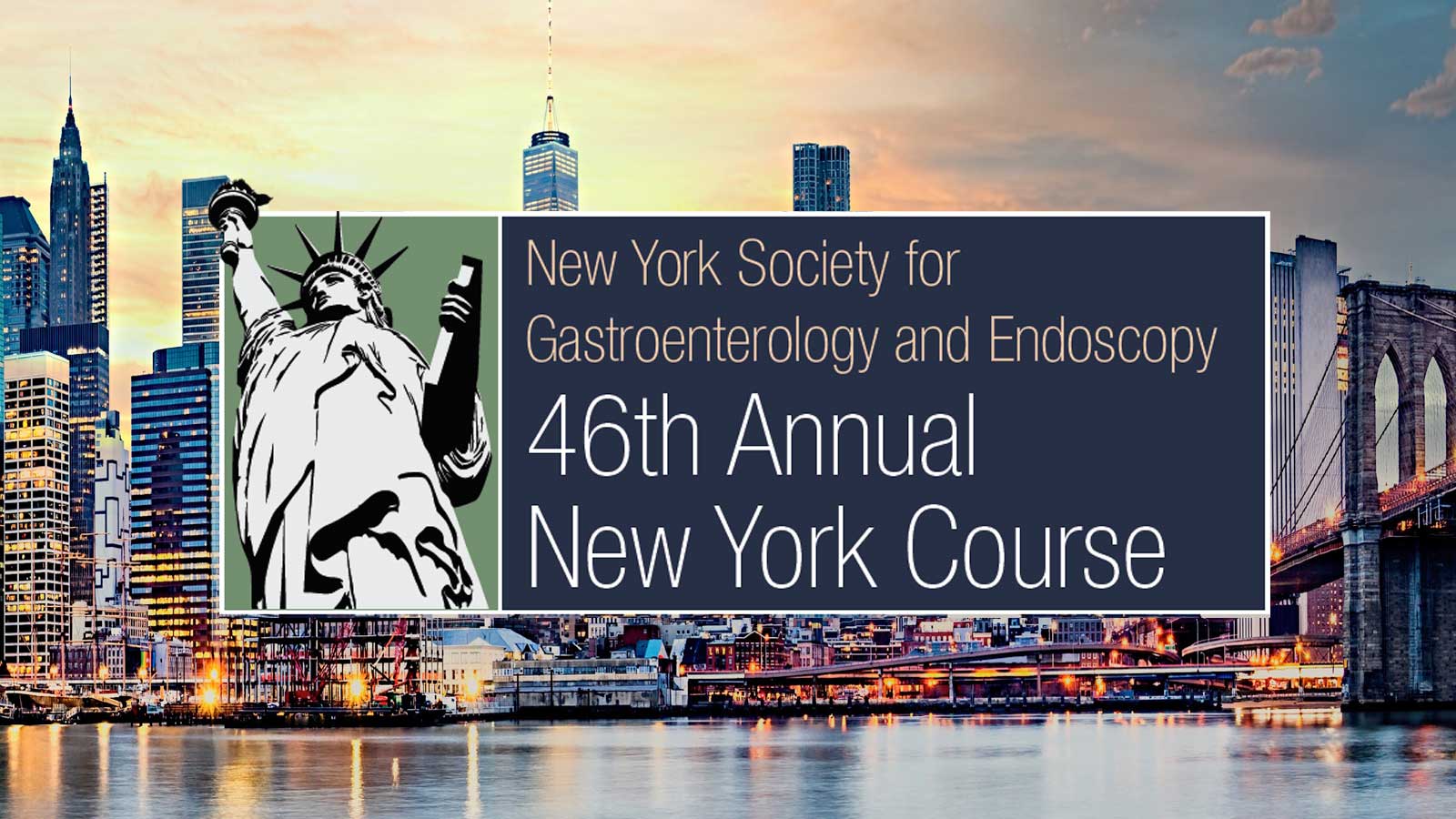
New York Society for Gastrointestinal Endoscopy 46th Annual New York Course 2022 (Videos)
Original price was: $500.00.$40.00Current price is: $40.00.
This Product is shared via google drive download link, So please share your correct Gmail id while placing the order .Please note that there are no CME points or certificate associated with this course Samples for Courses Can be found here : Free Samples Here!
New York Society for Gastrointestinal Endoscopy 46th Annual New York Course 2022 (Videos)
Gastroenterology • Gastrointestinal Endoscopy • Therapeutic Endoscopy • Hepatology
December 15–16, 2022 | New York City, New York
Advance diagnostic and therapeutic decision-making in gastroenterology with the New York Society for Gastrointestinal Endoscopy 46th Annual New York Course 2022 (Videos).
Officially presented as the 46th Annual New York Course: Optimizing Quality Care in Gastroenterology & Endoscopy, the program was held December 15–16, 2022, in New York City and was presented by the New York Society for Gastrointestinal Endoscopy (NYSGE).
The live event took place at the New York Marriott Marquis, bringing together gastroenterologists, therapeutic endoscopists, hepatology professionals, and other members of the gastrointestinal healthcare team for an intensive review of contemporary GI diagnosis, management, and advanced endoscopic therapy.
Under the direction of expert faculty, the course was designed to improve endoscopic practice and refine the learner’s approach to a broad spectrum of gastrointestinal disorders through current evidence, clinical algorithms, technological advances, and evolving therapeutic options.
NYSGE describes its Annual New York Course as a major postgraduate endoscopy meeting designed to improve endoscopic practice and disseminate new evidence and technologies in gastroenterology and endoscopy.
Course Details
- Course: 46th Annual New York Course
- Official Theme: Optimizing Quality Care in Gastroenterology & Endoscopy
- Provider: New York Society for Gastrointestinal Endoscopy – NYSGE
- Year: 2022
- Conference Dates: December 15–16, 2022
- Venue: New York Marriott Marquis
- Location: New York City, New York
- MedicalAmboss Format: Videos
- Primary Specialty: Gastroenterology
- Primary Procedural Field: Gastrointestinal Endoscopy
- Related Areas: Hepatology, Interventional Endoscopy, Pancreatobiliary Disease, IBD, Motility, Endobariatrics
- Primary Focus: Evidence-Based Gastroenterology and Advanced Diagnostic & Therapeutic Endoscopy
The meeting’s date, New York location, formal title, and NYSGE sponsorship are independently documented in contemporary course materials.
Who Was the Original Program Designed For?
The program is particularly relevant for:
- Gastroenterologists
- Therapeutic Endoscopists
- Advanced Endoscopists
- Hepatologists
- Gastroenterology Fellows
- Internal Medicine Physicians with GI interests
- GI Nurses
- Advanced Practice Providers working in gastroenterology
- Clinicians involved in endoscopy units
- Physicians managing complex gastrointestinal disease
The strongest clinical audience remains:
Gastroenterology + Gastrointestinal Endoscopy + Advanced Therapeutic Endoscopy
Learning Objectives
Upon completion of this program, participants should be better able to:
- Identify appropriate methods to detect and treat common disorders of the small bowel, colon and pancreas, as well as endobariatric therapy for obesity, and review the effectiveness of these approaches.
- Discuss the spectrum of commonly seen disorders of the esophagus and stomach, such as gastroesophageal reflux disease, Barrett’s esophagus, motility disorders and gastric intestinal metaplasia, and outline related treatment options and their effectiveness.
- Discuss the management of metabolic associated fatty liver disease and evaluate the efficacy and safety of current treatments.
- Evaluate advances in the methods of assessing disease status in patients with inflammatory bowel disease and discuss the application of these techniques to patient treatment.
- Examine the diagnostic and therapeutic capabilities as well as complications of current and emerging advanced endoscopic techniques to diagnose and treat disorders of the hepatobiliary tract, pancreas, and luminal gastrointestinal tract and to detect and manage suspected small bowel bleeding.
Contemporary Gastrointestinal Endoscopy
Modern gastrointestinal endoscopy has evolved from a primarily diagnostic discipline into an increasingly therapeutic specialty.
The course addresses the integration of:
- Endoscopic diagnosis
- Advanced imaging
- Tissue acquisition
- Therapeutic endoscopy
- Interventional procedures
- Evidence-based medical therapy
- Surgical collaboration
- Quality and safety
The overall clinical pathway can be summarized as:
Recognize → Diagnose → Stage → Select Therapy → Perform Endoscopic Treatment When Appropriate → Monitor Outcomes
Small Bowel Disorders
Small bowel disease can present diagnostic challenges because much of the small intestine is not accessible through conventional upper endoscopy or colonoscopy.
The course emphasizes appropriate methods for evaluating and treating small bowel disorders and suspected small bowel bleeding.
Important concepts include:
- Selecting appropriate diagnostic modalities
- Localizing bleeding
- Endoscopic evaluation
- Advanced small bowel imaging
- Therapeutic options
Suspected Small Bowel Bleeding
One of the stated educational objectives is to improve detection and management of suspected small bowel bleeding.
The practical pathway involves:
Clinical Bleeding → Initial Endoscopic Evaluation → Small Bowel Investigation → Lesion Detection → Endoscopic or Medical Management
Colon Disorders
The course incorporates contemporary diagnosis and endoscopic management of common colonic disorders.
Relevant areas include:
- Colorectal disease
- Colonoscopy
- Polyp detection
- Endoscopic treatment
- Colorectal cancer prevention
- Appropriate therapeutic intervention
Quality colonoscopy remains central to both disease detection and cancer prevention.
Colorectal Cancer Prevention
Endoscopy plays an important role in:
- Screening
- Polyp identification
- Lesion characterization
- Polypectomy
- Surveillance
The broader goal is to combine high-quality examination with appropriate endoscopic treatment and follow-up.
Pancreatic Disorders
The program includes contemporary diagnosis and treatment of pancreatic disease.
Advanced pancreatic evaluation may incorporate:
- Cross-sectional imaging
- EUS
- Tissue acquisition
- ERCP when appropriate
- Therapeutic endoscopy
The educational focus is on selecting the right intervention according to the clinical problem rather than applying invasive procedures universally.
Pancreatobiliary Endoscopy
Advanced endoscopy has significantly expanded the treatment options available for pancreatobiliary disorders.
The curriculum addresses contemporary approaches involving:
- Pancreatic disease
- Biliary disease
- Endoscopic imaging
- Tissue acquisition
- Therapeutic intervention
- Management of complications
ERCP
Endoscopic Retrograde Cholangiopancreatography – ERCP remains a major therapeutic procedure for selected biliary and pancreatic disorders.
Appropriate use requires understanding:
- Indications
- Therapeutic goals
- Potential complications
- Alternative techniques
- Post-procedural management
Endoscopic Ultrasound – EUS
EUS has evolved from a diagnostic imaging technique into an increasingly interventional platform.
Applications may include:
- Pancreatic evaluation
- Biliary evaluation
- Lesion characterization
- Tissue sampling
- Therapeutic intervention
The course emphasizes the expanding diagnostic and therapeutic capabilities of advanced endoscopy.
Endobariatric Therapy
One of the explicit learning objectives is to review endobariatric therapy for obesity.
Endobariatrics represents the intersection of:
- Gastroenterology
- Endoscopy
- Obesity medicine
- Metabolic health
The program examines endoscopic options designed to offer less invasive approaches for selected patients with obesity.
Obesity & Endoscopic Treatment
Endoscopic bariatric therapies require careful attention to:
- Patient selection
- Expected effectiveness
- Procedural risks
- Long-term management
- Integration with nutritional and medical care
The goal is not simply performing a procedure but incorporating it into a broader obesity-management strategy.
ESOPHAGEAL DISEASE
The course provides significant education around common and complex esophageal disorders.
Major areas include:
- Gastroesophageal reflux disease
- Barrett’s esophagus
- Motility disorders
- Endoscopic assessment
- Contemporary treatment
Gastroesophageal Reflux Disease – GERD
GERD remains one of the most common conditions encountered in gastroenterology.
The program reviews contemporary approaches involving:
- Diagnosis
- Medical treatment
- Endoscopic evaluation
- Identification of complications
- Selection of patients for additional intervention
Barrett’s Esophagus
Barrett’s esophagus represents an important premalignant condition requiring appropriate diagnosis, surveillance, and management.
Key issues include:
- Detection
- Histologic evaluation
- Surveillance
- Dysplasia recognition
- Endoscopic treatment
The broader aim is prevention and early detection of esophageal adenocarcinoma.
Esophageal Motility Disorders
The course also includes commonly encountered motility disorders.
Accurate evaluation may require integration of:
- Symptoms
- Endoscopy
- Motility testing
- Additional physiologic assessment
Treatment depends on the underlying functional abnormality.
GASTRIC DISEASE
The program includes contemporary approaches to gastric disorders and premalignant gastric conditions.
One important focus is:
Gastric Intestinal Metaplasia
alongside gastric cancer prevention and appropriate endoscopic assessment.
Gastric Intestinal Metaplasia
Gastric intestinal metaplasia can be associated with elevated gastric cancer risk in selected patients.
Management may involve:
- Risk assessment
- Helicobacter pylori evaluation
- High-quality endoscopy
- Biopsy mapping
- Surveillance decisions
A lecture recorded at the 2022 NYSGE course specifically addressed gastric cancer prevention, H. pylori, gastric atrophy, intestinal metaplasia, surveillance, and high-quality endoscopic detection.
Helicobacter pylori & Gastric Cancer Prevention
The verified course recording by Monika Laszkowska, MD, emphasized the relationship between H. pylori infection, gastric intestinal metaplasia, dysplasia, and gastric cancer risk.
This links:
H. pylori → Chronic Gastritis → Atrophy → Intestinal Metaplasia → Dysplasia → Gastric Cancer
and reinforces the importance of risk-based endoscopic assessment.
LIVER DISEASE
The course includes management of metabolic associated fatty liver disease.
This condition has become increasingly important within both gastroenterology and primary care because of its relationship to:
- Obesity
- Diabetes
- Metabolic syndrome
- Cardiovascular risk
- Progressive liver disease
Metabolic Associated Fatty Liver Disease
The learning objectives require participants to discuss:
- Management
- Treatment effectiveness
- Treatment safety
for metabolic-associated fatty liver disease.
The clinical approach includes:
Identify Metabolic Risk → Assess Liver Disease → Stage Risk → Implement Lifestyle / Medical Management → Monitor
INFLAMMATORY BOWEL DISEASE – IBD
IBD represents another major educational domain.
The program focuses not only on treatment but also on advances in methods used to assess disease status.
This includes patients with:
- Crohn’s disease
- Ulcerative colitis
Assessing IBD Disease Activity
Modern IBD treatment increasingly relies on objective disease assessment rather than symptoms alone.
Potential assessment domains include:
- Clinical symptoms
- Endoscopy
- Imaging
- Laboratory markers
- Treatment response
The course focuses on applying these data to therapeutic decision-making.
Endoscopy in IBD
Endoscopy plays a major role in:
- Initial diagnosis
- Disease assessment
- Mucosal evaluation
- Dysplasia surveillance
- Monitoring treatment response
This allows treatment to be adjusted according to objective disease activity.
Therapeutic Decision-Making in IBD
The goal is to connect:
Disease Activity → Objective Assessment → Treatment Selection → Reassessment
rather than relying solely on symptomatic improvement.
ADVANCED ENDOSCOPY
Rapid technological development continues to expand the boundaries of therapeutic endoscopy.
The course addresses:
- Advanced diagnostic techniques
- Interventional procedures
- Therapeutic EUS
- Pancreatobiliary procedures
- Luminal therapy
- Small bowel interventions
- Procedural complications
Luminal Gastrointestinal Endoscopy
Advanced luminal endoscopy may allow minimally invasive treatment of diseases that historically required surgery.
This includes increasingly sophisticated approaches to:
- Lesion resection
- Bleeding control
- Strictures
- Neoplasia
- Motility disorders
Endoscopic Resection
Modern techniques have increased the ability to resect gastrointestinal lesions endoscopically.
Treatment selection depends on:
- Lesion size
- Morphology
- Location
- Depth
- Malignancy risk
- Operator expertise
Third-Space Endoscopy
Contemporary advanced endoscopy includes so-called third-space procedures, which have expanded endoscopic treatment options for certain luminal and motility disorders.
These approaches demonstrate the transition of GI endoscopy from diagnosis toward minimally invasive intervention.
GI Bleeding
Detection and treatment of gastrointestinal bleeding remains a core responsibility of gastroenterologists and advanced endoscopists.
The curriculum addresses:
- Localization
- Endoscopic diagnosis
- Hemostasis
- Small bowel bleeding
- Advanced therapeutic techniques
The practical approach is:
Stabilize → Localize → Identify Lesion → Achieve Hemostasis → Monitor for Rebleeding
Endoscopic Complications
As therapeutic procedures become more complex, recognition and management of adverse events become increasingly important.
Clinicians must understand:
- Procedure-related risk
- Bleeding
- Perforation
- Pancreatitis
- Infection
- Sedation-related complications
- Post-procedure monitoring
A major goal of advanced endoscopy education is to combine innovation with quality and safety.
Quality in Gastrointestinal Endoscopy
The official theme of the 46th Annual New York Course was:
Optimizing Quality Care in Gastroenterology & Endoscopy.
Quality endoscopy involves more than technical success.
Important principles include:
- Appropriate procedure indication
- Complete examination
- Accurate diagnosis
- Effective therapy
- Patient safety
- Appropriate follow-up
- Evidence-based decision-making
Emerging Technology
The knowledge base for gastrointestinal endoscopy continues to expand as new devices and therapeutic platforms are introduced.
The course encourages participants to understand both:
What Is New
and:
When It Should Actually Be Used
The goal is responsible adoption of innovation rather than technology use for its own sake.
Evidence-Based Endoscopic Decision-Making
One of the broad educational aims is to foster an evidence-based approach to both common and controversial GI problems.
A practical framework is:
Clinical Problem → Current Evidence → Available Techniques → Risk / Benefit → Patient-Specific Decision
Major Topics Covered
- Gastroenterology
- Gastrointestinal Endoscopy
- Therapeutic Endoscopy
- Advanced Endoscopy
- Quality in Endoscopy
- Endoscopy Safety
- Small Bowel Disorders
- Small Bowel Bleeding
- Colon Disorders
- Colonoscopy
- Colorectal Cancer Prevention
- Pancreatic Disorders
- Pancreatobiliary Disease
- ERCP
- EUS
- Endobariatric Therapy
- Obesity
- GERD
- Barrett’s Esophagus
- Esophageal Motility Disorders
- Gastric Intestinal Metaplasia
- Gastric Cancer Prevention
- Helicobacter pylori
- Metabolic Associated Fatty Liver Disease
- Fatty Liver Disease
- Inflammatory Bowel Disease
- Crohn’s Disease
- Ulcerative Colitis
- IBD Disease Assessment
- Endoscopic Therapy
- Luminal Endoscopy
- Advanced Endoscopic Techniques
- GI Bleeding
- Endoscopic Hemostasis
- Interventional Endoscopy
- Emerging Endoscopic Technology
- Evidence-Based Gastroenterology
Who Should Take This Course?
New York Society for Gastrointestinal Endoscopy 46th Annual New York Course 2022 (Videos) is particularly relevant for:
- Gastroenterologists
- Advanced Endoscopists
- Therapeutic Endoscopists
- Hepatologists
- Gastroenterology Fellows
- Physicians involved in GI cancer prevention
- Clinicians managing inflammatory bowel disease
- Physicians managing hepatobiliary and pancreatic disorders
- Endoscopy unit clinicians
- Healthcare professionals seeking updates in GI diagnostic and therapeutic technology
The strongest clinical audience remains:
Gastroenterology + Gastrointestinal Endoscopy + Therapeutic Endoscopy
Why This Course Is Useful
The 46th Annual New York Course provides an integrated review of gastrointestinal disease and rapidly evolving endoscopic technology.
Upper GI Disorders
- GERD
- Barrett’s esophagus
- Motility disorders
- Gastric intestinal metaplasia
- Gastric cancer prevention
Lower GI & Small Bowel
- Colonic disorders
- Small bowel disease
- Small bowel bleeding
- Colorectal disease
Hepatology
- Metabolic associated fatty liver disease
IBD
- Disease assessment
- Endoscopic evaluation
- Treatment decision-making
Advanced Endoscopy
- EUS
- ERCP
- Therapeutic luminal procedures
- Interventional techniques
- Management of complications
Metabolic Endoscopy
- Endobariatric therapy
- Obesity treatment
Quality
- Endoscopic safety
- Quality improvement
- Evidence-based decision-making
The overall educational pathway can be summarized as:
Evaluate → Diagnose → Select Appropriate Endoscopic or Medical Therapy → Treat → Monitor → Improve Quality
Original Conference Information
The verified original meeting details are:
- 46th Annual New York Course
- Theme: Optimizing Quality Care in Gastroenterology & Endoscopy
- Dates: December 15–16, 2022
- Location: New York City
- Venue: New York Marriott Marquis
- Provider: New York Society for Gastrointestinal Endoscopy
An Audio Digest educational program recorded from the meeting subsequently qualified independently for AMA PRA Category 1 Credit™ and ABIM MOC through Audio Digest; this should not be interpreted as confirmation that an independently distributed MedicalAmboss video package itself provides NYSGE or Audio Digest CME credit.
An independently distributed MedicalAmboss package should therefore not automatically be represented as providing:
- NYSGE CME Credit
- AMA PRA Category 1 Credits™
- ABIM MOC Points
- Official NYSGE Certificate
- Official NYSGE Registration
- Official NYSGE Member Access
unless those benefits are specifically included with the purchase.
Product Summary
- Product: New York Society for Gastrointestinal Endoscopy 46th Annual New York Course 2022 (Videos)
- Official Course: 46th Annual New York Course
- Theme: Optimizing Quality Care in Gastroenterology & Endoscopy
- Provider: New York Society for Gastrointestinal Endoscopy – NYSGE
- Year: 2022
- Conference Dates: December 15–16, 2022
- Venue: New York Marriott Marquis
- Location: New York City, New York
- Format: Videos
- Primary Specialty: Gastroenterology
- Related Specialty: Gastrointestinal Endoscopy
- Major Areas: Small Bowel, Colon, Pancreas, GERD, Barrett’s Esophagus, Motility, Gastric Intestinal Metaplasia, Fatty Liver Disease, IBD, Advanced Endoscopy
- Primary Focus: Evidence-Based Diagnosis and Therapeutic Endoscopy
Short Description
New York Society for Gastrointestinal Endoscopy 46th Annual New York Course 2022 (Videos) provides comprehensive updates in gastroenterology and advanced gastrointestinal endoscopy from the 46th Annual New York Course: Optimizing Quality Care in Gastroenterology & Endoscopy, held December 15–16, 2022, in New York City.
The program covers small bowel and colonic disorders, pancreatic and hepatobiliary disease, endobariatric therapy, GERD, Barrett’s esophagus, motility disorders, gastric intestinal metaplasia, metabolic-associated fatty liver disease, inflammatory bowel disease, small bowel bleeding, advanced therapeutic endoscopy, procedural complications, and quality in endoscopic practice.
Topics
The archived NYSGE 2022 full session-by-session agenda is not currently exposed on NYSGE’s public Annual Course archive, so I have not invented lecture titles. The confirmed educational areas from the original course objectives include:
- Small Bowel Disorders
- Small Bowel Bleeding
- Colonic Disorders
- Colonoscopy
- Pancreatic Disorders
- Endobariatric Therapy for Obesity
- Gastroesophageal Reflux Disease – GERD
- Barrett’s Esophagus
- Esophageal Motility Disorders
- Gastric Intestinal Metaplasia
- Gastric Cancer Prevention
- Helicobacter pylori
- Metabolic Associated Fatty Liver Disease
- Inflammatory Bowel Disease
- Assessment of IBD Disease Activity
- Hepatobiliary Disease
- Advanced Endoscopic Techniques
- Therapeutic EUS
- ERCP
- Luminal Gastrointestinal Endoscopy
- Endoscopic Diagnosis
- Endoscopic Treatment
- Management of Endoscopic Complications
- Quality and Safety in Gastrointestinal Endoscopy
- Evidence-Based Endoscopic Decision-Making
- Emerging Endoscopic Technology
NYSGE continues to describe the Annual New York Course as a major postgraduate endoscopy program focused on current evidence, technology, diagnostic approaches, therapeutic endoscopy, and improvement of GI patient care.
ASGE President’s Lecture Ten Tips for Ensuring High Quality in the Performance of ERCP
Course Directors Closing Remarks
Jerome D. Waye, MD Lecture Use of the Stethoscope in Diagnosing GI Disease
Lawrence J. Brandt, MD Lecture Innovations in Therapeutic Endoscopy
Live Endoscopy Case Presentations Session 1
Live Endoscopy Case Presentations Session 2
Live Endoscopy Case Presentations Session 3
Live Endoscopy Case Presentations Session 4
Live Endoscopy Case Presentations Session 5
Lunch Program Eosinophilic Esophagitis Clinical Implications of Uncontrolled Disease Progression
Lunch Program ESD Can It Be Easier
NYSGE President’s Lecture The Sagittal View A Gastroenterologist’s Perspective
NYSGE-2022-AnnualCourse-PreviewBrochure.pdf
Peter D. Stevens, MD Endoscopic Video Forum A Tough to Swallow Procedure
Peter D. Stevens, MD Endoscopic Video Forum Endoscopic Drainage of a Large Abdominal Abscess in the Setting of a Ventriculo-Peritoneal Shunt
Peter D. Stevens, MD Endoscopic Video Forum Two Cases of 10 cm Circumferential Esophageal ESD
Session 1 Confronting Chronic Constipation
Session 1 Incorporating Upper GI Motility Testing into Your Practice
Session 1 Managing the Challenges of Gastroparesis
Session 1 Panel Discussion and Q & A
Session 2 Gastric Cancer Spectrum of Care Screening and Management of Intestinal Metaplasia
Session 2 Implementing New Guidelines for Barrett’s Esophagus
Session 2 Panel Discussion and Q & A
Session 2 Practical Guidance for Neuroendocrine Tumors
Session 3 Colonic ESD When and Why
Session 3 High Quality Polypectomy
Session 3 Panel Discussion and Q & A
Session 3 Sessile Serrated Polyps are Different from Adenomas
Session 4 Avoiding and Fixing Perforations
Session 4 Panel Discussion and Q & A
Session 4 Upper GI Bleeding Optimizing Outcomes
Session 5 Advanced Endoscopy for the IBDologist
Session 5 Management of Serious and Opportunistic Infections in IBD Patients on Immunosuppression
Session 5 Panel Discussion and Q & A
Session 5 Personalized IBD Therapy
Session 6 Panel Discussion and Q & A
Session 6 Prevention of Post ERCP Pancreatitis Who, When & How
Session 6 Screening for Pancreatic Cancer Who, When & How
Session 6 Tackling the Difficult Biliary Stone Who, When & How
Session 7 Glue, Coils & Foam Endoscopic Treatment of Gastric Varices
Session 7 Panel Discussion and Q & A
Session 7 Portal Hypertension Simplified EV and PHG
Session 7 Update on MAFLD (Not a Typo) and NASH
Session 8 Billing, Coding, and Documentation Getting the Credit You Deserve
Session 8 Panel Discussion and Q&A
Session 8 Patient Communication Not Just the Same Old Talk
Sidney J. Winawer, MD Lecture Building for Our Future – Diversity, Equity and Inclusion in GI
Welcome
Related products

Internal Medicine
Internal Medicine

Cardiology