
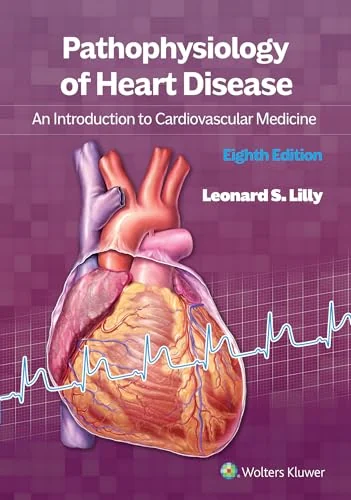
Pathophysiology of Heart Disease: An Introduction to Cardiovascular Medicine, 8th Edition (Videos)

Original price was: $68.99.$35.00Current price is: $35.00.
This Product is shared via google drive download link, So please share your correct Gmail id while placing the order .Please note that there are no CME points or certificate associated with this course Samples for Courses Can be found here : Free Samples Here!
Pathophysiology of Heart Disease: An Introduction to Cardiovascular Medicine, 8th Edition (Videos)
Cardiovascular Pathophysiology, Cardiac Electrophysiology, Echocardiography, Hemodynamics, and Heart Disease Video Collection
Overview
Pathophysiology of Heart Disease: An Introduction to Cardiovascular Medicine, 8th Edition (Videos) is a comprehensive cardiovascular multimedia collection accompanying the eighth edition of Pathophysiology of Heart Disease: An Introduction to Cardiovascular Medicine.
Featuring 54 high-definition MP4 videos, this educational resource combines medical animations and echocardiographic clips to illustrate important physiological and pathological mechanisms involved in cardiovascular diseases.
The collection covers cardiac electrophysiology, valvular hemodynamics, heart failure mechanics, coronary circulation, and congenital cardiac anomalies, providing visual explanations of cardiovascular concepts that are essential for understanding normal cardiac function and disease processes.
Through animated illustrations and echocardiographic recordings, learners can explore the relationship between cardiac structure, physiological function, and the changes associated with cardiovascular disorders.
Designed as a visual supplement to the accompanying textbook, this collection is particularly valuable for medical students, cardiology trainees, internal medicine residents, and healthcare professionals studying cardiovascular physiology, pathophysiology, and clinical cardiology.
Video Collection Features
- 54 High-Definition MP4 Videos: Educational cardiovascular animations and echocardiographic clips.
- Cardiac Electrophysiology: Visual illustrations of electrical activity and electrophysiological mechanisms of the heart.
- Valvular Hemodynamics: Multimedia demonstrations of blood flow and hemodynamic principles involving cardiac valves.
- Heart Failure Mechanics: Educational animations illustrating physiological changes associated with heart failure.
- Coronary Circulation: Visual explanations of coronary blood flow and myocardial circulation.
- Congenital Cardiac Anomalies: Educational video material demonstrating congenital abnormalities of cardiac anatomy.
- Echocardiographic Visualization: Cardiac ultrasound clips supporting the understanding of cardiovascular structures and function.
- Cardiovascular Medical Education: Multimedia resources connecting cardiac physiology with cardiovascular disease mechanisms.
Curriculum Overview (54 MP4 Files)
The collection contains 54 educational video animations and echocardiographic clips covering the following documented cardiovascular topics.
1. Cardiac Electrophysiology
Educational animations illustrating electrophysiological processes involved in cardiac function.
The video material provides visual support for understanding the electrical mechanisms associated with normal cardiac activity and cardiovascular pathophysiology.
2. Valvular Hemodynamics
Multimedia demonstrations focusing on hemodynamic principles related to the heart valves.
These recordings help illustrate the relationship between valvular function, blood flow, and cardiovascular physiology.
3. Heart Failure Mechanics
Educational videos illustrating the physiological and mechanical changes associated with heart failure.
The animations provide visual references for understanding how abnormalities in cardiac function contribute to the pathophysiology of heart failure.
4. Coronary Circulation
Video animations and visual educational material addressing coronary circulation and myocardial blood supply.
This section supports the study of coronary blood flow and its importance in cardiovascular function.
5. Congenital Cardiac Anomalies
Educational multimedia illustrating congenital abnormalities affecting cardiac anatomy.
The visual material provides supplementary references for understanding structural cardiac anomalies within the context of cardiovascular medicine.
Educational Benefits
This cardiovascular multimedia collection offers practical visual support for understanding essential mechanisms involved in heart disease.
By combining medical animations with echocardiographic clips, the resource helps learners connect theoretical cardiovascular physiology with visual representations of cardiac structures, function, and pathological changes.
The videos reinforce important concepts in electrophysiology, valvular hemodynamics, heart failure, coronary circulation, and congenital cardiac abnormalities.
For medical students and healthcare professionals, the collection provides supplementary educational material for reviewing cardiovascular pathophysiology and developing a clearer understanding of complex cardiac mechanisms.
Target Audience
- Medical Students
- Cardiology Fellows
- Cardiologists
- Internal Medicine Residents
- Internal Medicine Physicians
- Cardiovascular Medicine Students
- Physician Assistants
- Nurse Practitioners
- Cardiac Sonography Students
- Healthcare Professionals Studying Cardiovascular Disease
Technical Specifications
| Specification | Details |
|---|---|
| Resource Title | Pathophysiology of Heart Disease: An Introduction to Cardiovascular Medicine, 8th Edition (Videos) |
| Content Type | Cardiovascular Educational Animations and Echocardiographic Videos |
| Total Videos | 54 MP4 Files |
| Video Format | High Definition MP4 |
| Total Size | 448 MB |
| Primary Specialty | Cardiology & Cardiovascular Medicine |
| Educational Focus | Cardiac Electrophysiology, Valvular Hemodynamics, Heart Failure Mechanics, Coronary Circulation & Congenital Cardiac Anomalies |
Short Description
Pathophysiology of Heart Disease: An Introduction to Cardiovascular Medicine, 8th Edition (Videos) features 54 high-definition MP4 educational animations and echocardiographic clips covering cardiac electrophysiology, valvular hemodynamics, heart failure mechanics, coronary circulation, and congenital cardiac anomalies. This 448 MB cardiovascular multimedia collection provides valuable visual learning resources for medical students, cardiologists, internal medicine residents, and healthcare professionals studying cardiovascular physiology, cardiac disease mechanisms, and clinical cardiology.
Related products






Basic science