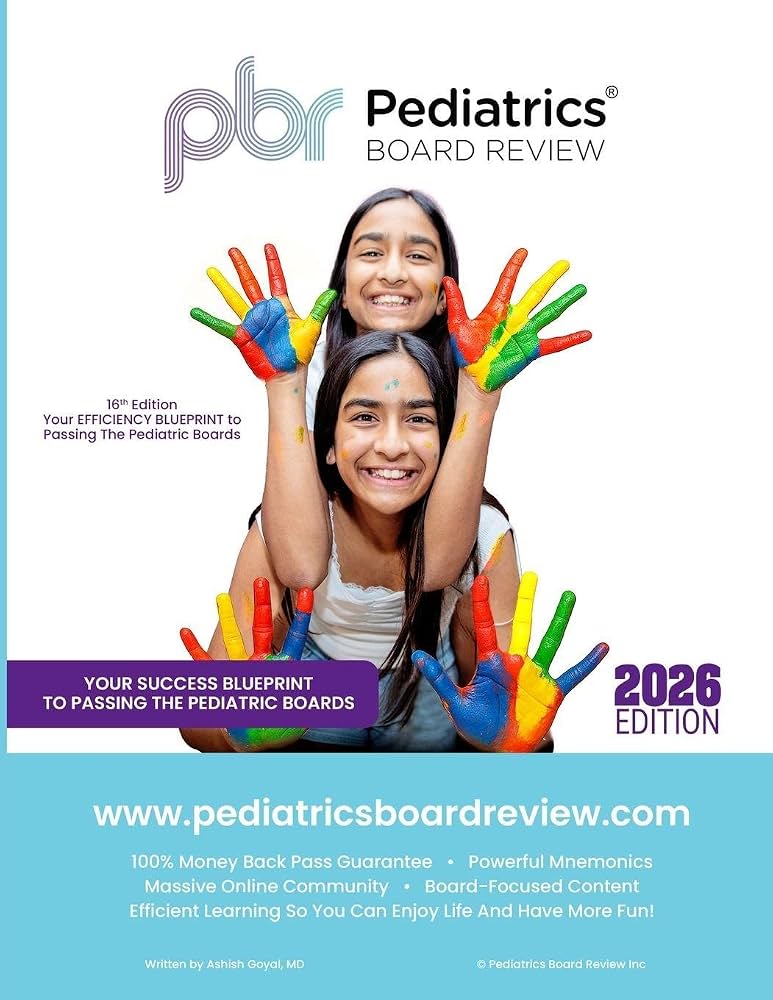
Pediatrics Board Review 2026 Books (Core Study Guide + Q&A Books)


Original price was: $247.00.$30.00Current price is: $30.00.
A pediatric board-preparation book set built around a core study guide and question-focused review material for structured exam study.
Delivery Information: This Product is shared via google drive download link. Please use your correct Gmail address at checkout.
Please note: there are no CME points or certificate associated with this course.
Samples for Courses Can be found here: Free Samples Here!
MedicalAmboss File Scope: This listing describes the educational subject matter for reference. Provider registration, live attendance, streaming-platform access, CME or other credit, certificates, memberships, apps, accounts, and publisher-hosted extras are not included unless they are explicitly listed as store files. MedicalAmboss.
Pediatrics Board Review 2026 Books (Core Study Guide + Q&A Books)
Pediatric Board Review • ABP Initial Certification • MOCA-Peds • MOC Recertification • Core Study Guide • Pediatric Q&A • High-Yield Pediatrics • Pediatric Clinical Review
The Pediatrics Board Review 2026 Books (Core Study Guide + Q&A Books) provide a structured, high-yield pediatric board preparation resource based on the Pediatrics Board Review (PBR) system created by Dr. Ashish Goyal.
PBR was developed to help pediatricians prepare for the American Board of Pediatrics (ABP) Initial Certification Examination, ongoing MOCA-Peds assessment, pediatric MOC recertification, and other pediatric knowledge assessments.
The 2026 book collection centers on the two foundational resources of the PBR study system:
- Pediatrics Board Review Core Study Guide 2026
- Pediatrics Board Review Question & Answer Book
Rather than functioning as a large random question bank, the Q&A material is intended to complement the Core Study Guide and reinforce high-yield pediatric knowledge through repeated review and active recall.
The study materials cover a broad spectrum of pediatric medicine and are organized to emphasize clinically relevant, testable concepts across pediatric subspecialties.
Course Details
- Product: Pediatrics Board Review 2026 Books
- Provider: Pediatrics Board Review (PBR)
- Author / Creator: Ashish Goyal, MD
- Edition: 2026
- Primary Focus: Pediatric Board Examination Preparation
- Core Resources: Core Study Guide + Question & Answer Book
- Coverage: 31 PBR Chapters
- Content Scope: 2,500+ Pediatric Topics
- Language: English
- Format: Digital Books / Study Guides
- Primary Exam: American Board of Pediatrics Initial Certification
- Additional Uses: MOCA-Peds, MOC Recertification, Pediatric Residency Review
- MedicalAmboss Package: Core Study Guide + Q&A Books
- Video Course: Not included unless specifically stated with another package
- Audio Course: Not included unless specifically stated with another package
Target Audience
The Pediatrics Board Review 2026 Books are primarily intended for physicians and trainees who need an organized review of general pediatrics and pediatric subspecialty medicine.
They are particularly relevant to:
- Pediatricians preparing for ABP Initial Certification
- Pediatricians participating in MOCA-Peds
- Pediatricians preparing for MOC recertification
- Pediatric Residents
- Chief Residents
- Pediatric Fellows seeking a general pediatrics refresher
- General Pediatricians
- Physicians returning to pediatric board preparation
- International physicians reviewing U.S.-style pediatric board topics
- Learners seeking a concise high-yield pediatric reference
- Pediatricians looking for repeated content review and active recall
About Pediatrics Board Review (PBR)
Pediatrics Board Review was created by Dr. Ashish Goyal as a focused preparation system for pediatric board examinations.
The PBR system emphasizes:
- High-yield pediatric concepts
- Repeated review
- Board-focused organization
- Testable clinical material
- Active recall
- Question-based reinforcement
- Efficient study planning
- Integration across multiple learning resources
The Core Study Guide and Q&A Book form the central content foundation of the broader PBR preparation system.
Pediatrics Board Review Core Study Guide 2026
The PBR Core Study Guide serves as the primary content resource in the Pediatrics Board Review system.
It is designed to consolidate pediatric board-review material into a structured reference instead of requiring learners to combine multiple unrelated textbooks and resources.
The 2026 PBR ecosystem covers 31 chapters spanning the major areas of pediatric medicine.
Core Study Guide Approach
The guide emphasizes:
- Board-relevant pediatric concepts
- High-yield disease presentations
- Diagnostic clues
- Differential diagnosis
- Laboratory and imaging interpretation
- Treatment principles
- Pediatric emergencies
- Preventive pediatrics
- Growth and development
- Common pediatric diseases
- Pediatric subspecialty disorders
- Clinical associations
- Testable facts
- Repeated recall
The goal is to help learners focus on clinically important and frequently tested material without turning board preparation into an unfocused reading exercise.
Question & Answer Book
The PBR Question & Answer Book complements the Core Study Guide and is intended to be studied as part of the core pediatric content rather than used only as a conventional practice examination.
The Q&A format helps learners:
- Reinforce material from the Core Study Guide
- Practice active recall
- Recognize important clinical associations
- Review high-yield pediatric facts
- Strengthen diagnostic reasoning
- Identify weak areas
- Revisit difficult concepts
- Practice the structure of pediatric board-style questions
Some material within the Q&A resource may reinforce or extend concepts presented in the Core Study Guide.
How to Use the Books Together
The two resources are designed to be used together.
A practical review sequence is:
Read Core Study Guide → Review High-Yield Concepts → Attempt Q&A Material → Identify Knowledge Gaps → Return to Core Guide → Repeat
Repeated exposure helps reinforce pediatric concepts and reduces reliance on one-time memorization.
Learners can also organize study sessions by pediatric subspecialty and repeatedly cycle through weaker areas.
Major Pediatric Areas Covered
The PBR resources span broad pediatric medicine, including areas such as:
- General Pediatrics
- Adolescent Medicine
- Allergy
- Immunology
- Cardiology
- Dermatology
- Developmental Pediatrics
- Behavioral Pediatrics
- Emergency Pediatrics
- Endocrinology
- Gastroenterology
- Genetics
- Metabolic Disorders
- Hematology
- Oncology
- Infectious Diseases
- Nephrology
- Neurology
- Newborn Medicine
- Neonatology
- Nutrition
- Ophthalmology
- Orthopedics
- Rheumatology
- Pulmonology
- Growth and Development
- Preventive Pediatrics
- Child Safety
- Toxicology
- Pediatric Critical Care
- Pediatric Pharmacology
- Ethics and Professional Practice
High-Yield Pediatric Board Review Areas
Growth and Development
Reviews normal childhood growth and developmental milestones and emphasizes recognition of abnormal patterns.
Important areas include:
- Growth curves
- Developmental milestones
- Developmental delay
- Puberty
- Normal variants
- Developmental screening
- Failure to thrive
- Behavioral development
Neonatology and Newborn Medicine
Focuses on common conditions encountered during the neonatal period.
Topics include:
- Neonatal resuscitation concepts
- Prematurity
- Neonatal jaundice
- Congenital infections
- Newborn screening
- Respiratory disorders
- Neonatal metabolic abnormalities
- Feeding problems
- Birth-related complications
Pediatric Cardiology
Reviews congenital and acquired cardiovascular disease in children.
Topics include:
- Congenital heart disease
- Heart murmurs
- Cyanotic lesions
- Acyanotic lesions
- Arrhythmias
- Kawasaki disease
- Myocarditis
- Cardiomyopathy
- Pediatric hypertension
- Syncope
Pediatric Pulmonology
Covers important respiratory diseases and emergencies.
Topics include:
- Asthma
- Bronchiolitis
- Croup
- Pneumonia
- Cystic fibrosis
- Chronic lung disease
- Foreign body aspiration
- Sleep-related respiratory disorders
- Pediatric respiratory emergencies
Pediatric Gastroenterology
Reviews common gastrointestinal and hepatobiliary conditions.
Topics include:
- Abdominal pain
- Vomiting
- Diarrhea
- Constipation
- Gastroesophageal reflux
- Inflammatory bowel disease
- Celiac disease
- Liver disease
- Malabsorption
- GI bleeding
Pediatric Infectious Diseases
Reviews common and board-relevant childhood infections.
Topics include:
- Bacterial infections
- Viral infections
- Fungal infections
- Parasitic infections
- Childhood exanthems
- Meningitis
- Sepsis
- Congenital infections
- Immunization
- Infection prevention
Pediatric Neurology
Focuses on common neurologic disorders in children.
Topics include:
- Seizures
- Epilepsy
- Headache
- Developmental regression
- Neuromuscular disease
- Cerebral palsy
- CNS infections
- Movement disorders
- Pediatric neurologic emergencies
Pediatric Endocrinology
Reviews endocrine and metabolic disorders encountered in pediatric practice.
Topics include:
- Diabetes mellitus
- Diabetic ketoacidosis
- Thyroid disorders
- Growth disorders
- Pubertal disorders
- Adrenal disorders
- Calcium disorders
- Obesity
- Endocrine emergencies
Pediatric Hematology and Oncology
Covers important hematologic abnormalities and childhood malignancies.
Topics include:
- Anemia
- Hemoglobinopathies
- Sickle cell disease
- Bleeding disorders
- Thrombocytopenia
- Leukemia
- Lymphoma
- Solid tumors
- Oncologic emergencies
Pediatric Nephrology
Reviews kidney and urinary disorders in children.
Topics include:
- Hematuria
- Proteinuria
- Nephrotic syndrome
- Nephritic syndrome
- Acute kidney injury
- Chronic kidney disease
- Urinary tract infections
- Electrolyte disorders
- Pediatric hypertension
Pediatric Rheumatology
Reviews inflammatory and autoimmune disorders in children.
Topics include:
- Juvenile idiopathic arthritis
- Systemic lupus erythematosus
- Vasculitis
- Kawasaki disease
- Inflammatory syndromes
- Musculoskeletal complaints
Pediatric Dermatology
Covers common and clinically important pediatric skin disorders.
Topics include:
- Rashes
- Atopic dermatitis
- Bacterial skin infections
- Viral exanthems
- Fungal infections
- Birthmarks
- Genetic skin disorders
- Drug eruptions
Allergy and Immunology
Reviews allergic and immunologic disorders.
Topics include:
- Food allergy
- Anaphylaxis
- Allergic rhinitis
- Asthma
- Primary immunodeficiency
- Recurrent infections
- Hypersensitivity reactions
Pediatric Emergency and Critical Care
Focuses on rapid recognition and management of serious pediatric disease.
Topics include:
- Shock
- Sepsis
- Respiratory distress
- Status epilepticus
- Toxic ingestion
- Trauma
- Dehydration
- Electrolyte emergencies
- Acute metabolic emergencies
Adolescent Medicine
Reviews health issues particularly relevant to adolescents.
Topics include:
- Puberty
- Menstrual disorders
- Sexual health
- Substance use
- Mental health
- Eating disorders
- Confidentiality
- Preventive care
Preventive Pediatrics
Emphasizes age-appropriate preventive care.
Topics include:
- Immunizations
- Screening
- Nutrition
- Growth monitoring
- Developmental surveillance
- Injury prevention
- Anticipatory guidance
- Child safety
Board Examination Applications
The PBR books may be used when preparing for:
ABP Initial Certification Examination
The materials provide structured pediatric content review for physicians preparing for the American Board of Pediatrics Initial Certification Examination.
MOCA-Peds
PBR also develops resources for pediatricians participating in MOCA-Peds, the longitudinal assessment pathway used within pediatric maintenance of certification.
The underlying pediatric knowledge in the Core Study Guide can serve as a reference for ongoing review alongside dedicated MOCA-Peds materials.
MOC / Recertification
The collection may also serve as a comprehensive general pediatrics refresher for pediatricians maintaining certification and reviewing major pediatric disease areas.
Pediatric Residency In-Training Review
Residents may use the books to reinforce:
- Core pediatric knowledge
- Subspecialty topics
- Clinical associations
- Diagnostic reasoning
- Board-style facts
- Areas of weakness identified during residency
Major Topics Covered
- Pediatric Board Review
- ABP Board Preparation
- Pediatrics Initial Certification
- MOCA-Peds
- Pediatric MOC
- General Pediatrics
- Growth and Development
- Developmental Pediatrics
- Behavioral Pediatrics
- Adolescent Medicine
- Neonatology
- Newborn Medicine
- Pediatric Cardiology
- Pediatric Pulmonology
- Pediatric Gastroenterology
- Pediatric Hepatology
- Pediatric Infectious Diseases
- Pediatric Neurology
- Pediatric Endocrinology
- Pediatric Hematology
- Pediatric Oncology
- Pediatric Nephrology
- Pediatric Rheumatology
- Pediatric Dermatology
- Allergy and Immunology
- Pediatric Genetics
- Metabolic Disorders
- Pediatric Emergency Medicine
- Pediatric Critical Care
- Pediatric Nutrition
- Pediatric Orthopedics
- Pediatric Ophthalmology
- Immunization
- Preventive Pediatrics
- Pediatric Pharmacology
- Child Safety
- Pediatric Toxicology
- Board-Style Questions
- High-Yield Pediatrics
- Clinical Pediatric Reasoning
Author
Ashish Goyal, MD
Founder and Creator of Pediatrics Board Review (PBR)
Dr. Ashish Goyal developed the Pediatrics Board Review system to provide pediatricians with an organized approach to preparing for pediatric certification and recertification examinations.
The PBR system is built around repeated exposure to high-yield pediatric concepts through complementary resources, with the Core Study Guide and Q&A Book serving as its foundational written materials.
Why These Books Are Relevant
The Pediatrics Board Review 2026 Books are useful for learners who want a concentrated written pediatric board-review resource without requiring the entire PBR multimedia package.
The collection is particularly relevant for:
- ABP Initial Certification preparation
- Pediatric board content review
- MOCA-Peds knowledge reinforcement
- MOC recertification review
- Pediatric residency studying
- Repeated high-yield review
- Active recall
- Identifying weak pediatric subspecialties
- Rapid review before examination periods
- Building a structured pediatric study plan
The combination of a Core Study Guide and complementary Q&A material allows learners to alternate between content acquisition and active recall rather than using either method alone.
Important Package Information
This product is the Pediatrics Board Review 2026 Books package.
It includes the:
- 2026 Core Study Guide
- Question & Answer study material
This listing should not be confused with the complete PBR multimedia packages, which may separately include:
- Video Course
- MP3 Audio Course
- Pediatric Picture Atlas
- Online Question Bank
- Test-Taking Strategy Courses
- Personalized Study Schedules
- Community access
- Other online tools
Unless specifically stated in the product package, those additional resources are not included with this Books-only collection.
Short Description
Pediatrics Board Review 2026 Books (Core Study Guide + Q&A Books) provides a high-yield written review of general pediatrics and pediatric subspecialty medicine for ABP Initial Certification, MOCA-Peds, MOC recertification, and residency review. Created by Dr. Ashish Goyal, the collection combines the PBR Core Study Guide with complementary question-and-answer material to reinforce pediatric knowledge, clinical reasoning, and board-focused recall.
+ Topics:
- 01 Pediatric Board Review – High-Yield General Pediatrics for ABP Initial Certification, MOCA-Peds, and MOC Preparation
- 02 Growth and Development – Pediatric Milestones, Growth Assessment, Developmental Delay, Puberty, and Normal Variants
- 03 Neonatology and Newborn Medicine – Prematurity, Jaundice, Congenital Disease, Newborn Screening, and Neonatal Disorders
- 04 Pediatric Cardiology – Congenital Heart Disease, Murmurs, Arrhythmias, Kawasaki Disease, and Cardiovascular Diagnosis
- 05 Pediatric Pulmonology – Asthma, Bronchiolitis, Croup, Pneumonia, Cystic Fibrosis, and Respiratory Emergencies
- 06 Pediatric Gastroenterology – Abdominal Pain, Diarrhea, Constipation, Reflux, IBD, Celiac Disease, and GI Disorders
- 07 Pediatric Infectious Diseases – Bacterial, Viral, Fungal, Parasitic, Congenital, and Vaccine-Preventable Infections
- 08 Pediatric Neurology – Seizures, Epilepsy, Headache, Cerebral Palsy, Neuromuscular Disease, and Neurologic Emergencies
- 09 Pediatric Endocrinology – Diabetes, DKA, Thyroid Disease, Growth Disorders, Puberty, Adrenal Disease, and Obesity
- 10 Pediatric Hematology – Anemia, Hemoglobinopathies, Sickle Cell Disease, Coagulation Disorders, and Cytopenias
- 11 Pediatric Oncology – Leukemia, Lymphoma, Childhood Solid Tumors, Treatment Complications, and Oncologic Emergencies
- 12 Pediatric Nephrology – Hematuria, Proteinuria, Nephrotic and Nephritic Syndromes, AKI, CKD, and UTI
- 13 Pediatric Rheumatology – Juvenile Arthritis, Lupus, Vasculitis, Kawasaki Disease, and Inflammatory Disorders
- 14 Pediatric Dermatology – Atopic Disease, Childhood Rashes, Infections, Birthmarks, and Board-Relevant Skin Disorders
- 15 Allergy and Immunology – Food Allergy, Anaphylaxis, Allergic Disease, Immunodeficiency, and Recurrent Infections
- 16 Adolescent Medicine – Puberty, Sexual Health, Menstrual Disorders, Mental Health, Substance Use, and Preventive Care
- 17 Pediatric Emergency Medicine – Shock, Sepsis, Respiratory Distress, Seizures, Trauma, Dehydration, and Acute Stabilization
- 18 Pediatric Critical Care – Recognition and Management of Life-Threatening Pediatric Illness and Organ Dysfunction
- 19 Pediatric Genetics and Metabolic Disease – Inherited Disorders, Syndromes, Metabolic Disease, and Diagnostic Recognition
- 20 Pediatric Nutrition – Infant Feeding, Nutritional Deficiency, Failure to Thrive, Obesity, and Dietary Assessment
- 21 Pediatric Orthopedics – Developmental and Acquired Musculoskeletal Disorders, Injuries, and Pediatric Bone Disease
- 22 Pediatric Ophthalmology – Common Pediatric Eye Disorders, Vision Screening, and Urgent Ophthalmologic Conditions
- 23 Preventive Pediatrics – Immunizations, Screening, Anticipatory Guidance, Developmental Surveillance, and Child Safety
- 24 Pediatric Pharmacology and Toxicology – Medication Principles, Adverse Effects, Poisoning, and Toxic Ingestions in Children
- 25 Pediatric Q&A Review – Active Recall, High-Yield Clinical Associations, Diagnostic Reasoning, and Board-Style Knowledge Reinforcement
- 26 ABP Initial Certification Preparation – Structured Review of Core Pediatric Knowledge and Pediatric Subspecialty Concepts
- 27 MOCA-Peds Review – Ongoing Pediatric Knowledge Reinforcement for Longitudinal Maintenance of Certification
- 28 Pediatric MOC Recertification – Broad General Pediatrics Review for Continuing Certification and Clinical Practice
Related products

Pediatrics
Critical Care - Emergency medicine

Critical Care - Emergency medicine
Obstetrics & Gynecology
Family medicine
Medical Accounts