
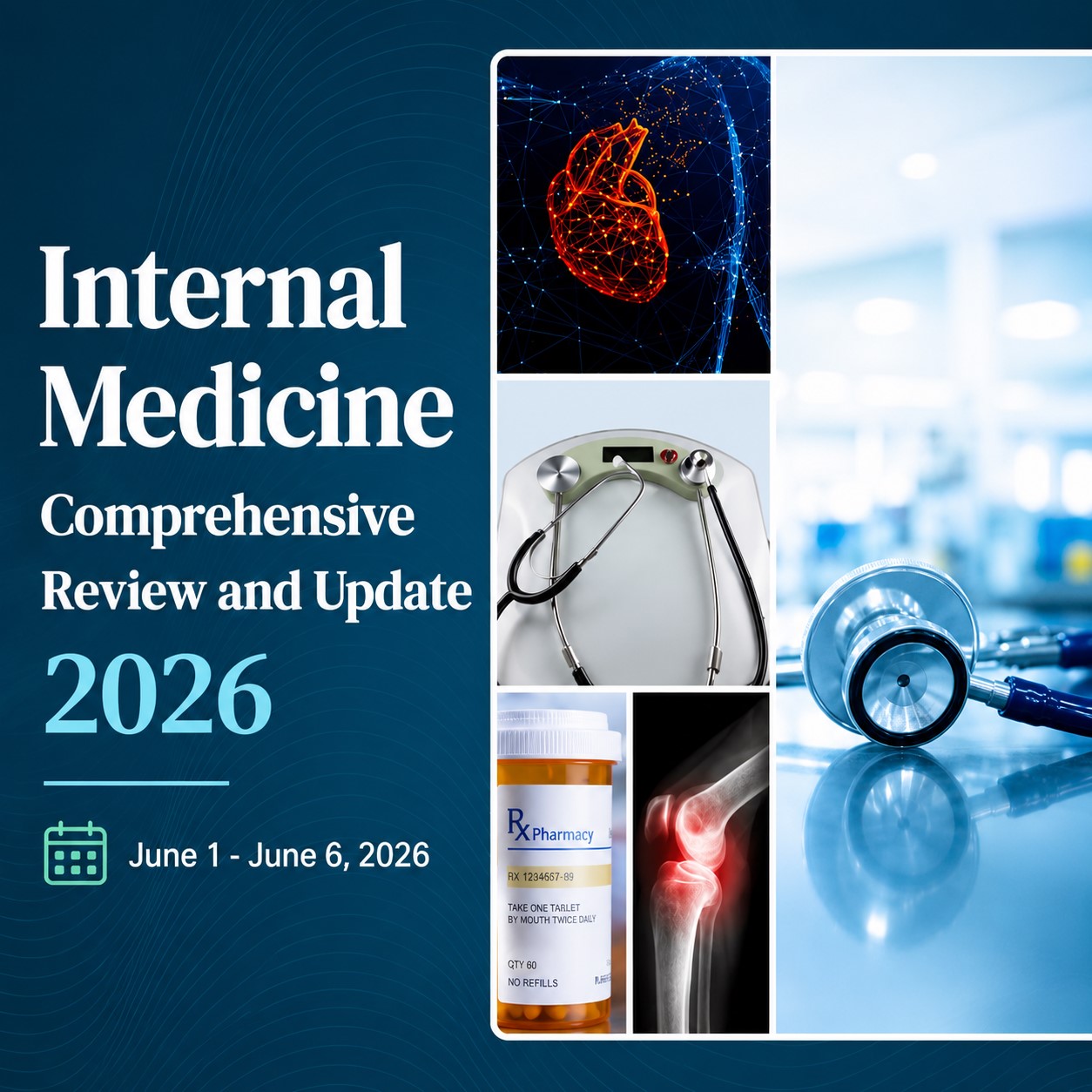
Harvard Internal Medicine Comprehensive Review and Update 2026
Original price was: $1,395.00.$150.00Current price is: $150.00.
Comprehensive internal medicine review spanning major specialties, hospital care, geriatrics, prevention and current clinical guidance.
Delivery Information: This Product is shared via google drive download link. Please use your correct Gmail address at checkout.
Please note: there are no CME points or certificate associated with this course.
Samples for Courses Can be found here: Free Samples Here!
Harvard Internal Medicine Comprehensive Review and Update 2026
Harvard’s Flagship Internal Medicine Review: Comprehensive Updates Across Primary Care, Hospital Medicine & Medical Subspecialties
The Harvard Internal Medicine Comprehensive Review and Update 2026 is one of the longest-running and most respected Internal Medicine educational programs in the world. Presented by leading faculty from Harvard Medical School and Massachusetts General Hospital, this 66th annual review delivers a comprehensive, evidence-based update across the full spectrum of Internal Medicine and its subspecialties.
Designed for clinicians practicing in both outpatient and inpatient settings, the course combines high-yield lectures, case-based discussions, expert Q&A sessions, specialty workshops, and practical clinical recommendations that can be immediately integrated into patient care. Covering more than 90 educational sessions, the program reviews the latest clinical guidelines, diagnostic strategies, emerging therapies, and practice-changing research across cardiology, infectious diseases, endocrinology, gastroenterology, nephrology, rheumatology, hematology-oncology, obesity medicine, geriatrics, psychiatry, and more.
Participants gain a comprehensive review of modern Internal Medicine while staying current with rapidly evolving evidence, guideline updates, and advances in patient-centered care.
Product Details
- Course: Harvard Internal Medicine Comprehensive Review and Update 2026
- Provider: Harvard Medical School & Massachusetts General Hospital
- Format: Original live-online/on-demand event; this listing supplies study files, not live registration, direct faculty interaction or provider platform access
- Course Year: 2026
- Educational Content: 90+ Expert Lectures, Workshops, Case Discussions & Interactive Q&A Sessions
Program Overview
This comprehensive review covers virtually every major area of Internal Medicine.
Key areas of focus include:
- Cardiovascular Medicine
- Hematology & Oncology
- CAR-T Cell Therapy
- Pulmonary & Critical Care Medicine
- Infectious Diseases
- Gastroenterology
- Hepatology
- Endocrinology
- Diabetes
- Obesity Medicine
- Nephrology
- Rheumatology
- Allergy & Immunology
- Women’s Health
- Neurology
- Psychiatry
- Addiction Medicine
- Hospital Medicine
- Geriatrics
- Palliative Care
- Pain Medicine
- Artificial Intelligence in Medicine
Participants receive practical recommendations applicable to both ambulatory and hospital-based practice.
Learning Objectives
The following objectives describe study goals, not guaranteed clinical competence:
- Apply current evidence-based recommendations across Internal Medicine subspecialties.
- Incorporate new clinical research findings into daily patient care.
- Improve diagnostic accuracy and therapeutic decision-making.
- Implement updated national and international clinical guidelines.
- Optimize management of common inpatient and outpatient conditions.
- Evaluate emerging technologies and innovations affecting medical practice.
- Enhance patient outcomes through evidence-based treatment strategies.
- Strengthen competency across a broad range of medical disciplines.
Core Topics Covered
Cardiovascular Medicine
Comprehensive updates include:
- Coronary artery disease screening
- Acute coronary syndrome management
- Preventive cardiology
- Hyperlipidemia treatment
- Hypertension management
- Anticoagulation strategies
- Cardio-oncology
- Valvular heart disease
- Infective endocarditis
Faculty review the latest cardiovascular guidelines and therapeutic advances.
Hematology & Oncology
Sessions cover:
- CAR-T cell therapies
- Immunotherapies
- Biologic agents
- Cancer screening innovations
- Hematologic disorders
- Precision oncology
- Rapid cancer diagnostics
Participants gain practical insights into rapidly evolving oncology care.
Infectious Diseases
Topics include:
- HIV medicine
- Care of immunocompromised patients
- Pneumonia management
- Skin and soft tissue infections
- Viral hepatitis
- C. difficile treatment
- Sepsis management
- Antimicrobial stewardship
- Immunization updates
Evidence-based recommendations are emphasized throughout.
Gastroenterology & Hepatology
The GI curriculum explores:
- GERD
- Functional gastrointestinal disorders
- Cirrhosis
- MASLD (Metabolic Dysfunction-Associated Steatotic Liver Disease)
- Hepatorenal syndrome
- Viral hepatitis
- Upper GI disorders
Experts discuss current diagnostic and therapeutic approaches.
Endocrinology & Metabolic Health
Dedicated sessions focus on:
- Diabetes management
- Obesity medicine
- Novel anti-obesity medications
- Metabolic syndrome
- Lifestyle interventions
- Hormonal disorders
Practical treatment strategies are highlighted.
Pulmonary & Critical Care Medicine
Participants review:
- COPD
- Asthma
- Obstructive sleep apnea
- Respiratory infections
- Critical care updates
- Smoking cessation strategies
Current guideline-based management approaches are presented.
Nephrology
Topics include:
- Acute kidney injury
- Chronic kidney disease
- Electrolyte disorders
- Renal protection strategies
- UTI management
Faculty discuss practical nephrology issues encountered in daily practice.
Rheumatology
The course reviews:
- Rheumatoid arthritis
- Systemic lupus erythematosus
- Vasculitis
- Connective tissue diseases
- Biologic therapies
Participants receive concise updates on autoimmune disease management.
Women’s Health
Sessions explore:
- Menopause management
- Osteoporosis
- Breast cancer screening
- Ovarian cancer screening
- Preventive health strategies
Evidence-based recommendations are reviewed.
Neurology, Psychiatry & Geriatrics
Important topics include:
- Delirium
- Dementia
- Anxiety disorders
- Depression
- Cognitive impairment
- Geriatric syndromes
Faculty provide practical diagnostic and treatment guidance.
Artificial Intelligence in Medicine
New for 2026:
- AI-assisted diagnostics
- Clinical decision support tools
- Healthcare automation
- Future applications of artificial intelligence
Participants explore the growing role of AI in clinical practice.
Addiction Medicine
Specialized workshops cover:
- Opioid use disorder
- Alcohol use disorder
- Infectious complications of substance use
- Evidence-based addiction treatment
Practical management strategies are emphasized.
Special Educational Features
Interactive NEJM Clinicopathologic Conference (CPC)
A live educational session modeled after the renowned New England Journal of Medicine clinicopathologic conference format.
Case-Based Learning
Real-world clinical scenarios designed to improve diagnostic reasoning and patient management.
Expert Workshops
Focused educational tracks include:
- Metabolic Health
- Obesity Medicine
- Addiction Medicine
- Cardiology Advances
- Hematology-Oncology Innovations
Educational Features
✔ 90+ High-Yield Educational Sessions
✔ Comprehensive Internal Medicine Review
✔ Harvard Medical School Faculty
✔ Massachusetts General Hospital Experts
✔ Case-Based Clinical Discussions
✔ Interactive Q&A Sessions
✔ Updated Clinical Guidelines
✔ Emerging Research & AI Innovations
Target Audience
This course is ideal for:
- Internists
- Family Physicians
- Primary Care Physicians
- Hospitalists
- Medical Specialists
- Nurse Practitioners
- Physician Assistants
- Pharmacists
- Internal Medicine Residents
- Internal Medicine Fellows
- Advanced Practice Providers
Why This Course Stands Out
✔ Harvard’s flagship Internal Medicine review program
✔ More than six decades of educational excellence
✔ Comprehensive coverage of all major Internal Medicine subspecialties
✔ Strong emphasis on practical clinical application
✔ Includes the latest guidelines and evidence-based recommendations
✔ Covers both ambulatory and inpatient medicine
✔ Features interactive learning and expert faculty engagement
✔ Ideal for board review and clinical practice updates
Clinical & Educational Value
The Harvard Internal Medicine Comprehensive Review and Update 2026 provides one of the most comprehensive reviews available in modern Internal Medicine. Through expert-led lectures, workshops, case discussions, and guideline updates, participants gain practical knowledge spanning cardiology, infectious diseases, endocrinology, gastroenterology, nephrology, rheumatology, oncology, women’s health, geriatrics, and emerging fields such as AI in medicine. This course serves as an invaluable resource for clinicians seeking to deliver evidence-based, state-of-the-art patient care.
+ Topics:
-
01 Introduction
-
02 Acute Kidney Injury A Practical Framework
-
03 Venous Thromboembolic Disease A Practical Approach
-
04 Giant Cell Arteritis and Polymyalgia Rheumatica Novel Approaches
-
05 Recurrent Fever Syndromes in Adults
-
06 Dysnatremias A Practical Approach
-
07 Long-Term Opioid Therapy for Chronic Pain
-
08 Systemic Lupus for the Clinician
-
09 Update in Management of Chronic Kidney Disease, Including ESRD
-
10 AI in Medicine A New Frontier
-
11 Inflammatory Arthritis Syndromes What’s New
-
12 Management of Metabolic Dysfunction-Associated Steatotic Liver Disease (MASLD)
-
13 Pharmacologic Management of Obesity in 2026
-
14 Exercise for Health What’s New in 2026
-
15 Metabolic Health in 2026 Q&A
-
16 Treating Opioid Use Disorder
-
17 Intersection of Infectious Diseases and SUDs Improving Care and Outcomes for People Who Use Drugs
-
18 Alcohol Use Disorder
-
19 Addiction Medicine Q&A
-
20 Q & A with the Professors
-
21 Updated Hypertension Guidelines and the SPRINT Trial
-
22 Sepsis Update in 2026
-
23 Type 2 Diabetes A Comprehensive Review for the Practicing Clinician
-
24 Osteoporosis A Practical Approach for 2026
-
25 New Frontiers in Tobacco Cessation
-
26 Contemporary Management Strategies in Diabetes 2026 Newer Agents and Approaches
-
27 Menopause in 2026 What to Know
-
28 Thyroid Disorders in 2026
-
29 Allergy and Immunology Update
-
30 What’s New in Sleep Apnea
-
31 Anemia and Other Hematology Cases Interactive Session
-
32 Asthma Diagnosis and Management in 2026
-
33 New Approaches to the Refractory Chronic Cough
-
34 COPD 2026
-
35 Update in Gynecologic Oncology for the Internist Screening for Ovarian Cancer
-
36 Q & A with the Professors
-
37 HIV AIDS Update in 2026
-
38 COVID-19 in 2026 Lessons Learned and Key Management Strategies
-
39 Urinary Tract Infections A Contemporary Approach to Diagnosis and Management
-
40 C. diff Update Latest Concepts
-
41 Cases in Critical Care Medicine in 2026
-
42 Hospital Medicine Update
-
43 Pneumonia A Practical Approach in 2026
-
44 New England Journal of Medicine (NEJM) Clinicopathologic Conference
-
45 Skin Soft Tissue Infections for the Clinician
-
46 What’s New in Immunizations for the Practicing Clinician Navigating the Maze
-
47 Common ENT and Respiratory Infections in Clinical Practice What’s New
-
48 Infections in the Immunocompromised Host
-
49 Antibiotics What You Need to Know in 2026
-
50 Update in Sexually Transmitted Diseases
-
51 Q & A with the Professors
-
52 Breast Cancer Screening and Prevention in 2026
-
53 Breast Cancer Management What’s New in the Field
-
54 & 55 Coagulation I & II
-
56 What You Need to Know About Immunotherapies in Oncology
-
57 The Continuing Evolution of Obesity Care 2026
-
58 Colon Cancer Screening Update in 2026
-
59 Contemporary Management in Cirrhosis
-
60 Viral Hepatitis
-
61 Update in Gastroesophageal Reflux Disease and Irritable Bowel Syndrome
-
62 Update in GI Malignancies in 2026
-
63 Car-T Cell Therapy for the Clinician Nuts and Bolts
-
64 New Frontiers in Rapid Cancer Screening in 2026
-
65 Lifestyle and Cancer
-
66 New Frontiers in Hem Onc 2026 Q&A
-
67 Nutrition and Cardiac Disease What the Clinician Needs to Know
-
68 New Frontiers in Cardio-Oncology
-
69 Hot Topics in Valvular Disease
-
70 Key Advances in Cardiology in 2026 Q&A
-
71 Q & A with the Professors
-
72 Best Approaches in the Evaluation of Patients with CAD
-
73 Acute Coronary Syndrome in 2026
-
74 Medicate, Dilate, or Operate (Management of CAD)
-
75 Atrial Fibrillation and Ventricular Arrhythmias in 2026
-
76 Thoracic Aorta Disease Update Etiology, Diagnosis and Management
-
77 TB Update in 2026
-
78 Q & A Session with Cardiology
-
79 Hyperlipidemia Latest Concepts
-
80 Management of the Patient with Heart Failure
-
81 Approach to Hepatorenal Syndrome and AKI in Cirrhosis
-
82 Delirium in 2026 What the Clinician Needs to Know
-
83 Lung Cancer Management in 2026
-
84 Update in Prostate Cancer
-
85 Peripheral Arterial Disease What You Need to Know
-
86 Palliative Care Update
-
87 Headaches and Stroke Update for the Clinician
-
88 Cases in Geriatrics Pearls for the Practicing Clinician
-
89 Update on Depression and Anxiety in 2026
-
90 Innovations in Dementia Care Screening, Management, and Multidisciplinary Approaches
-
91 Heart Disease in Women in 2026
Related products
Endocrine and Nutrition
Cardiology
Cardiology

Nephrology / Urology
Internal Medicine
Endocrine and Nutrition
Comprehensive Care for Persons with Diabetes 2022: A Certificate Program

Endocrine and Nutrition
Harvard Testosterone Therapy and Sexual Dysfunction February 2023