
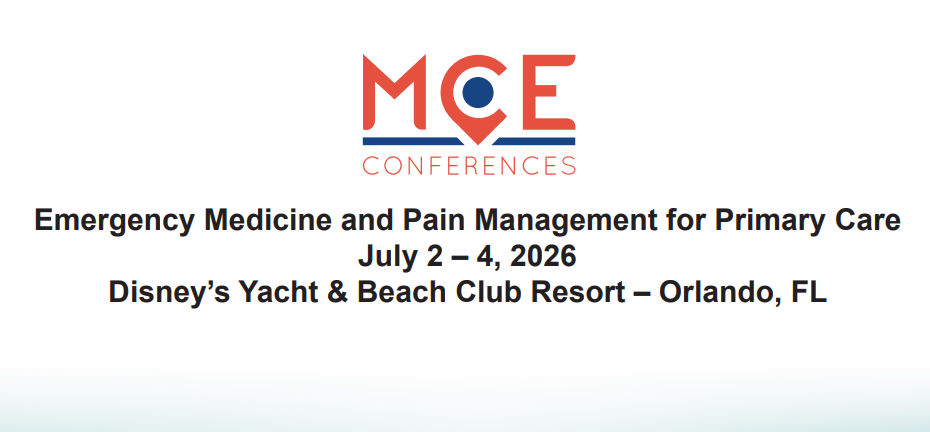
MCE Conferences Emergency Medicine and Pain Management for Primary Care July 2 – July 4, 2026


$125.00
This Product is shared via google drive download link, So please share your correct Gmail id while placing the order .Please note that there are no CME points or certificate associated with this course Samples for Courses Can be found here : Free Samples Here!
MCE Conferences – Emergency Medicine and Pain Management for Primary Care 2026 (Videos)
Comprehensive Updates in Emergency Medicine, Acute Care, Pain Management, Musculoskeletal Disorders, Cardiovascular Emergencies, and Office-Based Primary Care
Enhance your emergency medicine and pain management expertise with MCE Conferences – Emergency Medicine and Pain Management for Primary Care 2026, a comprehensive continuing medical education (CME) program designed specifically for primary care clinicians and healthcare professionals who manage urgent medical conditions and chronic pain in everyday clinical practice. This evidence-based conference delivers practical diagnostic strategies, current treatment guidelines, and hands-on clinical approaches that help providers confidently recognize medical emergencies, manage acute illnesses, and optimize pain treatment while improving patient safety and outcomes.
Held July 2–4, 2026, at Walt Disney World® – Disney’s Yacht & Beach Club Resort, Orlando, Florida, this interactive educational program combines expert-led lectures, case-based discussions, and practical workshops to provide the latest advances in emergency medicine and pain management. Participants gain clinically relevant knowledge covering cardiovascular emergencies, pulmonary embolism, anaphylaxis, musculoskeletal disorders, chronic pain management, behavioral health, ENT emergencies, and evidence-based office procedures that can be immediately applied in daily practice.
Designed for busy clinicians, the course emphasizes rapid assessment, early recognition of life-threatening conditions, appropriate referral decisions, and multidisciplinary approaches to both acute and chronic patient care.
Product Details
- Course: Emergency Medicine and Pain Management for Primary Care 2026
- Provider: MCE Conferences
- Conference Dates: July 2–4, 2026
- Location: Walt Disney World® – Disney’s Yacht & Beach Club Resort, Orlando, Florida, USA
- Format: Videos
- Language: English
- Educational Level: Intermediate to Advanced
Course Overview
Primary care physicians frequently serve as the first point of contact for patients presenting with acute medical emergencies, musculoskeletal injuries, and chronic pain syndromes. Rapid diagnosis, evidence-based treatment, and timely referral decisions are essential for preventing complications and improving patient outcomes.
The Emergency Medicine and Pain Management for Primary Care 2026 conference provides a practical review of the most common urgent conditions encountered in outpatient and office-based practice. Faculty present current clinical guidelines, diagnostic algorithms, and treatment strategies for cardiovascular emergencies, respiratory emergencies, allergic reactions, pain disorders, orthopedic complaints, behavioral health concerns, and office-based procedures.
Through interactive lectures and real-world clinical cases, participants strengthen their ability to recognize medical emergencies, perform focused physical examinations, initiate appropriate treatment, and coordinate multidisciplinary care.
What You’ll Learn
After completing this course, participants will be able to:
- Evaluate and manage common cardiovascular emergencies encountered in primary care.
- Recognize life-threatening conditions including pulmonary embolism, anaphylaxis, and angioedema.
- Apply current CDC guidelines for chronic pain management.
- Develop evidence-based treatment plans for fibromyalgia, osteoarthritis, and musculoskeletal pain.
- Perform focused physical examinations of the shoulder, hip, knee, and lumbar spine.
- Identify ENT “red flag” symptoms requiring urgent intervention.
- Integrate behavioral health considerations into pain management.
- Perform common office procedures while recognizing when specialty referral is indicated.
Comprehensive Topics Covered
Emergency Medicine
Review practical approaches to evaluating and managing common medical emergencies encountered in outpatient practice.
Topics include:
- Emergency assessment
- Acute stabilization
- Office emergencies
- Clinical decision-making
- Risk stratification
- Emergency referral
Faculty emphasize early recognition of serious illness and timely intervention.
Cardiovascular Emergencies
Strengthen your ability to diagnose and manage urgent cardiovascular conditions using current evidence-based recommendations.
Topics include:
- Hypertensive urgency
- Hypertensive emergency
- Atrial fibrillation
- Acute chest pain
- Cardiovascular risk assessment
- Emergency management
Participants review diagnostic algorithms and treatment strategies appropriate for office-based clinicians.
Pain Management
Develop a modern, multidisciplinary approach to chronic and acute pain management.
Topics include:
- Chronic pain
- Acute pain
- Fibromyalgia
- Osteoarthritis
- Rational polypharmacy
- Multimodal pain management
- Non-pharmacologic therapies
- CDC opioid prescribing guidelines
Faculty discuss balancing effective pain relief with medication safety and responsible prescribing.
Musculoskeletal Medicine
Gain practical skills for evaluating common orthopedic complaints using focused physical examination techniques.
Topics include:
- Shoulder disorders
- Hip pain
- Knee injuries
- Low back pain
- Musculoskeletal examination
- Functional assessment
- Clinical diagnosis
- Conservative management
Respiratory & Allergic Emergencies
Review the recognition and management of potentially life-threatening respiratory and allergic conditions.
Topics include:
- Pulmonary embolism
- Anaphylaxis
- Angioedema
- Airway emergencies
- Acute allergic reactions
- Emergency treatment protocols
Faculty emphasize early diagnosis and prompt intervention to reduce morbidity and mortality.
ENT Emergencies
Learn to recognize otolaryngologic conditions requiring urgent evaluation or specialist referral.
Topics include:
- ENT red flags
- Head and neck emergencies
- Airway compromise
- Serious ENT pathology
- Referral criteria
Behavioral Health & Chronic Pain
Explore the interaction between chronic pain and behavioral health while reviewing practical strategies for integrated patient care.
Topics include:
- Behavioral health integration
- Chronic pain psychology
- Cannabis in pain management
- Muscle relaxants
- Patient-centered care
Office-Based Procedures
Review common procedures performed in primary care settings while identifying situations that require specialty consultation or emergency referral.
Learning Objectives
Upon completion of this educational activity, participants will be able to:
- Evaluate and manage cardiovascular urgencies and emergencies, including hypertension and atrial fibrillation.
- Perform common office procedures and determine appropriate referral pathways.
- Apply evidence-based strategies for chronic pain, fibromyalgia, and osteoarthritis.
- Perform focused examinations for common musculoskeletal disorders.
- Recognize and treat life-threatening emergencies such as pulmonary embolism, anaphylaxis, and angioedema.
- Identify ENT conditions requiring immediate intervention.
- Integrate behavioral health principles into comprehensive pain management.
- Apply current CDC recommendations for safe and effective pain treatment.
Educational Highlights
- Emergency Medicine
- Primary Care Emergencies
- Pain Management
- Chronic Pain
- Fibromyalgia
- Osteoarthritis
- Cardiovascular Emergencies
- Hypertensive Emergencies
- Atrial Fibrillation
- Pulmonary Embolism
- Anaphylaxis
- Angioedema
- Musculoskeletal Medicine
- Sports & Orthopedic Examination
- Shoulder Disorders
- Hip Disorders
- Knee Disorders
- Low Back Pain
- ENT Emergencies
- Office Procedures
- Behavioral Health
- CDC Pain Guidelines
- Case-Based Learning
- Continuing Medical Education (CME)
Why This Course Stands Out
MCE Conferences – Emergency Medicine and Pain Management for Primary Care 2026 combines two of the most essential areas of outpatient medicine into one highly practical educational program. Rather than focusing solely on emergency department management, the curriculum emphasizes the challenges encountered by office-based clinicians, providing evidence-based diagnostic strategies, practical treatment algorithms, hands-on clinical techniques, and multidisciplinary approaches that improve patient outcomes while enhancing provider confidence.
Target Audience
This educational activity is ideal for:
- Primary Care Physicians
- Family Medicine Physicians
- Internal Medicine Physicians
- Emergency Medicine Physicians
- Pain Management Specialists
- Cardiologists
- Rheumatologists
- Allergists
- Immunologists
- Pulmonologists
- Otolaryngologists (ENT Physicians)
- Psychiatrists
- Hospitalists
- Nurse Practitioners
- Physician Assistants
- Healthcare Professionals involved in emergency and primary care medicine
Why Choose This Course?
Whether you evaluate acute illnesses in the clinic, manage chronic pain, or care for medically complex patients, MCE Conferences – Emergency Medicine and Pain Management for Primary Care 2026 provides an outstanding evidence-based review of modern emergency medicine and pain management. Combining nationally recognized faculty, practical case discussions, current clinical guidelines, office-based procedures, and multidisciplinary treatment strategies, this program equips clinicians with the skills needed to confidently diagnose, treat, and manage both urgent and chronic medical conditions.
Topics
-
Management of Hypertension: Don’t Just Do Something, Stand There
-
Using What You Have: Office Procedures for the Primary Care Provider
-
Update on Pathophysiology of Pain and Review of Multidisciplinary Approaches in the Management of Fibromyalgia
-
Rational Polypharmacy for Chronic Pain Management: Diabetic Peripheral Neuropathy, and Topicals for Joint Pain
-
Osteoarthritis Update – Including Assessment of Shoulder and Hip Pain Disorders
-
Physical Exam for Low Back Pain: A Hands-On Approach
-
Deadly Reactions: Recognizing and Treating Anaphylaxis and Angioedema
-
Atrial Fibrillation in the Office
-
I Can’t Breathe: Managing your Dyspneic Patient
-
ENT for the Non-Otolaryngologist
-
Update on Opioid Pharmacology, Risk Management Strategies, and Applying the CDC Guidelines in Primary Care
-
Clinical Challenges: Behavioral Health Integration, Cannabis Use for Chronic Pain, and Muscle Relaxants in Soft Tissue Injury
Related products

Critical Care - Emergency medicine

Medical Accounts

Internal Medicine
Anesthesiology & pain medicine
Critical Care Symposium: Mastering ED Mechanical Ventilation
Internal Medicine

Critical Care - Emergency medicine

Internal Medicine
Internal Medicine