
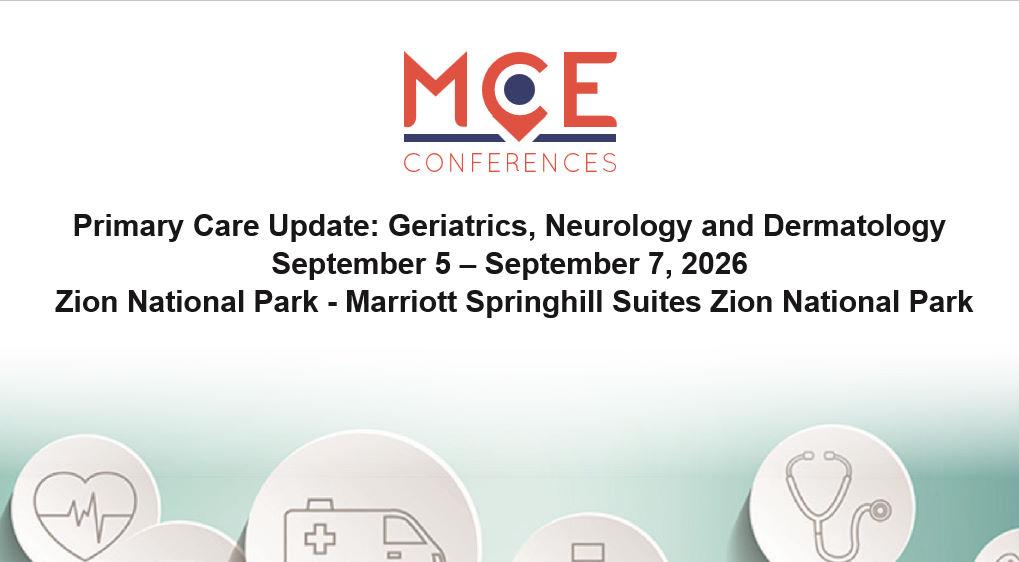
MCE Conferences Primary Care Update Geriatrics, Neurology and Dermatology Sep 05, 2026 – Sep 07, 2026

$125.00
This Product is shared via google drive download link, So please share your correct Gmail id while placing the order .Please note that there are no CME points or certificate associated with this course Samples for Courses Can be found here : Free Samples Here!
MCE Conferences Primary Care Update Geriatrics, Neurology and Dermatology Sep 05, 2026 – Sep 07, 2026
Geriatrics • Neurology • Dermatology • Primary Care
September 5–7, 2026 | Zion National Park / Springdale, Utah
Advance practical primary care decision-making across Geriatrics, Neurology, and Dermatology with MCE Conferences Primary Care Update Geriatrics, Neurology and Dermatology Sep 05, 2026 – Sep 07, 2026.
Organized by MCE Conferences, this three-day continuing medical education program was held September 5–7, 2026, at the SpringHill Suites by Marriott Springdale Zion National Park in Springdale, Utah.
The official program was designed to provide primary care practitioners with up-to-date, evidence-based information on commonly encountered issues in geriatrics, neurology, and dermatology, while emphasizing pragmatic approaches that can be incorporated into real-world outpatient practice.
The discussion-based curriculum combined:
- Dynamic lectures
- Case-based studies
- Practical clinical decision-making
- Hands-on educational concepts
- Diagnostic algorithms
- Evidence-based prescribing
- Common outpatient scenarios
- Geriatric cognitive assessment
- Neurological differential diagnosis
- Dermatologic recognition and treatment
The overall goal is to improve the clinician’s ability to:
Recognize → Diagnose → Differentiate → Treat → Prescribe Appropriately → Improve Patient Outcomes
The official schedule included dedicated education on cognitive impairment, dementia, geriatric syndromes, stroke and stroke mimickers, headache red flags, vitamin-related neurologic disorders, skin cancer, steroid use, fungal infections, papulosquamous disease, hidradenitis, pruritus, infestations, acne, rosacea, and facial rashes.
Course Details
- Course: Primary Care Update: Geriatrics, Neurology and Dermatology
- Provider: MCE Conferences
- Year: 2026
- Conference Dates: September 5–7, 2026
- Duration: 3 Days
- Location: Zion National Park / Springdale, Utah
- Conference Venue: SpringHill Suites by Marriott Springdale Zion National Park
- Conference Center: Marriott SpringHill Suite Conference Center
- Primary Specialty: Primary Care
- Subspecialties: Geriatrics, Neurology, Dermatology
- Official CME: 12 AMA PRA Category 1 Credits™
- ABIM MOC: Up to 12 Part II MOC Points
- AAFP: Up to 12.00 Live AAFP Prescribed Credits
- Primary Audience: Physicians and Healthcare Professionals Seeking Updates in Geriatrics, Neurology, and Dermatology
- Educational Format: Discussion-Based Lectures, Case-Based Education, Clinical Review, and Practical Workshops
- Primary Focus: Evidence-Based Diagnosis and Management of Common Primary Care Problems
MCE Conferences officially lists the activity as a 12-credit conference designed for primary care practitioners seeking pragmatic, evidence-based approaches to common issues in the three specialties.
Who Was the Original Program Designed For?
The official target audience is:
All Physicians and other Healthcare Professionals seeking clinical information about issues in Geriatrics, Neurology and Dermatology.
The course is particularly relevant for:
- Primary Care Physicians
- Family Medicine Physicians
- Internal Medicine Physicians
- Geriatricians
- Neurologists
- Dermatologists
- Nurse Practitioners
- Physician Associates / Physician Assistants
- Clinicians caring for older adults
- Clinicians evaluating cognitive complaints
- Clinicians managing common neurologic presentations
- Clinicians diagnosing and treating common dermatologic disease
- Healthcare professionals working in outpatient medicine
The strongest clinical audience remains:
Primary Care + Geriatrics + Neurology + Dermatology
Learning Objectives
Upon completion of this program, participants should be better able to:
- Evaluate cognitive impairment through targeted history taking, mental status examinations, and telemedicine applications.
- Identify patterns of cognitive impairment using necessary labs and imaging, and implement system-based care improvements for older adults.
- Distinguish, diagnose, and treat common skin cancers utilizing various biopsy techniques and dermoscopy.
- Select appropriate topical and injectable steroids based on vehicle, potency, and quantity.
- Diagnose and manage cutaneous fungal infections, determining when to use oral versus topical therapy.
- Recognize classic manifestations and implement appropriate interventions for papulosquamous diseases such as psoriasis, lichen planus, and pityriasis rosea.
- Diagnose and manage hidradenitis, folliculitis, pseudofolliculitis, and keratosis pilaris.
- Understand differential diagnostic strategies for geriatric syndromes and cognitive impairment using evidence-based pathways.
- Recognize risk factors and causes of atypical dementia, utilizing sub-phenotyping and classification for treatment decisions.
- Differentiate stroke syndromes from stroke mimickers, explore secondary headache syndromes, and improve primary care history taking.
- Review neurological manifestations, pathophysiological pathways, and diagnostic clues of vitamin deficiencies and excess.
- Diagnose and treat common causes of itchy skin, including infestations such as scabies, lice, and bed bugs.
- Individualize treatments for facial rashes, including acne, rosacea, seborrhea, and systemic diseases causing rashes.
These objectives align directly with the published session-level objectives on the official MCE agenda.
GERIATRICS
The geriatrics curriculum focuses on some of the most common and challenging problems encountered in the care of older adults.
Major areas include:
- Cognitive impairment
- Dementia
- Atypical dementia
- Healthy aging
- Geriatric syndromes
- Functional assessment
- System-based care
- Social determinants of health
- Age-friendly care
- Annual wellness visits
The overall geriatric pathway can be summarized as:
Recognize Change → Assess Cognition and Function → Exclude Reversible Causes → Classify Syndrome → Initiate Management → Improve Systems of Care
Evaluating Cognitive Impairment
The first official session is:
Evaluating Cognitive Impairment: History, Exam & Telemedicine.
The session focuses on three core areas:
- Targeted history taking
- Mental status examination
- Telemedicine assessment
The official objectives include discussing targeted questions when cognitive decline is suspected, understanding the elements of a mental status examination and relevant neurological examination, and reviewing the usefulness of telemedicine in evaluating cognitive impairment.
History Taking in Cognitive Decline
Evaluation of cognitive impairment begins with a careful history.
Important domains may include:
- Memory complaints
- Functional decline
- Behavioral changes
- Medication use
- Safety concerns
- Timeline of symptoms
- Informant history
- Daily activities
The clinical objective is to distinguish between:
Normal Aging → Mild Cognitive Change → Dementia Syndrome → Alternative Neurologic or Medical Cause
Mental Status Examination
The official curriculum emphasizes understanding the elements of the mental status examination and relevant supporting components of the neurological examination.
A structured examination can help evaluate:
- Attention
- Orientation
- Memory
- Language
- Executive function
- Behavior
- Thought process
The results must be interpreted in the context of the patient’s history and baseline function.
Telemedicine in Cognitive Assessment
Telemedicine is specifically incorporated into the curriculum.
The session examines the utility of remote assessment for patients with cognitive impairment.
Telemedicine can be particularly relevant when:
- Mobility is limited
- Travel is difficult
- Family members need to participate remotely
- Longitudinal follow-up is required
Cognitive Assessment in Older Adults
The second official session is:
Cognitive Assessment in Older Adults: Screening, Diagnosis & System-Based Care.
This session focuses on:
- Necessary laboratory evaluation
- Appropriate imaging
- Recognition of cognitive patterns
- System improvements for older adults
Laboratory Evaluation of Cognitive Impairment
The official objective includes reviewing important necessary labs and imaging when cognitive decline is suspected.
The purpose is to identify potentially reversible or contributory causes and to distinguish neurodegenerative disease from other conditions.
The diagnostic pathway is:
History → Cognitive Assessment → Targeted Laboratory Evaluation → Imaging When Appropriate → Syndrome Classification
Cognitive Patterns
The program emphasizes identifying patterns of cognitive impairment rather than treating all cognitive decline as the same disorder.
Different patterns may suggest different underlying conditions and may influence:
- Differential diagnosis
- Additional testing
- Prognosis
- Treatment planning
Age-Friendly Health Systems
The official session specifically identifies system improvements such as:
- Age-friendly care
- Annual Wellness Visits
- Social Determinants of Health Screening
as ways to improve care for older adults.
This shifts the focus from isolated diagnosis toward broader healthcare delivery.
Annual Wellness Visit
The Annual Wellness Visit can provide an opportunity to evaluate:
- Cognition
- Functional status
- Fall risk
- Medication burden
- Preventive care
- Social factors
and incorporate early detection strategies into routine primary care.
Social Determinants of Health
The curriculum explicitly includes Social Determinants of Health Screening in older adults.
Relevant social factors may influence:
- Medication adherence
- Nutrition
- Transportation
- Housing
- Caregiver support
- Access to services
These issues can significantly affect clinical outcomes.
Healthy Aging & Geriatric Syndromes
A Sunday session is:
Healthy Aging and Geriatric Syndromes: An Evidence-Based Approach.
The session focuses on:
- Differential diagnostic strategies
- Recognition of geriatric syndromes
- Cognitive impairment
- Evidence-based pathways
The aim is to help clinicians avoid focusing on one symptom without considering broader patterns of decline or vulnerability.
Geriatric Syndromes
Geriatric syndromes often cross traditional disease categories.
They may involve overlapping problems related to:
- Cognition
- Mobility
- Function
- Medication burden
- Frailty
- Nutrition
- Social support
The course emphasizes evidence-based diagnostic pathways rather than isolated symptom management.
Dementia
The program includes extensive education on dementia, particularly presentations that do not fit the most familiar pattern.
The official session is:
All Dementia is NOT Created Equal – Atypical Dementia Presentations.
Dementia Risk Factors
The session begins by reviewing common risk factors for dementia.
Understanding risk factors supports more informed evaluation when cognitive symptoms appear.
Atypical Dementia
A major objective is to understand causes of atypical dementia.
Not every patient with dementia presents first with isolated memory impairment.
Atypical presentations may involve:
- Language changes
- Behavior
- Movement
- Executive dysfunction
- Visual-spatial impairment
The course encourages clinicians to broaden the differential when the clinical picture is unusual.
Dementia Sub-Phenotyping
The official objectives include identifying:
Sub-phenotyping / classification of dementia.
Better classification can support more appropriate:
- Counseling
- Prognostic discussion
- Treatment decisions
- Referral
Case-Based Dementia Treatment
The course uses case-based scenarios to frame treatment decisions.
The clinical process can be summarized as:
Recognize Pattern → Establish Differential → Classify Syndrome → Discuss Treatment → Support Patient and Caregiver
NEUROLOGY
The neurology curriculum concentrates on high-yield presentations that can be challenging in primary care.
Major topics include:
- Stroke
- Stroke mimickers
- Secondary headaches
- Paroxysmal neurologic disorders
- Vitamin deficiencies
- Vitamin excess
- Neurological examination
- Imaging interpretation
- Laboratory clues
Stroke Basics & Stroke Mimickers
The official Monday session is:
Sometimes it is the Zebra you are Hearing – Stroke Basics and Stroke Mimickers.
The official objectives include:
- Recognizing common stroke syndromes
- Reviewing imaging
- Examining paroxysmal disorders that mimic stroke
- Understanding secondary-headache red flags
- Improving history taking for headache presentations
Stroke Syndromes
Primary care clinicians must recognize common stroke patterns quickly.
The basic approach is:
Recognize Neurologic Deficit → Determine Time Course → Identify Stroke Syndrome → Urgent Imaging / Evaluation → Escalate Care
Early recognition is essential because treatment opportunities may be time-sensitive.
Stroke Mimickers
The course specifically emphasizes disorders that can mimic acute stroke.
These presentations may include:
- Paroxysmal neurologic events
- Migraine-related phenomena
- Other transient neurological syndromes
The objective is not to delay stroke evaluation but to understand the differential when findings are atypical.
Neurological Examination
The official session reviews the neurological examination of paroxysmal disorders that can mimic stroke.
Focused neurological examination can help clinicians identify:
- Pattern of weakness
- Sensory findings
- Speech abnormalities
- Cranial nerve deficits
- Coordination abnormalities
Stroke Imaging
The program specifically includes review of imaging in common stroke syndromes.
Imaging helps distinguish:
- Ischemic events
- Hemorrhagic disease
- Structural mimics
and supports urgent management decisions.
Secondary Headache Red Flags
Another important objective is recognition of red flags associated with secondary headaches.
The session encourages clinicians to distinguish routine primary headache disorders from presentations requiring additional investigation.
Secondary Headache Syndromes
The curriculum includes exploration of secondary headache syndromes and strategies for improving history taking in the primary care setting.
The clinical framework is:
Headache History → Identify Red Flags → Neurological Examination → Determine Need for Imaging or Urgent Referral
Vitamin Deficiencies & Excess
The next official neurology session is:
Too Much of a Good Thing or Not Enough? Vitamin Deficiencies and Excess.
The program examines neurological disease caused by both:
- Vitamin deficiency
- Vitamin excess
Neurological Manifestations of Vitamin Deficiency
The official objectives include reviewing the neurological manifestations of vitamin deficiencies.
Such disorders may present with:
- Neuropathy
- Cognitive symptoms
- Gait abnormalities
- Sensory symptoms
- Other neurological findings
The key clinical lesson is that nutritional abnormalities can produce neurologic disease that may be mistaken for primary neurological disorders.
Vitamin Toxicity
The course also includes case-based scenarios involving vitamin excess.
Supplement use should therefore be considered during medication and exposure histories.
Pathophysiology of Vitamin Disorders
The official session includes discussion of the pathophysiological pathways of vitamin excess and deficiency.
This links:
Nutritional Abnormality → Biological Dysfunction → Neurologic Manifestation
and helps clinicians understand why different deficiencies or excesses produce different syndromes.
Laboratory & Imaging Clues
Another objective is to review laboratory and imaging clues to vitamin-related neurological disease.
This supports a more systematic diagnostic approach when symptoms are nonspecific.
DERMATOLOGY
The dermatology program provides practical education on common outpatient skin disease as well as malignancy.
Major areas include:
- Skin cancer
- Dermoscopy
- Biopsy techniques
- Topical steroids
- Injectable steroids
- Fungal infections
- Papulosquamous disease
- Psoriasis
- Lichen planus
- Pityriasis rosea
- Hidradenitis
- Folliculitis
- Pseudofolliculitis
- Keratosis pilaris
- Pruritus
- Scabies
- Lice
- Bed bugs
- Acne
- Rosacea
- Seborrhea
- Facial rashes
Skin Cancer Essentials
The official Saturday session is:
Skin Cancer Essentials.
The objectives include:
- Distinguishing common skin cancers from other lesions
- Comparing biopsy techniques
- Identifying treatment methods
- Understanding topical therapies
- Discussing dermoscopy
Common Skin Cancers
The program is designed to improve recognition of common malignant lesions and distinguish them from benign mimics.
Primary care clinicians need a structured approach based on:
- Clinical appearance
- Evolution over time
- Risk factors
- Dermoscopy when available
- Biopsy when appropriate
Skin Biopsy Techniques
The official curriculum explicitly compares biopsy techniques used in the diagnostic evaluation of skin cancer.
Appropriate biopsy selection depends on:
- Lesion type
- Location
- Depth
- Diagnostic question
The goal is to obtain adequate tissue while minimizing unnecessary morbidity.
Dermoscopy
The official session includes the value of dermoscopy for diagnosing skin cancer.
Dermoscopy can provide additional visual information beyond the unaided examination and may support more accurate lesion assessment.
Skin Cancer Treatment
The course reviews methods used for skin-cancer treatment, including topical therapies.
Treatment selection depends on:
- Cancer type
- Location
- Extent
- Patient characteristics
- Need for specialist referral
Topical Steroids
The official combined Saturday session includes:
Topical and Injectable Steroids.
The program focuses on:
- Vehicle selection
- Steroid potency
- Quantity
- Appropriate indications
Choosing a Topical Vehicle
The official learning objectives require participants to distinguish between different vehicles and understand when one should be used over another.
Common formulation principles may involve differences between:
- Ointments
- Creams
- Lotions
- Solutions
with selection influenced by body location and lesion characteristics.
Steroid Potency
The curriculum emphasizes choosing the correct potency rather than treating all inflammatory dermatoses with the same topical corticosteroid.
Appropriate potency depends on:
- Diagnosis
- Body site
- Skin thickness
- Treatment duration
- Patient age
Prescription Quantity
The program specifically includes determining the appropriate quantity to prescribe.
This is important because under-prescribing may lead to ineffective treatment, while inappropriate prolonged use may increase adverse effects.
Injectable Steroids
Another official objective is to understand when steroid injections are valuable.
This expands the discussion beyond topical treatment toward selected procedural dermatologic therapy.
Fungal Infections
The second half of the combined session is:
Fungal Infections.
The official objectives include:
- Identifying common cutaneous fungal infections
- Determining when oral therapy is appropriate
- Determining when topical therapy is appropriate
- Establishing a differential diagnosis
Cutaneous Fungal Disease
The course emphasizes common fungal infections encountered in outpatient medicine.
The clinical pathway is:
Recognize Pattern → Confirm Likely Fungal Etiology → Consider Differential → Select Topical or Oral Therapy
Oral vs. Topical Antifungal Therapy
A major learning objective is deciding when to use:
Topical Therapy vs. Oral Therapy.
The choice may be influenced by:
- Extent
- Location
- Severity
- Hair or nail involvement
- Previous treatment response
Differential Diagnosis of Fungal Infection
The official objectives include delineating the differential diagnosis for cutaneous fungal disease.
This is particularly important because inflammatory skin disorders may mimic infection and vice versa.
Papulosquamous Disease
The first Sunday dermatology session is:
Papulosquamous Disease.
The official objectives focus on:
- Psoriasis
- Lichen planus
- Pityriasis rosea
Psoriasis
Participants are expected to:
- Recognize classic manifestations
- Diagnose different forms
- Implement appropriate interventions
for psoriasis.
The condition may present with a variety of morphologic and distribution patterns, making clinical recognition important.
Lichen Planus
The program also reviews:
Lichen Planus
as part of the papulosquamous differential.
Primary care clinicians should understand its characteristic presentation and when additional evaluation or specialist referral may be appropriate.
Pityriasis Rosea
Pityriasis Rosea is the third major condition in the session.
The curriculum focuses on recognition, diagnosis, and appropriate intervention.
Hidradenitis Suppurativa
The next session is:
Hidradenitis and Follicular Disorders.
The official objectives include identifying:
- Presenting characteristics
- Diagnostic findings
- Initial management strategies
for hidradenitis.
Initial Management of Hidradenitis
The session emphasizes developing an initial plan of care rather than merely recognizing the diagnosis.
The primary care goal is to:
Recognize → Assess Severity → Begin Initial Management → Refer When Appropriate
Folliculitis
The session compares hidradenitis with:
Folliculitis.
Correct differentiation helps avoid misclassification of recurrent or chronic follicular disorders.
Pseudofolliculitis
Pseudofolliculitis is another confirmed topic.
The program compares its diagnostic findings with other follicular conditions.
Keratosis Pilaris
The official objectives also include recognizing:
Keratosis Pilaris.
This highlights the course’s practical emphasis on differentiating common follicular eruptions.
Pruritus
Monday includes:
This Itch Is Driving Me Crazy.
The session addresses:
- Infestations
- Common causes of itchy skin
- Treatment options
Scabies
The official objectives specifically require participants to distinguish:
Scabies
from other infestations.
The course emphasizes characteristic clinical presentation and appropriate treatment.
Head & Body Lice
The session also includes:
- Head lice
- Body lice
and how their presentations differ from other pruritic disorders.
Bed Bugs
Bed bugs are included in the same infestation differential.
This is clinically relevant because exposure histories and lesion patterns may be essential to diagnosis.
Common Causes of Itchy Skin
The official objectives include describing presentations of the most common causes of itchy skin and comparing treatment options.
The clinical approach can be summarized as:
History → Distribution → Morphology → Exposure → Differential → Targeted Treatment
Acne
The final session is:
Acne, Rosacea and Facial Rashes.
Acne treatment is individualized according to:
- Acne type
- Severity
as specifically stated in the official learning objectives.
Individualized Acne Therapy
The course emphasizes tailoring treatment rather than using one regimen for every patient.
A practical strategy is:
Classify Acne → Assess Severity → Select Appropriate Therapy → Reassess
Rosacea
The official program requires clinicians to distinguish:
Rosacea
from other causes of facial redness.
Recognizing the morphology and distribution can help prevent inappropriate treatment.
Seborrhea
The curriculum also includes distinguishing:
Seborrhea
from other red facial rashes.
This is important because seborrheic dermatitis and rosacea may overlap clinically but require different treatment strategies.
Facial Rashes
The course reviews different types of facial rashes and encourages a structured differential diagnosis.
Potential categories may include:
- Acneiform disease
- Rosacea
- Seborrheic dermatitis
- Inflammatory disease
- Systemic disease
Systemic Disease Causing Facial Rash
The official learning objectives specifically include identifying systemic diseases that cause facial rashes.
This reinforces an important primary care principle:
Not Every Facial Rash Is a Primary Dermatologic Disorder
THREE-SPECIALTY PRIMARY CARE INTEGRATION
The value of this conference comes from combining three clinical disciplines that frequently overlap in everyday outpatient practice.
Geriatrics
- Cognitive impairment
- Dementia
- Healthy aging
- Geriatric syndromes
- System-based care
Neurology
- Stroke
- Stroke mimickers
- Headache red flags
- Vitamin-related neurologic disease
Dermatology
- Skin cancer
- Dermoscopy
- Steroids
- Fungal infections
- Psoriasis
- Hidradenitis
- Pruritus
- Acne and rosacea
This structure allows clinicians to strengthen both diagnostic pattern recognition and practical management.
Major Topics Covered
- Primary Care
- Geriatrics
- Neurology
- Dermatology
- Cognitive Impairment
- Cognitive Screening
- Mental Status Examination
- Telemedicine
- Dementia
- Atypical Dementia
- Dementia Classification
- Geriatric Syndromes
- Healthy Aging
- Annual Wellness Visit
- Social Determinants of Health
- Stroke
- Stroke Syndromes
- Stroke Mimickers
- Neurological Examination
- Secondary Headaches
- Headache Red Flags
- Vitamin Deficiency
- Vitamin Excess
- Neurological Vitamin Disorders
- Skin Cancer
- Dermoscopy
- Skin Biopsy
- Topical Steroids
- Injectable Steroids
- Corticosteroid Potency
- Cutaneous Fungal Infections
- Oral Antifungal Therapy
- Topical Antifungal Therapy
- Papulosquamous Disease
- Psoriasis
- Lichen Planus
- Pityriasis Rosea
- Hidradenitis
- Hidradenitis Suppurativa
- Folliculitis
- Pseudofolliculitis
- Keratosis Pilaris
- Pruritus
- Scabies
- Head Lice
- Body Lice
- Bed Bugs
- Acne
- Rosacea
- Seborrhea
- Facial Rashes
- Evidence-Based Primary Care
Who Should Take This Course?
MCE Conferences Primary Care Update Geriatrics, Neurology and Dermatology Sep 05, 2026 – Sep 07, 2026 is particularly relevant for:
- Primary Care Physicians
- Family Medicine Physicians
- Internal Medicine Physicians
- Geriatricians
- Neurologists
- Dermatologists
- Nurse Practitioners
- Physician Assistants
- Healthcare Professionals Caring for Older Adults
- Clinicians Evaluating Cognitive Complaints
- Clinicians Managing Common Neurologic Conditions
- Clinicians Treating Common Dermatologic Disease
The strongest clinical audience remains:
Primary Care + Geriatrics + Neurology + Dermatology
Why This Course Is Useful
MCE Primary Care Update: Geriatrics, Neurology and Dermatology 2026 provides a concentrated review of high-frequency conditions that primary care clinicians regularly encounter.
Geriatric Medicine
- Cognitive impairment
- Mental status examination
- Telemedicine
- Dementia
- Atypical dementia
- Geriatric syndromes
- Age-friendly care
Neurology
- Stroke
- Stroke mimickers
- Secondary headache
- Neurological examination
- Vitamin deficiencies
- Vitamin excess
Dermatology
- Skin cancer
- Dermoscopy
- Biopsy
- Steroids
- Fungal disease
- Psoriasis
- Hidradenitis
- Pruritus
- Infestations
- Acne
- Rosacea
The overall clinical pathway can be summarized as:
Recognize Pattern → Establish Differential → Select Appropriate Testing → Diagnose → Treat → Reassess → Refer When Necessary
Original MCE Credit & Accreditation Information
MCE Conferences is accredited by the Accreditation Council for Continuing Medical Education – ACCME to provide continuing medical education for physicians.
For the original live activity, MCE designated:
Up to 12 AMA PRA Category 1 Credits™.
Eligible physicians could also earn:
Up to 12 ABIM Part II MOC Points.
The American Academy of Family Physicians – AAFP reviewed the activity and deemed it acceptable for:
Up to 12.00 Live AAFP Prescribed Credits
for the approval term September 5–7, 2026.
Additional recognition listed by MCE includes:
- CFPC/Mainpro+ reciprocal recognition for eligible Canadian family physicians
- AOA recognition of AMA PRA Category 1 Credit™ as AOA Category 2 credit
- ANCC recognition of AMA PRA Category 1 Credit™ for nursing recertification and continuing education
- AANP/AANPCP acceptance for applicable nurse-practitioner continuing education
- Up to 12 Category 1 credits for eligible physician assistants through NCCPA-recognized ACCME credit
- Up to 12 CME credits potentially applicable toward pharmacology requirements depending on the relevant Medical Board
These credits apply only to eligible participation in the original MCE Conferences educational activity and completion of applicable provider requirements.
An independently distributed MedicalAmboss package should not automatically be represented as providing:
- AMA PRA Category 1 Credits™
- ABIM MOC Points
- AAFP Prescribed Credits
- AOA Credit
- ANCC Contact Hours
- AANP Credit
- NCCPA Credit
- Pharmacology Credit
- Official MCE Certificate
- Official MCE Conference Registration
unless those benefits are specifically included with the purchase.
Product Summary
- Product: MCE Conferences Primary Care Update Geriatrics, Neurology and Dermatology Sep 05, 2026 – Sep 07, 2026
- Provider: MCE Conferences
- Year: 2026
- Conference Dates: September 5–7, 2026
- Duration: 3 Days
- Venue: SpringHill Suites by Marriott Springdale Zion National Park
- Location: Zion National Park / Springdale, Utah
- Official CME: 12 AMA PRA Category 1 Credits™
- ABIM MOC: Up to 12 Part II MOC Points
- AAFP: Up to 12 Live Prescribed Credits
- Primary Specialty: Primary Care
- Subspecialties: Geriatrics, Neurology, Dermatology
- Primary Audience: Physicians and Other Healthcare Professionals
- Major Areas: Cognitive Impairment, Dementia, Stroke, Stroke Mimickers, Vitamin Disorders, Skin Cancer, Steroids, Fungal Infection, Psoriasis, Hidradenitis, Pruritus, Acne, and Rosacea
Short Description
MCE Conferences Primary Care Update Geriatrics, Neurology and Dermatology Sep 05, 2026 – Sep 07, 2026 provides practical, evidence-based education for primary care clinicians across three high-yield specialties.
Held at SpringHill Suites by Marriott Springdale Zion National Park in Utah, the 12-credit program covers cognitive impairment, dementia, geriatric syndromes, stroke and stroke mimickers, secondary headache, vitamin deficiencies and excess, skin cancer, dermoscopy, topical and injectable steroids, fungal infections, psoriasis, hidradenitis, pruritus, infestations, acne, rosacea, and facial rashes.
Topics
Saturday, September 5, 2026
Evaluating Cognitive Impairment: History, Exam & Telemedicine
7:30 AM – 8:30 AM
- Targeted history taking in suspected cognitive decline
- Mental status examination
- Relevant neurological examination
- Telemedicine in cognitive assessment
Cognitive Assessment in Older Adults: Screening, Diagnosis & System-Based Care
8:35 AM – 9:35 AM
- Necessary laboratory evaluation
- Imaging
- Patterns of cognitive impairment
- Age-friendly system improvements
- Annual Wellness Visit
- Social Determinants of Health Screening
Skin Cancer Essentials
9:45 AM – 10:45 AM
- Differentiating common skin cancers from other lesions
- Skin biopsy techniques
- Treatment methods
- Topical therapies
- Dermoscopy
Topical and Injectable Steroids
10:50 AM – 11:20 AM
- Topical vehicles
- Vehicle selection
- Steroid potency
- Prescription quantity
- Indications for steroid injections
Fungal Infections
11:20 AM – 11:50 AM
- Common cutaneous fungal infections
- Oral versus topical therapy
- Differential diagnosis of fungal skin disease
Sunday, September 6, 2026
The second day was intentionally scheduled in the afternoon from 1:30 PM–5:50 PM, allowing participants time for morning activities.
Papulosquamous Disease
1:30 PM – 2:30 PM
- Psoriasis
- Lichen planus
- Pityriasis rosea
- Classic manifestations
- Diagnostic differentiation
- Appropriate interventions
Hidradenitis and Follicular Disorders
2:35 PM – 3:35 PM
- Hidradenitis presentation
- Diagnostic findings
- Initial management
- Folliculitis
- Pseudofolliculitis
- Keratosis pilaris
Healthy Aging and Geriatric Syndromes: An Evidence-Based Approach
3:45 PM – 4:45 PM
- Differential diagnostic strategies
- Recognition of geriatric syndromes
- Cognitive impairment
- Evidence-based care pathways
All Dementia is NOT Created Equal – Atypical Dementia Presentations
4:50 PM – 5:50 PM
- Dementia risk factors
- Causes of atypical dementia
- Dementia sub-phenotyping
- Dementia classification
- Case-based treatment decisions
Monday, September 7, 2026
Sometimes it is the Zebra you are Hearing – Stroke Basics and Stroke Mimickers
7:30 AM – 8:30 AM
- Common stroke syndromes
- Stroke imaging
- Paroxysmal neurologic disorders
- Stroke mimickers
- Secondary headache red flags
- Secondary headache syndromes
- Improving headache history taking
Too Much of a Good Thing or Not Enough? Vitamin Deficiencies and Excess
8:35 AM – 9:35 AM
- Neurological manifestations of vitamin deficiency
- Vitamin excess
- Case-based presentations
- Pathophysiological pathways
- Laboratory clues
- Imaging clues
This Itch Is Driving Me Crazy
9:45 AM – 10:45 AM
- Scabies
- Head lice
- Body lice
- Bed bugs
- Common causes of pruritus
- Treatment strategies for itchy skin
Acne, Rosacea and Facial Rashes
10:50 AM – 11:50 AM
- Types of facial rash
- Individualized acne treatment
- Acne severity
- Rosacea
- Seborrhea
- Differential diagnosis of red facial rashes
- Systemic diseases causing facial rash
Topics
-
Evaluating Cognitive Impairment: History, Exam & Telemedicine
-
Cognitive Assessment in Older Adults: Screening, Diagnosis & System-Based Care
-
Skin Cancer Essentials
-
Topical and Injectable Steroids
-
Fungal Infections
-
Papulosquamous Disease
-
Hidradenitis and Follicular Disorders
-
Healthy Aging and Geriatric Syndromes: An Evidence-Based Approach
-
All Dementia is NOT Created Equal: Atypical Dementia Presentations
-
Sometimes It Is the Zebra You Are Hearing: Stroke Basics and Stroke Mimickers
-
Too Much of a Good Thing or Not Enough? Vitamin Deficiencies and Excess
-
This Itch Is Driving Me Crazy
-
Acne, Rosacea and Facial Rashes
Related products

Cardiology

Critical Care - Emergency medicine

Internal Medicine

Critical Care - Emergency medicine
Internal Medicine

Internal Medicine

Critical Care - Emergency medicine

Critical Care - Emergency medicine
ASN Critical Care Nephrology – 2022 Update (On-Demand and Livestream)