
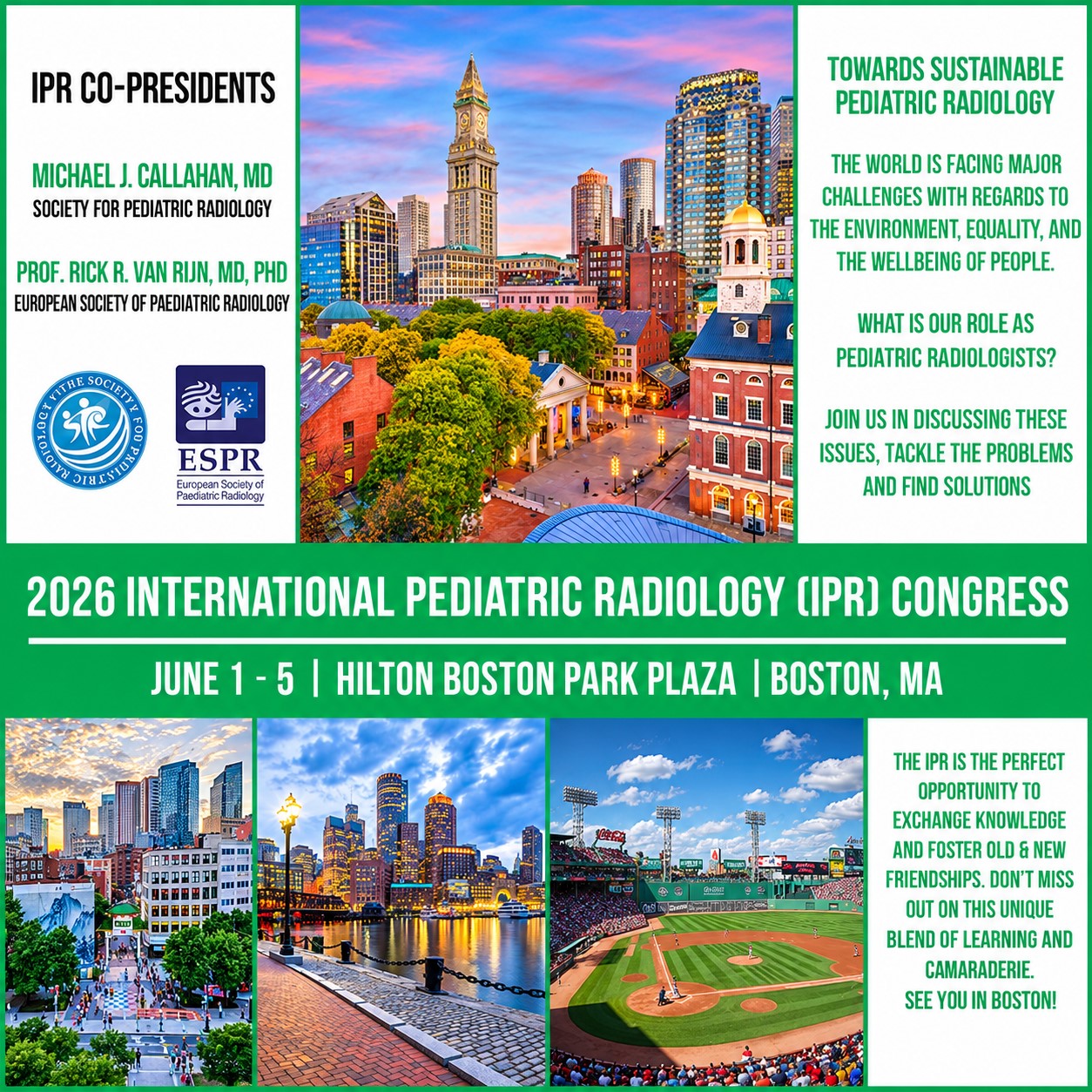
Society for Pediatric Radiology International Pediatric Radiology (IPR) Congress (On-Demand) 2026

Original price was: $995.00.$120.00Current price is: $120.00.
IPR Congress On-Demand 2026: Enduring pediatric-radiology education covering imaging advances, intervention, artificial intelligence, workflow, workforce, professionalism and global pediatric care.
Delivery Information: This Product is shared via google drive download link. Please use your correct Gmail address at checkout.
Please note: there are no CME points or certificate associated with this course.
Samples for Courses Can be found here: Free Samples Here!
Society for Pediatric Radiology International Pediatric Radiology (IPR) Congress (On-Demand) 2026
SPR IPR Congress 2026 On-Demand | Pediatric MRI, CT, Ultrasound, Neuroradiology, Musculoskeletal Imaging, Cardiac Imaging, Pediatric Oncology, Artificial Intelligence & Global Pediatric Radiology
The Society for Pediatric Radiology International Pediatric Radiology (IPR) Congress (On-Demand) 2026 is an international continuing medical education program covering contemporary advances in pediatric diagnostic imaging, image-guided interventions, clinical research, artificial intelligence, imaging technology, and multidisciplinary pediatric care.
Organized through the Society for Pediatric Radiology (SPR) in collaboration with the European Society of Paediatric Radiology (ESPR), the 2026 International Pediatric Radiology Congress brought together radiologists, researchers, pediatric specialists, trainees, and allied healthcare professionals from around the world.
The original scientific congress took place June 1–5, 2026, in Boston, Massachusetts, at the Hilton Boston Park Plaza. The separate on-demand educational activity was released on August 21, 2026, allowing participants to review selected recorded scientific sessions.
The IPR Congress 2026 On-Demand program addresses advanced pediatric radiology topics across abdominal imaging, pediatric neuroradiology, musculoskeletal radiology, cardiothoracic imaging, fetal and neonatal radiology, contrast media safety, oncologic imaging, advanced MRI, ultrasound, nuclear medicine, and pediatric image-guided procedures.
An important focus of the 2026 meeting is Sustainability for Pediatric Radiology: Workforce, Wellness, and Planetary Health, highlighting the relationship between technological innovation, healthcare delivery, physician wellbeing, sustainability, and global collaboration.
The curriculum also explores the impact of artificial intelligence and machine learning on pediatric imaging, including diagnostic workflow, image interpretation, clinical implementation, education, and emerging imaging research.
Through expert presentations, scientific discussions, categorical sessions, case-based teaching, and multidisciplinary perspectives, the program provides a broad educational review of modern pediatric imaging.
Course Details
- Course: Society for Pediatric Radiology International Pediatric Radiology (IPR) Congress (On-Demand) 2026
- Official Title: 2026 International Pediatric Radiology (IPR) Congress (On-Demand)
- Organizer: Society for Pediatric Radiology (SPR)
- Partner Organization: European Society of Paediatric Radiology (ESPR)
- Meeting: 9th Conjoint International Pediatric Radiology Congress
- Original Meeting Dates: June 1–5, 2026
- Original Location: Boston, Massachusetts, USA
- Original Venue: Hilton Boston Park Plaza
- On-Demand Release Date: August 21, 2026
- Official On-Demand Access Expiration: August 14, 2029
- Format: On-Demand Scientific Education
- Primary Specialty: Pediatric Radiology
- Additional Focus: Diagnostic Radiology, Pediatric Neuroradiology, Musculoskeletal Imaging, Pediatric Oncology, Fetal Imaging and Interventional Radiology
- Language: English
- Original Educational Focus: State-of-the-Art Pediatric Imaging, Intervention, Research, Technology and Global Collaboration
- Official Accreditation Provider: Michigan State Medical Society and Society for Pediatric Radiology
- Accreditation Type: AMA PRA Category 1 Credit™ for eligible participants
The original live congress and the subsequently released on-demand program have separate registration, access, and credit-claiming arrangements.
The on-demand access expiration date refers to the official SPR learning platform rather than any separately distributed MedicalAmboss materials.
Target Audience
The program is designed for healthcare professionals involved in imaging infants, children, and adolescents.
The target audience includes:
- Pediatric Radiologists
- General Radiologists
- Pediatric Neuroradiologists
- Pediatric Musculoskeletal Radiologists
- Pediatric Cardiovascular Radiologists
- Pediatric Interventional Radiologists
- Fetal Imaging Specialists
- Neonatal Imaging Specialists
- Pediatric Oncologists
- Pediatric Cardiologists
- Pediatric Neurologists
- Neonatologists
- Pediatricians
- Radiology Residents
- Pediatric Radiology Fellows
- Radiologic Technologists
- Sonographers
- Advanced Practice Providers
- Physician Assistants
- Pediatric Imaging Nurses
- Clinical Researchers
- Imaging Informatics Specialists
- Other Healthcare Professionals Involved in Pediatric Imaging
The program is particularly relevant to clinicians seeking advanced knowledge of pediatric imaging techniques, diagnostic interpretation, imaging safety, emerging technologies, and multidisciplinary patient management.
Program Overview
Pediatric radiology requires specialized knowledge of developmental anatomy, age-specific pathology, imaging protocols, radiation safety, and the unique diagnostic requirements of children.
Advances in MRI, CT, ultrasound, molecular imaging, and artificial intelligence continue to influence pediatric diagnostic and interventional practice.
The IPR Congress 2026 On-Demand curriculum provides an international educational perspective on these developments.
Major topics include:
- Pediatric Radiology
- Pediatric MRI
- Pediatric CT
- Pediatric Ultrasound
- Pediatric Neuroradiology
- Pediatric Musculoskeletal Imaging
- Pediatric Chest Imaging
- Pediatric Abdominal Imaging
- Pediatric Hepatobiliary Imaging
- Pediatric Genitourinary Imaging
- Fetal Imaging
- Neonatal Imaging
- Pediatric Oncology
- Pediatric Neuroendocrine Tumors
- Pediatric Vascular Anomalies
- Congenital Disorders
- Advanced MRI Techniques
- Functional Imaging
- Contrast-Enhanced Ultrasound
- Contrast Media Safety
- Artificial Intelligence
- Deep Learning
- Imaging Informatics
- Diagnostic Workflow
- Radiation Optimization
- Postmortem Imaging
- Sustainable Imaging
- Physician Wellness
- Workforce Development
- Professional Leadership
- Global Pediatric Radiology
The educational program combines clinical diagnosis, scientific research, technological developments, and professional practice considerations.
Official Learning Objectives
After completing the original educational activity, participants should be better able to:
- Summarize the most current information on state-of-the-art pediatric imaging, intervention, and research.
- Describe new technologies and clinical workflows for pediatric imaging and intervention.
- Explain the potential impact of artificial intelligence on education and its implementation in pediatric imaging.
- Understand workforce sustainability, professionalism, leadership transitions, workforce inequalities, and physician wellbeing.
- Discuss the importance of supporting pediatric imaging globally and increasing international knowledge-sharing to improve care for children.
Selected Official IPR 2026 On-Demand Scientific Curriculum
The following presentations are identified in the official SPR on-demand catalog. They are organized by categorical session rather than presented as a verified inventory of files in a separately distributed MedicalAmboss product.
Session I – Pediatric Abdominal Imaging
Categorical Session: Abdomen
Moderators:
- Giulia Perucca, MD
- Elizabeth R. Tang, MD
Original Session Credit: 1.5 CME Credits
AI/Deep-Learning Models in Pediatric Body MRI: Updates and Challenges
Faculty: Vanda Pocepcova, MD
This presentation reviews the application of artificial intelligence and deep-learning models to pediatric body MRI.
Relevant topics include:
- AI-Assisted Pediatric MRI
- Deep Learning
- Imaging Workflow
- Automated Image Analysis
- Diagnostic Accuracy
- Clinical Implementation
- Technical Limitations
- Model Validation
Beyond Ultrasound: The Evolving Role of MRI in Emergent Ovarian Imaging
Faculty: Katie N. Epstein, MD
Reviews the role of MRI when evaluating selected acute ovarian and pelvic presentations in children and adolescents.
Important considerations include:
- Pediatric Pelvic Imaging
- Ovarian Pathology
- Emergency MRI
- Ultrasound Assessment
- Diagnostic Problem-Solving
- Imaging Selection
Pediatric Neuroendocrine Tumors in the Abdomen: Advances in Functional Imaging
Faculty: Stephan D. Voss, MD, PhD
Examines emerging approaches to functional imaging in pediatric neuroendocrine tumors.
Relevant topics include:
- Pediatric Oncology
- Neuroendocrine Tumors
- Functional Imaging
- Nuclear Medicine
- Tumor Localization
- Disease Assessment
Functional MRI in Evaluation of Congenital Anomalies of the Kidney and Urinary Tract: Clinical Applications and Future Prospects
Faculty: Maria Beatrice Damasio, MD
Reviews functional MRI and its potential clinical applications in congenital kidney and urinary tract abnormalities.
Quantitative Pediatric Liver Imaging: MR vs US
Faculty: Erica L. Riedesel, MD
Examines quantitative approaches to pediatric liver assessment using MRI and ultrasound.
Session II – Pediatric Neuroradiology
Categorical Session: Neuroradiology
Moderator: Maria I. Argyropoulou, MD, PhD
Original Session Credit: 1.5 CME Credits
Venous Anatomy, Common Venous Variants and Intracranial Venous Pathologies
Faculty: Vasileios G. Xydis, MD, PhD
Reviews cerebral venous anatomy, developmental variations, and important intracranial venous disorders.
Intracranial Hemorrhage in the Neonate
Faculty: Usha Nagaraj, MD
Examines neuroimaging assessment of neonatal intracranial hemorrhage.
Important considerations include:
- Neonatal Brain Imaging
- Intracranial Hemorrhage
- MRI
- Ultrasound
- Hemorrhage Distribution
- Diagnostic Interpretation
Arterial and Venous Vascular Head and Neck Anatomy and Variants
Faculty: Elizabeth George, MBBS
Reviews vascular anatomy and normal variations affecting pediatric head and neck imaging.
Arterial and Venous Anomalies and Vascular Tumors (Hemangioma and Beyond)
Faculty: Antoine Fraissenon, MD, PhD
Examines vascular anomalies and tumors affecting pediatric patients.
Pediatric Sphenoid Bone & Skull Base: Normal Anatomy and ‘Do-Not-Touch’ Lesions that Mimic Pathology
Faculty: Carmen Rosa Cerron-Vela, MD
Reviews normal skull base anatomy, benign variants, and lesions that can resemble more concerning pathology.
Session III – Pediatric Musculoskeletal Imaging
Categorical Session: Musculoskeletal Radiology
Moderators:
- Arthur B. Meyers, MD
- Karen Rosendahl, MD, PhD
Original Session Credit: 1.5 CME Credits
Whole Body MRI in Children and Adolescents: Benefits and Pitfalls
Faculty: Karen Rosendahl, MD, PhD
Examines whole-body MRI applications, benefits, technical limitations, and diagnostic interpretation.
Small Spines, Big Decisions: Managing Pediatric Cervical Injuries
Faculty: Ignasi Barber, PhD
Reviews imaging approaches to pediatric cervical spine injuries.
Pediatric Metabolic Bone Disease
Faculty:
- Diego Jaramillo, MD, MPH
- Sogol Mostoufi-Moab, MD, MSCE
Examines imaging features and diagnostic considerations in pediatric metabolic bone disorders.
Shoulder Imaging Brachial Plexus Birth Injuries
Faculty: Maria Alejandra Bedoya, MD
Reviews imaging considerations involving birth-related brachial plexus injuries.
Advances in Pediatric MSK Imaging: Latest CT and MRI Technologies
Faculty: Jesse Sandberg, MD
Examines developments in musculoskeletal MRI and CT technology relevant to pediatric patients.
Session IV – Pediatric Contrast Media
Categorical Session: Contrast Media
Moderators:
- Monica Forbes-Amrhein, MD, PhD
- Lil-Sofie Ording Müller, MD, PhD
Original Session Credit: 1.5 CME Credits
Novel MRI Contrast Agents
Faculty: Ali B. Syed, MD
Examines emerging MRI contrast agents and their potential relevance to pediatric imaging.
Reducing Contrast Waste to Mitigate Environmental Contamination
Faculty: Helen H. R. Kim, MD
Reviews sustainability considerations related to contrast agent use and waste reduction.
ICM, GCM and Kidney Function: A Multidisciplinary Review
Faculty: Monica Forbes-Amrhein, MD, PhD
Examines the relationship between iodinated contrast media, gadolinium-based contrast media, and renal function.
Gadolinium Safety Update: What Radiologists Need to Know in 2026
Faculty: Alex Towbin, MD
Reviews contemporary safety considerations involving gadolinium-based contrast agents.
Contrast-Enhanced Ultrasound in Pediatric Imaging
Faculty: Damjana Kljucevsek, MD, PhD
Examines contrast-enhanced ultrasound applications and their clinical implications in pediatric radiology.
Session V – Pediatric Chest Imaging
Categorical Session: Chest
Moderators:
- Jovan Lovrenski, MD, PhD
- Jordan B. Rapp, MD
Original Session Credit: 1.25 CME Credits
Xenon MRI of Bronchopulmonary Dysplasia and Beyond
Faculty: Aki Tanimoto, MD
Reviews xenon MRI research and pulmonary imaging applications relevant to pediatric lung disease.
Long-term Imaging of Chronic/Congenital Lung Abnormalities
Faculty: Pierluigi Ciet, MD, PhD
Examines follow-up imaging of chronic and congenital pulmonary conditions.
Real-time MRI of the Chest and Lungs: Observing the Lungs While Breathing
Faculty: Franz Wolfgang Hirsch, MD
Reviews dynamic and real-time MRI techniques for evaluating respiratory structures and function.
Chest Ultrasound: From Being Comfortable to Knowing the Limits
Faculty: Jovan Lovrenski, MD, PhD
Examines the strengths and limitations of pediatric chest ultrasound.
Session VI – Perinatal and Postmortem Imaging
Categorical Session: Postmortem
Moderators:
- Aurélie D’Hondt, MD
- Sharon W. Gould, MD
Original Session Credit: 1.5 CME Credits
Advanced Postmortem Imaging
Faculty: Anders Persson, MD, PhD
Reviews advanced imaging methods used in postmortem investigations.
Perinatal Postmortem Imaging: Why It Matters
Faculty: Stacy K. Goergen, MBBS
Examines the clinical and diagnostic relevance of postmortem imaging in the perinatal period.
Implementing Postmortem Imaging in Clinical Practice: Challenges Faced and How to Overcome Them
Faculty: Aurélie D’Hondt, MD
Reviews practical considerations involved in implementing postmortem imaging services.
Indications and Standardized Reporting
Faculty: Owen J. Arthurs, FRCR
Examines indications for postmortem imaging and approaches to consistent reporting.
From Antenatal to Postmortem Fetal MRI: What More Do We Learn?
Faculty:
- Malavika Prabhu, MD
- Teresa Victoria, MD, PhD
Reviews the relationship between prenatal MRI findings and postmortem imaging assessment.
Session VII – Sustainability, Workforce and Professional Practice
Keynote: Sustainability: The Human Dimension
Faculty: Richard B. Gunderman, MD, PhD
Original Session Credit: 0.75 CME Credit
This keynote explores sustainability within pediatric radiology from the perspective of people, professional wellbeing, and long-term healthcare practice.
Sunrise Session: Workflow and Sustainability
Moderator: Rick R. van Rijn, MD, PhD
Original Session Credit: 1 CME Credit
The Effects of Sleep Deprivation and Overnight Shifts in Physicians
Faculty: Christopher P. Landrigan, MD, MPH
Reviews the relationship between sleep deprivation, clinical work schedules, and physician wellbeing.
Human Factors Engineering: Shining a Light on Life in the Reading Room
Faculty: Ethan Larsen, PhD
Examines human factors relevant to radiology practice and reading-room workflow.
Light Exposure During Day and Night: Impact on Health and Well Being
Faculty: Charles Czeisler, MD, PhD
Reviews research involving light exposure, circadian health, and wellbeing.
Session VIII – Adolescent Sports and Musculoskeletal MRI
Sunrise Session: Adolescent and Sports MSK MRI – Hip and Pelvis
Moderator: Rida Salman, MD
Original Session Credit: 0.75 CME Credit
MRI Imaging of Athletic Pubalgia
Faculty: Rida Salman, MD
Reviews MRI assessment of athletic pubalgia and related sports injuries.
The Hip Labrum: Some Things We Know, and Many We Don’t
Faculty: Jessica R. Leschied, MD
Examines imaging and diagnostic considerations involving the hip labrum.
Imaging of Adolescent Hip Dysplasia
Faculty: Matthew Ditzler, MD
Reviews radiological evaluation of hip dysplasia in adolescent patients.
Session IX – Pediatric Hepatobiliary Oncology
Sunrise Session: Hepatobiliary III (Mass Hysteria)
Moderator: Greg Chambers, MBBS, MSc
Original Session Credit: 0.75 CME Credit
PRETEXT Staging: Where Are We Now?
Faculty: Simon P. McGuirk, MBBS, PhD
Reviews PRETEXT staging concepts in pediatric liver tumor assessment.
FNH and Adenoma: Imaging Appearances and Follow-up
Faculty: Greg Chambers, MBBS, MSc
Examines imaging findings and follow-up considerations involving focal nodular hyperplasia and hepatic adenoma.
Malignant and Suspicious Liver Lesions in Children with Chronic Liver Disease
Faculty: Cara Morin, MD, PhD
Reviews pediatric liver lesion assessment in the setting of chronic liver disease.
Major Topics Covered
- Society for Pediatric Radiology
- International Pediatric Radiology Congress 2026
- Pediatric Radiology
- Pediatric MRI
- Pediatric CT
- Pediatric Ultrasound
- Pediatric Neuroradiology
- Musculoskeletal Radiology
- Pediatric Chest Imaging
- Pediatric Abdominal Imaging
- Pediatric Hepatobiliary Imaging
- Pediatric Oncology
- Pediatric Neuroendocrine Tumors
- Neonatal Imaging
- Fetal MRI
- Postmortem Imaging
- Congenital Abnormalities
- Vascular Anomalies
- Pediatric Contrast Media
- Gadolinium Safety
- Contrast-Enhanced Ultrasound
- Whole-Body MRI
- Functional MRI
- Xenon MRI
- Artificial Intelligence
- Deep Learning
- Imaging Informatics
- Clinical Workflow
- Workforce Sustainability
- Physician Wellness
- Global Pediatric Imaging
Artificial Intelligence in Pediatric Radiology
Artificial intelligence is an important theme in contemporary imaging research.
The IPR 2026 curriculum explores deep-learning models, imaging workflow, clinical implementation challenges, and the interpretation of AI-assisted imaging results.
Important considerations include validation, diagnostic reliability, appropriate clinical use, patient safety, and the role of human expertise.
Pediatric MRI, CT and Ultrasound
The program reviews advanced applications of MRI, CT, and ultrasound across multiple pediatric anatomical systems.
Relevant themes include appropriate modality selection, diagnostic accuracy, emerging imaging technologies, contrast safety, and clinically meaningful interpretation.
The curriculum also highlights the importance of balancing diagnostic benefits with patient-specific safety considerations.
Pediatric Neuroimaging
Pediatric neuroradiology requires knowledge of developmental anatomy, congenital anomalies, neonatal brain injury, and vascular pathology.
The program includes education on intracranial hemorrhage, cerebral vascular variants, vascular anomalies, and skull base imaging.
Musculoskeletal and Sports Imaging
Musculoskeletal imaging in children presents challenges related to skeletal development, growth plates, trauma, and pediatric-specific diseases.
The IPR 2026 curriculum includes whole-body MRI, cervical spine injuries, metabolic bone disease, brachial plexus birth injuries, hip abnormalities, and emerging musculoskeletal imaging technology.
Chest and Respiratory Imaging
The pediatric chest imaging curriculum examines chronic and congenital lung disorders, MRI technology, ultrasound, and functional assessment of respiratory disease.
The program offers perspectives on the strengths and limitations of different imaging methods.
Pediatric Abdominal and Hepatobiliary Imaging
The curriculum addresses abdominal MRI, ovarian emergencies, congenital renal abnormalities, pediatric liver imaging, neuroendocrine tumors, and hepatobiliary oncology.
These topics are relevant to diagnostic radiologists and clinicians managing pediatric abdominal disease.
Global Pediatric Radiology and Collaboration
The original international congress emphasizes cooperation between pediatric radiology communities and sharing expertise across countries.
Important themes include:
- International Collaboration
- Knowledge Sharing
- Access to Imaging
- Pediatric Imaging Education
- Health Equity
- Workforce Development
- Global Research
- Improved Child Healthcare
Sustainability and Physician Wellness
The 2026 meeting focuses on sustainability in pediatric radiology, including its human and environmental dimensions.
The curriculum examines workflow, staff wellbeing, professional development, leadership, health inequities, and sustainability practices in imaging departments.
Accreditation and CME Information
The official on-demand educational activity was released August 21, 2026, with CME eligibility and online access through August 14, 2029.
Accreditation is provided through the joint providership of the Michigan State Medical Society and Society for Pediatric Radiology.
Individual recorded sessions carry different credit amounts according to their educational duration and accreditation.
Credit availability is tied to the official SPR educational platform and its completion requirements.
Relevant Financial Disclosures
The official program identifies the following faculty disclosures:
- Pierluigi Ciet, MD, PhD: Speaker’s Bureau — Siemens Healthineers, Vertex Pharmaceuticals, GE Healthcare.
- Charles Czeisler, MD, PhD: Consulting — Vanda Pharmaceuticals; contracted research — Axsome Therapeutics; stock holdings — Vanda Pharmaceuticals and Exxon.
- Arthur B. Meyers, MD: Consulting — Pfizer.
- Ali B. Syed, MD: Contracted research — GE Healthcare, Siemens Healthineers and Bracco Diagnostics.
According to the organizer, relevant financial relationships were reviewed and mitigated under applicable continuing education standards.
Important CME Notice
Purchasing separately distributed educational files through MedicalAmboss does not itself provide:
- Official SPR CME Credits
- Official Certificates of Participation
- SPR Learning Platform Registration
- Official Online Access
- Original Congress Registration
- Publisher Membership Benefits
- Publisher-Hosted Educational Extras
Why This Course Is Relevant
The Society for Pediatric Radiology International Pediatric Radiology (IPR) Congress On-Demand 2026 provides a broad multidisciplinary overview of contemporary pediatric imaging.
Its educational scope spans diagnostic radiology, pediatric subspecialty imaging, advanced MRI techniques, oncology, neuroradiology, ultrasound, contrast media safety, artificial intelligence, and global professional collaboration.
The combination of scientific presentations, clinical education, and professional practice discussions makes the program relevant to radiologists, pediatric specialists, residents, fellows, and allied healthcare professionals seeking updated knowledge in pediatric radiology.
Official Program Reference and MedicalAmboss Purchase Scope
Official 2026 IPR On-Demand Program:
https://myedu.spr.org/p/IPR26E
Official IPR 2026 Congress:
https://www.spr.org/events/ipr2026
Original Live and Hybrid Congress:
These references describe the original meeting, its educational goals, accredited on-demand sessions, faculty, and access conditions.
The original live meeting took place June 1–5, 2026, while the separate on-demand release began August 21, 2026.
MedicalAmboss File Scope: The exact number of files, video recordings, and included sessions in a separately distributed product has not been independently verified. Official SPR learning access, CME credits, certificates, registrations, memberships, and publisher-hosted services are not included unless explicitly listed as store files.
Short Description
Society for Pediatric Radiology International Pediatric Radiology (IPR) Congress On-Demand 2026 provides comprehensive educational updates across advanced pediatric MRI, CT, ultrasound, neuroradiology, musculoskeletal imaging, oncology, fetal and neonatal imaging, artificial intelligence, and global pediatric radiology.
Released August 21, 2026, the official on-demand program features recorded educational content from the International Pediatric Radiology Congress held June 1–5, 2026, in Boston, Massachusetts.
Topics:
Categorical Sessions
- IPR 2026 – XXVI-C: Categorical – Abdomen
- IPR 2026 – XXVI-B: Categorical – Neuroradiology
- IPR 2026 – XXVI-A: Categorical – MSK
- IPR 2026 – XXV-C: Categorical – Contrast Media
- IPR 2026 – XXV-B: Categorical – Chest
- IPR 2026 – XXV-A: Categorical – Postmortem
- IPR 2026 – XXI-C: Categorical – Sustainability in Pediatric Radiology
- IPR 2026 – XX-C: Categorical – Cardiac
- IPR 2026 – XV-B: Categorical – WFPI II
- IPR 2026 – XV-A: Categorical – Leadership in Pediatric Radiology
- IPR 2026 – XIV-C: Categorical – Image Gently
- IPR 2026 – XIV-B: Categorical – Child Abuse
- IPR 2026 – IX-C: Categorical – Junior ESPR & SPR Early Career & Trainee Committee
- IPR 2026 – VIII-C: Categorical – Intussusception Panel
- IPR 2026 – VIII-B: Categorical – Updates in Pediatric Oncology Imaging
- IPR 2026 – IV-C: Categorical – WFPI I
- IPR 2026 – III-C: Categorical – Interventional
- IPR 2026 – III-B: Categorical – Fetal
Sunrise Sessions
- IPR 2026 – XXIII-C: Sunrise – Workflow and Sustainability
- IPR 2026 – XXIII-B: Sunrise – Adolescent and Sports MSK MRI: Hip and Pelvis
- IPR 2026 – XXIII-A: Sunrise – Hepatobiliary III (Mass Hysteria)
- IPR 2026 – XVII-C: Sunrise – Wellness
- IPR 2026 – XVII-B: Sunrise – Adolescent and Sports MSK MRI: Knee
- IPR 2026 – XVII-A: Sunrise – Hepatobiliary II (Delineating Ducts)
- IPR 2026 – V-C: Sunrise – New Innovations
- IPR 2026 – V-B: Sunrise – Adolescent and Sports MSK MRI: Upper Extremity
- IPR 2026 – V-A: Sunrise – Hepatobiliary I (Parenchyma and Plumbing)
Keynote & Special Lectures
- IPR 2026 – XXIV: Keynote – Sustainability: The Human Dimension
- IPR 2026 – XVIII: Lefebvre Lecture: From Pioneering Pediatric Radiology to Photon-Counting CT: The Future of Child-Adapted Imaging
- IPR 2026 – I: Opening Keynote Lecture: The Importance of Medical Imaging for Pediatric Health Care
Pediatric Radiology & Artificial Intelligence
- XVI-A: Pediatric Radiology & AI – Current Issues & Future Directions II
- IPR 2026 – XV-C: Pediatric Radiology & AI – Current Issues & Future Directions I
Scientific Sessions
- IPR 2026 – XXI-B: Scientific – GU
- IPR 2026 – XXI-A: Scientific – Oncology/Nuclear Medicine
- IPR 2026 – XX-B: Scientific – Fetal III
- IPR 2026 – XX-A: Scientific – IR
- IPR 2026 – XIX-C: Scientific – Miscellaneous II
- IPR 2026 – XIX-B: Scientific – Ultrasound
- IPR 2026 – XIX-A: Scientific – MSK III
- IPR 2026 – XVI-B: Scientific – Education/Professionalism/Leadership
- IPR 2026 – XIV-A: Scientific – Health Policy II
- IPR 2026 – XIII-C: Scientific – GI III
- IPR 2026 – XIII-B: Scientific – MSK II
- IPR 2026 – XIII-A: Scientific – Miscellaneous I
- IPR 2026 – IX-B: Scientific – Neuro II
- IPR 2026 – IX-A: Scientific – Chest
- IPR 2026 – VIII-A: Scientific – Cardiac
- IPR 2026 – VII-C: Scientific – AI/Tech II
- IPR 2026 – VII-B: Scientific – GI II
- IPR 2026 – VII-A: Scientific – Fetal II
- IPR 2026 – IV-B: Scientific – MSK I
- IPR 2026 – IV-A: Scientific – GI I
- IPR 2026 – III-A: Scientific – AI/Tech I
- IPR 2026 – II-C: Scientific – Neuro I
- IPR 2026 – II-B: Scientific – Health Policy I
- IPR 2026 – II-A: Scientific Session – Fetal I
Related products
Anesthesiology & pain medicine
Anesthesiology & pain medicine

Hematology / Oncology
2023 Psychopharmacology in Cancer Care: An Update for Clinicians of All Disciplines

Cardiology

Critical Care - Emergency medicine
Anesthesiology & pain medicine
Professional, Business, and OR Management Issues 2021 Module 7
Anesthesiology & pain medicine
GULFCOAST Introduction to Ultrasound-Guided Regional Anesthesia 2019