
Uncategorized
Best 10 Pediatric Courses for Healthcare Professionals
Nov
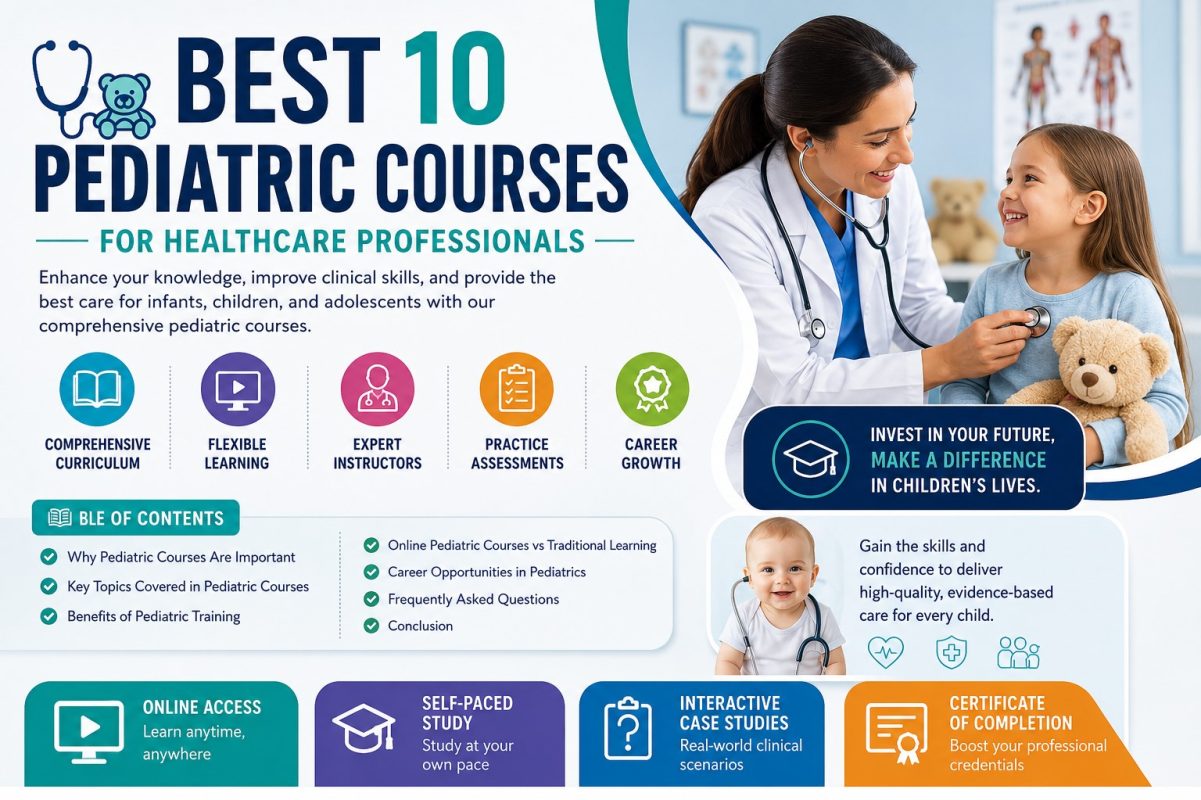
Best 10 Pediatric Courses for Healthcare Professionals
Pediatric courses are essential educational programs that help healthcare professionals develop the knowledge, clinical skills, and confidence needed to provide high-quality care for infants, children, and adolescents. As medical science continues to advance, staying updated with the latest developments in pediatric medicine is crucial for improving patient outcomes and delivering evidence-based care.
Whether you are a medical student, nurse, resident physician, or experienced healthcare professional, enrolling in pediatric courses can enhance your expertise and prepare you for the unique challenges of child healthcare.
Table of Contents
- Why Pediatric Courses Are Important
- Key Topics Covered in Pediatric Courses
- Benefits of Pediatric Training
- Online Pediatric Courses vs Traditional Learning
- Career Opportunities in Pediatrics
- Frequently Asked Questions
- Conclusion
Why Pediatric Courses Are Important
Children are not simply small adults. Their bodies, developmental stages, and healthcare needs require specialized knowledge and skills. Pediatric courses provide healthcare professionals with comprehensive training that focuses on the diagnosis, treatment, and prevention of diseases affecting children from birth through adolescence.
By participating in pediatric training programs, healthcare providers can improve their ability to:
- Recognize developmental abnormalities early.
- Diagnose common and complex pediatric conditions.
- Provide preventive healthcare services.
- Manage pediatric emergencies effectively.
- Support children’s mental and emotional well-being.
- Communicate effectively with patients and families.
Key Topics Covered in Pediatric Courses
Growth and Development
Understanding childhood growth and development is one of the foundations of pediatric medicine. Pediatric courses teach healthcare professionals how to monitor developmental milestones and identify delays or abnormalities that may require intervention.
Common Pediatric Diseases
Children frequently experience illnesses that require specialized management. Most pediatric courses cover:
- Respiratory infections
- Asthma
- Diabetes mellitus
- Gastrointestinal disorders
- Infectious diseases
- Allergic conditions
- Nutritional deficiencies
Healthcare providers learn evidence-based approaches to diagnosis and treatment while focusing on patient safety and quality care.
Preventive Pediatric Care
Prevention plays a vital role in child health. Pediatric courses emphasize:
- Vaccination schedules
- Routine health screenings
- Growth monitoring
- Nutrition counseling
- Health education for families
These preventive measures help reduce disease burden and promote healthy development.
Pediatric Emergency Medicine
Medical emergencies involving children require rapid assessment and intervention. Pediatric training often includes education on:
- Pediatric Advanced Life Support (PALS)
- Trauma management
- Airway emergencies
- Seizure management
- Shock and dehydration treatment
These skills are essential for healthcare professionals working in emergency departments, clinics, and hospitals.
Behavioral and Mental Health
Mental health has become an increasingly important aspect of pediatric care. Modern pediatric courses include training on:
- ADHD
- Anxiety disorders
- Depression
- Autism spectrum disorders
- Behavioral challenges
Early identification and intervention can significantly improve long-term outcomes for children.
Benefits of Pediatric Training
Enhanced Clinical Knowledge
Pediatric courses provide healthcare professionals with current medical information and evidence-based practices that improve diagnostic accuracy and treatment effectiveness.
Better Patient Outcomes
Healthcare providers with specialized pediatric training are better equipped to recognize symptoms early, make accurate diagnoses, and implement effective treatment plans.
Professional Development
Completing pediatric courses can strengthen professional credentials and support career advancement opportunities within hospitals, clinics, academic institutions, and specialized healthcare settings.
Family-Centered Care
Pediatric healthcare extends beyond the child. Effective communication with parents and caregivers is essential for successful treatment outcomes. Pediatric training helps providers develop strong family-centered care skills.
Online Pediatric Courses vs Traditional Learning
With advances in technology, online pediatric courses have become increasingly popular among healthcare professionals.
Advantages of Online Pediatric Courses
- Flexible learning schedules
- Self-paced study options
- Access from any device
- Updated educational materials
- Interactive clinical case studies
- Lower travel and accommodation costs
Advantages of Traditional Classroom Learning
- Face-to-face interaction with instructors
- Hands-on clinical workshops
- Networking opportunities
- Immediate feedback and discussion
Many healthcare professionals choose blended learning approaches that combine online education with practical clinical training.
Career Opportunities in Pediatrics
Completing pediatric courses can open doors to various healthcare careers and specialties, including:
- Pediatric Nursing
- Pediatric Emergency Medicine
- Neonatal Care
- Pediatric Intensive Care
- Pediatric Endocrinology
- Pediatric Cardiology
- Pediatric Infectious Diseases
- Community Child Health
Specialized pediatric education can significantly improve career prospects and professional confidence.
Frequently Asked Questions
Who should take pediatric courses?
Pediatric courses are suitable for medical students, nurses, physicians, physician assistants, and other healthcare professionals involved in child healthcare.
Are online pediatric courses effective?
Yes. High-quality online pediatric courses offer evidence-based content, interactive learning tools, and flexible study options that support professional development.
Do pediatric courses provide certification?
Many pediatric programs offer certificates of completion or professional certifications depending on the provider and course structure.
How long does it take to complete a pediatric course?
Course duration varies from a few hours for short workshops to several months for comprehensive certification programs.
Conclusion
Pediatric courses are a valuable investment for healthcare professionals seeking to improve their knowledge, clinical skills, and career opportunities in child healthcare. By understanding child development, mastering pediatric disease management, and staying updated with modern medical practices, healthcare providers can deliver better care and improve outcomes for children worldwide.
As healthcare continues to evolve, ongoing pediatric education remains essential for maintaining excellence in clinical practice and ensuring the highest standards of patient care.