
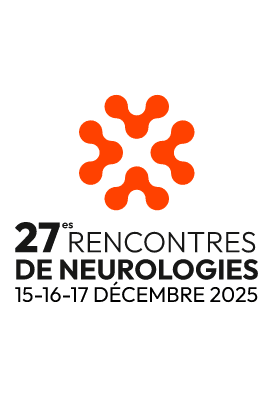
27e édition des Rencontres de Neurologies (Videos with subtitles)

$300.00 Original price was: $300.00.$70.00Current price is: $70.00.
This Product is shared via google drive download link, So please share your correct Gmail id while placing the order .Please note that there are no CME points or certificate associated with this course Samples for Courses Can be found here : Free Samples Here!
EXPRESS DISCOVER PayPal
27e édition des Rencontres de Neurologies (Videos with subtitles)
Neurology • Clinical Neuroscience • Multiple Sclerosis • Parkinson’s Disease • Neuro-Oncology • Neurocritical Care • Epilepsy • Cognitive Neurology
Review major developments in contemporary clinical neurology with the 27e édition des Rencontres de Neurologies (Videos with subtitles), based on the 27th edition of the annual Rencontres de Neurologies held in Paris, France.
The 27es Rencontres de Neurologies took place December 15–17, 2025, at the Palais des Congrès de Paris. The meeting brought together neurologists, trainees, healthcare professionals, researchers, and specialists involved across the spectrum of neurological medicine for three days of clinical updates, expert discussions, practical sessions, and reviews of important developments in neurology and neuroscience.
Organized by the revue Neurologies, the congress focuses on translating current scientific evidence into clinical practice through expert reviews, subspecialty sessions, interactive discussions, and practical updates across major neurological disease areas.
Course Details
- Congress: 27es Rencontres de Neurologies
- Edition: 27th Edition
- Year: 2025
- Dates: December 15–17, 2025
- Venue: Palais des Congrès de Paris
- Location: Paris, France
- Organizer: Revue Neurologies
- Organization / Event Support: Expressions Santé
- Specialty: Neurology
- Primary Focus: Clinical Neurology / Neurological Updates
- MedicalAmboss Format: Videos with subtitles
- Language: French
- Congress Type: Multidisciplinary Neurology Meeting
The official Rencontres de Neurologies website identifies the meeting as an event organized by revue Neurologies, while Viparis confirms the dates and Palais des Congrès venue for the 27th edition.
Congress Overview
Neurology continues to evolve rapidly through advances in:
- Diagnostic criteria
- Neuroimaging
- Biomarkers
- Disease-modifying therapies
- Immunology
- Neuro-oncology
- Neurocritical care
- Movement disorders
- Cognitive disorders
- Epilepsy management
- Multiple sclerosis
- Cerebrovascular disease
The 27es Rencontres de Neurologies 2025 was designed around practical clinical updates across these areas.
The organizers described the meeting as combining:
- Updated specialty-focused sessions
- Expert summaries
- Interactive sessions oriented toward clinical practice
- Reviews of emerging trends in neurology and neuroscience
- Practical clinical experience
- Diagnostic and therapeutic updates
The general educational pathway can be summarized as:
New Evidence → Expert Interpretation → Clinical Discussion → Diagnostic & Therapeutic Application → Improved Neurological Practice
Major Scientific Areas
The publicly documented 2025 program included major sessions devoted to:
- Multiple Sclerosis
- Parkinson’s Disease
- Neuro-Oncology
- Neurocritical Care
- Young Neurologists
- Neurology workforce and medical attractiveness
- Clinician wellbeing
- Expert interactive discussions
- Major publications of 2025
- Vascular Neurology
- Inflammatory Neurology
- Extrapyramidal Disorders
- Cognitive Neurology
- Epilepsy
The organizers specifically highlighted these areas during the 2025 meeting.
Multiple Sclerosis
Sclérose en plaques – SEP represented an important component of the 2025 program.
The documented multiple sclerosis session addressed:
- Therapeutic updates
- Platform treatments
- Treatment de-escalation
- Cellular therapy
- Post-ECTRIMS updates
- MOG antibody-associated disease – MOGAD
The Société Francophone de la Sclérose en Plaques (SFSEP) specifically highlighted these topics in relation to the December 2025 Rencontres de Neurologies session.
The management pathway in modern MS can involve:
Diagnosis → Disease Activity Assessment → Treatment Selection → Monitoring → Escalation / De-escalation → Long-Term Management
Multiple Sclerosis Diagnostic Updates
Modern multiple sclerosis assessment increasingly integrates:
- Clinical presentation
- MRI
- Cerebrospinal fluid findings
- Dissemination in space
- Dissemination in time
- Specific imaging biomarkers
Neurological imaging and evolving diagnostic criteria formed part of the wider educational environment surrounding the 2025 meeting.
Clinical discussions associated with the meeting also highlighted the importance of updated McDonald criteria and MRI in the diagnosis and longitudinal monitoring of multiple sclerosis.
Parkinson’s Disease
The official 2025 meeting program included a dedicated Maladie de Parkinson session.
Clinical discussions surrounding the meeting addressed evolving management of motor fluctuations and the expanding role of continuous treatment technologies and medical devices in Parkinson’s disease.
Important areas in contemporary Parkinson’s management include:
- Motor symptoms
- Motor fluctuations
- Treatment timing
- Continuous therapies
- Device-based therapy
- Quality of life
- Patient selection
- Shared decision-making
A practical progression can be summarized as:
Recognize Symptoms → Optimize Oral Therapy → Assess Motor Fluctuations → Consider Advanced Therapies → Individualize Long-Term Care
Neuro-Oncology
A dedicated Neuro-Oncology session formed part of the December 16 scientific program.
Neuro-oncology sits at the intersection of:
Neurology + Oncology + Neuroimaging + Neurosurgery + Pathology + Molecular Medicine
Clinical neurologists may encounter patients with:
- Primary brain tumors
- Metastatic neurological disease
- Treatment-related neurological complications
- Seizures
- Cognitive changes
- Focal neurological deficits
- Cancer-related neurological syndromes
The conference provides a setting for reviewing evolving approaches within this multidisciplinary field.
Neurocritical Care
The program also included a dedicated Neuro-réanimation session.
Neurocritical care focuses on patients with severe or potentially life-threatening neurological disease.
Important areas can include:
- Acute neurological deterioration
- Stroke
- Intracranial hemorrhage
- Seizures and status epilepticus
- Altered consciousness
- Intracranial pressure
- Neuromuscular respiratory failure
- Neurological monitoring
The inclusion of neurocritical care reflects the broad clinical scope of the Rencontres de Neurologies.
Top 5 de la Neurologie 2025
One of the highlighted sessions was:
Top 5 de la Neurologie
This session reviewed notable 2025 publications across five major fields:
- Neurologie vasculaire
- Neurologie inflammatoire
- Neurologie extra-pyramidale
- Neurologie cognitive
- Épilepsie
This format is particularly useful for clinicians who want a concentrated review of influential recent literature across multiple neurological subspecialties.
Vascular Neurology
Vascular neurology encompasses disorders involving cerebral and spinal circulation.
Relevant clinical areas include:
- Ischemic stroke
- Intracranial hemorrhage
- Transient ischemic attack
- Stroke prevention
- Acute reperfusion strategies
- Neurovascular imaging
- Secondary prevention
The Top 5 de la Neurologie program included vascular neurology among its five major literature-review domains.
Inflammatory Neurology
Inflammatory neurological disorders include a broad spectrum of central and peripheral nervous-system diseases.
Major clinical areas may include:
- Multiple sclerosis
- Autoimmune neurological disease
- Demyelinating disorders
- Neuroimmunology
- MOGAD
- Treatment-related immunologic complications
Inflammatory neurology was another specific domain included in the 2025 Top 5 literature review.
Extrapyramidal & Movement Disorders
The neurologie extra-pyramidale component includes disorders affecting movement and basal-ganglia function.
Major examples include:
- Parkinson’s disease
- Tremor
- Dystonia
- Dyskinesia
- Other movement disorders
The inclusion of extrapyramidal neurology in the Top 5 session complements the dedicated Parkinson’s disease program.
Cognitive Neurology
Cognitive neurology addresses disorders affecting:
- Memory
- Language
- Executive function
- Attention
- Perception
- Behavior
Relevant diseases may include Alzheimer’s disease and other neurodegenerative cognitive disorders.
Cognitive neurology was included among the principal areas reviewed in Top 5 de la Neurologie 2025.
Epilepsy
Epilepsy was another major literature-review area represented in the meeting.
Clinical practice in epilepsy increasingly integrates:
- Seizure classification
- EEG
- Neuroimaging
- Anti-seizure medications
- Drug-resistant epilepsy
- Surgical evaluation
- Advanced therapies
- Patient-specific treatment decisions
Epilepsy was one of the five fields highlighted in the conference’s review of major 2025 neurological publications.
Meet the Experts
The 2025 meeting featured a dedicated:
Meet the Experts
session.
The organizers described this as an open and interactive format designed to allow direct exchange with recognized experts.
Interactive sessions can help clinicians move beyond conventional lecture formats by allowing discussion of:
- Complex clinical cases
- Diagnostic uncertainty
- Treatment decisions
- Practical implementation
- Difficult patient-management scenarios
Young Neurologists
A dedicated Jeunes neurologues session was also included in the program.
This reflects the congress’s educational role for:
- Neurology residents
- Young neurologists
- Fellows and trainees
- Early-career clinicians
The meeting therefore combines specialist-level clinical updates with professional development across different stages of neurological training.
Clinician Wellbeing
The program included:
Comment prendre soin des soignants
addressing the wellbeing of healthcare professionals.
This extends the scientific program beyond disease-specific management to issues affecting the sustainability and quality of neurological practice.
Medical Workforce & Attractiveness
The conference also included a session on:
Attractivité médicale
reflecting broader questions surrounding the neurological workforce, recruitment, and healthcare organization.
Grand Conference – Perception, Beliefs & Decision-Making
A major conference during the 2025 meeting featured Sylvie Chokron and explored perception, beliefs, and mechanisms involved in decision-making.
The session encouraged attendees to reconsider how the brain distinguishes reality from illusion and how perception influences interpretation and decisions.
This topic connects clinical neurology with:
- Cognitive neuroscience
- Perception
- Neuropsychology
- Decision-making
- Brain-behavior relationships
Clinical Neurology & Practical Updates
The Rencontres de Neurologies are structured around clinically relevant information.
The organizers characterize the meeting as providing:
- High-level sessions across neurological therapeutic areas
- Clinical experience from real-world practice
- Diagnostic updates
- Therapeutic updates
- Evidence-based reviews
- Discussion of innovation
- Updates in patient management
This makes the meeting particularly suitable for clinicians who want to connect recent neurological research with daily patient care.
Multidisciplinary Neurological Practice
Modern neurological care increasingly requires cooperation between:
- Neurologists
- Neuroradiologists
- Neurosurgeons
- Neuro-oncologists
- Rehabilitation specialists
- Nurses
- Allied health professionals
- Researchers
- Primary care teams
The Rencontres de Neurologies provides a broad platform for this multidisciplinary exchange.
Target Audience
The program is particularly relevant for:
- Neurologists
- Hospital Neurologists
- Private-Practice Neurologists
- Neurology Residents
- Neurology Fellows
- Neurogeriatricians
- Neuropsychiatry Professionals
- Neuro-Oncology Professionals
- Neurocritical Care Professionals
- Neuroscience Researchers
- Allied Healthcare Professionals working in Neurology
- Clinicians involved in neurological rehabilitation
The broader Neurologies professional platform identifies neurologists and related neurological specialists among its central professional audience, while congress registration categories include physicians, allied healthcare professionals, students, and trainees.
Who Should Take This Course?
27e édition des Rencontres de Neurologies (Videos with subtitles) is particularly relevant for professionals seeking broad updates across contemporary clinical neurology.
The content is useful for those interested in:
- Multiple Sclerosis
- Parkinson’s Disease
- Neuro-Oncology
- Neurocritical Care
- Vascular Neurology
- Neuroimmunology
- Movement Disorders
- Cognitive Neurology
- Epilepsy
- Neurological Research
- Diagnostic Neurology
- Neurological Therapeutics
- Clinical Neuroscience
Why This Course Is Useful
The strength of the 27es Rencontres de Neurologies is its broad multidisciplinary coverage.
Rather than focusing on one neurological condition, the congress connects:
Neurological Research → Diagnostic Advances → Therapeutic Updates → Expert Interpretation → Clinical Practice
The 2025 program included disease-specific sessions, literature reviews, practical discussions, and interactive expert formats, allowing clinicians to review developments across several major neurological subspecialties.
Replay & Recorded Sessions
The official Rencontres de Neurologies website confirms that recordings from the 27th edition were made available through the RencNeuro replay platform for eligible registered attendees and healthcare professionals with qualifying access through the Neurologies publication.
The MedicalAmboss product is identified as:
Videos with subtitles
This format allows the recorded educational content to be reviewed independently with subtitle support.
Major Topics Covered
- Clinical Neurology
- Neurological Updates
- Multiple Sclerosis
- MOGAD
- MS Therapeutic Strategies
- Treatment De-escalation
- Cellular Therapy
- Post-ECTRIMS Updates
- Parkinson’s Disease
- Motor Fluctuations
- Advanced Parkinson Therapies
- Neuro-Oncology
- Neurocritical Care
- Vascular Neurology
- Inflammatory Neurology
- Extrapyramidal Neurology
- Cognitive Neurology
- Epilepsy
- Neurological Publications 2025
- Diagnostic Neurology
- Therapeutic Neurology
- Neuroscience
- Cognitive Neuroscience
- Perception and Decision-Making
- Young Neurologists
- Healthcare Professional Wellbeing
- Medical Workforce
- Expert Clinical Discussions
Short Description
27e édition des Rencontres de Neurologies (Videos with subtitles) features recorded educational content from the 27es Rencontres de Neurologies, held December 15–17, 2025, at the Palais des Congrès de Paris, France.
Organized by revue Neurologies, the congress provides broad clinical updates across multiple sclerosis, Parkinson’s disease, neuro-oncology, neurocritical care, vascular neurology, inflammatory neurology, movement disorders, cognitive neurology, epilepsy, and contemporary neuroscience.
Organizer: Revue Neurologies
Dates: December 15–17, 2025
Venue: Palais des Congrès de Paris
Location: Paris, France
Format: Videos with subtitles
Specialty: Neurology
Edition: 27th
Topics
- Multiple Sclerosis: Therapeutic updates, platform treatments, treatment de-escalation, cellular therapy, post-ECTRIMS developments, and MOGAD.
- Parkinson’s Disease: Contemporary management, motor fluctuations, advanced therapies, and practical treatment decision-making.
- Neuro-Oncology: Clinical updates at the intersection of neurology, oncology, imaging, pathology, and treatment.
- Neurocritical Care: Management of severe and acute neurological illness.
- Top 5 de la Neurologie: Major 2025 publications in vascular, inflammatory, extrapyramidal, cognitive neurology, and epilepsy.
- Vascular Neurology: Contemporary evidence and clinical developments in cerebrovascular disease.
- Inflammatory Neurology: Advances in neuroimmunology and inflammatory neurological disorders.
- Extrapyramidal Neurology: Updates in movement disorders and Parkinsonian syndromes.
- Cognitive Neurology: Advances involving cognition, dementia, and neurodegenerative disorders.
- Epilepsy: Updates in seizure disorders, diagnosis, and therapeutic management.
- Meet the Experts: Interactive clinical discussion with specialist faculty.
- Young Neurologists: Sessions addressing education and professional development for early-career neurologists.
- Clinician Wellbeing: Practical discussion of healthcare professional wellbeing.
- Perception and Decision-Making: Cognitive neuroscience perspectives on perception, beliefs, reality, and decision mechanisms.
Related products
Critical Care - Emergency medicine

Neurology / neurosurgery courses
2023 SANS Written Boards Review Course for neurological surgeons

Neurology / neurosurgery courses
56th UCSF Annual Recent Advances in Neurology 2023 (Videos + Syllabus)

Pediatrics
Critical Care - Emergency medicine
Gulfcoast Ultrasound-Guided Upper Extremity Nerve Blocks for Emergency Medicine
Neurology / neurosurgery courses
Emergency Neurological Life Support -ENLS Live Lecture Series 2021

Neurology / neurosurgery courses