
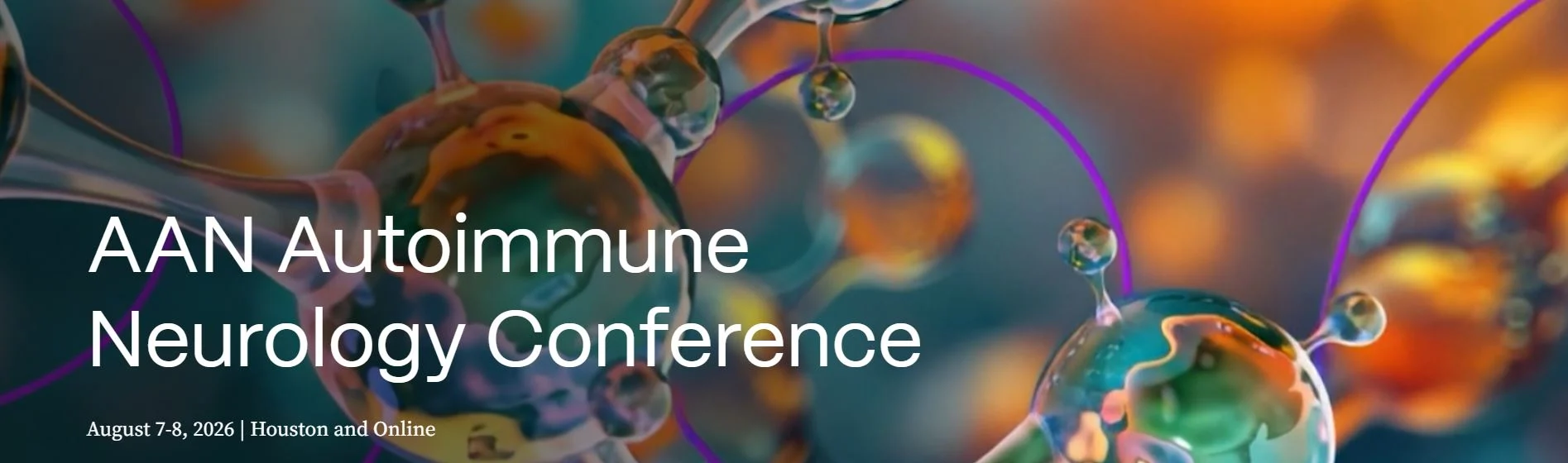
AAN Autoimmune Neurology Conference 2026 (Videos + Slides + Posters)
$950.00 Original price was: $950.00.$100.00Current price is: $100.00.
This Product is shared via google drive download link, So please share your correct Gmail id while placing the order .Please note that there are no CME points or certificate associated with this course Samples for Courses Can be found here : Free Samples Here!
EXPRESS DISCOVER PayPal
AAN Autoimmune Neurology Conference 2026 (Videos + Slides + Posters)
Autoimmune Neurology • Neuroimmunology • Autoimmune Encephalitis • NMOSD • MOGAD • Myasthenia Gravis • Inflammatory Neuropathies
Advance your diagnostic and therapeutic approach to immune-mediated neurological disease with AAN Autoimmune Neurology Conference 2026 (Videos + Slides + Posters), a comprehensive educational program from the American Academy of Neurology (AAN) focused exclusively on neurological autoimmunity across the central nervous system, peripheral nervous system, neuromuscular junction, and muscle.
The 2026 AAN Autoimmune Neurology Conference was held August 7–8, 2026, at the Marriott Marquis Houston in Houston, Texas. The compact specialist meeting brought together expert-led education, scientific abstracts, therapeutic updates, case-based discussions, emerging diagnostics, and focused reviews of major autoimmune and inflammatory neurological disorders.
The curriculum covers a broad spectrum of modern neuroimmunology, including myasthenia gravis, inflammatory myopathies, autoimmune neuromuscular-junction disorders, NMOSD, MOG-antibody associated disease, autoimmune encephalitis, inflammatory and demyelinating neuropathies, myelopathy, autoimmune movement disorders, neurosarcoidosis, paraneoplastic neurological syndromes, cancer-associated autoimmunity, genetics, emerging diagnostics, and CAR-T cell therapy-related neurological issues.
Course Details
- Conference: AAN Autoimmune Neurology Conference 2026
- Provider: American Academy of Neurology – AAN
- Year: 2026
- Dates: August 7–8, 2026
- Venue: Marriott Marquis Houston
- Address: 1777 Walker Street, Houston, Texas 77010
- Location: Houston, Texas, USA
- Specialty: Neurology
- Primary Focus: Autoimmune Neurology / Neuroimmunology
- MedicalAmboss Format: Videos + Slides + Posters
- Programs Included: 21
- Scientific Abstract Presentations: Up to 300
- Additional Content: Industry Therapeutic Updates
- Program Materials: Slides
- Language: English
- Official AAN On-Demand CME: Up to 33.75 CME
AAN’s current online learning platform lists the 2026 Autoimmune Neurology Conference On Demand as eligible for up to 33.75 CME and identifies the recorded meeting as originating from the 2026 conference in Houston.
Course Overview
Autoimmune neurological diseases can affect virtually every level of the nervous system.
Clinical manifestations may originate from:
Brain → Spinal Cord → Peripheral Nerves → Neuromuscular Junction → Muscle
The challenge is that immune-mediated disease can mimic infectious, genetic, degenerative, neoplastic, metabolic, and other neurological disorders.
The AAN Autoimmune Neurology Conference 2026 is designed to strengthen the clinician’s ability to:
- Recognize neurological autoimmunity
- Establish appropriate differential diagnoses
- Select and interpret diagnostic testing
- Recognize misleading or nonspecific findings
- Avoid common diagnostic pitfalls
- Identify important antibody-associated syndromes
- Manage inflammatory neurological disease
- Apply emerging diagnostic strategies
- Understand new and evolving therapeutic approaches
The overall diagnostic approach can be summarized as:
Clinical Phenotype → Localization → Differential Diagnosis → Antibody / Laboratory / Imaging Evaluation → Exclude Mimics → Establish Diagnosis → Individualized Treatment
Learning Focus
In this expert-led education, designed to help clinicians confidently diagnose and manage neurological autoimmune disorders across the neuraxis, participants can develop skills to:
- Recognize and diagnose neurological autoimmunity.
- Interpret diagnostic testing accurately.
- Avoid common misdiagnosis pitfalls.
- Manage autoimmune and inflammatory disorders of the central and peripheral nervous systems and muscle.
Autoimmune Neurology Updates
C1 | Autoimmune Neurology Updates
10 Presentations + 1 Document
This opening section provides broad updates across the rapidly evolving field of autoimmune neurology.
Major clinical themes may include:
- Newly recognized autoimmune syndromes
- Autoantibody interpretation
- Diagnostic algorithms
- Treatment developments
- Changes in disease classification
- New biomarkers
- Emerging immunotherapies
- Diagnostic pitfalls
Because neuroimmunology evolves quickly, general update sessions are particularly useful for connecting newer evidence with clinical practice.
Myasthenia Gravis
C2 | Myasthenia Gravis: Pathophysiology to Effective Treatments
6 Presentations
Myasthenia gravis is an antibody-mediated disorder of neuromuscular transmission.
The program examines the disease from:
Pathophysiology → Diagnosis → Clinical Assessment → Immunology → Treatment
Important areas can include:
- Neuromuscular-junction physiology
- Autoantibodies
- Clinical phenotype
- Diagnostic testing
- Treatment selection
- Disease monitoring
- New targeted therapies
The modern therapeutic landscape has expanded significantly as treatment increasingly targets specific immune pathways.
Glymphatic System
C3 | Keynote: The Glymphatic System
2 Presentations
The glymphatic system has become an important area of neuroscience research involving fluid exchange and waste clearance within the central nervous system.
The keynote provides a broader scientific perspective within the autoimmune neurology program and connects neurological disease with evolving concepts in CNS physiology.
Neuro-Rheumatology
C4 | Neuro-rheumatology
10 Presentations
Neurological complications can occur in many systemic rheumatologic and autoimmune diseases.
Neuro-rheumatology sits at the intersection of:
Neurology + Rheumatology + Immunology
Potential clinical challenges include distinguishing primary neurological autoimmune disease from neurologic manifestations of systemic inflammatory disorders.
Evaluation may incorporate:
- Systemic symptoms
- Neurological localization
- Autoimmune serology
- Neuroimaging
- CSF
- Electrodiagnostic testing
- Biopsy when appropriate
Inflammatory Myopathies
C5 | Inflammatory Myopathies and Autoimmune Neuromuscular Junction Disorders
12 Presentations
Inflammatory muscle diseases and autoimmune neuromuscular-junction disorders may present with weakness but differ substantially in localization and management.
The diagnostic pathway may involve:
Pattern of Weakness → Examination → CK / Laboratory Testing → EMG → Antibody Testing → Imaging / Biopsy When Appropriate
The program bridges:
- Inflammatory myopathies
- Autoimmune muscle disease
- Neuromuscular-junction disorders
- Serologic biomarkers
- Diagnostic differentiation
- Immunotherapy
Genetics & Neurological Autoimmunity
C6 | Genetics and Neurological Autoimmunity
10 Presentations
Genetic susceptibility can influence the development, phenotype, or immunologic pathways of neurological autoimmune disease.
This section explores connections between:
Genetic Background + Immune Dysregulation + Neurological Phenotype
Understanding these relationships may help explain why autoimmune neurological conditions occur in particular populations or present with different clinical patterns.
Paraneoplastic Neurological Syndromes
C7 | Keynote: Paraneoplastic Neurological Syndromes
2 Presentations
Paraneoplastic neurological syndromes can result from immune responses associated with an underlying malignancy.
These disorders may affect:
- Brain
- Cerebellum
- Spinal cord
- Peripheral nerves
- Neuromuscular junction
- Muscle
A practical diagnostic framework is:
Neurological Syndrome → Identify Autoimmune Pattern → Antibody Evaluation → Cancer Assessment → Treat Tumor + Manage Autoimmunity
The recognition of a characteristic neurological phenotype may occasionally precede identification of the associated malignancy.
Case-Based Autoimmune Neurology
C8 | Case Studies
12 Presentations
Case-based learning is particularly valuable in autoimmune neurology because many diseases present with overlapping clinical, imaging, electrophysiological, and laboratory features.
Cases can help reinforce:
- Localization
- Differential diagnosis
- Antibody interpretation
- Appropriate test selection
- Recognition of false-positive results
- Treatment decisions
The approach mirrors real clinical practice:
Presentation → Differential → Testing → Interpretation → Diagnosis → Management
Neuromyelitis Optica Spectrum Disease
C9 | Aquaporin-4 Antibody Positive Neuromyelitis Optica Spectrum Disease (NMOSD)
10 Presentations
Aquaporin-4 antibody-positive NMOSD is an important autoimmune astrocytopathy affecting the central nervous system.
Clinical manifestations can include:
- Optic neuritis
- Longitudinally extensive transverse myelitis
- Area postrema syndrome
- Brainstem syndromes
- Other characteristic CNS manifestations
Recognition is important because NMOSD differs biologically and therapeutically from multiple sclerosis.
A practical pathway includes:
Clinical Syndrome → MRI → AQP4-IgG Testing → Exclude Mimics → Acute Treatment → Relapse Prevention
Demyelinating Neuropathies
C10 | Demyelinating Neuropathies
12 Presentations
Immune-mediated demyelinating neuropathies represent a major component of peripheral neuroimmunology.
Diagnostic evaluation may involve:
- Pattern of weakness
- Sensory symptoms
- Reflexes
- Nerve conduction studies
- Electromyography
- CSF
- Serologic testing
- Disease tempo
The key challenge is determining whether a neuropathy is inflammatory, hereditary, metabolic, toxic, or otherwise acquired.
Autoimmune & Infectious Encephalitis
C11 | Autoimmune and Infectious Encephalitis and Acute Seizures
10 Presentations
Patients presenting with encephalitis and acute seizures require rapid differentiation between infectious and immune-mediated disease.
Clinical features may include:
- Altered mental status
- Behavioral change
- Memory dysfunction
- Seizures
- Movement abnormalities
- Autonomic dysfunction
- Reduced consciousness
The diagnostic pathway can involve:
Clinical Recognition → MRI → EEG → CSF → Infectious Testing → Autoimmune Antibody Testing → Early Treatment
This section emphasizes the importance of avoiding premature assumptions when autoimmune and infectious encephalitis can initially resemble one another.
MOG-Antibody Associated Disease
C12 | MOG-antibody Associated Disease
10 Presentations
MOG-antibody associated disease (MOGAD) is now recognized as a distinct inflammatory demyelinating disorder.
Potential manifestations include:
- Optic neuritis
- Myelitis
- Acute disseminated encephalomyelitis
- Brainstem syndromes
- Cortical encephalitis
Diagnosis requires integration of clinical phenotype, imaging, and appropriately performed antibody testing.
The course places MOGAD within the broader differential of inflammatory CNS disorders, including NMOSD and multiple sclerosis.
Other Inflammatory Neuropathies
C13 | Other Inflammatory Neuropathies
10 Presentations
Not all immune-mediated neuropathies fit within a single classic diagnostic category.
This section broadens peripheral neuroimmunology to additional inflammatory neuropathic syndromes.
Important diagnostic questions include:
- Acute or chronic onset?
- Motor, sensory, or mixed?
- Axonal or demyelinating?
- Symmetric or asymmetric?
- Associated systemic disease?
- Antibody-associated?
- Responsive to immunotherapy?
Autoimmune Encephalitis
C14 | Autoimmune Encephalitis: Pathophysiology to Treatment
10 Presentations
Autoimmune encephalitis encompasses antibody-mediated and other immune-mediated inflammatory disorders of the brain.
The section progresses from:
Immune Mechanism → Clinical Syndrome → Antibody Testing → Diagnosis → Acute Treatment → Long-Term Management
Potential manifestations include:
- Psychiatric symptoms
- Cognitive impairment
- Seizures
- Movement disorders
- Sleep disturbance
- Autonomic instability
- Reduced consciousness
The course emphasizes both disease recognition and appropriate interpretation of autoimmune testing.
Myelopathy
C15 | Clinical Approach to Suspected Myelopathy
10 Presentations
Myelopathy can result from autoimmune, inflammatory, infectious, vascular, structural, metabolic, neoplastic, or degenerative causes.
A systematic evaluation begins with localization.
Symptoms → Spinal Cord Localization → MRI → CSF / Laboratory Testing → Etiologic Differential
Important clinical questions include:
- Acute, subacute, or chronic?
- Compressive or noncompressive?
- Inflammatory or vascular?
- Antibody-associated?
- Systemic autoimmune disease?
- Infectious mimic?
This approach helps prevent inappropriate attribution of all spinal cord lesions to autoimmune disease.
Autoimmune Movement Disorders
C16 | Autoimmune Movement Disorders
10 Presentations
Autoimmune disease can present with abnormal movements that resemble primary or degenerative movement disorders.
Potential manifestations include:
- Ataxia
- Chorea
- Dystonia
- Myoclonus
- Tremor
- Parkinsonism
- Stiff-person spectrum manifestations
- Complex combinations of movement abnormalities
Recognizing an immune-mediated cause is particularly important when the disorder may be treatable.
Cancer-Associated Neurological Autoimmunity
C17 | Cancer-associated Neurological Autoimmunity
10 Presentations
Cancer-associated neurological autoimmunity includes disorders in which the immune response to malignancy targets components of the nervous system.
Clinical management may require collaboration among:
Neurology + Oncology + Immunology
Major considerations include:
- Neurological phenotype
- Paraneoplastic antibodies
- Cancer screening
- Tumor treatment
- Immunotherapy
- Prognostic implications
Neurosarcoidosis
C18 | Neurosarcoidosis
10 Presentations
Sarcoidosis can affect the central or peripheral nervous system and produce highly variable neurological syndromes.
Potential manifestations include:
- Cranial neuropathies
- Meningeal disease
- Myelopathy
- Brain lesions
- Peripheral neuropathy
- Hypothalamic or pituitary involvement
Diagnosis may require integration of:
Clinical Findings + MRI + CSF + Systemic Evaluation + Histopathology
Because neurosarcoidosis can mimic many inflammatory, neoplastic, and infectious neurological diseases, careful diagnostic reasoning is essential.
Emerging Diagnostics
C19 | Focus on Emerging Diagnostics
10 Presentations + 1 Document
Modern autoimmune neurology increasingly relies on advanced diagnostic technologies.
Emerging approaches may involve:
- New neuronal antibodies
- Improved antibody assays
- Biomarkers
- Molecular techniques
- Advanced imaging
- CSF diagnostics
- Machine-supported diagnostic approaches
A central challenge is ensuring that increasing test sensitivity does not create increasing numbers of clinically misleading results.
The most useful principle remains:
Test Results Must Fit the Clinical Phenotype
CAR-T Cell Therapies & Neurology
C20 | CAR-T Cell Therapies and Neurology
10 Presentations + 3 Documents
CAR-T cell therapy has transformed treatment in hematologic oncology and is increasingly relevant to neurologists because of both neurological complications and emerging applications involving immune-mediated disease.
Neurological considerations may include:
- Immune effector cell-associated neurotoxicity syndrome
- Encephalopathy
- Seizures
- Cerebral edema
- Movement abnormalities
- Neuromuscular complications
- Monitoring
- Treatment
- Long-term neurological effects
The topic lies at the intersection of:
Neurology + Hematology/Oncology + Immunology + Cellular Therapy
Closing Debates
C21 | Closing Debates
14 Presentations + 6 Documents
The final section brings together areas of uncertainty and controversy in autoimmune neurology.
Debate formats are particularly valuable where evidence is evolving and multiple reasonable approaches may exist.
Potential decision areas can involve:
- Diagnostic thresholds
- Antibody interpretation
- When to initiate immunotherapy
- Escalation of therapy
- Treatment duration
- Long-term immunosuppression
- Disease monitoring
- Management of uncertain diagnoses
The objective is not simply to memorize one strategy but to understand the evidence supporting different approaches.
Diagnostic Testing in Autoimmune Neurology
One of the central challenges in autoimmune neurology is interpreting increasingly complex diagnostic tests.
Testing can include:
- Serum antibody panels
- CSF antibody testing
- CSF cell count and protein
- Oligoclonal bands
- MRI
- EEG
- EMG / nerve conduction studies
- Cancer screening
- Genetic testing
- Biopsy
- Emerging biomarkers
Testing should generally follow the clinical phenotype rather than replace clinical reasoning.
A useful model is:
Phenotype First → Select Appropriate Test → Assess Result Quality → Determine Clinical Relevance → Avoid Overdiagnosis
Avoiding Misdiagnosis
The rapid expansion of autoimmune neurological testing creates potential diagnostic pitfalls.
Common sources of error may include:
- Testing patients with low pre-test probability
- Overinterpreting weak or nonspecific antibody results
- Ignoring incompatible clinical phenotypes
- Failing to exclude infection
- Misclassifying genetic or degenerative disease
- Treating incidental laboratory abnormalities
- Assuming response to steroids proves autoimmunity
The conference’s focus on diagnosis and emerging testing is therefore highly relevant to safe neuroimmunology practice.
Central Nervous System Autoimmunity
The course provides extensive coverage of CNS autoimmune disorders including:
- Autoimmune encephalitis
- NMOSD
- MOGAD
- Myelitis
- Neurosarcoidosis
- Autoimmune movement disorders
- Paraneoplastic neurological syndromes
- Cancer-associated autoimmunity
These disorders can affect different regions of the neuraxis but share the requirement for careful integration of clinical presentation and immunological testing.
Peripheral Nervous System Autoimmunity
Peripheral neuroimmunology topics include:
- Demyelinating neuropathies
- Other inflammatory neuropathies
- Neuromuscular-junction disorders
- Myasthenia gravis
- Inflammatory myopathies
Evaluation often combines neurological examination with electrodiagnostic studies, laboratory testing, antibody analysis, and occasionally imaging or pathology.
Scientific Abstracts & Posters
The conference registration information provided for this product includes:
- Up to 300 scientific abstract presentations
- Scientific poster material
- New research across autoimmune neurology
The MedicalAmboss package is specifically identified as Videos + Slides + Posters.
AAN’s official On Demand offering is separate: AAN’s prospectus states that the official On Demand product itself did not include the posters presented in Houston.
This distinction is important when describing the MedicalAmboss package.
Industry Therapeutic Updates
The supplied conference information also identifies Industry Therapeutic Updates as part of registration.
These sessions complement the independent scientific and clinical curriculum by addressing developments in therapies relevant to autoimmune neurological disease.
They should be distinguished from the AAN’s accredited independent educational content where appropriate.
Who Should Take This Course?
AAN Autoimmune Neurology Conference 2026 (Videos + Slides + Posters) is particularly relevant for:
- Neurologists
- Neuroimmunologists
- Multiple Sclerosis Specialists
- Neuromuscular Specialists
- Epileptologists
- Movement Disorder Neurologists
- Neuro-Oncologists
- Rheumatologists involved in neurologic autoimmune disease
- Clinical Immunologists
- Neurology Fellows
- Neurology Residents
- Neuroscience Researchers
- Clinicians evaluating unexplained inflammatory neurological syndromes
It is especially useful for professionals seeking advanced education in:
- Autoimmune neurology
- Neuroimmunology
- Antibody-mediated disease
- Autoimmune encephalitis
- NMOSD
- MOGAD
- Myasthenia gravis
- Inflammatory neuropathy
- Myelopathy
- Neurosarcoidosis
- Paraneoplastic neurology
- CAR-T neurotoxicity
Why This Course Is Useful
The strength of the AAN Autoimmune Neurology Conference 2026 is its concentration on one of the fastest-evolving areas of clinical neurology.
Rather than reviewing general neurology, the program follows immune-mediated disease across the entire neuraxis:
Brain → Spinal Cord → Peripheral Nerve → Neuromuscular Junction → Muscle
and combines this anatomical framework with:
Immunology → Antibody Testing → Imaging → Emerging Diagnostics → Treatment → Clinical Controversies
This provides a broad framework for recognizing both classic autoimmune neurological diseases and newer antibody-associated syndromes.
Official AAN On-Demand Education
The American Academy of Neurology currently offers a separate official Autoimmune Neurology Conference On Demand | 2026 product.
AAN states that this official program provides recorded presentations from the Houston meeting and can provide up to 33.75 CME through AAN’s official learning platform.
AAN’s conference prospectus also stated that upgrading registration to On Demand extended access to conference recordings and materials, with On Demand access extending through May 1, 2027.
Important CME / Certificate Notice
If the MedicalAmboss product consists of independently delivered Videos + Slides + Posters, do not advertise:
- 33.75 CME Credits Included
- Official AAN CME Included
- Official AAN Certificate Included
- Official AAN Registration Included
- Official AAN On-Demand Account Included
unless official AAN participation and CME-claiming access are actually included with the purchase.
The safer wording is:
Original AAN On-Demand Activity: Up to 33.75 CME
Short Description
AAN Autoimmune Neurology Conference 2026 (Videos + Slides + Posters) provides expert-led education on diagnosis and management of autoimmune and inflammatory neurological disease across the central nervous system, peripheral nervous system, neuromuscular junction, and muscle.
The original American Academy of Neurology conference was held August 7–8, 2026, at Marriott Marquis Houston in Houston, Texas.
The MedicalAmboss package includes 21 programs covering autoimmune neurology updates, myasthenia gravis, neuro-rheumatology, inflammatory myopathies, genetics, paraneoplastic syndromes, NMOSD, demyelinating neuropathies, autoimmune encephalitis, MOGAD, myelopathy, autoimmune movement disorders, neurosarcoidosis, emerging diagnostics, CAR-T cell therapies, case studies, and closing debates, together with program slides and poster material.
Provider: American Academy of Neurology – AAN
Dates: August 7–8, 2026
Venue: Marriott Marquis Houston
Location: Houston, Texas
Format: Videos + Slides + Posters
Programs: 21
Scientific Abstract Presentations: Up to 300
Specialty: Autoimmune Neurology / Neuroimmunology
Original AAN On-Demand Activity: Up to 33.75 CME
Items Included in the Purchase of this Course
- C1 | Autoimmune Neurology Updates
Section: 10 Presentations + 1 Document - C2 | Myasthenia Gravis: Pathophysiology to Effective Treatments
Section: 6 Presentations - C3 | Keynote: The Glymphatic System
Section: 2 Presentations - C4 | Neuro-rheumatology
Section: 10 Presentations - C5 | Inflammatory Myopathies and Autoimmune Neuromuscular Junction Disorders
Section: 12 Presentations - C6 | Genetics and Neurological Autoimmunity
Section: 10 Presentations - C7 | Keynote: Paraneoplastic Neurological Syndromes
Section: 2 Presentations - C8 | Case Studies
Section: 12 Presentations - C9 | Aquaporin-4 Antibody Positive Neuromyelitis Optica Spectrum Disease (NMOSD)
Section: 10 Presentations - C10 | Demyelinating Neuropathies
Section: 12 Presentations - C11 | Autoimmune and Infectious Encephalitis and Acute Seizures
Section: 10 Presentations - C12 | MOG-antibody Associated Disease
Section: 10 Presentations - C13 | Other Inflammatory Neuropathies
Section: 10 Presentations - C14 | Autoimmune Encephalitis: Pathophysiology to Treatment
Section: 10 Presentations - C15 | Clinical Approach to Suspected Myelopathy
Section: 10 Presentations - C16 | Autoimmune Movement Disorders
Section: 10 Presentations - C17 | Cancer-associated Neurological Autoimmunity
Section: 10 Presentations - C18 | Neurosarcoidosis
Section: 10 Presentations - C19 | Focus on Emerging Diagnostics
Section: 10 Presentations + 1 Document - C20 | CAR-T Cell Therapies and Neurology
Section: 10 Presentations + 3 Documents - C21 | Closing Debates
Section: 14 Presentations + 6 Documents
Major Topics Covered
- Autoimmune Neurology
- Neuroimmunology
- Neurological Autoantibodies
- Autoimmune Encephalitis
- Infectious Encephalitis
- Acute Seizures
- Myasthenia Gravis
- Autoimmune Neuromuscular Junction Disorders
- Inflammatory Myopathies
- Neuro-rheumatology
- Neurological Autoimmunity Genetics
- Paraneoplastic Neurological Syndromes
- Cancer-Associated Neurological Autoimmunity
- Aquaporin-4 Antibody Positive NMOSD
- MOG-Antibody Associated Disease – MOGAD
- Demyelinating Neuropathies
- Inflammatory Neuropathies
- Myelopathy
- Autoimmune Movement Disorders
- Neurosarcoidosis
- Emerging Neuroimmunology Diagnostics
- Antibody Testing
- Diagnostic Pitfalls
- CAR-T Cell Therapy
- CAR-T Neurological Complications
- Glymphatic System
- Autoimmune Neurology Case Studies
- Scientific Posters
- Autoimmune Neurology Research
- Clinical Controversies
Related products
Neurology / neurosurgery courses
2023 SANS Written Boards Review Course for neurological surgeons

Anesthesiology & pain medicine
Anesthesiology & pain medicine
Anesthesiology & pain medicine
Neurology / neurosurgery courses

Neurology / neurosurgery courses

Neurology / neurosurgery courses
Americas Committee for Treatment and Research in Multiple Sclerosis (ACTRIMS®) 2022 (Videos)