
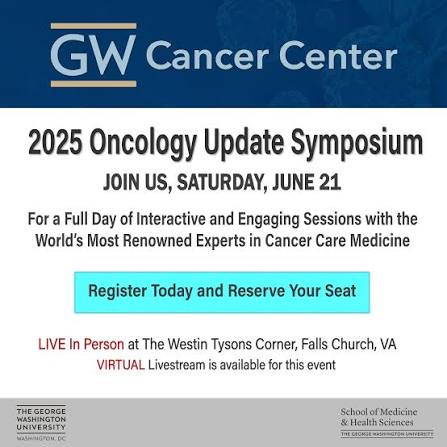
George Washington University Oncology Update Symposium 2025
$25.00
This Product is shared via google drive download link, So please share your correct Gmail id while placing the order .Please note that there are no CME points or certificate associated with this course Samples for Courses Can be found here : Free Samples Here!
George Washington University Oncology Update Symposium 2025
GW Oncology Update Symposium 2025 | Breast Cancer, Lung Cancer, Genitourinary Oncology, Hematologic Malignancies, Neuro-Oncology, GI Cancers, Immunotherapy & Emerging Cancer Treatments
The George Washington University Oncology Update Symposium 2025 is a comprehensive continuing medical education program focused on recent advances in cancer diagnosis, modern oncology treatments, precision medicine, and evidence-based management of malignant diseases.
Organized by The George Washington University School of Medicine and Health Sciences and the GW Cancer Center, this educational symposium brings together experienced oncology specialists from leading academic medical institutions to discuss important clinical developments affecting patient care.
Held on June 21, 2025, at The Westin Tysons Corner in Falls Church, Virginia, the symposium features seven specialty-focused oncology presentations addressing genitourinary malignancies, lung cancer, breast cancer, hematologic cancers, novel antineoplastic therapies, neuro-oncology, and gastrointestinal malignancies.
The 2025 Oncology Update Symposium emphasizes the translation of contemporary scientific evidence into practical clinical decision-making, including improved diagnostic strategies, biomarker-directed treatment selection, immunotherapy, targeted therapy, and management of cancer-related complications.
Throughout the program, expert faculty review advances in pharmacological cancer treatment, multidisciplinary oncology, therapeutic sequencing, and patient-centered management.
The symposium is particularly relevant to physicians seeking clinically applicable updates across multiple solid tumors and hematologic malignancies.
Course Details
- Course: George Washington University Oncology Update Symposium 2025
- Official Program: 2025 Oncology Update Symposium
- Organizer: The George Washington University School of Medicine and Health Sciences
- Affiliated Institution: GW Cancer Center
- Conference Date: Saturday, June 21, 2025
- Time: 8:00 AM – 4:20 PM Eastern Daylight Time
- Location: Falls Church, Virginia, USA
- Venue: The Westin Tysons Corner
- Venue Address: 7801 Leesburg Pike, Falls Church, VA 22043
- Original Format: Live Continuing Medical Education Conference
- Primary Specialty: Medical Oncology
- Additional Focus: Hematology, Breast Oncology, Thoracic Oncology, Genitourinary Oncology, Neuro-Oncology and Gastrointestinal Oncology
- Language: English
- Scientific Presentations: 7 Main Oncology Lectures
- Course Director: Robert S. Siegel, MD
- Original AMA CME: Up to 7 AMA PRA Category 1 Credits™
- Original ABIM MOC: Up to 7 Points
- Educational Methods: Expert Lectures, Clinical Updates, Scientific Evidence Reviews and Oncology Discussions
The original registration included access to educational sessions, an electronic syllabus, slide handouts, and archived session recordings under the university’s participation terms.
These publisher benefits do not establish the exact contents of any separately distributed MedicalAmboss product.
Target Audience
The symposium is designed for healthcare professionals involved in the diagnosis, treatment, and long-term management of patients with cancer.
The target audience includes:
- Medical Oncologists
- Hematologists
- Hematologist-Oncologists
- Urologic Oncologists
- Thoracic Oncologists
- Breast Oncologists
- Neuro-Oncologists
- Gastrointestinal Oncologists
- Radiation Oncologists
- Surgical Oncologists
- Internal Medicine Physicians
- Oncology Fellows
- Hematology Fellows
- Medical Residents
- Oncology Nurses
- Nurse Practitioners
- Physician Assistants
- Clinical Pharmacists
- Other Allied Healthcare Professionals Involved in Cancer Care
The course is particularly relevant to clinicians seeking an integrated overview of modern treatment strategies across several major cancer types.
Program Overview
Cancer treatment continues to evolve through new research involving molecular diagnostics, immunotherapy, targeted therapy, antibody-drug conjugates, precision oncology, and emerging anticancer medications.
Clinicians must understand how these developments affect treatment selection, clinical outcomes, toxicity monitoring, and the management of patients with complex malignancies.
The George Washington University Oncology Update Symposium 2025 addresses these challenges through a multidisciplinary educational program.
Major clinical areas include:
- Genitourinary Cancer
- Prostate Cancer
- Renal Cell Carcinoma
- Urothelial Carcinoma
- Lung Cancer
- Non-Small Cell Lung Cancer
- Small Cell Lung Cancer
- Breast Cancer
- Hematologic Malignancies
- Lymphoma
- Leukemia
- Multiple Myeloma
- Neuro-Oncology
- Brain Tumors
- Gastrointestinal Malignancies
- Esophageal Cancer
- Gastric Cancer
- Colorectal Cancer
- Targeted Cancer Therapy
- Cancer Immunotherapy
- Precision Oncology
- Biomarker-Directed Treatment
- Novel Cancer Drugs
- Treatment-Related Adverse Effects
- Multidisciplinary Cancer Care
The program emphasizes the interpretation and appropriate clinical application of evolving oncology research.
Learning Objectives
Upon completion of the original educational activity, participants should be better able to:
- Evaluate recent medical advances in the diagnosis and treatment of specific malignant diseases.
- Integrate scientific findings and practical clinical tools into treatment decisions and oncology workflows.
- Assess novel pharmacological agents, targeted treatments, immunotherapies, and emerging therapeutic approaches.
- Identify and implement strategies for recognizing and managing adverse effects and complications associated with cancer treatment.
- Review contemporary treatment considerations across major solid tumors and hematologic malignancies.
- Understand how molecular biomarkers, disease characteristics, and clinical evidence influence individualized therapeutic selection.
- Apply multidisciplinary and patient-centered principles to contemporary cancer management.
The first four objectives reflect the supplied program description. The additional objectives summarize the educational relevance of the published scientific agenda.
Official 2025 Oncology Symposium Curriculum
Saturday, June 21, 2025
Welcome and Housekeeping Notes
8:00 AM – 8:05 AM
Faculty: Robert S. Siegel, MD
Professor of Medicine and Associate Director of Education and Training, GW Cancer Center.
The opening introduces the scientific program and its emphasis on contemporary oncology treatment.
Session I – Genitourinary Oncology
1. Updates in Genitourinary Cancers
8:05 AM – 9:05 AM
Faculty: Jeanny B. Aragon-Ching, MD, FACP
Clinical Program Director of Genitourinary Cancers, Inova Schar Cancer Institute
This presentation reviews major developments in genitourinary cancer diagnosis and treatment.
Genitourinary malignancies include prostate, bladder, kidney, and other tumors affecting the urinary and reproductive systems.
Relevant clinical topics include:
- Prostate Cancer
- Metastatic Prostate Cancer
- Renal Cell Carcinoma
- Bladder Cancer
- Urothelial Carcinoma
- Genitourinary Oncology
- Molecular Biomarkers
- Hormone-Based Treatments
- Targeted Therapy
- Immunotherapy
- Systemic Treatment Selection
- Multidisciplinary Care
The session provides an opportunity to review how emerging evidence influences treatment decisions for common and complex genitourinary cancers.
Session II – Thoracic Oncology
2. Updates in Lung Cancer
9:05 AM – 10:05 AM
Faculty: Richard D. Hall, MD, MS
Associate Professor of Medicine, University of Virginia
This presentation examines evolving clinical management of lung malignancies.
Important educational areas include:
- Non-Small Cell Lung Cancer
- Small Cell Lung Cancer
- Lung Cancer Diagnosis
- Molecular Testing
- Driver Mutations
- Targeted Therapy
- Immunotherapy
- Immune Checkpoint Inhibitors
- Disease Staging
- Metastatic Disease
- Treatment Sequencing
- Clinical Outcomes
The curriculum provides context for understanding recent advances in thoracic oncology and evidence-based treatment selection.
Morning Break
10:05 AM – 10:20 AM
Session III – Breast Oncology
3. Updates in Breast Cancer
10:20 AM – 11:20 AM
Faculty: Claudine Isaacs, MD, FRCPC
Professor of Medicine and Oncology, Georgetown University
This presentation reviews important developments affecting the treatment of breast cancer.
Relevant clinical subjects include:
- Breast Cancer Diagnosis
- Early-Stage Breast Cancer
- Metastatic Breast Cancer
- Hormone Receptor-Positive Disease
- HER2-Positive Breast Cancer
- Triple-Negative Breast Cancer
- Endocrine Therapy
- Targeted Therapies
- Immunotherapy
- Antibody-Drug Conjugates
- Biomarker-Guided Treatment
- Treatment-Related Toxicities
The session examines contemporary treatment considerations and the role of molecular characterization in breast oncology.
Session IV – Hematologic Malignancies
4. Update on Hematologic Malignancies
11:20 AM – 12:15 PM
Faculty: Imad A. Tabbara, MD
Clinical Professor of Medicine, The George Washington University
This presentation addresses important developments in malignant hematology.
Relevant topics include:
- Leukemia
- Lymphoma
- Multiple Myeloma
- Myeloid Malignancies
- Lymphoid Malignancies
- Hematologic Cancer Diagnosis
- Risk Stratification
- Molecular Testing
- Targeted Therapy
- Immunotherapy
- Cellular Therapy
- Treatment Monitoring
- Supportive Care
The educational emphasis is on interpreting evolving evidence in the management of blood cancers.
Lunch and Exhibitor Activities
12:15 PM – 1:15 PM
The original event also advertised a separately sponsored lunch product forum. Participation in sponsored programming is not automatically part of the separately distributed educational recordings.
Session V – Emerging Cancer Therapeutics
5. New Drugs and Therapies for Cancer Treatments
1:15 PM – 2:15 PM
Faculty: Chaoyuan (Charlie) Kuang, MD, PhD
Assistant Professor of Oncology and Medicine, Montefiore Einstein Cancer Center, Albert Einstein College of Medicine
This presentation reviews developments in systemic anticancer treatment and emerging therapeutic approaches.
Important educational subjects include:
- Novel Anticancer Drugs
- Precision Oncology
- Molecularly Targeted Therapy
- Cancer Immunotherapy
- Immune Checkpoint Inhibitors
- Antibody-Drug Conjugates
- Cellular Immunotherapy
- Emerging Drug Classes
- Clinical Trial Evidence
- Treatment-Related Adverse Effects
- Drug Resistance
- Therapeutic Sequencing
The session emphasizes understanding treatment innovation alongside clinical effectiveness, safety, and appropriate patient selection.
Session VI – Neuro-Oncology
6. Updates on Neuro-Oncology
2:15 PM – 3:00 PM
Faculty: Matthias Holdhoff, MD, PhD
Associate Professor of Oncology, Johns Hopkins University
This presentation reviews contemporary issues in the diagnosis and treatment of tumors involving the central nervous system.
Important subjects include:
- Primary Brain Tumors
- Gliomas
- Glioblastoma
- Brain Metastases
- CNS Malignancies
- Molecular Classification
- Diagnostic Imaging
- Surgical Management
- Radiation Therapy
- Systemic Treatment
- Targeted Therapy
- Treatment-Related Neurological Complications
- Multidisciplinary Neuro-Oncology
The educational focus includes current diagnostic and therapeutic approaches to complex CNS malignancies.
Session VII – Gastrointestinal Oncology
7. GI Malignancies
3:00 PM – 4:00 PM
Faculty: David H. Ilson, MD, PhD, FACP, FASCO
Professor of Medicine, Memorial Sloan Kettering Cancer Center
This presentation reviews the management of gastrointestinal malignancies and developments in systemic cancer treatment.
Relevant clinical areas include:
- Esophageal Cancer
- Gastroesophageal Junction Cancer
- Gastric Cancer
- Colorectal Cancer
- Gastrointestinal Oncology
- Cancer Staging
- Molecular Biomarkers
- Chemotherapy
- Immunotherapy
- Targeted Treatment
- Multidisciplinary Care
- Treatment Sequencing
- Clinical Outcomes
The session emphasizes integrating evolving evidence into individualized gastrointestinal cancer management.
Course Summary, Closing Remarks and Adjournment
4:00 PM – 4:20 PM
Faculty: Robert S. Siegel, MD
The symposium concludes with a summary of major educational themes and their relevance to contemporary oncology care.
Major Topics Covered
- George Washington University Oncology Update 2025
- GW Cancer Center
- Medical Oncology
- Hematology and Oncology
- Genitourinary Cancers
- Prostate Cancer
- Renal Cell Carcinoma
- Urothelial Carcinoma
- Lung Cancer
- Non-Small Cell Lung Cancer
- Small Cell Lung Cancer
- Breast Cancer
- HER2-Positive Breast Cancer
- Triple-Negative Breast Cancer
- Hematologic Malignancies
- Leukemia
- Lymphoma
- Multiple Myeloma
- Neuro-Oncology
- Brain Tumors
- Glioblastoma
- Brain Metastases
- Gastrointestinal Malignancies
- Esophageal Cancer
- Gastric Cancer
- Colorectal Cancer
- Cancer Immunotherapy
- Targeted Therapy
- Precision Oncology
- Molecular Biomarkers
- Antibody-Drug Conjugates
- New Cancer Medications
- Cancer Treatment Toxicities
- Evidence-Based Oncology
Precision Oncology and Molecular Diagnostics
Molecular characterization is increasingly important in the management of several cancer types.
The symposium’s major disease-specific topics provide a foundation for understanding the clinical relevance of biomarkers, molecular testing, and personalized treatment selection.
Important concepts include genomic alterations, treatment-sensitive targets, resistance mechanisms, and clinical interpretation of molecular findings.
Cancer Immunotherapy and Targeted Treatment
Advances in immunotherapy and molecularly targeted treatment continue to influence cancer care.
The program includes a dedicated presentation on new drugs and cancer treatment approaches, alongside specialty-specific therapeutic updates.
The educational relevance includes understanding treatment indications, potential benefits, adverse effects, and appropriate monitoring.
Management of Treatment-Related Adverse Effects
Cancer treatment can produce significant hematologic, gastrointestinal, cardiovascular, neurological, immune-related, and other adverse effects.
An important objective of the symposium is recognizing and managing complications associated with malignancy treatments.
Clinicians should consider toxicity assessment, monitoring, treatment modifications, supportive care, and multidisciplinary consultation according to the patient’s clinical condition.
Multidisciplinary Cancer Care
Contemporary oncology frequently requires coordination among medical oncologists, surgeons, radiation oncologists, radiologists, pathologists, nurses, pharmacists, and supportive care teams.
The symposium addresses multiple cancer specialties within a single educational program, encouraging integration of clinical evidence across disciplines.
Official Faculty and Course Leadership
Robert S. Siegel, MD
Course Director
Professor of Medicine and Associate Director of Education and Training, GW Cancer Center.
Specialty Presenters
- Jeanny B. Aragon-Ching, MD, FACP — Genitourinary Oncology
- Richard D. Hall, MD, MS — Thoracic Oncology
- Claudine Isaacs, MD, FRCPC — Breast Oncology
- Imad A. Tabbara, MD — Hematologic Malignancies
- Chaoyuan (Charlie) Kuang, MD, PhD — Emerging Cancer Treatments
- Matthias Holdhoff, MD, PhD — Neuro-Oncology
- David H. Ilson, MD, PhD, FACP, FASCO — Gastrointestinal Oncology
Continuing Medical Education
The George Washington University School of Medicine and Health Sciences designated the original live conference for a maximum of:
- 7 AMA PRA Category 1 Credits™
- 7 ABIM Maintenance of Certification Points
- 7 Completion Credits
The credit designation and MOC eligibility were subject to attendance, evaluation, and other requirements of the original accredited activity.
Important CME Notice
Purchasing separately distributed educational materials from MedicalAmboss does not itself provide:
- Official George Washington University CME Credits
- ABIM MOC Points
- Original Conference Registration
- University Completion Certificates
- GW Course Platform Access
- Official Archived Recording Access
- Publisher Accounts
- Publisher-Hosted Educational Benefits
Why This Course Is Relevant
The George Washington University Oncology Update Symposium 2025 provides a practical overview of advances in cancer diagnosis and treatment across major solid tumors and hematologic malignancies.
Its combination of genitourinary oncology, thoracic oncology, breast oncology, hematologic malignancies, neuro-oncology, gastrointestinal oncology, and new drug development makes it useful for physicians seeking a multidisciplinary cancer care update.
The program emphasizes evidence-based clinical decisions, interpretation of emerging treatments, management of adverse effects, and integration of new scientific findings into patient care.
Official Program Reference and MedicalAmboss Purchase Scope
Official 2025 GW Oncology Update Symposium:
The official university page provides the course date, location, faculty, scientific agenda, and CME information.
The listed publisher course features include an electronic syllabus, slide handouts, and archived recordings for registered participants. These should not be assumed to constitute the exact inventory of any separate retailer product.
MedicalAmboss File Scope: Educational content is described for reference. Official registration, university accounts, CME credits, MOC points, certificates, streaming access, and publisher-hosted benefits are not included unless explicitly listed as store files.
Short Description
George Washington University Oncology Update Symposium 2025 provides a comprehensive, evidence-based review of advances in cancer diagnosis, novel anticancer treatments, immunotherapy, precision oncology, and multidisciplinary patient management.
Held June 21, 2025, in Falls Church, Virginia, the original conference includes seven major oncology presentations delivered by expert faculty from leading academic medical centers.
Topics
The course curriculum covers the following specific sessions and lectures:
-
Welcome Housekeeping Notes
-
Updates in Genitourinary Cancers
-
Updates in Lung Cancer
-
Updates in Breast Cancer
-
Update on Hematologic Malignancies
-
New Drugs and Therapies for Cancer Treatments
-
Updates on Neuro-Oncology
-
GI Malignancies
-
Course Summary Closing Remarks
Related products

Internal Medicine

Critical Care - Emergency medicine
ASN Critical Care Nephrology – 2022 Update (On-Demand and Livestream)
Internal Medicine
Anesthesiology & pain medicine
Critical Care - Emergency medicine
Critical Care - Emergency medicine
2022 UPDATES IN THERAPEUTICS: CRITICAL CARE PHARMACY PREPARATORY REVIEW AND RECERTIFICATION COURSE

Medical Accounts
Internal Medicine