
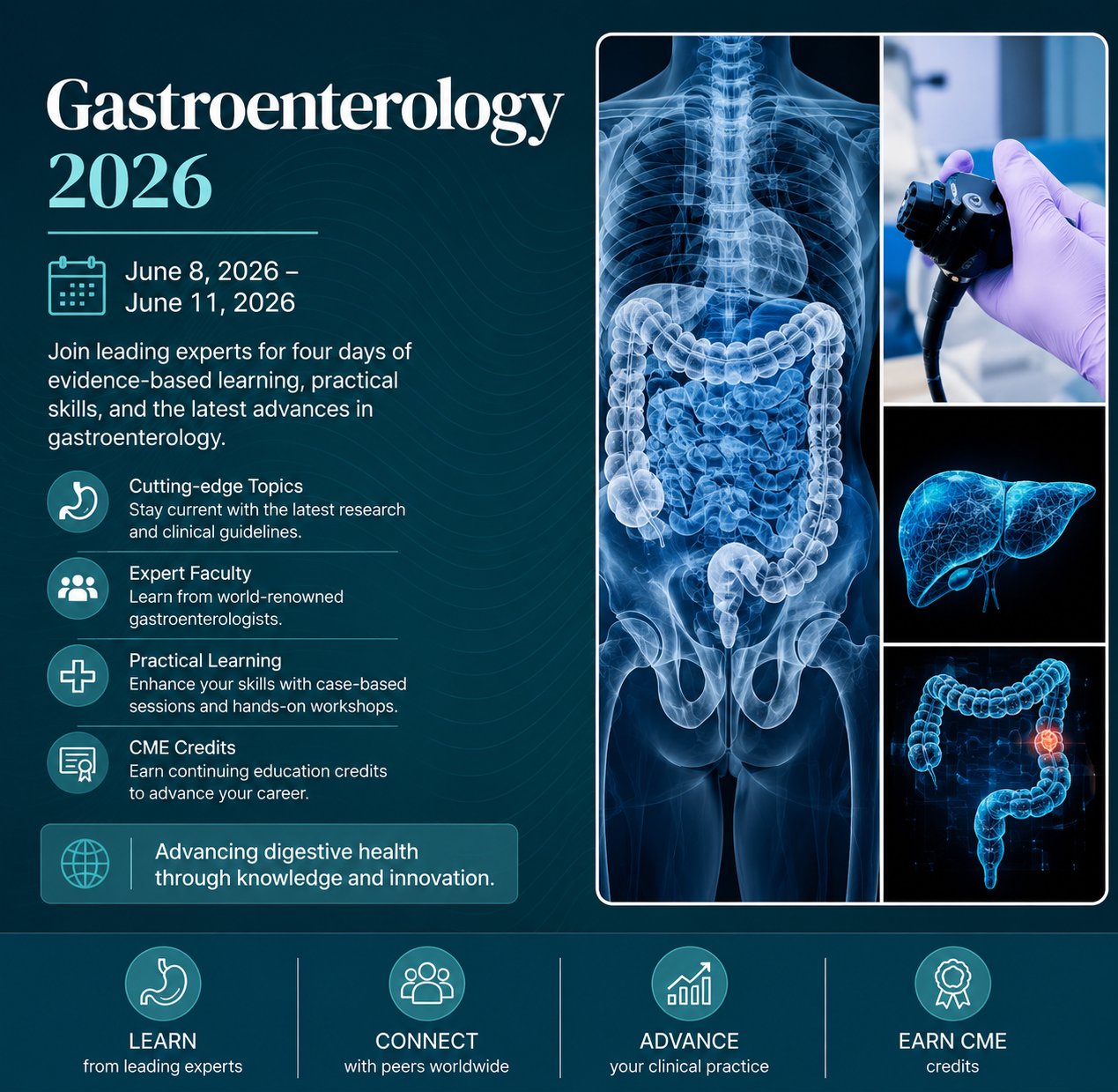
Harvard Gastroenterology 2026

Original price was: $1,195.00.$150.00Current price is: $150.00.
An evidence-based gastroenterology and hepatology review covering IBD, GI bleeding, GERD, IBS, liver disease, pancreatitis, screening, and endoscopy.
Delivery Information: This Product is shared via google drive download link.
Please note: there are no CME points or certificate associated with this course.
For assistance, contact us on Telegram: https://t.me/medicalamboss1
Harvard Gastroenterology 2026 (Videos + PDFs)
Comprehensive Evidence-Based Updates in Gastroenterology, Hepatology & Digestive Disease Management
Stay at the forefront of digestive disease care with Harvard Gastroenterology 2026, Harvard Medical School’s official gastroenterology and hepatology education program; this MedicalAmboss product provides only the listed course files and does not include official registration or CME credit. This evidence-based course delivers the latest clinical guidelines, therapeutic advances, and practical strategies for diagnosing and managing a broad spectrum of gastrointestinal and liver disorders encountered in daily practice.
Designed as a live online educational program, the course combines expert lectures, interactive discussions, and real-world clinical recommendations to help clinicians integrate the newest advances into patient care. Participants receive comprehensive updates on inflammatory bowel disease (IBD), gastrointestinal oncology, liver diseases, advanced endoscopy, colorectal cancer prevention, gastrointestinal infections, obesity management, and emerging therapies that are transforming modern gastroenterology.
Whether you care for patients in outpatient clinics, hospitals, or specialty practices, Harvard Gastroenterology 2026 provides practical, guideline-driven education that improves diagnostic confidence, therapeutic decision-making, and long-term patient outcomes.
Product Details
- Course: Harvard Gastroenterology 2026
- Institution: Harvard Medical School
- Format: Videos + PDFs
- Delivery: Live Online Course
- Language: English
- Educational Level: Intermediate to Advanced
Course Overview
Gastroenterology continues to evolve rapidly with new biologic therapies, precision medicine, artificial intelligence, microbiome research, advanced endoscopic techniques, and updated international clinical guidelines. Physicians managing digestive diseases must continually adapt to these developments to provide optimal patient care.
Harvard Gastroenterology 2026 delivers an extensive review of current evidence-based practice across the full spectrum of gastroenterology and hepatology. Nationally recognized experts present practical recommendations for evaluating and treating common and complex gastrointestinal disorders while highlighting important advances that directly impact clinical decision-making.
The curriculum emphasizes immediate clinical application, helping healthcare professionals incorporate updated diagnostic strategies, therapeutic options, surveillance recommendations, and quality improvement measures into everyday practice.
Course Highlights
- Comprehensive gastroenterology update
- Latest national and international GI guidelines
- Inflammatory bowel disease (IBD)
- Biologic therapies and therapeutic drug monitoring
- Hepatology updates
- Steatotic liver disease (MASLD)
- HBV and HCV management
- Barrett’s esophagus
- Eosinophilic esophagitis
- Celiac disease
- Irritable bowel syndrome (IBS)
- Refractory GERD
- Helicobacter pylori management
- Clostridioides difficile infection
- Acute and chronic pancreatitis
- Gastrointestinal bleeding
- Colorectal cancer prevention
- Colonoscopy quality improvement
- Artificial intelligence in colonoscopy
- Endoscopic obesity management
- Fecal microbiota transplantation (FMT)
- GI complications of cancer immunotherapy
What You’ll Learn
After completing this course, participants will be able to:
- Apply the latest evidence-based guidelines for diagnosing and treating gastrointestinal diseases.
- Integrate modern biologic therapies into the management of inflammatory bowel disease.
- Utilize therapeutic drug monitoring to optimize IBD treatment outcomes.
- Diagnose and manage common and complex liver diseases using current recommendations.
- Improve colonoscopy quality and adenoma detection rates through updated screening strategies.
- Evaluate and treat gastrointestinal complications associated with cancer immunotherapy.
- Incorporate advances in microbiome science, artificial intelligence, and endoscopic therapies into routine clinical practice.
- Optimize long-term outcomes for patients with digestive disorders using guideline-directed care.
Comprehensive Topics Covered
Inflammatory Bowel Disease (IBD)
Review current treatment algorithms for Crohn’s disease and ulcerative colitis, including biologic selection, therapeutic drug monitoring, management of older adults, treatment optimization, and emerging therapies.
Hepatology
Gain comprehensive updates on steatotic liver disease (MASLD), hepatitis B, hepatitis C, autoimmune hepatitis, alcohol-associated liver disease, cirrhosis, portal hypertension, and evidence-based approaches to chronic liver disease management.
Gastrointestinal Oncology
Learn optimal surveillance strategies for hereditary gastrointestinal cancer syndromes, colorectal cancer prevention, adenoma detection improvement, Barrett’s esophagus management, and pancreatic cancer risk assessment.
Gastrointestinal Infections
Review updated recommendations for diagnosing and treating Clostridioides difficile infection, Helicobacter pylori infection, fecal microbiota transplantation (FMT), and other clinically significant gastrointestinal infections.
Esophageal Disorders
Strengthen your approach to eosinophilic esophagitis, refractory gastroesophageal reflux disease (GERD), Barrett’s esophagus, dysphagia, and other complex esophageal conditions.
Functional Gastrointestinal Disorders
Explore evidence-based management of irritable bowel syndrome (IBS), fecal incontinence, microscopic colitis, functional bowel disorders, and patient-centered treatment strategies.
Pancreatic Disorders
Develop practical diagnostic and therapeutic approaches for acute pancreatitis, chronic pancreatitis, recurrent pancreatitis prevention, and pancreatic disease management.
Advanced Endoscopy
Review high-quality colonoscopy techniques, adenoma detection rate (ADR) optimization, endoscopic obesity treatment, gastrointestinal bleeding management, and advances in therapeutic endoscopy.
Emerging Innovations
Discover the latest developments in artificial intelligence for colonoscopy, microbiome science, novel biologic therapies, precision medicine, and future directions in digestive disease care.
Learning Objectives
Upon completion of this educational activity, participants will be able to:
- Interpret major advances in gastroenterology and hepatology.
- Apply current diagnostic approaches to common and complex gastrointestinal disorders.
- Select evidence-based therapeutic options using updated clinical guidelines.
- Integrate new biologic therapies, endoscopic techniques, and emerging technologies into patient care.
- Improve outcomes for patients with inflammatory, infectious, neoplastic, and functional gastrointestinal diseases.
Educational Features
- Harvard Medical School Faculty
- Nationally Recognized GI Experts
- Evidence-Based Clinical Guidelines
- Comprehensive Gastroenterology Review
- Hepatology Updates
- Advanced Endoscopy Education
- Interactive Clinical Discussions
- Practical Case-Based Learning
- Current Therapeutic Strategies
- On-Demand Videos and Course PDFs
Why This Course Stands Out
Harvard Gastroenterology 2026 is one of the most comprehensive annual updates available for clinicians managing digestive diseases. Rather than focusing on a single subspecialty, the program provides an integrated review of gastroenterology, hepatology, gastrointestinal oncology, inflammatory bowel disease, advanced endoscopy, and emerging innovations. Every lecture emphasizes practical recommendations that clinicians can immediately incorporate into everyday patient care while remaining aligned with the latest national and international guidelines.
Target Audience
This educational activity is ideal for:
- Gastroenterologists
- Hepatologists
- Internal Medicine Physicians
- Hospitalists
- Primary Care Physicians
- Family Medicine Physicians
- Oncologists
- Geriatricians
- Obstetricians & Gynecologists
- General Surgeons
- Nurse Practitioners (NPs)
- Physician Assistants (PAs)
- Gastroenterology Fellows
- Internal Medicine Residents
- Healthcare Professionals interested in digestive diseases
Why Choose This Course?
Whether you manage inflammatory bowel disease, liver disease, gastrointestinal cancers, pancreatic disorders, or common digestive complaints, Harvard Gastroenterology 2026 delivers a comprehensive, evidence-based review of modern gastroenterology practice. Combining expert faculty, updated clinical guidelines, emerging therapies, and practical treatment recommendations, this course helps clinicians improve diagnostic accuracy, optimize patient outcomes, and stay current with one of medicine’s fastest-evolving specialties.
4. Topics
Monday, June 8, 2026
Welcome
Dr. Daniel Chung
8:25-8:30 am
Which Initial Therapy to Choose in Crohn’s Disease?
Dr. Joshua Korzenik
8:30-9:10 am
Which Initial Therapy to Choose in Ulcerative Colitis?
Dr. Ashwin Ananthakrishnan
9:10-9:50 am
Putting It Together: Illustrative IBD Case Presentations
Dr. Kristin Burke
9:50-10:20 am
Panel Q&A
Drs. Ashwin Ananthakrishnan, Joshua Korzenik, and Kristin Burke
10:20-10:35 am
Break
10:35-10:50 am
Management of the Older Adult with IBD
Dr. Bharati Kochar
10:50-11:15 am
IBD in Pregnancy
Dr. Loren Rabinowitz
11:15-11:40 am
Therapeutic Drug Monitoring in IBD
Dr. Adam Cheifetz
11:40 am-12:15 pm
Panel Q&A
Drs. Adam Cheifetz, Bharati Kochar, and Loren Rabinowitz
12:15-12:30 pm
Break
12:30-1:30 pm
How to Manage Microscopic Colitis
Dr. Hamed Khalili
1:30-2:00 pm
GI Complications of Immunotherapy
Dr. Michael Dougan
2:00-2:30 pm
GI Complications of Antineoplastic Therapy
Dr. Shilpa Grover
2:30-3:00 pm
Panel Q&A
Drs. Michael Dougan, Hamed Khalili, and Shilpa Grover
3:00-3:15 pm
Break
3:15-3:30 pm
High-Risk Cancer Surveillance in GI Cancer Syndromes
Dr. Daniel Chung
3:30-4:00 pm
CRC Screening and How to Improve Your ADR
Dr. Ramona Lim
4:00-4:30 pm
Beyond Screening: What to Recommend to Reduce Colorectal Cancer Risk
Dr. Andrew Chan
4:30-5:00 pm
Panel Q&A
Drs. Daniel Chung, Ramona Lim, and Andrew Chan
5:00-5:15 pm
Tuesday, June 9, 2026
Barrett’s Esophagus: Whom and How to Treat?
Dr. Douglas Pleskow
8:30-9:10 am
Esophageal Motility Disorders Made Easy
Dr. Barbara Nath
9:10-9:40 am
Management of Refractory GERD
Dr. Norman Nishioka
9:40-10:10 am
Panel Q&A
Drs. Douglas Pleskow, Barbara Nath, and Norman Nishioka
10:10-10:25 am
Break
10:25-10:40 am
Comprehensive Approach to Eosinophilic Esophagitis
Dr. Walter Chan
10:40-11:20 am
Celiac Disease and Gluten Sensitivity: 2026 Practitioner Updates
Dr. Ciaran Kelly
11:20 am-12:05 pm
Panel Q&A
Drs. Walter Chan and Ciaran Kelly
12:05-12:20 pm
Break
12:20-1:30 pm
Making the Diagnosis of IBS
Dr. Kyle Staller
1:30-2:00 pm
Modern Strategies to Treat IBS
Dr. Vikram Rangan
2:00-2:30 pm
Tips to Managing Fecal Incontinence
Dr. Kyle Staller
2:30-2:50 pm
Panel Q&A
Drs. Kyle Staller and Vikram Rangan
2:50-3:05 pm
Break
3:05-3:25 pm
Optimizing the Management of Gastroparesis
Dr. Trisha Pasricha
3:25-3:55 pm
How to Evaluate Small Intestinal Bacterial Overgrowth
Dr. Judy Nee
3:55-4:25 pm
Panel Q&A
Drs. Judy Nee and Trisha Pasricha
4:25-4:40 pm
Wednesday, June 10, 2026
Cholestatic Liver Diseases: What’s New in PBC and PSC
Dr. Daniel Pratt
8:30-9:00 am
Update on Autoimmune Hepatitis
Dr. Alan Bonder
9:00-9:30 am
Current Approaches to the Treatment of HBV and HCV
Dr. Michael Curry
9:30-10:00 am
Panel Q&A
Drs. Daniel Pratt, Alan Bonder, and Michael Curry
10:00-10:15 am
Break
10:15-10:30 am
Alcohol-Associated Liver Disease
Dr. Gyongyi Szabo
10:30-11:10 am
The Management of MASLD
Dr. Kathleen Corey
11:10-11:40 am
Panel Q&A
Drs. Gyongyi Szabo and Kathleen Corey
11:40-11:55 am
Break
11:55 am-1:00 pm
How to Workup a Liver Lesion
Dr. Karin Andersson
1:00-1:30 pm
Diagnosis and Routine Management of Cirrhosis
Dr. Michelle Lai
1:30-2:00 pm
Managing Advanced Liver Disease
Dr. Anna Rutherford
2:00-2:40 pm
Panel Q&A
Drs. Anna Rutherford and Karin Andersson
2:40-3:00 pm
Break
3:00-3:15 pm
Best Management Strategies in Acute Pancreatitis
Dr. David Jin
3:15-3:45 pm
Updates in Chronic Pancreatitis
Dr. Sunil Sheth
3:45-4:20 pm
Controversies in the Management of Cystic Lesions of the Pancreas
Dr. Carlos Fernandez-del Castillo
4:20-4:50 pm
Panel Q&A
Drs. David Jin, Sunil Sheth, and Carlos Fernandez-del Castillo
4:50-5:05 pm
Thursday, June 11, 2026
Tips to Removing the Difficult Colon Polyp
Dr. Tyler Berzin
8:30-9:10 am
Quality in Colonoscopy: What to Measure and Why It Matters
Dr. Mandeep Sawhney
9:10-9:40 am
Endoscopy and the Anticoagulated Patient
Dr. Kunal Jajoo
9:40-10:10 am
Panel Q&A
Drs. Tyler Berzin, Mandeep Sawhney, and Kunal Jajoo
10:10-10:25 am
Break
10:25-10:40 am
Acute GI Bleeding and Other GI Emergencies
Dr. Linda Lee
10:40-11:20 am
Advances in Endoscopic Surgery for Foregut Disorders
Dr. Kumar Krishnan
11:20-11:50 am
Endoscopic Approaches to Manage Obesity
Dr. Christopher Thompson
11:50 am-12:20 pm
Panel Q&A
Drs. Christopher Thompson, Kumar Krishnan, and Linda Lee
12:20-12:35 pm
Break
12:35-1:45 pm
What’s New in C. Difficile Colitis
Dr. Jessica Allegretti
1:45-2:15 pm
Q&A with Dr. Allegretti
2:15-2:30 pm
New Insights into the Gut Microbiome and Disease
Dr. Ramnik Xavier
2:30-3:00 pm
Current Approach to Diagnosis and Treatment of Helicobacter pylori
Dr. Jay Luther
3:00-3:30 pm
GI Cases to Remember
Dr. Douglas Horst
3:30-4:00 pm
Panel Q&A
Drs. Douglas Horst, Ramnik Xavier, and Jay Luther
4:00-4:15 pm
Related products

Critical Care - Emergency medicine

Internal Medicine
Internal Medicine

Critical Care - Emergency medicine
Anesthesiology & pain medicine

Critical Care - Emergency medicine
ASN Critical Care Nephrology – 2022 Update (On-Demand and Livestream)

Medical Accounts
Internal Medicine