
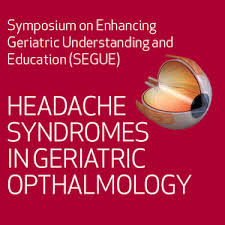
Houston Methodist 14th Annual Symposium on Enhancing Geriatric Understanding and Education (SEGUE) 2026

$10.00
This Product is shared via google drive download link, So please share your correct Gmail id while placing the order .Please note that there are no CME points or certificate associated with this course Samples for Courses Can be found here : Free Samples Here!
Houston Methodist 14th Annual Symposium on Enhancing Geriatric Understanding and Education (SEGUE) 2026
Geriatric Ophthalmology • Neuro-Ophthalmology • Headache Syndromes • Vision Rehabilitation • Glaucoma • Retina • Geriatric Eye Care
Advance your understanding of eye disease, headache syndromes, neuro-ophthalmic presentations, vision rehabilitation, and complex clinical decision-making in older adults with the Houston Methodist 14th Annual Symposium on Enhancing Geriatric Understanding and Education (SEGUE): Headache Syndromes in Geriatric Ophthalmology 2026.
Held June 13, 2026, the symposium was organized by Houston Methodist and offered both in-person and virtual attendance. The live venue was the Houston Methodist Research Institute, John F. Bookout Auditorium, 6670 Bertner Avenue, Houston, Texas 77030.
The 2026 program focuses on the unique ophthalmic and neuro-ophthalmic needs of older adults, with particular attention to headache syndromes encountered in the eye clinic, neuro-ophthalmic pain management, vision rehabilitation, retinal disease, glaucoma-associated headache, and medicolegal issues affecting geriatric ophthalmology.
Course Details
- Course: 14th Annual Symposium on Enhancing Geriatric Understanding and Education – SEGUE
- 2026 Theme: Headache Syndromes in Geriatric Ophthalmology
- Provider: Houston Methodist
- Year: 2026
- Date: June 13, 2026
- Time: 8:00 AM–2:00 PM CDT
- Venue: Houston Methodist Research Institute – John F. Bookout Auditorium
- Address: 6670 Bertner Avenue, Houston, Texas 77030
- Format: In-Person and Virtual
- Primary Specialty: Ophthalmology
- Primary Focus: Geriatric Ophthalmology / Neuro-Ophthalmology
- Original Live Activity: Up to 5.00 AMA PRA Category 1 Credits™
- Medical Ethics / Professional Responsibility: 3.50 Hours
- Nursing Contact Hours: Up to 5.00
- Language: English
Houston Methodist officially listed the activity as a live educational program with both in-person and virtual participation options.
Course Overview
The aging U.S. population creates increasingly complex demands for ophthalmologists, primary care clinicians, geriatricians, and other healthcare professionals.
Several major ophthalmic disorders disproportionately affect older adults, including:
- Age-related macular degeneration
- Glaucoma
- Cataracts
- Diabetic retinopathy
- Low vision
Older ophthalmic patients may also have multiple comorbidities that affect:
- Diagnosis
- Treatment selection
- Medication tolerance
- Surgical planning
- Rehabilitation
- Functional independence
- Prognosis
Houston Methodist emphasizes that geriatric ophthalmic patients should not be approached simply as older versions of younger adults because aging, comorbid illness, polypharmacy, functional impairment, and psychosocial factors can alter both disease presentation and response to therapy.
A multidisciplinary geriatric eye-care framework can be summarized as:
Visual Complaint → Ophthalmic Evaluation → Neurological / Systemic Assessment → Functional Impact → Treatment → Rehabilitation → Long-Term Support
Learning Objectives
Upon completion of this course, the participant should be able to:
- Describe glaucoma issues in the elderly, including compliance issues with therapy specific to elderly, avoiding polypharmacy and enhancing short-term and long-term compliance.
- Discuss medical and ophthalmic surgical issues in the elderly, including when and when not to operate, consent issues, and falls and fractures in the postoperative period.
- Describe age-related macular degeneration issues, including management and new treatments, the role of vitamin therapy, and the need for low vision services.
These learning objectives are listed by Houston Methodist for the official activity.
Geriatric Ophthalmology
Geriatric ophthalmology requires clinicians to consider not only the ocular disease itself but also the broader health and functional status of the patient.
Potential factors affecting ophthalmic care in older adults include:
- Multiple chronic diseases
- Polypharmacy
- Cognitive impairment
- Depression
- Hearing impairment
- Mobility limitations
- Fall risk
- Visual disability
- Driving ability
- Medication adherence
- Social support
- Consent and decision-making issues
Houston Methodist specifically identifies conditions and comorbidities such as ARMD, glaucoma, cataracts, diabetic retinopathy, low vision, depression, dementia, hearing loss, functional loss, driving concerns, and elder abuse as relevant to geriatric ophthalmic care.
Headache Syndromes in Geriatric Ophthalmology
The central 2026 theme is:
Headache Syndromes in Geriatric Ophthalmology
Headache and orbital or ocular pain in older adults can involve multiple specialties and require careful differential diagnosis.
Potential sources may involve:
- Ophthalmic disease
- Neuro-ophthalmic disease
- Glaucoma
- Retinal disorders
- Primary headache disorders
- Neurological disease
- Pain syndromes
- Medication-related issues
- Systemic disorders
The symposium approaches these problems through clinical cases, multidisciplinary panel discussion, and specialist perspectives.
Headache Syndromes in the Eye Clinic
The first plenary session of the official agenda is:
Headache Syndromes in The Eye Clinic
The session includes a clinical case presentation followed by multidisciplinary panel discussion involving ophthalmology and neuro-ophthalmology faculty.
A practical approach to headache in the eye clinic may require assessment of:
Headache History → Ocular Symptoms → Visual Symptoms → Eye Examination → Neurological Features → Identify Red Flags → Determine Ophthalmic vs. Neurologic Etiology
Vision Rehabilitation in the Elderly
Visual impairment can significantly affect the independence and quality of life of older adults.
The official second plenary session focuses on:
Vision Rehab in The Elderly
with both occupational therapy and optometric perspectives.
Vision rehabilitation may address:
- Reading
- Mobility
- Daily activities
- Home safety
- Adaptive devices
- Visual aids
- Functional independence
- Patient education
The session emphasizes that treatment of geriatric eye disease extends beyond disease control and should also consider the patient’s ability to function effectively with remaining vision.
Occupational Therapy Vision Rehabilitation
The official program includes:
OT Vision Rehab In The Elderly
presented by Danese Zander, OTR.
Occupational therapy can help patients adapt activities and environments when visual loss cannot be completely corrected medically or surgically.
Optometric Vision Rehabilitation
The program also includes:
OD Vision Rehab In The Elderly
presented by Bhavani Iyer, OD.
This multidisciplinary structure connects:
Ophthalmic Diagnosis → Remaining Vision Assessment → Adaptive Strategy → Functional Rehabilitation
Pain Management Issues in Neuro-Ophthalmology
The third plenary session addresses:
Pain Management Issues in Neuro-Op
moderated by Andrew Lee, MD.
Pain associated with neurological or ophthalmic disease can be challenging in older adults because management must account for:
- Underlying diagnosis
- Medication interactions
- Polypharmacy
- Comorbidities
- Cognitive status
- Treatment tolerance
- Functional impact
The session uses clinical cases and panel discussion to examine these problems.
Neuro-Ophthalmology & Headache
Neuro-ophthalmology lies at the intersection of:
Vision + Eye Movement + Optic Nerve + Brain + Neurological Disease
Headache accompanied by visual complaints may therefore require a combined ophthalmic and neurological approach.
Important clinical questions include:
- Is the visual complaint caused by ocular disease?
- Is there evidence of optic nerve involvement?
- Are neurological warning signs present?
- Is pain related to primary headache disease?
- Is there a condition requiring urgent evaluation?
The 2026 agenda repeatedly integrates headache with neuro-ophthalmic assessment and pain management.
Retina: Headache and Retinal Issues in the Elderly
The fourth official plenary session is:
RETINA: Headache and Retinal Issues In Elderly
The session includes a case presentation by Garvin Davis, MD followed by panel discussion.
Retinal disease in older adults may coexist with neurological or pain complaints, making appropriate differentiation important.
The wider SEGUE program also emphasizes major age-related retinal problems such as:
- Age-related macular degeneration
- Diabetic retinopathy
- Vision loss
- Need for low-vision rehabilitation
Age-Related Macular Degeneration – ARMD
Age-related macular degeneration (ARMD) is among the major causes of vision impairment in older populations.
The official learning objectives specifically include:
- Management of ARMD
- New treatments
- Vitamin therapy
- Need for low-vision services
A comprehensive approach may involve:
Disease Recognition → Determine Stage → Treatment When Appropriate → Monitor Progression → Optimize Remaining Vision → Low-Vision Support
Low-Vision Services
Low vision can persist even after optimal treatment of the underlying ocular disease.
The symposium emphasizes the role of low-vision services as part of comprehensive geriatric eye care.
Rehabilitation can help support:
- Reading
- Medication management
- Mobility
- Personal care
- Home activities
- Independence
- Safety
This makes vision rehabilitation an important complement to medical and surgical ophthalmology.
Glaucoma in the Elderly
Glaucoma management in older adults involves challenges beyond simply lowering intraocular pressure.
The official learning objectives highlight:
- Glaucoma-specific issues in elderly patients
- Treatment compliance
- Polypharmacy
- Short-term adherence
- Long-term adherence
Treatment planning may need to consider:
Disease Severity + Life Expectancy + Medication Burden + Dexterity + Cognition + Adherence + Treatment Risk
Headache From Glaucoma in the Elderly
The fifth official plenary session is:
Headache From Glaucoma in Elderly
with Amy Coburn, MD as presenter and subsequent panel discussion.
This session directly connects the conference’s central headache theme with a major ophthalmic disorder affecting older adults.
Medication Compliance & Polypharmacy
Medication management in older adults can become difficult when patients use multiple ophthalmic and systemic medications.
Factors affecting adherence may include:
- Complex dosing schedules
- Memory impairment
- Physical limitations
- Difficulty administering eye drops
- Medication cost
- Adverse effects
- Multiple prescribers
The program specifically identifies reducing problematic polypharmacy and improving both short- and long-term treatment compliance as educational goals.
Ophthalmic Surgery in Older Adults
Surgical decisions in geriatric ophthalmology require consideration of more than anatomical indications alone.
The official objectives include discussion of:
- When to operate
- When not to operate
- Consent issues
- Postoperative falls
- Postoperative fractures
A geriatric surgical framework can include:
Expected Visual Benefit → Surgical Risk → Comorbidities → Functional Status → Patient Goals → Consent Capacity → Postoperative Safety
Falls, Fractures & Vision
Visual impairment can interact with:
- Balance
- Depth perception
- Mobility
- Environmental hazards
- Medication effects
The course specifically includes postoperative falls and fractures among issues relevant to geriatric ophthalmic surgery.
For older adults, successful eye care therefore includes attention not only to visual acuity but also to overall functional safety.
Headache in the Elderly
The official program includes a dedicated lecture:
Headache In Elderly
presented by Pamela Blake, MD.
Headache in older adults can require particular care because new or changing headache patterns may have different differential-diagnostic implications than similar symptoms in younger patients.
Clinical assessment may consider:
- Headache onset
- Pattern
- Visual symptoms
- Neurological symptoms
- Medication history
- Systemic symptoms
- Ophthalmic findings
- Secondary causes
Medicolegal Neuro-Ophthalmic Issues
The sixth plenary session addresses:
Medicolegal And Medicolegal Neuro-Ophthalmic Issues Including Headache and Pain Management Issues in The Elderly
The session combines case presentations with multidisciplinary panel discussion and healthcare-law perspectives.
Important areas may include:
- Clinical documentation
- Informed consent
- Decision-making capacity
- Diagnostic risk
- Treatment communication
- Pain-management decisions
- Professional responsibility
The official activity allocates 3.50 hours to Medical Ethics and/or Professional Responsibility.
Healthcare Law & Professional Responsibility
Several sessions in the official agenda incorporate Healthcare Law and Business perspectives from Edward J. Kroger, MD, JD, MBA.
This reflects the reality that geriatric ophthalmic decision-making may involve legal and professional considerations alongside clinical medicine.
Private Equity in Ophthalmology
The official lunch keynote is:
Private Equity in Ophthalmology
presented by Edward J. Kroger, MD, JD, MBA.
This session expands the symposium beyond clinical medicine into contemporary organizational and business issues affecting ophthalmology practice.
Geriatric Comorbidities
Houston Methodist identifies several comorbid or functional conditions that may influence geriatric ophthalmic care, including:
- Depression
- Dementia
- Hearing loss
- Functional loss
- Driving limitations
- Elder abuse
These issues highlight the importance of viewing ophthalmic care within the broader context of the patient’s physical, cognitive, functional, and social health.
Multidisciplinary Geriatric Eye Care
Older patients may require coordinated care from multiple professionals, including:
- Ophthalmologists
- Optometrists
- Geriatricians
- Internists
- Family physicians
- Neurologists
- Neuro-ophthalmologists
- Occupational therapists
- Nurses
- Advanced practice clinicians
- Low-vision specialists
The symposium reflects this multidisciplinary approach through case discussions involving clinicians from different professional backgrounds.
Course Director
Andrew G. Lee, MD
Houston Methodist lists Andrew G. Lee, MD as Course Director.
His listed institutional roles include:
- Herb and Jean Lyman Centennial Chair in Ophthalmology
- Chair, Department of Ophthalmology – Blanton Eye Institute
- Professor of Ophthalmology, Neurology, and Neurosurgery
- Houston Methodist Academic Institute
- Full Clinical Member, Houston Methodist Research Institute
Target Audience
The official target audience includes:
- Ophthalmologists
- Optometrists
- Geriatricians
- Internists
- Family Practitioners
- Residents
- Fellows
- Physician Assistants
- Registered Nurses
- Advanced Practice Nurse Practitioners
- Healthcare professionals with an interest in geriatric ophthalmology
This makes the course particularly relevant for professionals working across ophthalmology, geriatrics, internal medicine, family medicine, neuro-ophthalmology, and vision rehabilitation.
Who Should Take This Course?
Houston Methodist 14th Annual Symposium on Enhancing Geriatric Understanding and Education (SEGUE) 2026 is particularly relevant for healthcare professionals seeking practical updates in:
- Geriatric ophthalmology
- Neuro-ophthalmology
- Headache syndromes
- Eye pain
- Vision rehabilitation
- Low vision
- Glaucoma
- Retina
- Age-related macular degeneration
- Geriatric surgical decision-making
- Medication adherence
- Polypharmacy
- Geriatric comorbidities
- Medical ethics
- Medicolegal ophthalmology
Why This Course Is Useful
The strength of SEGUE 2026 is its combination of ophthalmology, neurology, geriatrics, rehabilitation, and professional responsibility.
Rather than treating visual disease in isolation, the program connects:
Eye Disease → Headache & Neurologic Symptoms → Functional Vision → Treatment Decisions → Rehabilitation → Ethics & Medicolegal Issues
This multidisciplinary perspective is especially relevant to older patients who often have several concurrent medical, functional, and social challenges.
Original Conference Accreditation
Houston Methodist is accredited by the Accreditation Council for Continuing Medical Education (ACCME) to provide continuing medical education for physicians.
For the official 2026 activity, Houston Methodist listed:
- 5.00 AMA PRA Category 1 Credits™
- 3.50 Medical Ethics and/or Professional Responsibility
- 5.00 Attendance
- 5.00 Nursing Contact Hours
Houston Methodist also states that it is accredited as a provider of nursing continuing professional development by the American Nurses Credentialing Center’s Commission on Accreditation.
Important CME / Certificate Notice
Official credit applies to participation through the Houston Methodist activity and completion of its official requirements.
If the MedicalAmboss product consists only of independently delivered educational files, do not advertise:
- 5 CME Credits Included
- 3.50 Ethics Credits Included
- 5 Nursing Contact Hours Included
- Official Houston Methodist Certificate Included
- Official Conference Registration Included
unless official Houston Methodist participation and credit-claiming access are actually part of the product.
The safer wording is:
Original Houston Methodist Live Activity: Up to 5.00 AMA PRA Category 1 Credits™
Official SEGUE 2026 Program
Plenary Session I – Headache Syndromes in The Eye Clinic
- Symposium Welcome — Andrew G. Lee, MD
- Case Presentation
- Multidisciplinary Panel Discussion
- Healthcare Law and Business Perspective
Plenary Session II – Vision Rehab in The Elderly
- OT Vision Rehab In The Elderly — Danese Zander, OTR
- OD Vision Rehab In The Elderly — Bhavani Iyer, OD
- Case Presentation
- Panel Discussion
Plenary Session III – Pain Management Issues in Neuro-Op
- Case 1 Presentation
- Panel Discussion
- Case 2 Presentation
- Panel Discussion
- Healthcare Law and Business Discussion
- Question and Answer
Plenary Session IV – RETINA: Headache and Retinal Issues In Elderly
- Case Presentation — Garvin Davis, MD
- Panel Discussion
- Healthcare Law and Business
- Question and Answer
Plenary Session V – Headache From Glaucoma in Elderly
- Presentation — Amy Coburn, MD
- Panel Discussion
- Lunch Keynote: Private Equity in Ophthalmology — Edward J. Kroger, MD, JD, MBA
- Headache In Elderly — Pamela Blake, MD
Plenary Session VI – Medicolegal Neuro-Ophthalmic Issues
Medicolegal And Medicolegal Neuro-Ophthalmic Issues Including Headache and Pain Management Issues in The Elderly
- Case 1 Presentation
- Case 2 Presentation
- Multidisciplinary Panel Discussion
- Healthcare Law and Business Perspective
Plenary Session VII – Conclusion
- Conclusion — Andrew G. Lee, MD
The agenda above follows Houston Methodist’s official 2026 program.
Major Topics Covered
- Geriatric Ophthalmology
- Neuro-Ophthalmology
- Headache Syndromes
- Headache in the Eye Clinic
- Headache in the Elderly
- Ophthalmic Pain
- Neuro-Ophthalmic Pain Management
- Vision Rehabilitation
- Occupational Therapy Vision Rehabilitation
- Optometric Vision Rehabilitation
- Low Vision
- Retina
- Headache and Retinal Disease
- Glaucoma
- Glaucoma-Associated Headache
- Age-Related Macular Degeneration
- Diabetic Retinopathy
- Cataracts
- Polypharmacy
- Medication Compliance
- Geriatric Ophthalmic Surgery
- Informed Consent
- Falls and Fractures
- Depression
- Dementia
- Hearing Loss
- Functional Loss
- Driving and Vision
- Elder Abuse
- Medical Ethics
- Professional Responsibility
- Medicolegal Neuro-Ophthalmology
- Private Equity in Ophthalmology
Short Description
Houston Methodist 14th Annual Symposium on Enhancing Geriatric Understanding and Education (SEGUE): Headache Syndromes in Geriatric Ophthalmology 2026 was held June 13, 2026, at the Houston Methodist Research Institute in Houston, Texas, with both in-person and virtual participation.
The program focuses on headache syndromes in ophthalmic practice, neuro-ophthalmic pain, vision rehabilitation, retinal disorders, glaucoma-related headache, headache in older adults, geriatric eye disease, low vision, and medicolegal issues.
Provider: Houston Methodist
Date: June 13, 2026
Venue: Houston Methodist Research Institute – John F. Bookout Auditorium
Location: Houston, Texas
Format: In-Person and Virtual
Original Live Activity: Up to 5.00 AMA PRA Category 1 Credits™
Medical Ethics / Professional Responsibility: 3.50 Hours
Primary Focus: Geriatric Ophthalmology / Neuro-Ophthalmology
Topics
- Headache Syndromes in The Eye Clinic: Clinical evaluation and multidisciplinary discussion of headache presentations encountered in ophthalmic practice.
- Vision Rehabilitation in The Elderly: Occupational therapy and optometric approaches to improving function in older adults with visual impairment.
- Pain Management Issues in Neuro-Ophthalmology: Clinical cases involving pain, headache, and neuro-ophthalmic disease.
- Retina: Headache and Retinal Issues in Elderly: Evaluation of retinal disorders and their relationship to symptoms presenting in older patients.
- Headache From Glaucoma in Elderly: Clinical discussion of glaucoma-associated headache and ocular pain.
- Headache in Elderly: Evaluation of headache syndromes in older adults.
- Medicolegal Neuro-Ophthalmic Issues: Professional responsibility, clinical risk, headache, pain management, and medicolegal considerations.
- Glaucoma in the Elderly: Treatment adherence, polypharmacy, and long-term management.
- Age-Related Macular Degeneration: Management, evolving treatments, vitamin therapy, and low-vision services.
- Geriatric Ophthalmic Surgery: Surgical decision-making, consent, postoperative falls, and fracture risk.
- Low Vision & Functional Rehabilitation: Strategies for supporting independence and quality of life in visually impaired older adults.
- Private Equity in Ophthalmology: Contemporary organizational and business considerations affecting ophthalmic practice.
- 01 Symposium Welcome
- 02 Giant Cell Arteritis vs Cancer – Evaluating Headache, Jaw Claudication, and Diplopia in a Complex Patient
- 03 Occupational Therapy Vision Rehabilitation – Optimizing Functional Vision and Quality of Life
- 04 Vision Rehabilitation in the Elderly – Strategies to Improve Functional Vision and Independence
- 05 Idiopathic Intracranial Hypertension After Venous Sinus Stenting – Recognizing Chronic Headache From Stent Thrombosis
- 06 Rheumatoid Arthritis–Associated Scleritis – Distinguishing Ocular Inflammation From Pharmacologic Anisocoria
- 07 Trigeminal Neuralgia After Radiofrequency Ablation – Recognizing and Managing Anesthesia Dolorosa
- 08 Giant Cell Arteritis With Acute Vision Loss – Recognizing Choroidal Ischemia and Avoiding Misdiagnosis
- 09 Acute Angle Closure Glaucoma – Recognizing Red Flags and Managing an Ophthalmic Emergency
- 10 Private Equity in Ophthalmology – How Practice Consolidation Is Reshaping Eye Care
- 11 Headache in Older Adults – Diagnosing and Managing Occipital Nerve–Mediated Pain
- 12 Papilledema in Hemodialysis – Diagnosing AV Graft Thrombosis Causing Intracranial Hypertension
Related products
Neurology / neurosurgery courses

Anesthesiology & pain medicine

Neurology / neurosurgery courses
2023 SANS Written Boards Review Course for neurological surgeons


Internal Medicine
Neurology / neurosurgery courses
International League Against Epilepsy 14th International Newborn Brain Conference 2023
Anesthesiology & pain medicine