
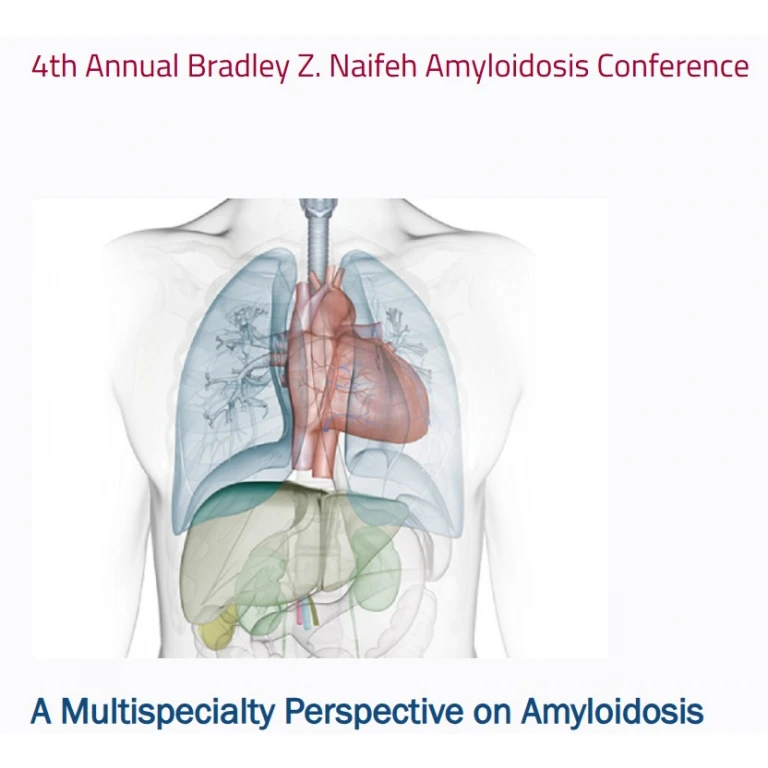
Houston Methodist 4th Annual Bradley Z. Naifeh Amyloidosis Conference 2026

$300.00 Original price was: $300.00.$10.00Current price is: $10.00.
This Product is shared via google drive download link, So please share your correct Gmail id while placing the order .Please note that there are no CME points or certificate associated with this course Samples for Courses Can be found here : Free Samples Here!
EXPRESS DISCOVER PayPal
Houston Methodist 4th Annual Bradley Z. Naifeh Amyloidosis Conference 2026
A Multispecialty Perspective on Amyloidosis
16 Expert Video Presentations + Subtitles | Approximately 5 Hours
Develop a comprehensive, multidisciplinary understanding of amyloidosis diagnosis, organ involvement, imaging, and treatment with the Houston Methodist 4th Annual Bradley Z. Naifeh Amyloidosis Conference 2026.
Presented by the Bradley Z. Naifeh Amyloidosis Clinical Research and Treatment Program at Houston Methodist J.C. Walter Jr. Transplant Center, this conference brings together specialists from multiple disciplines to address one of the most complex systemic diseases encountered in contemporary medicine.
The 2026 program provides focused education on:
- ATTR amyloidosis
- AL amyloidosis
- Cardiac amyloidosis
- Amyloidosis pathophysiology
- Early disease recognition
- Multisystem manifestations
- Musculoskeletal warning signs
- Neurologic involvement
- Renal involvement
- Cardiac imaging
- Amyloid subtype differentiation
- Disease monitoring
- TTR stabilizers
- TTR silencers
- Combination therapy
- AL amyloidosis treatment
- Multidisciplinary amyloidosis care
- Patient support and disease awareness
- Emerging therapeutic strategies
The MedicalAmboss package contains 16 video presentations with subtitle files, totaling approximately 5 hours of educational content.
Important Format Information
Package Includes
- 16 Expert Video Presentations
- Subtitle Files
- Approximately 5 Hours of Educational Content
- Downloadable Digital Files
- Offline Viewing After Download
Not Included
- No PDFs
- No Presentation Slides
- No Syllabus Files
- No Handouts
Important
This package contains VIDEOS + SUBTITLES ONLY.
Customers specifically requiring PDF slides, PowerPoint presentations, syllabus documents, or handouts should note that these materials are not included.
Conference Details
- Conference: 4th Annual Bradley Z. Naifeh Amyloidosis Conference
- Theme: A Multispecialty Perspective on Amyloidosis
- Provider: Houston Methodist
- Program: Bradley Z. Naifeh Amyloidosis Clinical Research and Treatment Program
- Center: Houston Methodist J.C. Walter Jr. Transplant Center
- Year: 2026
- Conference Dates: May 8–9, 2026
- Medical Professionals Day: May 9, 2026
- Location: Houston, Texas
- Venue: Houston Methodist Research Institute
- Video Files: 16
- Duration: Approximately 5 Hours
- Format: Videos + Subtitles
- PDFs / Slides: Not Included
- Language: English
Conference Overview
Amyloidosis is a group of diseases characterized by abnormal protein deposition in tissues and organs.
Its presentation can be subtle and highly variable because amyloid deposits may affect multiple systems, including the:
- Heart
- Peripheral nervous system
- Kidneys
- Musculoskeletal system
- Liver
- Gastrointestinal system
- Other organs and tissues
For this reason, diagnosis often requires collaboration between several specialties.
The Bradley Z. Naifeh Amyloidosis Conference 2026 uses a multispecialty approach to help clinicians recognize amyloidosis earlier, identify the type of amyloid disease, assess organ involvement, and understand contemporary treatment options.
Why Early Recognition Matters
Amyloidosis has historically been underrecognized because symptoms may initially resemble much more common diseases.
Patients can present with:
- Heart failure
- Cardiomyopathy
- Neuropathy
- Carpal tunnel syndrome
- Musculoskeletal abnormalities
- Proteinuria
- Renal dysfunction
- Fatigue
- Edema
- Orthostatic symptoms
- Other nonspecific findings
The clinical challenge is determining when these individual findings represent manifestations of a systemic amyloid disorder.
Earlier recognition can allow:
Appropriate Testing → Correct Amyloid Classification → Organ Assessment → Earlier Treatment
Major Types of Amyloidosis
The conference places particular emphasis on the two major clinically important forms:
ATTR Amyloidosis
Transthyretin amyloidosis involves misfolding and deposition of transthyretin protein.
ATTR may present with:
- Cardiomyopathy
- Heart failure
- Peripheral neuropathy
- Autonomic dysfunction
- Musculoskeletal manifestations
The program reviews the rapidly evolving understanding and treatment of ATTR disease.
AL Amyloidosis
Light-chain (AL) amyloidosis is associated with abnormal plasma-cell production of immunoglobulin light chains.
AL amyloidosis may involve:
- Heart
- Kidneys
- Nervous system
- Liver
- Gastrointestinal tract
- Other organs
Because treatment differs fundamentally from ATTR amyloidosis, accurate classification is critical.
Amyloidosis Types & Pathophysiology
The conference begins by establishing the biological foundations of amyloid disease.
Important concepts include:
- Amyloid proteins
- Protein misfolding
- Fibril formation
- Tissue deposition
- Organ dysfunction
- Major amyloid subtypes
- Systemic disease
- Clinical consequences
Understanding pathophysiology provides the framework for diagnosis and therapy.
TTR Amyloidosis – A Fast-Advancing Field
One of the central plenary themes is the rapidly evolving landscape of transthyretin amyloidosis.
The program examines ATTR across the disease spectrum rather than focusing only on advanced symptomatic cases.
Cardiac Amyloidosis: Stage A to Stage D
Arvind Bhimaraj, MD, MPH, FACC, FHFSA
The changing landscape of cardiac amyloidosis is reviewed from early disease risk through advanced cardiac involvement.
Important areas include:
- Early recognition
- Disease progression
- Cardiac phenotype
- Heart failure
- Clinical staging
- Diagnostic evaluation
- Contemporary treatment
- Advanced disease
Cardiac Amyloidosis
Amyloid infiltration of the myocardium can produce a restrictive cardiomyopathy and heart failure syndrome.
Clinical clues may include:
- Increased ventricular wall thickness
- Heart failure symptoms
- Diastolic dysfunction
- Low-voltage or discordant ECG findings
- Arrhythmias
- Conduction disease
- Exercise intolerance
- Edema
- Elevated cardiac biomarkers
Recognition requires integration of clinical, imaging, laboratory, and sometimes genetic information.
ATTR Pathobiology
Lorena Saelices Gomez, PhD
This session explores the biological mechanisms underlying transthyretin amyloidosis.
Topics include concepts related to:
- Transthyretin protein
- Protein stability
- Misfolding
- Amyloid fibril formation
- Tissue deposition
- Disease progression
- Therapeutic targets
Understanding the underlying biology helps explain why modern ATTR therapies target different stages of TTR production and stabilization.
Musculoskeletal Pathology as an Early Warning Sign
Shari Liberman, MD
An important feature of ATTR amyloidosis is that certain musculoskeletal manifestations can precede overt cardiac disease.
Clinicians should recognize that findings traditionally managed as isolated orthopedic problems may sometimes provide early clues to systemic amyloid disease.
Potential clinical associations can include:
- Carpal tunnel syndrome
- Tendon or ligament abnormalities
- Spinal disease
- Other musculoskeletal manifestations
This reinforces the value of multidisciplinary recognition.
Neurologic Manifestations of ATTR Amyloidosis
Sheetal Shroff, MBBS
ATTR amyloidosis can affect the nervous system and may present with:
- Peripheral neuropathy
- Sensory abnormalities
- Motor symptoms
- Autonomic dysfunction
- Orthostatic symptoms
- Gastrointestinal autonomic symptoms
- Other neurologic manifestations
The combination of neurologic and cardiac findings may be particularly important diagnostically.
AL Amyloidosis – The Disease We Cannot Ignore
The second major plenary session focuses on AL amyloidosis.
Unlike ATTR disease, AL amyloidosis is related to a plasma-cell disorder and requires a fundamentally different therapeutic strategy.
Early recognition is especially important because progressive organ dysfunction can occur rapidly.
AL Amyloidosis 2026
Plasma Cell Dyscrasia or a Distinct Disease Entity?
Raymond Comenzo, MD
This session examines contemporary concepts surrounding the relationship between:
- Plasma-cell disorders
- Monoclonal proteins
- Light chains
- Amyloid formation
- Systemic AL amyloidosis
It also highlights why simply identifying a monoclonal protein does not by itself establish the complete diagnosis.
Diagnosing AL vs. ATTR Amyloidosis
Correct amyloid typing is essential.
A structured evaluation may involve combinations of:
- Clinical phenotype
- Serum studies
- Urine studies
- Free light chains
- Imaging
- Nuclear imaging
- Tissue biopsy
- Pathology
- Genetic testing when appropriate
The objective is to determine not simply:
“Does this patient have amyloidosis?”
but:
“Which type of amyloidosis does this patient have?”
because treatment depends on the answer.
Cardiac Imaging in Amyloidosis
Imaging the Heart: Hope or Hype?
Sarah Cuddy, MBBCh BAO, MD, FACC, FASNC
Cardiovascular imaging plays a major role in the evaluation of suspected cardiac amyloidosis.
Relevant modalities can include:
- Echocardiography
- Cardiac MRI
- Nuclear imaging
- Multimodality imaging
Imaging may contribute to:
- Detection
- Characterization
- Amyloid subtype assessment
- Disease burden assessment
- Follow-up
- Treatment-response evaluation
Multimodality Cardiac Imaging
No single imaging modality answers every question.
A modern cardiac amyloidosis evaluation may integrate:
Echocardiography + Cardiac MRI + Nuclear Imaging + Laboratory Testing + Clinical Findings
The conference explores the strengths and limitations of imaging in distinguishing amyloid subtypes and monitoring therapy.
Renal Involvement in AL Amyloidosis
Horacio Adrogue, MD, FASN
Kidney disease is a major manifestation of AL amyloidosis.
Potential renal findings include:
- Proteinuria
- Nephrotic syndrome
- Reduced kidney function
- Fluid retention
- Progressive renal impairment
The nephrologist can therefore play a central role in recognizing and managing systemic amyloid disease.
Multidisciplinary Amyloidosis Care
Amyloidosis rarely belongs to a single specialty.
Patients may require coordinated management involving:
- Cardiology
- Hematology
- Neurology
- Nephrology
- Pulmonology
- Hepatology
- Pathology
- Radiology / Nuclear Cardiology
- Transplant teams
- Nursing
- Pharmacy
- Genetic counseling
- Rehabilitation and supportive care
A major message of the symposium is that teamwork is essential rather than optional.
Patient Perspective & Support
Amyloidosis is not solely a diagnostic and pharmacologic challenge.
Patients and families may need help with:
- Understanding the disease
- Navigating specialty care
- Treatment decisions
- Long-term monitoring
- Emotional support
- Connecting with other patients
- Accessing reliable information
The symposium includes discussion of amyloidosis patient-support organizations and pathways for connecting patients with resources.
Current Treatment of ATTR Amyloidosis
Stabilizers, Silencers & Combination Therapy
Mahwash Kassi, MD
Modern ATTR treatment is increasingly based on understanding the biology of transthyretin.
Therapeutic strategies can be grouped conceptually into:
TTR Stabilization
Designed to stabilize transthyretin and reduce dissociation and misfolding.
TTR Silencing
Designed to reduce production of transthyretin.
Combination Approaches
The rapidly evolving therapeutic landscape has generated interest in how different mechanisms might be used across selected patient populations.
TTR Stabilizers
TTR stabilizers target the stability of the transthyretin protein.
The therapeutic objective is to reduce processes that contribute to:
Protein Destabilization → Misfolding → Amyloid Formation
TTR Silencers
Gene-silencing approaches reduce hepatic production of transthyretin.
These therapies represent a major advancement in ATTR disease management and have expanded treatment options across selected phenotypes.
TTR Knockdown
The conference includes discussion and debate around aggressive reduction of transthyretin production and the biological role of TTR in human physiology.
This highlights a broader clinical question:
How much TTR suppression is desirable, and what are the potential implications of profound TTR reduction?
AL Amyloidosis Treatment Update 2026
Carrie Yuen, MD
Treatment of AL amyloidosis is directed primarily at suppressing the abnormal plasma-cell clone responsible for pathogenic light chains.
Management requires consideration of:
- Plasma-cell disease
- Organ involvement
- Cardiac risk
- Renal function
- Treatment tolerance
- Hematologic response
- Organ response
The therapeutic approach differs significantly from ATTR therapy.
Treatment Selection Based on Amyloid Type
This is one of the most important clinical concepts in the course.
ATTR
Therapies may target:
- TTR stabilization
- TTR production
- Other emerging biological pathways
AL
Therapy focuses primarily on:
- Plasma-cell-directed treatment
- Reducing pathogenic light-chain production
- Supporting affected organs
Correct amyloid typing must therefore occur before treatment selection.
Early Disease Recognition
One of the strongest themes of the conference is recognizing amyloid disease before irreversible organ damage develops.
Potential clues can arise from multiple specialties:
Cardiology
- Unexplained cardiomyopathy
- HFpEF phenotype
- Increased ventricular thickness
- Conduction disease
Neurology
- Peripheral neuropathy
- Autonomic dysfunction
Nephrology
- Proteinuria
- Nephrotic syndrome
Orthopedics
- Musculoskeletal abnormalities
- Carpal tunnel syndrome
Hematology
- Monoclonal protein
- Plasma-cell disorder
When these findings occur together, clinicians should consider a systemic explanation.
From Clinical Suspicion to Diagnosis
A practical diagnostic pathway may be summarized as:
Clinical Red Flags → Amyloidosis Suspected → Determine Organ Involvement → Determine Amyloid Type → Stage Disease → Select Therapy
This approach reduces the risk of treating amyloidosis as a collection of unrelated organ-specific disorders.
Major Topics Covered
- Amyloidosis
- ATTR Amyloidosis
- AL Amyloidosis
- Transthyretin Amyloidosis
- Light-Chain Amyloidosis
- Cardiac Amyloidosis
- Amyloid Cardiomyopathy
- Heart Failure
- Amyloidosis Pathophysiology
- TTR Pathobiology
- Amyloid Diagnosis
- Early Amyloidosis Recognition
- Amyloid Typing
- Cardiac Imaging
- Echocardiography
- Cardiac MRI
- Nuclear Cardiology
- Multimodality Imaging
- Peripheral Neuropathy
- Autonomic Neuropathy
- Musculoskeletal Manifestations
- Carpal Tunnel Syndrome
- Renal Amyloidosis
- Proteinuria
- Nephrotic Syndrome
- Plasma Cell Dyscrasias
- TTR Stabilizers
- TTR Silencers
- TTR Knockdown
- Combination Therapy
- AL Amyloidosis Treatment
- Multidisciplinary Amyloidosis Care
- Patient Support
Amyloidosis & Cardiology
Cardiology represents a major component of modern amyloidosis care because cardiac involvement strongly influences symptoms, staging, prognosis, and treatment decisions.
The program can help cardiologists improve recognition of patients whose apparent:
- HFpEF
- Hypertrophic phenotype
- Cardiomyopathy
- Conduction disease
- Arrhythmia
may reflect underlying amyloid infiltration.
Amyloidosis & Hematology
Hematologists are central to the evaluation and treatment of AL amyloidosis.
Important areas include:
- Monoclonal gammopathy
- Plasma-cell disease
- Free light chains
- Bone marrow evaluation
- Hematologic response
- Plasma-cell-directed therapy
Amyloidosis & Neurology
Neurological manifestations can be an important clue to ATTR disease.
The combination of:
Neuropathy + Autonomic Dysfunction + Cardiac Disease
should raise suspicion for a systemic disorder in appropriate clinical settings.
Amyloidosis & Nephrology
Renal involvement may be particularly prominent in AL amyloidosis.
Nephrologists may encounter patients before a systemic diagnosis has been established, making awareness of amyloid disease particularly important.
Amyloidosis & Musculoskeletal Medicine
Musculoskeletal manifestations can precede overt cardiac amyloidosis by years.
This makes orthopedic and musculoskeletal history potentially valuable when evaluating a patient for ATTR disease.
Multispecialty Perspective on Amyloidosis
The conference theme reflects one of the most important realities of amyloid medicine:
Amyloidosis Is a Systemic Disease
A patient may move through:
Orthopedics → Neurology → Cardiology → Nephrology → Hematology
before the underlying diagnosis is recognized.
Building awareness across specialties can shorten this diagnostic journey.
Who Should Take This Course?
The Houston Methodist Bradley Z. Naifeh Amyloidosis Conference 2026 is particularly relevant for:
- Cardiologists
- Heart Failure Specialists
- Hematologists
- Neurologists
- Nephrologists
- Pulmonologists
- Hepatologists
- Internal Medicine Physicians
- Nuclear Medicine Physicians
- Cardiovascular Imaging Specialists
- Transplant Physicians
- Transplant Coordinators
- Nurse Practitioners
- Nurses
- Social Workers
- Residents
- Fellows
- Trainees in relevant subspecialties
- Healthcare professionals caring for patients with amyloidosis
Why This Conference Is Useful
The main strength of the Bradley Z. Naifeh Amyloidosis Conference 2026 is its multispecialty approach.
Rather than teaching amyloidosis solely as a cardiac or hematologic disease, the program connects:
Pathophysiology → Early Red Flags → ATTR vs. AL → Organ Involvement → Imaging → Treatment → Multidisciplinary Care
Learners can use the program to:
- Improve early recognition of amyloidosis
- Differentiate ATTR from AL disease
- Review cardiac amyloidosis
- Understand TTR biology
- Recognize neurologic manifestations
- Identify musculoskeletal warning signs
- Review renal involvement
- Improve interpretation of cardiac imaging concepts
- Understand ATTR stabilizers
- Review TTR silencers
- Understand combination treatment concepts
- Update AL amyloidosis treatment knowledge
- Improve multispecialty care coordination
- Connect patients with support resources
Product / Delivery Information
- Product: Houston Methodist 4th Annual Bradley Z. Naifeh Amyloidosis Conference 2026
- Theme: A Multispecialty Perspective on Amyloidosis
- Provider: Houston Methodist
- Program: Bradley Z. Naifeh Amyloidosis Clinical Research and Treatment Program
- Year: 2026
- Dates: May 8–9, 2026
- Videos: 16
- Duration: Approximately 5 Hours
- Format: Videos + Subtitles Only
- PDFs: Not Included
- Slides: Not Included
- Handouts: Not Included
- Language: English
CME / Certificate Notice
The official Houston Methodist Medical Professionals Day offered continuing-education opportunities subject to official registration, participation, and Houston Methodist credit-claiming requirements.
The May 8 Patient and Caregiver Day was not certified for CE credit.
If this MedicalAmboss package consists of independently delivered videos and subtitle files, it should not be advertised as including official Houston Methodist CME/CE credit or a certificate unless official credit access is explicitly included.
The safest product wording is:
Videos + Subtitles Only – CME / Certificate Not Included
4. Short Description
Houston Methodist 4th Annual Bradley Z. Naifeh Amyloidosis Conference 2026 provides a multidisciplinary update on ATTR and AL amyloidosis, cardiac amyloidosis, early diagnosis, TTR pathobiology, musculoskeletal and neurologic manifestations, cardiac imaging, renal involvement, TTR stabilizers and silencers, combination therapy, and AL amyloidosis treatment.
Package: 16 Expert Video Presentations + Subtitles
Duration: Approximately 5 Hours
Dates: May 8–9, 2026
Format: Videos + Subtitles Only
PDFs / Slides / Handouts: Not Included
Ideal for cardiologists, hematologists, neurologists, nephrologists, pulmonologists, internal medicine physicians, transplant clinicians, nurses, fellows, and other professionals involved in amyloidosis care.
Topics & Runtime
- Amyloidosis Surveillance: MRI, PET, Biomarkers & MGUS — 06:22
- ATTR: TTR Silencers & TTR Knockdown — 10:24
- TTR Silencers & Gene Editing: Potential Risks — 08:54
- ATTR Management Challenges: Expert Q&A — 28:14
- AL Amyloidosis: Biology, Diagnosis & Challenges — 31:31
- AL Amyloidosis: Treatment & Cellular Therapies — 24:42
- Patient Advocacy & Support — 13:46
- Cardiac Amyloidosis: Expert Q&A — 16:46
- ATTR Treatment: Stabilizers, Silencers & Gene Editing — 24:20
- Imaging in Cardiac Amyloidosis — 16:42
- ATTR Structural Biology & Disease Progression — 26:24
- Cardiac Amyloidosis Across Stages A–D — 23:35
- AL vs ATTR & Other Systemic Amyloid Diseases — 12:08
- Kidney Involvement in AL Amyloidosis — 13:24
- Carpal Tunnel Syndrome & Systemic Amyloidosis — 18:50
- Neurologic ATTR & AL Amyloidosis — 19:20
Key Topics
AL Amyloidosis • ATTR Amyloidosis • Cardiac Amyloidosis • TTR Silencers • Gene Editing • Amyloid Imaging • PET & MRI • Biomarkers • Neuropathy • Renal Amyloidosis • MGUS • Cellular Therapies • Amyloidosis Transplantation • Early Detection
Target Audience
Cardiologists • Hematologists • Neurologists • Nephrologists • Pulmonologists • Hepatologists • Nurse Practitioners • Nurses • Transplant Coordinators • Fellows & Trainees
Format
Videos + Subtitle Files Only
⚠️ Please Note: This digital package does NOT include PDFs, presentation slides, syllabus files, or handouts.
| Select | Full course Videos+Qbank, Only Videos, Only Qbank |
|---|
Related products
Internal Medicine

Critical Care - Emergency medicine

Critical Care - Emergency medicine

Cardiology

Critical Care - Emergency medicine

Medical Accounts
Critical Care - Emergency medicine

Internal Medicine