
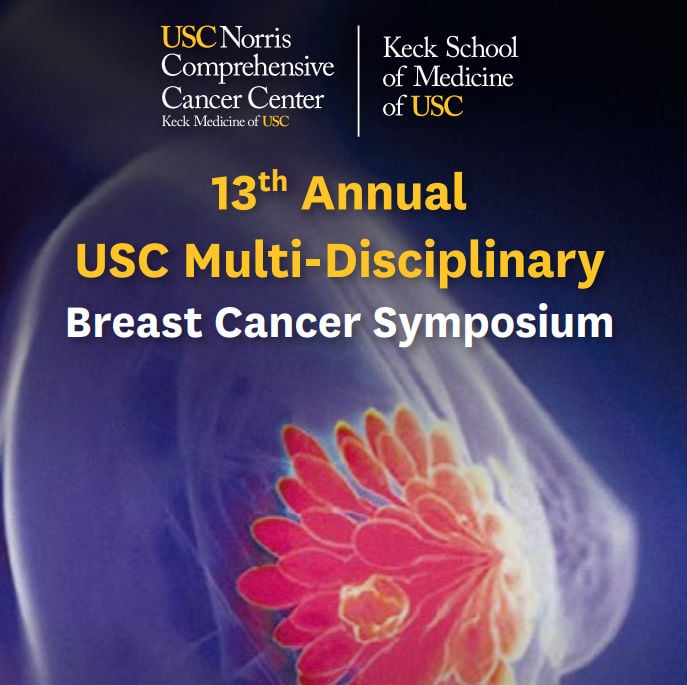
Keck USC 13th Annual USC Multidisciplinary Breast Cancer Symposium 2026
$20.00
USC Breast Cancer Symposium 2026 reviews diagnostic, surgical, systemic and radiation oncology approaches to multidisciplinary breast cancer care.
Delivery Information: This Product is shared via google drive download link. Please use your correct Gmail address at checkout.
Please note: there are no CME points or certificate associated with this course.
Samples for Courses Can be found here: Free Samples Here!
MedicalAmboss File Scope: This listing describes the educational subject matter for reference. Provider registration, live attendance, streaming-platform access, CME or other credit, certificates, memberships, apps, accounts, and publisher-hosted extras are not included unless they are explicitly listed as store files. MedicalAmboss.
USC Breast Cancer Symposium 2026
USC Breast Cancer Symposium 2026 | Multidisciplinary Breast Oncology | HER2-Positive Breast Cancer | Antibody-Drug Conjugates | ctDNA | Breast Cancer AI | Oncofertility | Axillary Surgery | Radiation Oncology
Information
The Keck USC 13th Annual USC Multidisciplinary Breast Cancer Symposium 2026 provides an advanced, multidisciplinary review of the rapidly evolving landscape of breast cancer diagnosis and management.
Presented by the Keck School of Medicine of the University of Southern California (USC), this educational symposium brings together specialists across breast surgical oncology, medical oncology, radiation oncology, breast imaging, pathology, reproductive medicine, and related disciplines to examine current evidence and emerging strategies in personalized breast cancer care.
The program reviews the current state-of-the-art in breast cancer management, highlighting the key components of multidisciplinary treatment, including oncofertility, breast pathology, surgical oncology, medical oncology, and radiation oncology.
Recent clinical advances have expanded treatment options and made individualized management increasingly important. Key developments addressed in the symposium include antibody-drug conjugates (ADCs), molecular detection of residual disease, circulating tumor DNA (ctDNA), de-escalation and downstaging of axillary surgery, resistance to endocrine therapy, artificial intelligence in breast cancer detection and diagnosis, HER2-directed therapy, and evolving radiation oncology strategies.
The program also addresses breast cancer considerations in patients receiving gender-affirming care and explores emerging understanding of androgen and glucocorticoid receptors in breast cancer biology.
Course Details
- Course: 13th Annual USC Multi-Disciplinary Breast Cancer Symposium
- Provider: Keck School of Medicine of USC
- University: University of Southern California
- Date: January 17, 2026
- Location: SLS Hotel, Beverly Hills, California
- Format: Multidisciplinary Breast Cancer Symposium
- Specialty: Breast Oncology
- CME: Up to 7.25 AMA PRA Category 1 Credits™ for participation in the original accredited live activity
- Language: English
Target Audience
This conference is designed for:
- Primary Care Physicians
- Medical Oncologists
- Radiation Oncologists
- Surgical Oncologists
- Breast Surgical Oncologists
- Breast Imaging Radiologists
- Diagnostic Radiologists
- Pathologists
- Reproductive Endocrinologists
- Infertility and Oncofertility Specialists
- Plastic and Reconstructive Surgeons
- Oncology Residents
- Oncology Fellows
- Oncology Nurses
- Advanced Practice Nurses
- Physician Assistants
- Radiation Therapists
- Allied Health Professionals involved in breast cancer care
It is particularly relevant for Surgical Oncologists (Breast Surgical Oncologists), Medical Oncologists, Radiation Oncologists, Breast Imaging Radiologists, Reproductive Endocrinologists (Infertility / Oncofertility Specialists), Plastic and Reconstructive Surgeons, Pathologists, and Primary Care Physicians.
Program Overview
Modern breast cancer treatment increasingly depends on integrating tumor biology, imaging, systemic therapy response, molecular diagnostics, patient preferences, fertility considerations, and local treatment strategies.
This symposium approaches breast cancer from a truly multidisciplinary perspective, examining how developments across different specialties affect treatment decisions.
Major areas of emphasis include:
- Novel diagnostic tools for breast cancer
- Artificial intelligence in breast imaging and diagnostics
- Circulating tumor DNA and molecular residual disease
- Antibody-drug conjugates
- HER2-directed therapies
- Endocrine therapy resistance
- Neoadjuvant and novel endocrine therapy
- Axillary surgical management
- Radiation therapy controversies
- Radiation oncology clinical trials
- Oncofertility and fertility preservation
- Breast cancer and gender-affirming care
- Emerging hormone receptor biology
- Personalized breast cancer treatment
Learning Objectives
By the end of the course, participants will be able to:
- Understand the role of novel diagnostic tools for breast cancer including ctDNA and AI.
- Assess the risk of breast cancer in patients undergoing gender-affirming care.
- Explain the importance of fertility preservation during breast cancer treatment.
- Discuss appropriate use of ADCs and HER2-directed therapies.
- Identify the controversies regarding the role of radiation therapy in DCIS.
- Assess decision-making process in surgical management of the axilla.
- Incorporate the evolving role of clinical trials in radiation therapy.
- Define the role of neoadjuvant and novel endocrine therapy.
- Recognize an evolving role of Androgen and Glucocorticoid Receptors in breast cancer.
Major Topics Covered
Artificial Intelligence in Breast Cancer Detection and Diagnosis
Artificial intelligence is increasingly being investigated and incorporated into breast imaging and diagnostic workflows.
The symposium examines evolving applications of AI in breast cancer detection and diagnostics and considers how these tools may influence:
- Mammographic interpretation
- Imaging assessment
- Cancer detection
- Diagnostic workflows
- Risk evaluation
- Clinical decision-making
The increasing use of AI highlights the importance of combining emerging technology with clinical and radiologic expertise.
Circulating Tumor DNA and Molecular Residual Disease
The detection of circulating tumor DNA (ctDNA) after breast cancer treatment is emerging as an important research area for identifying molecular residual disease.
The symposium explores the potential role of blood-based molecular testing in:
- Detecting residual disease
- Evaluating recurrence risk
- Identifying molecular evidence of disease before conventional clinical recurrence
- Prognostic assessment
- Future treatment selection and surveillance strategies
This area represents an important component of precision oncology and individualized post-treatment monitoring.
Antibody-Drug Conjugates in Breast Cancer
Antibody-drug conjugates (ADCs) have significantly expanded systemic treatment options for breast cancer.
The symposium reviews appropriate clinical use of ADCs and examines their evolving role within modern breast oncology.
Discussion includes treatment selection based on:
- Tumor biology
- HER2 expression
- Previous treatment
- Disease setting
- Therapeutic response
- Toxicity considerations
ADCs represent an increasingly important strategy for delivering potent anticancer agents to tumor cells while attempting to reduce systemic exposure.
HER2-Directed Therapy
The HER2 therapeutic landscape continues to evolve rapidly.
The symposium examines emerging strategies targeting the HER2 axis, including treatment approaches for patients with different patterns of HER2 expression.
Major areas of interest include:
- HER2-positive breast cancer
- Targeted systemic treatment
- Antibody-drug conjugates
- Treatment sequencing
- Resistance
- Individualized therapy
- Emerging HER2-directed strategies
Surgical Management of the Axilla
Axillary management has undergone substantial change as systemic therapy improves and clinical trials support more individualized surgical approaches.
The symposium examines decision-making surrounding:
- Sentinel lymph node assessment
- Axillary staging
- Response to neoadjuvant therapy
- Axillary downstaging
- Avoidance of unnecessary surgery
- Patient selection for more limited axillary treatment
- Coordination between surgery and radiation therapy
The goal is to maintain oncologic effectiveness while reducing treatment-related morbidity whenever clinically appropriate.
Neoadjuvant Therapy and Surgical Decision-Making
Modern systemic therapy can significantly alter surgical planning.
The symposium considers how response to neoadjuvant treatment influences:
- Breast surgery
- Axillary surgery
- Pathologic evaluation
- Adjuvant systemic treatment
- Radiation treatment decisions
This reflects the increasing integration of systemic and local therapy in personalized breast cancer management.
Endocrine Therapy
Endocrine therapy remains fundamental for hormone receptor-positive breast cancer.
The program explores:
- Neoadjuvant endocrine therapy
- Adjuvant endocrine therapy
- Emerging endocrine strategies
- Endocrine resistance
- Treatment selection
- Novel therapeutic approaches
Increasing understanding of resistance pathways is contributing to more individualized treatment of hormone receptor-positive disease.
Androgen Receptors in Breast Cancer
The androgen receptor (AR) is an evolving area of research in breast cancer biology.
The symposium addresses the potential clinical relevance of androgen receptor signaling and how greater understanding of additional hormone pathways may contribute to future classification and treatment strategies.
Glucocorticoid Receptors in Breast Cancer
The role of glucocorticoid receptors in breast cancer represents another emerging field.
Discussion focuses on evolving evidence regarding receptor biology and its potential implications for:
- Tumor behavior
- Treatment response
- Resistance mechanisms
- Future therapeutic development
Radiation Therapy in DCIS
The role of radiation therapy following treatment of ductal carcinoma in situ (DCIS) continues to generate important clinical discussion.
The symposium reviews controversies surrounding:
- Patient selection
- Recurrence risk
- Benefits of radiation
- Treatment omission
- Risk-adapted approaches
- Individualized decision-making
Clinical Trials in Radiation Oncology
Radiation therapy continues to evolve through prospective clinical investigation.
The symposium reviews the role of clinical trials in areas such as:
- Treatment de-escalation
- Fractionation
- Patient selection
- Treatment fields
- Integration with systemic therapy
- Individualized radiotherapy
These developments aim to preserve disease control while reducing unnecessary treatment burden and toxicity.
Personalized Radiation Therapy
Modern radiation oncology increasingly uses risk stratification and clinical trial data to determine the most appropriate treatment intensity.
Potential strategies may include:
- Shorter treatment schedules
- Reduced treatment volumes
- Selective omission of radiation
- Integration with systemic therapy
- Individualized treatment according to recurrence risk
Oncofertility and Fertility Preservation
Fertility preservation is an important component of comprehensive care for many younger patients with breast cancer.
Treatment decisions involving chemotherapy, endocrine therapy, ovarian function, and treatment timing may significantly affect reproductive potential.
The symposium emphasizes collaboration between oncology and reproductive medicine to address:
- Fertility risk before cancer treatment
- Fertility-preservation options
- Timing of fertility interventions
- Ovarian function
- Future pregnancy considerations
- Patient counseling and shared decision-making
Breast Cancer and Gender-Affirming Care
The program addresses an increasingly relevant clinical area: assessment of breast cancer risk in individuals receiving or undergoing gender-affirming care.
Considerations may involve:
- Hormonal exposure
- Existing breast tissue
- Previous surgery
- Screening strategy
- Risk assessment
- Individualized counseling
This topic highlights the importance of evidence-based and individualized breast healthcare across diverse patient populations.
Breast Pathology
Accurate pathologic interpretation remains central to personalized breast cancer management.
Relevant factors may include:
- Histologic subtype
- Tumor grade
- Hormone receptor status
- HER2 status
- Treatment response
- Residual disease
- Biomarker interpretation
Pathology findings directly influence systemic, surgical, and radiation treatment decisions.
Breast Imaging
Breast imaging plays a central role throughout the continuum of breast cancer care.
The symposium integrates imaging considerations involving:
- Detection
- Diagnosis
- Preoperative evaluation
- Response assessment
- Surveillance
- AI-assisted interpretation
Collaboration between breast imagers, surgeons, oncologists, and pathologists supports more coordinated treatment planning.
Multidisciplinary Breast Cancer Management
A central theme of the symposium is that optimal breast cancer care requires coordination across specialties.
Modern management may involve:
Breast Surgical Oncology
Determining the appropriate extent of breast and axillary surgery.
Medical Oncology
Selecting systemic therapy according to tumor subtype, stage, biomarkers, previous therapy, and treatment response.
Radiation Oncology
Individualizing radiation indications, fields, techniques, and schedules.
Breast Imaging
Supporting detection, diagnosis, staging, treatment assessment, and surveillance.
Breast Pathology
Defining tumor subtype and biomarkers that guide personalized therapy.
Reproductive Endocrinology
Helping appropriate patients preserve fertility before and during cancer treatment planning.
Plastic and Reconstructive Surgery
Integrating reconstruction with oncologic surgery and radiation treatment plans when indicated.
Selected Faculty
The official 2026 symposium faculty included experts from USC and other major academic cancer centers, including:
- Eric L. Chang, MD, FASTRO
- Samer Alkassis, MD
- Sara B. Cartwright, DO
- Krithika Chennapan, MD
- Amanda Daoud, DO
- Gini Fleming, MD
- Charles E. Geyer Jr., MD
- William Gradishar, MD
- Kelly Hunt, MD
- Katherine E. McDaniel, MD
- Seyi Omeh, MD
- Lajos Pusztai, MD, DPhil
- Stephen F. Sener, MD
- Chirag Shah, MD
- Emily Siegel, MD
- Daphne Stewart, MD
- Mary W. Yamashita, MD
- Jason C. Ye, MD
Why This Symposium Is Relevant
Breast cancer treatment is changing rapidly as new systemic therapies, biomarkers, imaging technologies, and de-escalation strategies become available.
Clinicians increasingly need to integrate multiple factors when developing a treatment plan, including:
- Tumor biology
- Disease stage
- HER2 expression
- Hormone receptor status
- Molecular residual disease
- Response to neoadjuvant therapy
- Surgical morbidity
- Radiation requirements
- Fertility goals
- Patient preferences
- Emerging clinical trial evidence
The 13th Annual USC Multidisciplinary Breast Cancer Symposium 2026 brings these areas together in a single multidisciplinary educational program, making it particularly relevant for clinicians involved in breast cancer diagnosis, treatment, and survivorship care.
CME Information
The Keck School of Medicine of the University of Southern California is accredited by the Accreditation Council for Continuing Medical Education (ACCME) to provide continuing medical education for physicians.
The original live symposium was designated for a maximum of 7.25 AMA PRA Category 1 Credits™.
CME credit applies to eligible participation in the original accredited USC activity and should not be assumed to accompany independently distributed educational recordings or files.
Short Description
Keck USC 13th Annual USC Multidisciplinary Breast Cancer Symposium 2026 provides an advanced multidisciplinary update on contemporary breast cancer management, including antibody-drug conjugates, HER2-directed therapies, ctDNA and molecular residual disease, AI in breast cancer diagnostics, axillary surgery, endocrine therapy, radiation oncology trials, DCIS, oncofertility, and personalized breast cancer treatment.
Topics
-
Welcome and Opening Remarks (Eric L. Chang, MD and Lajos Pusztai, MD, D.Phil)
-
Session I (Moderator: Jason C. Ye, MD)
-
ctDNA for Breast Cancer (Lajos Pusztai, MD, D.Phil)
-
Evolving Use of Artificial Intelligence for Breast Cancer Detection and Diagnosis (Mary Yamashita, MD)
-
Case Presentation and Discussion (Claire Valburg, MD)
-
Breast Cancer Risk in Patients Undergoing Gender Affirming Surgery (Emily L. Siegel, MD)
-
Case Presentation and Discussion (Seyi Omeh, MD)
-
Fertility Considerations in Breast Cancer Patients (Katherine McDaniel, MD)
-
Case Presentation and Discussion (Amanda Daoud, DO)
-
-
Break
-
Session II (Moderator: Daphne Stewart, MD, MS)
-
Biomarkers for Antibody-Drug Conjugates (Samer Alkassis, MD, MS)
-
Update on HER2+-Directed Therapy in Early Breast Cancer (Charles E. Geyer, Jr., MD)
-
Case Presentation and Discussion (Krithika Chennapan, MD)
-
-
Lunch
-
Session III (Moderator: Eric L. Chang, MD)
-
Radiation Therapy I – Radiation Therapy for DCIS (Chirag Shah, MD)
-
Who Still Needs Surgical Staging of the Axilla? (Stephen F. Sener, MD)
-
Radiation Therapy II – Role of Regional Node Irradiation: NSABP B-51 (Jason C. Ye, MD)
-
Case Presentation and Discussion (Stephen F. Sener, MD)
-
-
Break
-
Session IV (Moderator: Stephen F. Sener, MD)
-
Neoadjuvant Endocrine Therapy (Kelly Hunt, MD)
-
Evolving Role of Androgen and Glucocorticoid Receptors in Breast Cancer (Gini Fleming, MD)
-
Novel Endocrine Agents in Development: Downregulating the Estrogen Receptor (William J. Gradishar, MD)
-
Case Presentation and Discussion (Sara Cartwright, DO)
-
-
Closing Remarks & Adjourn
Related products

Critical Care - Emergency medicine
The Brigham Board Review in Infectious Diseases Brigham and Women’s Hospital Board Review

Hematology / Oncology
Anesthesiology & pain medicine
Gulfcoast Ultrasound-Guided Regional Anesthesia : Upper Extremities

Internal Medicine