
Mayo Clinic Practical ECG Pearls – ECG Rhythm Update 2020


Original price was: $150.00.$25.00Current price is: $25.00.
This Product is shared via google drive download link, So please share your correct Gmail id while placing the order .Please note that there are no CME points or certificate associated with this course Samples for Courses Can be found here : Free Samples Here!
Mayo Clinic Practical ECG Pearls – ECG Rhythm Update 2020
Practical ECG Interpretation, Arrhythmia Recognition & Contemporary Cardiac Electrophysiology
Mayo Clinic Practical ECG Pearls – ECG Rhythm Update 2020 is a focused cardiovascular education program designed to strengthen electrocardiogram (ECG) interpretation skills and improve recognition of common and complex cardiac rhythm disorders. Led by renowned electrophysiologists and ECG experts from Mayo Clinic, this course provides a practical, case-based review of arrhythmias, conduction abnormalities, pacing, tachycardias, and emerging technologies impacting cardiovascular medicine.
Through expert lectures and real-world ECG examples, participants learn systematic approaches to rhythm analysis, differential diagnosis of arrhythmias, identification of life-threatening ECG findings, and the clinical application of ECG interpretation in everyday practice.
The program also explores the growing role of artificial intelligence and big data analytics in modern cardiovascular care, offering a glimpse into the future of ECG interpretation and cardiac diagnostics.
Course Overview
Electrocardiography remains one of the most valuable and widely used diagnostic tools in cardiovascular medicine. Accurate ECG interpretation is essential for diagnosing arrhythmias, conduction disorders, ischemic heart disease, structural heart disease, and many other cardiovascular conditions.
This practical review course delivers concise, high-yield education aimed at clinicians seeking to improve their ECG interpretation skills while staying current with contemporary electrophysiology concepts and emerging technologies.
Faculty utilize real ECG tracings, case discussions, and clinical pearls to simplify complex rhythm disorders and improve diagnostic confidence.
Learning Objectives
Upon completion of this course, participants will be able to:
- Interpret common and complex ECG abnormalities.
- Differentiate various forms of tachycardia using systematic ECG analysis.
- Recognize atrial fibrillation, atrial flutter, and other supraventricular arrhythmias.
- Identify conduction abnormalities and pacing rhythms.
- Diagnose ECG manifestations of structural and ischemic heart disease.
- Apply ECG findings to clinical decision-making.
- Evaluate wide-complex tachycardias and their differential diagnoses.
- Understand current concepts in cardiac electrophysiology.
- Explore the role of artificial intelligence in ECG analysis and cardiovascular medicine.
- Improve confidence in rhythm interpretation and arrhythmia management.
Course Content
ECG Pearls: Wide Complex Tachycardia
Stephen C. Hammill, MD
- Differential diagnosis of wide complex tachycardia
- Ventricular tachycardia recognition
- Supraventricular tachycardia with aberrancy
- ECG diagnostic algorithms
- Clinical management considerations
Learning from the ECG: Atrial Fibrillation, Flutter and Others
Stephen C. Hammill, MD
- Atrial fibrillation interpretation
- Atrial flutter recognition
- Supraventricular arrhythmias
- Clinical implications of atrial rhythm disorders
- Rate and rhythm management considerations
ECG Insights: SVT, Conduction, Pacing, etc.
Stephen C. Hammill, MD
- Supraventricular tachycardia (SVT)
- AV conduction abnormalities
- Bundle branch blocks
- Pacemaker ECG interpretation
- Advanced rhythm recognition
ECG for the Clinician: Diagnosing Heart Disease
Stephen C. Hammill, MD
- ECG clues to structural heart disease
- Ischemic heart disease diagnosis
- Chamber enlargement patterns
- Hypertrophy recognition
- Clinical application of ECG findings
ECG Review
Fred Kusumoto, MD
- Comprehensive ECG review
- Board-style interpretation pearls
- Clinical case discussions
- High-yield ECG concepts
Artificial Intelligence: Big Data in Cardiovascular Medicine
Paul A. Friedman, MD
- Artificial intelligence in cardiology
- Machine learning applications
- Big data analytics
- Future of ECG interpretation
- Digital cardiovascular healthcare
Key Topics Covered
Cardiac Arrhythmias
- Atrial fibrillation
- Atrial flutter
- Supraventricular tachycardia (SVT)
- Ventricular tachycardia (VT)
- Wide complex tachycardias
- Bradyarrhythmias
Conduction Disorders
- AV block
- Bundle branch block
- Fascicular block
- Intraventricular conduction delays
Cardiac Pacing
- Pacemaker rhythms
- Device interpretation
- Pacing abnormalities
Ischemic Heart Disease
- Acute coronary syndrome ECG findings
- Myocardial infarction patterns
- Ischemia recognition
Structural Heart Disease
- Chamber enlargement
- Ventricular hypertrophy
- Cardiomyopathy ECG findings
Artificial Intelligence in Cardiology
- AI-assisted ECG interpretation
- Predictive analytics
- Big data applications
- Future cardiovascular technologies
Who Should Attend?
This course is ideal for:
- Cardiologists
- Electrophysiologists
- Internal Medicine Physicians
- Family Medicine Physicians
- Emergency Medicine Physicians
- Hospitalists
- Critical Care Physicians
- Cardiology Fellows
- Internal Medicine Residents
- Nurse Practitioners
- Physician Assistants
- Medical Students interested in cardiology
Why This Course Stands Out
✔ Mayo Clinic faculty expertise
✔ Practical ECG interpretation focus
✔ High-yield arrhythmia recognition
✔ Wide complex tachycardia review
✔ Atrial fibrillation and flutter updates
✔ Conduction and pacing ECG interpretation
✔ Clinical case-based teaching
✔ Artificial intelligence in cardiovascular medicine
✔ Ideal for board review and clinical practice
✔ Concise and clinically relevant format
Related products

Internal Medicine
Critical Care - Emergency medicine
Critical Care - Emergency medicine
The Brigham Board Review in Infectious Diseases Brigham and Women’s Hospital Board Review
Critical Care - Emergency medicine
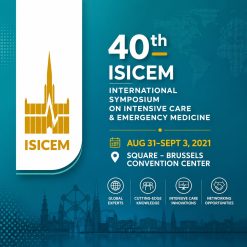
40th ISICEM International Symposium on Intensive Care & Emergency Medicine 2021

Critical Care - Emergency medicine
Medical Accounts

USMLE / kaplan and Board Review
Uworld USMLE COMLEX Level 1 Qbank, Updated Jan 2023, System- and Subject-wise (PDF)