
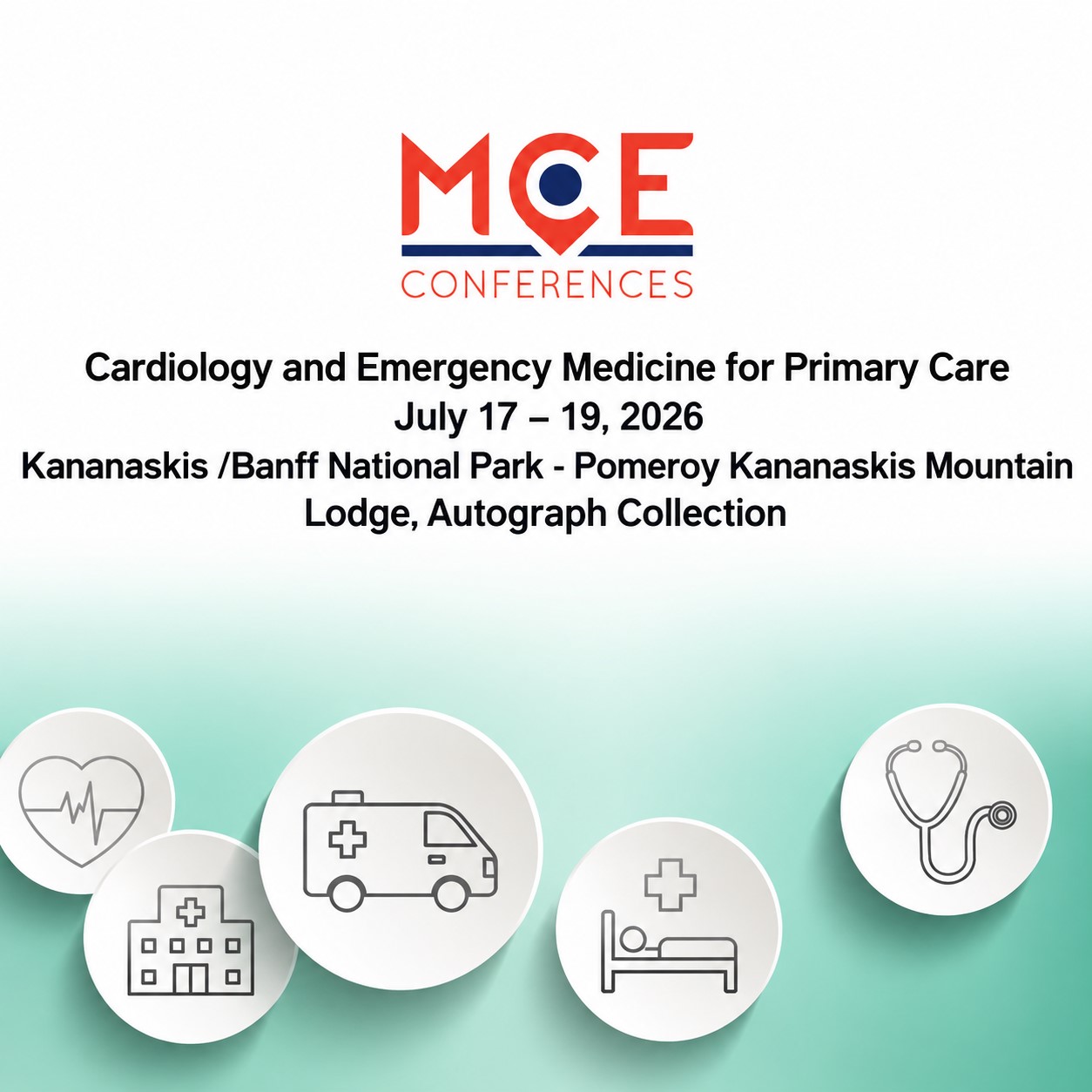
MCE Conferences Cardiology and Emergency Medicine for Primary Care Jul 17, 2026 – Jul 19, 2026
Original price was: $999.00.$125.00Current price is: $125.00.
This Product is shared via google drive download link, So please share your correct Gmail id while placing the order .Please note that there are no CME points or certificate associated with this course Samples for Courses Can be found here : Free Samples Here!
MCE Conferences Cardiology & Emergency Medicine for Primary Care 2026 (Videos)
Evidence-Based Primary Care CME | Cardiology, Emergency Medicine, Hypertension, ACS, Heart Failure & ECG Interpretation
Stay current with the latest advances in cardiovascular and emergency medicine through MCE Conferences Cardiology & Emergency Medicine for Primary Care 2026, a comprehensive continuing medical education (CME) program designed to help primary care clinicians confidently recognize, diagnose, and manage common cardiovascular and emergency conditions encountered in outpatient practice.
Held July 17–19, 2026, at the Pomeroy Kananaskis Mountain Lodge, Autograph Collection, near Banff National Park, this discussion-based conference combines expert-led lectures, case-based learning, and practical workshops to strengthen clinical decision-making and improve patient outcomes.
Product Details
- Course: Cardiology & Emergency Medicine for Primary Care 2026
- Provider: MCE Conferences
- Conference Dates: July 17–19, 2026
- Location: Kananaskis / Banff National Park, Alberta, Canada
- Format: Videos
- Language: English
- Educational Level: Intermediate to Advanced
- Learning Format: Expert Lectures, Case-Based Discussions, Interactive Workshops
Course Overview
Cardiovascular disease and emergency presentations remain among the most common and potentially life-threatening conditions encountered in primary care. Timely recognition, evidence-based treatment, and appropriate referral decisions are essential for improving patient outcomes and preventing avoidable complications.
Cardiology & Emergency Medicine for Primary Care 2026 provides a practical review of contemporary management strategies for hypertension, acute coronary syndromes, atrial fibrillation, heart failure, hyperlipidemia, syncope, hyperglycemic emergencies, and other urgent medical conditions frequently encountered in ambulatory care.
Participants will learn current guideline-based approaches through real-world clinical cases, practical diagnostic algorithms, ECG interpretation, and evidence-based treatment strategies designed for immediate implementation in everyday practice.
What You’ll Learn
After completing this course, participants will be able to:
- Diagnose and manage hypertension using current pathophysiologic principles.
- Recognize resistant hypertension and evaluate secondary causes.
- Interpret ECG findings requiring urgent evaluation or emergency referral.
- Apply guideline-directed therapy for heart failure and atrial fibrillation.
- Identify life-threatening emergency presentations commonly seen in primary care.
- Differentiate hyperglycemic emergencies requiring immediate intervention.
- Improve diagnostic accuracy through evidence-based clinical assessment.
Comprehensive Topics Covered
Hypertension
Optimize blood pressure management.
Topics include:
- Essential hypertension
- Resistant hypertension
- Secondary hypertension
- Renin-angiotensin-aldosterone system (RAAS)
- Antihypertensive therapy
- Blood pressure control
- Cardiovascular prevention
Acute Coronary Syndromes & ECG
Strengthen emergency cardiac diagnosis.
Topics include:
- Acute coronary syndrome (ACS)
- ECG interpretation
- STEMI
- NSTEMI
- Ischemic ECG changes
- Emergency referral
- Chest pain evaluation
Atrial Fibrillation
Update anticoagulation strategies.
Topics include:
- Atrial fibrillation
- Stroke prevention
- Novel oral anticoagulants (NOACs)
- Bleeding risk
- Rate control
- Rhythm management
- Clinical decision-making
Heart Failure
Implement guideline-directed therapy.
Topics include:
- Heart failure
- Guideline-directed medical therapy (GDMT)
- RAAS inhibitors
- Beta-blockers
- BNP interpretation
- Chronic heart failure
- Outpatient management
Lipid Management
Review contemporary cardiovascular prevention.
Topics include:
- Hyperlipidemia
- PCSK9 inhibitors
- Combination lipid therapy
- Cardiovascular risk assessment
- Cholesterol management
- Prevention strategies
- Evidence-based treatment
Coronary Artery Disease
Recognize complex cardiovascular disorders.
Topics include:
- Microvascular coronary disease
- Spontaneous coronary artery dissection (SCAD)
- Coronary syndromes
- Diagnostic evaluation
- Risk assessment
- Clinical management
Emergency Medicine
Recognize high-risk presentations.
Topics include:
- Syncope
- Emergency referrals
- Orthostatic hypotension
- Abdominal emergencies
- Neck pain
- Back pain
- Diagnostic red flags
Hyperglycemic Emergencies
Improve acute metabolic management.
Topics include:
- Hyperglycemia
- Diabetic ketoacidosis (DKA)
- Hyperosmolar hyperglycemic state (HHS)
- Hypoglycemia
- Emergency treatment
- Referral criteria
- Clinical evaluation
ENT & Dental Emergencies
Recognize urgent outpatient conditions.
Topics include:
- Severe sore throat
- Epistaxis
- Dental infections
- Airway risk
- Emergency assessment
- Clinical management
Learning Objectives
Upon completion of this educational activity, participants will be able to:
- Explain the pathophysiology of essential hypertension and implement treatment strategies based on RAAS physiology.
- Recognize resistant hypertension, investigate secondary causes, and perform appropriate clinical evaluations.
- Identify typical and atypical ECG findings associated with acute coronary syndromes and other conditions requiring emergency referral.
- Recognize emergent spinal, vascular, and infectious causes of neck and back pain through focused history and physical examination.
- Diagnose subtle abdominal emergencies while recognizing diagnostic challenges in elderly patients.
- Apply evidence-based anticoagulation strategies for atrial fibrillation while balancing thromboembolic and bleeding risks.
- Incorporate PCSK9 inhibitors and newer lipid-lowering therapies into cardiovascular risk reduction strategies.
- Implement guideline-directed medical therapy for heart failure, including RAAS inhibitors, beta-blockers, and BNP interpretation.
- Diagnose and manage microvascular coronary artery disease and spontaneous coronary artery dissection.
- Differentiate diabetic ketoacidosis (DKA), hyperosmolar hyperglycemic state (HHS), uncomplicated hyperglycemia, and hypoglycemia while recognizing indications for emergency referral.
- Evaluate patients presenting with syncope, interpret high-risk ECG findings, and understand the clinical utility of orthostatic vital signs.
Educational Highlights
- Cardiology
- Emergency Medicine
- Primary Care
- Hypertension
- Resistant Hypertension
- Secondary Hypertension
- Acute Coronary Syndrome (ACS)
- ECG Interpretation
- Atrial Fibrillation
- Anticoagulation
- Heart Failure
- Hyperlipidemia
- PCSK9 Inhibitors
- Syncope
- DKA
- HHS
- Hypoglycemia
- Abdominal Emergencies
- Evidence-Based Medicine
- Continuing Medical Education (CME)
Why This Course Stands Out
MCE Conferences Cardiology & Emergency Medicine for Primary Care 2026 delivers practical, guideline-based education focused on conditions most frequently encountered in outpatient medicine. By integrating cardiovascular medicine with emergency care, the program helps clinicians recognize time-sensitive diagnoses, initiate appropriate treatment, and determine when urgent referral is required—ultimately improving patient safety and clinical outcomes.
Target Audience
This educational activity is ideal for:
- Primary Care Physicians
- Family Medicine Physicians
- Internal Medicine Physicians
- Cardiologists
- Emergency Medicine Physicians
- Hospitalists
- Nurse Practitioners
- Physician Assistants
- Residents
- Fellows
- Healthcare Professionals seeking practical cardiovascular and emergency medicine updates
Why Choose This Course?
Whether you’re evaluating chest pain, managing hypertension, interpreting ECGs, or recognizing medical emergencies in the outpatient setting, MCE Conferences Cardiology & Emergency Medicine for Primary Care 2026 provides evidence-based guidance you can immediately apply in clinical practice. Through expert instruction, interactive case discussions, and practical management strategies, participants gain greater confidence in diagnosing and treating both common and high-risk cardiovascular and emergency conditions.
Topics
-
Approach to the Treatment of Essential Hypertension: Discuss the underlying pathophysiology of essential hypertension; Outline a reasonable treatment approach to essential hypertension based on pathophysiologic principles; Appreciate the role of the renin-angiotensin and aldosterone system in control of blood pressure.
-
Resistant Hypertension: Review the definition of resistant hypertension; Outline the common causes of secondary hypertension; Suggest a reasonable evaluation for patients with resistant hypertension.
-
Nightmare ENT Emergencies: Discuss worrisome causes of sore throat that may present to a clinic; Discuss updates in the management of epistaxis; Recognize when to worry about dental infections.
-
Subtle ECG Findings You Can’t Miss!: Discuss typical and atypical ECG findings for ACS; Discuss other ECG diagnoses that need further workup or referral to the emergency department.
-
Deadly Neck and Back Pain You Don’t Want to Miss: Discuss presentations of emergent spinal, vascular, and infectious causes of neck and back pain; Recognize important history and physical elements in order to minimize missing emergent causes of neck and back pain.
-
Deadly Abdominal Disasters: Describe subtle presentations of abdominal emergencies; Underline important history and physical exam findings in abdominal emergencies; Illustrate the diagnostic challenges in the elderly with abdominal pain.
-
Atrial Fibrillation and the New Anticoagulants: Review the indications for anticoagulation for patients with atrial fibrillation; Develop a deeper understanding of the use of new novel anticoagulants and their bleeding risks; Outline a rational approach to the treatment of atrial fibrillation.
-
Novel Lipid-Lowering Agents Beyond Statin: Review PCSK9 therapy and newer medications for the treatment of hyperlipidemia; Discuss the role of risk in determining hyperlipidemia therapy; Outline management algorithms to determine when to use combination therapy for hyperlipidemia.
-
Approach to the Management of Heart Failure: Review guideline-directed medical therapy for patients with heart failure; Outline a practical approach for the optimal use of RAS blockers and beta blockers in heart failure; Discuss the role of BNP as a guide to optimal heart failure therapy.
-
Microvascular Coronary Artery Disease: Discuss the prevalence and presentation of microvascular coronary artery disease; Review the presentation and management of spontaneous coronary artery dissection; Outline a treatment management plan for patients with microvascular disease.
-
Pour Some Sugar on Me: Diabetic Emergencies: Identify when hyperglycemic patients require referral to the emergency department; Differentiate diabetic ketoacidosis (DKA) and hyperosmolar hyperglycemic state (HHS) from simple hyperglycemia using updated diagnostic criteria; Diagnose and manage hypoglycemia.
-
Syncope Killers You Need to Know!: Identify emergent conditions that can present with syncope; Recognize ECG findings for syncope that warrant emergency department referral; Discuss the utility of orthostatic vital signs in syncope.
Related products
Critical Care - Emergency medicine
2022 ISICEM International Symposium on Intensive Care & Emergency Medicine


Medical Accounts

Critical Care - Emergency medicine

Critical Care - Emergency medicine

Critical Care - Emergency medicine

Internal Medicine
Medical Accounts