
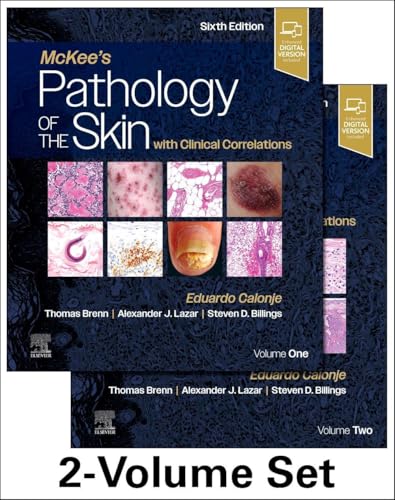
McKee’s Pathology of the Skin, 2 Volume Set, 6th edition (EPUB)

Original price was: $349.99.$50.00Current price is: $50.00.
McKee’s Skin Pathology 6th Edition EPUB covers inflammatory, neoplastic and molecular dermatopathology across a two-volume reference.
Delivery Information: This Product is shared via google drive download link. Please use your correct Gmail address at checkout.
Please note: there are no CME points or certificate associated with this course.
Samples for Courses Can be found here: Free Samples Here!
MedicalAmboss File Scope: This listing describes the educational subject matter for reference. Provider registration, live attendance, streaming-platform access, CME or other credit, certificates, memberships, apps, accounts, and publisher-hosted extras are not included unless they are explicitly listed as store files. MedicalAmboss.
McKee’s Skin Pathology 6th Edition EPUB
McKee’s Pathology of the Skin 6th Edition | Dermatopathology | Skin Pathology | Melanoma Pathology | Inflammatory Skin Disease | Cutaneous Tumors | Molecular Dermatopathology | EPUB
Information
McKee’s Pathology of the Skin, 2 Volume Set, 6th Edition (EPUB) is a comprehensive reference in dermatopathology, integrating detailed histopathology with clinical dermatology to support accurate diagnosis of inflammatory, infectious, neoplastic, genetic, and other disorders of the skin.
Edited by J. Eduardo Calonje, MD, DipRCPath; Thomas Brenn, MD, PhD, FRCPath; Alexander J. Lazar, MD, PhD; and Steven D. Billings, MD, this extensively revised sixth edition combines authoritative pathological descriptions with clinical correlations, molecular findings, differential diagnosis, and thousands of high-quality histopathologic and clinical illustrations.
The reference is particularly valuable for dermatopathologists and general pathologists who routinely interpret skin biopsies, as well as dermatologists seeking deeper correlation between clinical presentation and microscopic findings.
Product Details
- Title: McKee’s Pathology of the Skin
- Edition: 6th Edition
- Format: EPUB / eBook
- Volumes: 2
- Editors: J. Eduardo Calonje, Thomas Brenn, Alexander J. Lazar, Steven D. Billings
- Publisher: Elsevier
- Publication Year: 2026
- Copyright Year: 2027 for the eBook listing
- eBook Length: Approximately 2000 pages
- Illustrations: More than 5,000 clinical and histopathologic images
- Language: English
- Specialty: Dermatopathology / Pathology / Dermatology
Elsevier’s official sixth-edition record confirms the editors and provides the publisher’s table of contents. Publisher platform features are separate from the store’s EPUB file.
Target Audience
This reference is particularly relevant for:
- Dermatopathologists
- General Pathologists
- Dermatologists
- Surgical Pathologists
- Anatomic Pathologists
- Pathology Residents
- Dermatology Residents
- Dermatopathology Fellows
- Cutaneous Oncology Specialists
- Molecular Pathologists
- Laboratory Physicians interpreting skin biopsies
- Clinicians managing complex dermatologic disease
Program Overview
McKee’s Pathology of the Skin is distinguished by integrating clinical dermatology and histopathology within the same reference.
The sixth edition reviews:
- Etiology
- Pathogenesis
- Clinical manifestations
- Histopathologic findings
- Differential diagnosis
- Molecular pathology
- Immunohistochemistry
- Genetic abnormalities
- Targeted therapy
- Personalized medicine
This format is designed to help readers correlate how a skin disorder appears clinically with how it appears microscopically.
Key Learning Areas
The reference supports advanced review of:
- Inflammatory skin disorders
- Infectious dermatopathology
- Cutaneous neoplasms
- Melanocytic lesions
- Melanoma
- Lymphoproliferative disorders
- Adnexal tumors
- Connective tissue tumors
- Genetic skin disease
- Hair and nail pathology
- Molecular diagnostics
- Immunohistochemistry
- Next-generation sequencing
- Differential diagnosis of skin biopsies
Major Topics Covered
Inflammatory Skin Diseases
The sixth edition provides extensive coverage of inflammatory dermatologic disorders.
Important areas include:
- Pattern recognition
- Epidermal changes
- Dermal inflammation
- Interface reactions
- Spongiotic patterns
- Psoriasiform patterns
- Vesiculobullous disorders
- Granulomatous disease
- Vasculitic processes
Clinical correlation is integrated with histopathological findings to support more accurate diagnosis.
Infectious Diseases of the Skin
Cutaneous infections may mimic inflammatory or neoplastic disease.
The reference reviews infectious pathology involving:
- Bacterial disease
- Viral disease
- Fungal infections
- Parasitic infections
- Opportunistic infections
Morphology, organism identification, ancillary testing, and differential diagnosis are emphasized.
Melanocytic Nevi and Melanoma
One of the most important sections of the sixth edition is its extensively revised coverage of melanocytic nevi and melanoma.
The melanoma material reflects major advances in:
- Molecular classification
- Cancer biology
- Tumor progression
- Genetic alterations
- Targeted therapy
- Personalized treatment
- Diagnostic biomarkers
Elsevier specifically highlights the substantially revised melanoma chapter as reflecting recent changes in cancer research and targeted therapeutic development.
Cutaneous Tumors
The reference provides comprehensive coverage of benign and malignant skin tumors.
Areas include:
- Surface epithelial tumors
- Melanocytic tumors
- Adnexal tumors
- Connective tissue tumors
- Lymphoid neoplasms
- Metastatic disease
- Rare cutaneous tumors
Tumors of the Surface Epithelium
This section addresses epithelial lesions and malignancies of the skin.
Important concepts include:
- Histologic architecture
- Cytologic atypia
- Invasion
- Differential diagnosis
- Prognostic features
- Ancillary testing
Cutaneous Lymphoproliferative Disorders
The sixth edition includes dedicated coverage of cutaneous lymphoproliferative diseases and related disorders.
Diagnosis in this area often requires integration of:
- Morphology
- Immunophenotype
- Clinical presentation
- Molecular testing
- Systemic findings
Cutaneous Metastases and Paget Disease
The book covers metastatic tumors involving the skin and Paget disease.
This includes recognition of unusual skin presentations of internal malignancy and appropriate use of immunohistochemical markers.
Tumors of the Hair Follicle
Hair follicle tumors can have overlapping morphology and may require careful distinction between benign and malignant lesions.
The reference provides detailed clinicopathologic correlation and differential diagnosis.
Sebaceous Tumors
Sebaceous lesions are discussed with attention to:
- Morphologic features
- Benign versus malignant distinction
- Associated syndromes
- Immunohistochemistry
- Differential diagnosis
Sweat Gland Tumors
The reference includes detailed coverage of tumors arising from eccrine and apocrine structures.
These can be among the most diagnostically challenging lesions in dermatopathology.
Cutaneous Cysts
Common and uncommon cutaneous cysts are reviewed with emphasis on:
- Lining epithelium
- Contents
- Anatomic location
- Clinical correlation
- Differential diagnosis
Connective Tissue Tumors
Soft tissue and connective tissue tumors of the skin are covered in depth.
Topics may include:
- Fibroblastic lesions
- Myofibroblastic tumors
- Vascular tumors
- Neural tumors
- Sarcomas
- Other mesenchymal lesions
Diseases of the Hair
The sixth edition includes dedicated coverage of hair disorders.
Histopathologic evaluation may help distinguish:
- Scarring alopecia
- Nonscarring alopecia
- Inflammatory hair disorders
- Genetic hair disease
- Follicular abnormalities
Diseases of the Nails
Nail pathology can be difficult because of specialized anatomy and limited biopsy specimens.
The reference reviews inflammatory, infectious, neoplastic, and other nail disorders.
Tumors of the Conjunctiva
The table of contents includes a dedicated chapter on tumors of the conjunctiva, reflecting the broader mucocutaneous diagnostic scope of the reference.
Sentinel Lymph Node Biopsies
The sixth edition includes coverage of sentinel lymph node pathology, an important area in staging selected cutaneous malignancies such as melanoma.
Topics may include:
- Specimen assessment
- Histologic evaluation
- Immunohistochemistry
- Micrometastatic disease
- Staging implications
Molecular Dermatopathology
Molecular Mechanisms of Disease
The sixth edition incorporates advances in molecular pathology throughout the text.
Modern dermatopathology increasingly uses molecular information to:
- Refine diagnosis
- Classify tumors
- Assess prognosis
- Identify therapeutic targets
- Resolve difficult differential diagnoses
Targeted Therapy
An important update is the expanded relationship between pathology and targeted treatment.
Understanding molecular alterations may directly influence therapeutic selection, particularly in cutaneous malignancies.
Personalized Medicine
Personalized medicine increasingly requires integration of morphology with:
- Genomic abnormalities
- Biomarkers
- Therapeutic targets
- Clinical phenotype
- Patient-specific risk factors
Next-Generation Sequencing
The sixth edition discusses the increasing use of next-generation sequencing and other molecular assays in dermatopathology.
These techniques can support diagnosis and characterization of challenging neoplastic and genetic disorders.
Immunohistochemistry
New and evolving antigens and antibodies are incorporated into tumor diagnosis and staging.
Immunohistochemical testing can help:
- Determine lineage
- Distinguish morphologically similar tumors
- Identify metastases
- Support melanoma diagnosis
- Classify lymphoid lesions
- Refine staging
Inflammatory Disease and Biologic Therapy
The sixth edition also discusses the expanding use of biologic therapies in inflammatory skin disease.
This reflects how modern dermatopathology increasingly interacts with therapeutic decision-making.
Understanding treatment mechanisms can help pathologists and dermatologists correlate:
- Disease biology
- Histologic pattern
- Treatment response
- Therapy-associated changes
Genetic Skin Disorders
The reference incorporates increasing knowledge of the molecular basis of inherited skin disease.
Advances in genetics have improved understanding of:
- Genodermatoses
- Epidermal disorders
- Connective tissue diseases
- Hair abnormalities
- Rare cutaneous syndromes
Rare Dermatological Conditions
The sixth edition expands recognition of uncommon skin diseases that may be encountered infrequently but pose significant diagnostic challenges.
Clinical-Pathological Correlation
A defining strength of McKee’s is its emphasis on combining clinical and microscopic findings.
For each disorder, readers can integrate:
- Clinical morphology
- Distribution
- Patient demographics
- Histopathology
- Immunohistochemistry
- Molecular findings
- Differential diagnosis
This integrated approach is especially valuable in difficult skin biopsy interpretation.
Differential Diagnosis
Differential diagnosis tables and structured lists help distinguish entities that share similar microscopic appearances.
These can be particularly useful for:
- Inflammatory patterns
- Spindle cell lesions
- Melanocytic lesions
- Adnexal tumors
- Lymphoid infiltrates
- Infectious mimics
Visual Learning
McKee’s Pathology of the Skin contains more than 5,000 histopathologic and clinical illustrations.
These images demonstrate variation in disease appearance and provide comparison between:
- Clinical morphology
- Low-power architecture
- High-power cytology
- Special stains
- Immunohistochemistry
The extensive image library is one of the core strengths of the reference.
Major Sections in the 6th Edition
Elsevier’s published table of contents includes major areas such as:
- Inflammatory skin disease
- Hair disease
- Nail disease
- Surface epithelial tumors
- Melanocytic nevi and melanoma
- Tumors of the conjunctiva
- Sentinel lymph node biopsies
- Cutaneous lymphoproliferative disease
- Cutaneous metastases and Paget disease
- Hair follicle tumors
- Sebaceous tumors
- Sweat gland tumors
- Cutaneous cysts
- Connective tissue tumors
- Animal models of skin disease
These chapters illustrate the broad diagnostic range of the two-volume reference.
Editors
J. Eduardo Calonje, MD, DipRCPath
Dr. J. Eduardo Calonje is Director of Diagnostic Dermatopathology at St John’s Institute of Dermatology, St Thomas’ Hospital, London.
Thomas Brenn, MD, PhD, FRCPath
Dr. Thomas Brenn is Professor of Pathology and Laboratory Medicine and Medicine at the Cumming School of Medicine, University of Calgary.
Alexander J. Lazar, MD, PhD
Dr. Alexander J. Lazar is associated with the Departments of Pathology and Dermatology and the Sections of Dermatopathology and Sarcoma Pathology at The University of Texas MD Anderson Cancer Center.
Steven D. Billings, MD
Dr. Steven D. Billings is associated with the Department of Anatomic Pathology at Cleveland Clinic.
Elsevier officially lists all four as editors of the sixth edition.
Why This Reference Is Relevant
Dermatopathology often requires integrating subtle microscopic findings with clinical information.
This reference is particularly valuable because it combines:
- Extensive clinical photographs
- High-quality histopathology
- Differential diagnosis
- Molecular pathology
- Immunohistochemistry
- Cancer biology
- Targeted treatment concepts
- Genetics
- Clinical-pathological correlation
It therefore supports both daily diagnostic practice and advanced study in dermatopathology.
Format Included
EPUB
This MedicalAmboss product contains the digital EPUB/eBook edition of McKee’s Pathology of the Skin, 2 Volume Set, 6th Edition.
The printed two-volume set, VitalSource account access, Elsevier online platform access, or other publisher services are not included unless specifically stated separately.
Reference Summary
McKee’s Pathology of the Skin, 2 Volume Set, 6th Edition (EPUB) is an advanced dermatopathology reference covering inflammatory and infectious skin disease, melanoma, cutaneous tumors, lymphoproliferative disorders, molecular pathology, immunohistochemistry, genetics, next-generation sequencing, targeted therapy, and clinical-pathological correlation.
Related products
Pathology
Lever’s Dermatopathology: Histopathology of the Skin, 12th edition (Original PDF from Publisher)


Hematology / Oncology books


Hematology / Oncology
oncology board and Certification Review 1000 questions and explanations 2023 edition 7th edition

Gastroenterology and Hepatology books
Diagnostic Pathology: Gastrointestinal, 3rd Edition (Original PDF from Publisher)

Hematology / Oncology books