
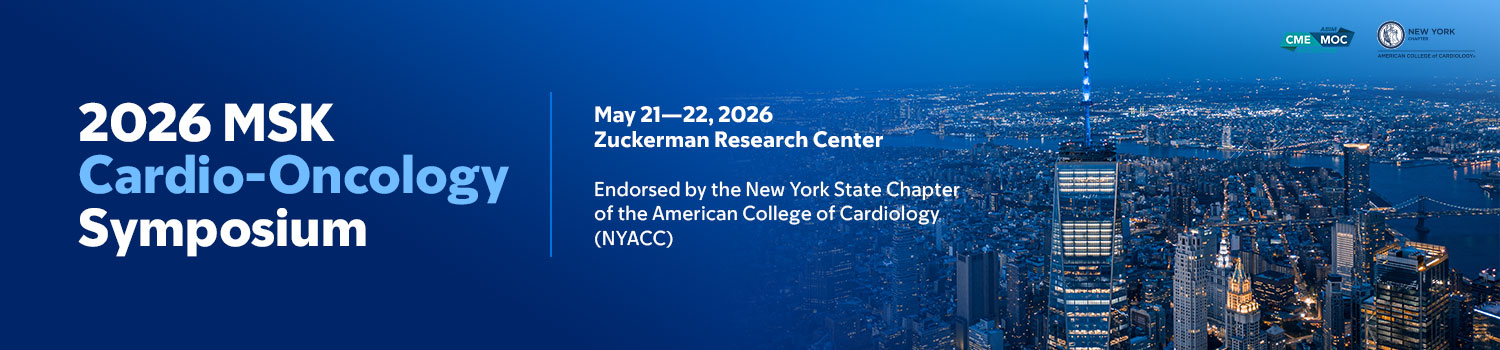
MSKCC MSK Cardio-Oncology Symposium 2026
$1,050.00 Original price was: $1,050.00.$60.00Current price is: $60.00.
This Product is shared via google drive download link, So please share your correct Gmail id while placing the order .Please note that there are no CME points or certificate associated with this course Samples for Courses Can be found here : Free Samples Here!
EXPRESS DISCOVER PayPal
MSK Cardio-Oncology Symposium 2026
Cancer Therapy Cardiotoxicity • Cardiac Imaging • ICI Myocarditis • CAR-T • Amyloidosis • Survivorship
Explore the rapidly evolving intersection of cancer treatment and cardiovascular medicine with the 2026 MSK Cardio-Oncology Symposium, presented by Memorial Sloan Kettering Cancer Center (MSK).
Held May 21–22, 2026, at the Zuckerman Research Center in New York City, this comprehensive symposium brought together internationally recognized experts in cardiology, oncology, hematology, imaging, survivorship, heart failure, cellular therapy, and cardiovascular research.
The curriculum examines how modern cancer treatments—including:
- Anthracyclines
- Targeted cancer therapies
- Immune checkpoint inhibitors
- CAR-T cell therapy
- Other cellular therapies
- Hormonal therapies
- Radiation therapy
can affect the cardiovascular system, and how clinicians can identify risk, monitor for toxicity, prevent cardiovascular complications, and manage patients without unnecessarily compromising effective cancer treatment.
The program emphasizes a multidisciplinary approach built around:
Cancer Therapy → Cardiovascular Risk → Surveillance → Early Detection → Cardiotoxicity Management → Cancer Survivorship
Course Details
- Course: 2026 MSK Cardio-Oncology Symposium
- Provider: Memorial Sloan Kettering Cancer Center – MSK
- Year: 2026
- Dates: May 21–22, 2026
- Venue: Zuckerman Research Center
- Address: 417 East 68th Street, New York, NY
- Specialty: Cardio-Oncology
- Primary Fields: Cardiology / Oncology / Hematology
- Original Live Activity: Up to 15 AMA PRA Category 1 Credits™
- Original ABIM MOC: Up to 15 Medical Knowledge MOC Points
- Language: English
Symposium Directors
Jennifer Liu, MD
Chief, Cardiology Service
Memorial Sloan Kettering Cancer Center
Professor of Clinical Medicine, Weill Cornell Medical College
Anthony F. Yu, MD, MS
Associate Attending, Cardiology Service
Memorial Sloan Kettering Cancer Center
Associate Professor of Medicine, Weill Cornell Medical College
Course Overview
Advances in cancer therapy have dramatically improved survival.
However, many effective antineoplastic treatments can also produce cardiovascular complications, including:
- Cardiomyopathy
- Heart failure
- Myocarditis
- Arrhythmias
- Hypertension
- Ischemic heart disease
- Vascular disease
- Thrombosis
- Stroke
- Radiation-induced heart disease
Modern cardio-oncology therefore requires clinicians to answer two important questions simultaneously:
How can we protect cardiovascular health?
and
How can we avoid unnecessarily interrupting effective cancer therapy?
The MSK Cardio-Oncology Symposium 2026 addresses this balance through expert lectures, case discussions, guideline review, cardiovascular imaging, clinical research, and practical management strategies.
Learning Objectives
After reviewing this program, learners should be better able to:
- Describe major contemporary anti-cancer therapies and their mechanisms of action.
- Review cardiovascular toxicity associated with anthracyclines.
- Understand cardiovascular effects of targeted therapies.
- Recognize cardiovascular complications associated with immune checkpoint inhibitors.
- Review CAR-T and other cellular therapies.
- Understand cardiovascular considerations related to hormonal cancer treatments.
- Apply cardiovascular risk stratification based on both patient- and treatment-specific factors.
- Develop appropriate cardiovascular surveillance strategies before and during cancer therapy.
- Recognize and manage treatment-related cardiotoxicity.
- Understand current evidence and important gaps in cardio-oncology research.
- Diagnose and manage cardiac amyloidosis.
- Review recent advances in disease-modifying amyloidosis therapy.
- Understand the principles of permissive cardiotoxicity.
- Select appropriate cardiovascular imaging modalities.
- Apply echocardiography and cardiac MRI to cardio-oncology risk assessment and surveillance.
- Recognize late cardiovascular effects of cancer therapy.
- Improve cardiovascular management of adult survivors of childhood and adolescent cancers.
- Understand cardiovascular complications associated with radiation therapy.
- Review acute cardiovascular disease in patients actively undergoing cancer treatment.
- Develop multidisciplinary approaches that balance cancer efficacy and cardiovascular safety.
Major Curriculum Areas
1. The Evolving Landscape of Cardio-Oncology
The symposium begins by examining how rapidly changing cancer therapies have altered cardiovascular practice.
The field increasingly requires collaboration between:
- Cardiologists
- Medical oncologists
- Hematologists
- Radiation oncologists
- Heart failure specialists
- Imaging specialists
- Cellular therapy teams
- Survivorship specialists
- Advanced practice providers
Rather than treating cardiovascular complications after they occur, modern cardio-oncology increasingly emphasizes:
Risk Identification → Prevention → Surveillance → Early Intervention
2. Cancer Immunotherapy & the Cardiovascular System
Fundamentals of Antitumor Immunity
The program reviews contemporary principles of antitumor immunity and the role of immunotherapy in solid tumors.
Understanding how modern immunotherapies activate the immune system provides important context for recognizing their cardiovascular adverse effects.
Immune Checkpoint Inhibitor Cardiotoxicity
Immune checkpoint inhibitors have transformed cancer therapy but can produce potentially serious immune-mediated cardiovascular complications.
The symposium reviews:
- ICI myocarditis
- Cardiovascular toxicity
- Clinical presentation
- Diagnostic challenges
- Risk assessment
- Monitoring
- Treatment
- Emerging evidence
ICI Myocarditis
A dedicated case discussion explores the spectrum of immune checkpoint inhibitor myocarditis, from relatively mild disease to fulminant presentations.
Clinical assessment may incorporate:
- Symptoms
- ECG
- Cardiac biomarkers
- Echocardiography
- Cardiac MRI
- Clinical context
- Multidisciplinary assessment
Because ICI myocarditis can progress rapidly, early recognition is particularly important.
Advanced Immunosuppression for ICI Myocarditis
The symposium also addresses an important management question:
When should second-line immunosuppressive treatment be considered?
This reflects the increasingly complex management of severe or treatment-resistant immune-mediated cardiotoxicity.
3. Contemporary Cancer Therapies
The program helps non-oncologists understand modern cancer treatments before examining their cardiovascular consequences.
Major therapeutic categories include:
- Anthracyclines
- Targeted therapies
- Immune checkpoint inhibitors
- Cellular therapies
- CAR-T
- Bispecific antibodies
- Hormonal therapies
- Radiation therapy
Understanding the cancer therapy itself improves cardiovascular risk assessment.
Anthracycline Cardiotoxicity
Anthracyclines remain an important component of cancer treatment but are associated with dose-related myocardial injury.
Cardio-oncology management can involve:
- Baseline cardiovascular assessment
- Risk stratification
- Cardiac imaging
- Biomarkers
- Cardioprotective therapy
- Long-term surveillance
Cardioprotection with Dexrazoxane
A dedicated clinical case reviews dexrazoxane for cardioprotection, illustrating how preventive strategies may allow selected patients to continue effective cancer treatment while reducing cardiovascular risk.
4. Targeted Cancer Therapy
Targeted oncology agents can produce a wide range of cardiovascular effects.
Potential issues include:
- Hypertension
- Heart failure
- Arrhythmia
- Ischemia
- Vascular toxicity
- QT prolongation
The symposium places these complications within the broader framework of precision oncology.
5. Lung Cancer & Cardiovascular Care
The program includes both:
Contemporary Lung Cancer Diagnosis and Treatment
and
Cardiovascular Considerations Associated with Lung Cancer Therapy
This paired approach helps clinicians understand:
Cancer Treatment → Cardiovascular Risk → Screening → Diagnosis → Management
rather than considering oncology and cardiology independently.
6. Hormonal Therapy & Prostate Cancer
The symposium reviews contemporary prostate cancer treatment, including:
- Hormonal therapy
- Radiation
- Surgery
Cardiovascular considerations are increasingly important because hormonal treatment can affect:
- Metabolic risk
- Cardiovascular disease
- Blood pressure
- Thrombotic risk
- Long-term cardiovascular health
7. Cellular Therapy, CAR-T & Bone Marrow Transplant
Modern hematologic oncology increasingly incorporates:
- CAR-T cell therapy
- Bispecific antibodies
- Stem cell transplantation
- Other cellular therapies
The symposium provides dedicated education on both oncologic treatment and cardiovascular complications.
Understanding Stem Cell & Bone Marrow Transplant
The program reviews:
- When transplant is used
- Which patients may be candidates
- The rationale for transplantation
before examining cardiovascular risks.
Cardiovascular Challenges During and After Bone Marrow Transplant
Potential concerns can include:
- Hemodynamic stress
- Arrhythmias
- Heart failure
- Vascular complications
- Long-term cardiovascular risk
Advances in T-Cell Therapies
The symposium reviews:
- CAR-T
- Bispecific antibodies
- Emerging cellular therapies
followed by dedicated discussion of:
T-Cell Immunotherapies and the Heart
8. Cardiac Amyloidosis
Cardiac amyloidosis receives a dedicated section within the 2026 curriculum.
The program connects hematology and cardiology through:
- Multiple myeloma
- AL amyloidosis
- ATTR amyloidosis
- Cardiac imaging
- Disease-modifying treatment
Multiple Myeloma & AL Amyloidosis
The program reviews the relationship between:
- Plasma-cell disease
- Monoclonal proteins
- Light chains
- AL amyloid formation
- Multiorgan involvement
Cardiac Amyloidosis – When to Suspect & How to Diagnose
Amyloid cardiomyopathy may present with:
- Increased ventricular wall thickness
- HFpEF
- Restrictive physiology
- Arrhythmias
- Conduction disease
- Elevated biomarkers
- Neuropathy
- Other systemic clues
The symposium provides a structured approach to recognizing these clinical red flags.
TTR Amyloidosis
A dedicated session addresses contemporary management of transthyretin amyloidosis, including progress and ongoing clinical challenges.
9. Cancer-Associated Thrombosis
Venous Thromboembolism in Cancer
Cancer substantially increases thrombotic risk.
The program reviews:
- VTE risk assessment
- Prevention
- Treatment
- Anticoagulation
- Patient selection
- Interaction with cancer therapy
10. Cancer-Associated Stroke
Cancer can increase the risk of cerebrovascular events through multiple mechanisms.
The symposium reviews:
- Etiology
- Detection
- Diagnostic evaluation
- Management
of cancer-associated stroke.
11. Precision Cardio-Oncology
A major component of the second day focuses on moving toward more individualized cardiovascular care.
The keynote framework includes:
Risk → Outcomes → Surveillance → Precision Prevention
Precision Risk Stratification
Cardio-oncology risk is influenced by both:
Patient Factors
- Age
- Previous cardiovascular disease
- Diabetes
- Hypertension
- Kidney disease
- Baseline ventricular function
- Other cardiovascular risk factors
Treatment Factors
- Type of cancer therapy
- Drug dose
- Combination therapy
- Radiation exposure
- Previous cardiotoxic treatment
- Cellular therapy
- Treatment duration
Risk assessment should therefore be individualized.
12. Cardio-Oncology Clinical Trials & Research
A Decade in Review
The symposium reviews major research studies and clinical trials that have shaped cardio-oncology practice over the past decade.
This helps clinicians distinguish:
- Established evidence
- Emerging evidence
- Areas with limited data
- Unanswered clinical questions
13. Cardiovascular Imaging in Cardio-Oncology
Imaging is central to contemporary cardiotoxicity surveillance.
A dedicated session focuses on:
Precision Imaging in Cardio-Oncology
with particular emphasis on:
- Echocardiography
- Cardiac MRI
- Risk stratification
- Early detection
Echocardiography
Echocardiography may be used to evaluate:
- Left ventricular function
- Ejection fraction
- Cardiac structure
- Hemodynamics
- Treatment-related changes
Depending on clinical practice, advanced echocardiographic measurements can improve early recognition of cardiac dysfunction.
Cardiac MRI
Cardiac magnetic resonance can provide valuable information regarding:
- Ventricular function
- Tissue characterization
- Myocardial injury
- Myocarditis
- Cardiac masses
- Cardiac amyloidosis
MRI of Cardiac Masses
The symposium includes dedicated discussion of MR imaging of cardiac masses, including clinical applications and prognostic implications.
This is particularly relevant in oncology where cardiac masses may represent:
- Primary cardiac tumors
- Metastatic disease
- Thrombus
- Other abnormalities
14. Cardiovascular Biomarkers
Biomarkers can contribute to:
- Baseline risk assessment
- Early cardiotoxicity detection
- Diagnostic evaluation
- Monitoring
The symposium reviews the role of biomarkers in risk prediction and diagnosis.
15. Atrial Fibrillation & Cancer
Patients with cancer may develop atrial fibrillation because of:
- Age
- Comorbid cardiovascular disease
- Cancer-related inflammation
- Treatment effects
- Surgery
- Metabolic disturbances
The program reviews:
Pathophysiology + Risk Assessment + Management Algorithm
Anticoagulation in Cancer Patients
Management of atrial fibrillation in oncology can be complicated by:
- Bleeding risk
- Thrombocytopenia
- Drug interactions
- Cancer-associated thrombosis
- Surgical procedures
Treatment therefore requires individualized decision-making.
16. Cardiac Implantable Devices in Cancer Care
A dedicated session reviews management of cardiac implantable electronic devices during:
- Radiation therapy
- MRI
- Emerging treatment modalities
This is increasingly relevant as cancer patients live longer with both oncologic and cardiovascular disease.
17. Radiation-Induced Heart Disease
Radiation therapy can produce delayed cardiovascular complications involving:
- Coronary arteries
- Valves
- Myocardium
- Pericardium
- Conduction system
- Large vessels
The symposium includes a practical guide to diagnosis and management.
Minimizing Radiation Cardiotoxicity
The curriculum also reviews:
Current and Future Strategies to Minimize Radiation-Induced Cardiotoxicity
demonstrating the importance of prevention during cancer treatment planning.
18. Childhood Cancer Survivorship
Modern cancer therapy has created a growing population of long-term childhood and adolescent cancer survivors.
A dedicated session reviews:
- Late-onset cardiotoxicity
- Risk factors
- Individual cardiovascular risk prediction
- Long-term screening
- Survivorship care
Adult Survivors of Childhood Cancer
Cardiovascular complications may emerge years or decades after completion of cancer treatment.
Long-term follow-up may therefore require attention to:
- Cardiomyopathy
- Heart failure
- Ischemic disease
- Valvular disease
- Arrhythmia
- Metabolic risk factors
19. Clonal Hematopoiesis & Cardiovascular Risk
The symposium examines the emerging relationship between:
Clonal Hematopoiesis + Oncology + Cardiovascular Disease
This represents an important example of how modern molecular oncology is increasingly influencing cardiovascular risk assessment.
20. Pharmacologic Cardioprotection
A dedicated session examines:
GDMT and Beyond
for prevention or management of cancer therapy-related cardiovascular dysfunction.
Cardioprotective strategies may be considered according to:
- Baseline risk
- Cancer therapy
- Ventricular function
- Biomarker findings
- Existing cardiovascular disease
21. Exercise as Cardioprotection
Exercise is increasingly being investigated and implemented as part of supportive cancer care.
The symposium reviews the evidence for using exercise to support cardiovascular health during and after oncology treatment.
22. Health Equity in Cardio-Oncology
Access to high-quality cardio-oncology care may vary according to:
- Geography
- Healthcare access
- Socioeconomic factors
- Cancer center resources
- Specialty availability
The program specifically addresses:
Cardio-Oncology Care and Health Equity – Challenges and Opportunities
23. Cardio-Oncology Guidelines
2022 ESC Cardio-Oncology Guidelines: Where We Go From Here
The symposium reviews the impact of current European cardio-oncology guidance while also examining remaining evidence gaps and areas that may influence future recommendations.
24. Advanced Heart Failure in Cardio-Oncology
Patients with severe cancer therapy-related cardiac dysfunction may eventually require advanced heart failure care.
A dedicated lecture addresses:
- Advanced HF evaluation
- Cancer status
- Prognosis
- Treatment options
- Multidisciplinary decision-making
25. 5-FU-Induced Chest Pain
Fluoropyrimidine-related cardiovascular toxicity is clinically important.
The symposium provides a dedicated:
Diagnostic and Management Algorithm for 5-FU-Induced Chest Pain
helping clinicians approach possible:
- Coronary vasospasm
- Myocardial ischemia
- Other cardiac toxicity
during cancer therapy.
26. Cardiac Interventions in Active Cancer
Patients actively undergoing cancer treatment may still require:
- Coronary angiography
- PCI
- Structural interventions
- Other cardiovascular procedures
The program examines how evidence and clinical experience can guide intervention decisions while considering:
- Cancer prognosis
- Bleeding risk
- Thrombosis
- Antiplatelet therapy
- Treatment interruptions
27. Permissive Cardiotoxicity
One of the most important concepts in modern cardio-oncology is permissive cardiotoxicity.
Traditional approaches sometimes stopped cancer therapy whenever cardiovascular abnormalities appeared.
Modern management increasingly asks:
Can the cancer therapy safely continue while cardiovascular toxicity is actively monitored and treated?
A dedicated MSK case explores how this principle may be applied in clinical practice.
Balancing Cancer Control & Cardiovascular Safety
The central challenge is avoiding two extremes:
Excessive Cardiovascular Risk
Continuing treatment despite unacceptable cardiovascular toxicity.
Unnecessary Cancer Treatment Interruption
Stopping highly effective anti-cancer therapy when cardiovascular complications can be appropriately managed.
The goal is individualized multidisciplinary decision-making.
28. Multidisciplinary Cardio-Oncology
Successful cardio-oncology requires close collaboration between:
- Cardiology
- Medical oncology
- Hematology
- Radiation oncology
- Heart failure
- Cardiovascular imaging
- Bone marrow transplant teams
- Cellular therapy teams
- Interventional cardiology
- Survivorship specialists
- Nursing
- Advanced practice providers
This multidisciplinary model is one of the defining features of the MSK symposium.
Major Topics Covered
- Cardio-Oncology
- Cancer Therapy Cardiotoxicity
- Anthracycline Cardiotoxicity
- Targeted Cancer Therapy
- Immune Checkpoint Inhibitors
- ICI Myocarditis
- CAR-T Cell Therapy
- Cellular Therapy
- Bispecific Antibodies
- Bone Marrow Transplant
- Stem Cell Transplant
- Hormonal Therapy
- Radiation-Induced Heart Disease
- Cancer Survivorship
- Cardiomyopathy
- Heart Failure
- Advanced Heart Failure
- Cardiac Amyloidosis
- AL Amyloidosis
- ATTR Amyloidosis
- Cardiovascular Imaging
- Echocardiography
- Cardiac MRI
- Cardiovascular Biomarkers
- Cardiac Masses
- Atrial Fibrillation
- Cancer-Associated Thrombosis
- Venous Thromboembolism
- Cancer-Associated Stroke
- Precision Cardio-Oncology
- Cardioprotection
- Dexrazoxane
- 5-FU Cardiotoxicity
- Exercise Oncology
- Health Equity
- Permissive Cardiotoxicity
- ESC Cardio-Oncology Guidelines
Who Should Take This Course?
The MSK Cardio-Oncology Symposium 2026 is particularly relevant for:
- Cardiologists
- Cardio-Oncology Specialists
- Medical Oncologists
- Hematologists
- Hematologist-Oncologists
- Internal Medicine Physicians
- Heart Failure Specialists
- Cardiovascular Imaging Specialists
- Interventional Cardiologists
- Radiation Oncologists
- Bone Marrow Transplant Specialists
- Cellular Therapy Specialists
- Advanced Practice Providers
- Nurse Practitioners
- Physician Assistants
- Oncology Nurses
- Cardiology Nurses
- Cardiology Fellows
- Oncology Fellows
- Hematology Fellows
- Internal Medicine Residents
- Researchers
- Clinicians involved in cancer survivorship
Why This Symposium Is Useful
The strength of the MSK Cardio-Oncology Symposium 2026 is its coverage of cardiovascular care across the entire cancer pathway.
The curriculum progresses through:
Cancer Therapy → Cardiovascular Risk → Surveillance → Cardiotoxicity → Imaging → Treatment → Survivorship
It can help clinicians:
- Understand modern cancer therapies
- Recognize therapy-specific cardiovascular toxicity
- Improve baseline cardiovascular risk stratification
- Develop surveillance strategies
- Diagnose ICI myocarditis
- Review CAR-T cardiovascular complications
- Understand transplant-related cardiovascular risk
- Improve cardiac amyloidosis diagnosis
- Use echo and CMR more effectively
- Review cardiovascular biomarkers
- Manage atrial fibrillation in cancer
- Understand radiation-induced heart disease
- Improve long-term cancer survivor care
- Use cardioprotective therapies
- Apply permissive cardiotoxicity principles
- Manage acute cardiovascular disease during active cancer treatment
Original Symposium Accreditation
The official MSK live symposium was designated for:
- Up to 15 AMA PRA Category 1 Credits™
- Up to 15 ABIM Medical Knowledge MOC Points
subject to official MSK participation and completion requirements.
Important CME / Certificate Notice
If the MedicalAmboss product consists of independently delivered recordings or educational files, do not advertise:
- 15 CME Credits Included
- 15 ABIM MOC Points Included
- Official MSK Certificate Included
unless official MSK registration and credit-claiming access are actually supplied.
The safest wording is:
Original MSK Live Activity: Up to 15 CME Credits
with a separate notice that the independently delivered digital files do not themselves confer MSK credit.
Product Information
- Product: MSK Cardio-Oncology Symposium 2026
- Provider: Memorial Sloan Kettering Cancer Center
- Year: 2026
- Dates: May 21–22, 2026
- Venue: Zuckerman Research Center
- Location: New York City
- Specialty: Cardio-Oncology
- Primary Fields: Cardiology / Hematology / Oncology
- Language: English
4. Short Description
MSK Cardio-Oncology Symposium 2026 from Memorial Sloan Kettering Cancer Center provides a comprehensive review of cardiovascular care in patients with cancer.
Topics include anthracycline cardiotoxicity, targeted therapies, immune checkpoint inhibitor myocarditis, CAR-T and cellular therapies, bone marrow transplant, hormonal therapies, cardiac amyloidosis, cardiovascular imaging, biomarkers, atrial fibrillation, cancer-associated thrombosis, radiation-induced heart disease, survivorship, cardioprotection, 5-FU cardiotoxicity, advanced heart failure, and permissive cardiotoxicity.
Provider: Memorial Sloan Kettering Cancer Center
Dates: May 21–22, 2026
Location: Zuckerman Research Center, New York City
Ideal for cardiologists, oncologists, hematologists, internists, advanced practice providers, nurses, fellows, and other healthcare professionals involved in cardio-oncology.
+ Topics:
8:10AM – 8:25AM
Jennifer Liu, MD
8:25AM – 8:40AM
James Smithy, MD
8:40AM – 8:55AM
Alexander Lyon, MA, BM, BCh, PhD
8:55AM – 9:10AM
Carol Chen, MD
Marie-Claude Beaulieu, MD, Cardiology Fellow
9:10AM – 9:20AM
9:25AM – 9:40AM
Helena Yu, MD
9:40AM – 9:55AM
Anthony F Yu, MD
9:55AM – 10:10AM
10:25AM – 10:40AM
Karen Autio, MD
10:40AM – 10:55AM
Krishan K Sharma, MD, MS
10:55AM – 11:05AM
11:05AM – 11:20AM
Chau Dang, MD
11:20AM – 11:35AM
Anthony F Yu, MD
11:35AM – 11:45AM
11:45AM – 12:00PM
Dipti Gupta, MD, MPH
1:00PM – 1:15PM
Brian Shaffer, MD
1:15PM – 1:30PM
Daniel Addison, MD
1:30PM – 1:45PM
Miguel Perales, MD
1:45PM – 2:00PM
Eric H Yang, MD, FACC, FASE, FAHA
2:00PM – 2:20PM
2:20PM – 2:35PM
Heather J Landau, MD
2:35PM – 2:50PM
Richard Cheng, MD
2:50PM – 3:05PM
Daniel McDonald, MD
3:05PM – 3:20PM
3:35PM – 3:50PM
Jeffrey Zwicker, MD
4:05PM – 4:20PM
Babak Navi, MD
4:35PM – 4:50PM
Michael Fradley, MD
8:00AM – 9:00AM
Saro Armenian, DO, MPH
9:05AM – 9:20AM
Alexander Lyon, MA, BM, BCh, PhD
9:25AM – 9:40AM
Paaladinesh Thavendiranathan, MD, SM, FRCPC, FASE
9:40AM – 9:55AM
Joshua D Mitchell, MD, MSCI, FACC, FICOS
9:55AM – 10:10AM
Jonathan Weinsaft, MD
10:10AM – 10:25AM
10:45AM – 11:00AM
Michael Fradley, MD
11:00AM – 11:15AM
Michael Fradley, MD
11:15AM – 11:25AM
11:25AM – 11:40AM
Joshua D Mitchell, MD, MSCI, FACC, FICOS
11:40AM – 11:55AM
Lior Braunstein, MD
11:55AM – 12:05PM
1:00PM – 1:15PM
Anju Nohria, MD, MS, Professor
1:15PM – 1:30PM
Saro Armenian, DO, MPH
1:30PM – 1:45PM
Anita Deswal, MD, MPH, Professor of Medicine, Chair of Cardiology
1:45PM – 2:00PM
Jessica Scott, PhD
2:00PM – 2:15PM
Michelle Johnson, MD, MPH
2:15PM – 2:40PM
2:55PM – 3:10PM
Teresa Lopez-Fernandez, MD
3:10PM – 3:25PM
Jayant Raikhelkar, MD
3:25PM – 3:40PM
Stephanie Feldman, MD
3:40PM – 3:55PM
Dmitriy Feldman, MD
3:55PM – 4:15PM
4:15PM – 4:25PM
Anthony F Yu, MD
4:25PM – 4:35PM
Jennifer Liu, MD
4:35PM – 4:45PM
Dipti Gupta, MD, MPH
| Select | Full course Videos+Qbank, Only Videos, Only Qbank |
|---|
Related products

Internal Medicine
Critical Care - Emergency medicine
Cardiology
Anesthesiology & pain medicine
Internal Medicine

USMLE / kaplan and Board Review
Uworld USMLE COMLEX Level 1 Qbank, Updated Jan 2023, System- and Subject-wise (PDF)
Critical Care - Emergency medicine
ASN Critical Care Nephrology – 2022 Update (On-Demand and Livestream)
Anesthesiology & pain medicine