
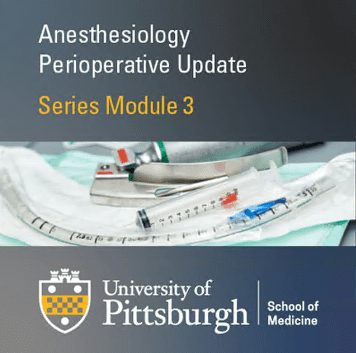
Neurologic Anesthesia 2020 Module 3 ( VIDEOS)

Original price was: $350.00.$35.00Current price is: $35.00.
Samples for Courses Can be found here : Free Samples Here!
Neurologic Anesthesia 2020 Module 3 (CME VIDEOS)
Mayo Clinic Mechanical Ventilation Conference 2022 (Videos + Assessment Quiz)
Advanced Mechanical Ventilation, Respiratory Failure & Critical Care Medicine Course
The Mayo Clinic Mechanical Ventilation Conference 2022 is a comprehensive educational program designed to provide healthcare professionals with advanced training in mechanical ventilation, respiratory physiology, pulmonary mechanics, and evidence-based ventilator management. Developed by experts in pulmonary and critical care medicine, the course combines foundational principles with practical bedside applications to help clinicians optimize respiratory support for critically ill patients. Mayo Clinic is internationally recognized for its excellence in medical education and critical care training.
Package Includes
- Video Lectures
- Assessment Quiz
- Critical Care Education
- Mechanical Ventilation Training
- Case-Based Learning
- Practical Ventilator Management Strategies
Course Overview
Mechanical ventilation remains one of the most important interventions in intensive care medicine. Successful ventilator management requires a deep understanding of respiratory physiology, gas exchange, cardiopulmonary interactions, ventilator modes, and pulmonary mechanics.
This conference is designed to help clinicians develop the skills necessary to safely manage patients with acute and chronic respiratory failure while minimizing ventilator-associated complications. Through expert-led instruction and practical demonstrations, participants learn how to individualize ventilator support based on patient-specific physiology and clinical conditions.
A strong emphasis is placed on translating physiologic concepts into bedside decision-making, allowing clinicians to optimize oxygenation, ventilation, and patient outcomes.
Learning Objectives
Upon completion of this activity, participants should be able to:
- Explain the physiologic principles underlying mechanical ventilation.
- Understand cardiopulmonary interactions associated with positive-pressure ventilation.
- Differentiate between commonly used ventilator modes.
- Apply evidence-based ventilation strategies in respiratory failure.
- Interpret pulmonary mechanics and ventilator waveforms.
- Optimize ventilator settings using a patient-centered approach.
- Recognize and manage ventilator-related complications.
- Improve bedside decision-making in critically ill patients.
Topics Covered
Respiratory Physiology
- Gas Exchange Physiology
- Oxygen Transport
- Ventilation-Perfusion Relationships
- Respiratory Muscle Function
- Respiratory Failure Mechanisms
Mechanical Ventilation Fundamentals
- Indications for Mechanical Ventilation
- Ventilator Components
- Basic Ventilator Settings
- Initiating Ventilator Support
- Monitoring Ventilator Performance
Ventilator Modes
- Volume-Control Ventilation
- Pressure-Control Ventilation
- Assist-Control Ventilation
- Pressure Support Ventilation
- Advanced Ventilation Modes
Pulmonary Mechanics
- Lung Compliance
- Airway Resistance
- Plateau Pressure
- Driving Pressure
- Respiratory Mechanics Interpretation
Cardiopulmonary Interactions
- Effects of Positive Pressure Ventilation
- Hemodynamic Consequences
- Right Ventricular Function
- Cardiac Output Considerations
Acute Respiratory Failure
- Hypoxemic Respiratory Failure
- Hypercapnic Respiratory Failure
- Acute Lung Injury
- Critical Care Management
ARDS Management
- Lung-Protective Ventilation
- PEEP Optimization
- Recruitment Maneuvers
- Advanced Ventilation Strategies
Patient-Ventilator Synchrony
- Identification of Asynchrony
- Ventilator Waveform Analysis
- Troubleshooting Techniques
- Optimization Strategies
Bedside Ventilator Management
- Ventilator Adjustments
- Individualized Respiratory Support
- Clinical Decision-Making
- Monitoring Response to Therapy
Hands-On Applications
- Mechanical Ventilation Equipment
- Ventilator Operation
- Practical Clinical Scenarios
- Equipment Troubleshooting
Target Audience
This course is ideal for:
- Critical Care Physicians
- Pulmonologists
- Intensivists
- Anesthesiologists
- Emergency Medicine Physicians
- Respiratory Therapists
- Internal Medicine Physicians
- Physician Assistants
- Nurse Practitioners
- Critical Care Nurses
- ICU Healthcare Professionals
Why This Course Stands Out
✔ Mayo Clinic Faculty Expertise
✔ Comprehensive Mechanical Ventilation Review
✔ Strong Focus on Respiratory Physiology
✔ Practical Bedside Applications
✔ Pulmonary Mechanics Training
✔ ARDS and Respiratory Failure Management
✔ Ventilator Waveform Interpretation
✔ Patient-Centered Ventilator Strategies
✔ Assessment Quiz Included
✔ Critical Care-Oriented Curriculum
TOPICS / SPEAKERS:
- Enhanced Recovery After Neuro Surgery (ERANS)
Brian T. Gierl, MD - Perioperative Delirium
Keith Vogt, MD, PhD - Neuroscience of the Brain Under Anesthesia
Keith Vogt, MD, PhD - Acute Ischemic Stroke
Brian T. Gierl, MD - Anesthesia for Patients with Cerebral Aneurysms
Catalin Ezaru, MD - Epidural and Subdural Hematoma
Li Meng, MD, MPH - Intracerebral Hemorrhage (ICH)
Brian T. Gierl, MD - Postoperative Management of the Neurosurgical Patient
Huong-Tram Duran, MD - Neurophysiology
Sean A. DeChancie, DO - Fundamentals of Pediatric Neuroanesthesia
Doreen Soliman, MD
Related products
Internal Medicine

Internal Medicine

Internal Medicine

Critical Care - Emergency medicine

Internal Medicine
Anesthesiology & pain medicine
Internal Medicine

Medical Accounts