
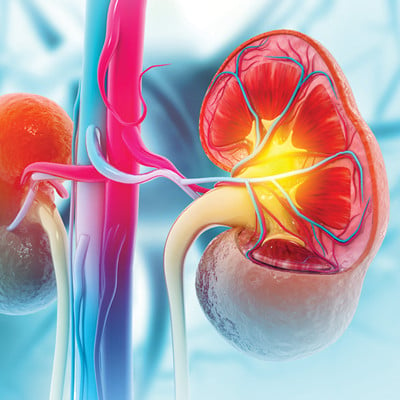
Oakstone Intensive Review of Nephrology 2026


$35.00
This Product is shared via google drive download link, So please share your correct Gmail id while placing the order .Please note that there are no CME points or certificate associated with this course Samples for Courses Can be found here : Free Samples Here!
Oakstone Intensive Review of Nephrology 2026
The Brigham Intensive Review of Nephrology 2026 | Harvard Nephrology Board Review, CKD, AKI, Glomerulonephritis, Dialysis, Kidney Transplantation, POCUS, SGLT2 Inhibitors, CAR-T & Renal Medicine Updates
The Oakstone Intensive Review of Nephrology 2026, also known as The Brigham Intensive Review of Nephrology, is a comprehensive, advanced medical education program designed to provide an in-depth update across the major clinical and scientific disciplines of nephrology.
Offered by Brigham and Women’s Hospital, accredited through Harvard Medical School, and distributed by Oakstone Publishing, this intensive online educational program brings together leading nephrologists and academic specialists to review contemporary developments in the diagnosis, treatment, and long-term management of kidney disease.
Originally released on October 15, 2026, the program is described as comprising more than 70 expert-led lectures, clinical case discussions, and board-focused educational sessions, with an estimated learning duration of 52 hours.
The Brigham Intensive Review of Nephrology 2026 combines fundamental renal physiology, evidence-based clinical guidelines, diagnostic reasoning, pharmacological developments, renal replacement therapies, transplantation medicine, and emerging scientific research.
The curriculum addresses chronic kidney disease (CKD), acute kidney injury (AKI), glomerulonephritis, diabetic kidney disease, hypertension, electrolyte and acid-base disorders, kidney transplantation, hemodialysis, peritoneal dialysis, genetic kidney diseases, cardiorenal syndrome, and other important renal conditions.
New and evolving subjects include SGLT2 inhibitors, GLP-1 receptor agonists, finerenone, genetic testing, point-of-care renal ultrasound, high-dose hemodiafiltration, novel immunosuppressive therapies, CAR-T cell therapy, xenotransplantation, artificial intelligence in nephrology, and kidney-focused palliative care.
The educational program supports both continuing professional development and preparation for the American Board of Internal Medicine (ABIM) Nephrology Certification and Recertification Examinations.
Course Details
- Course: Oakstone Intensive Review of Nephrology 2026
- Official Program: The Brigham Intensive Review of Nephrology
- Publisher: Oakstone Publishing / CMEinfo
- Educational Provider: Brigham and Women’s Hospital
- Accrediting Institution: Harvard Medical School
- Original Release Date: October 15, 2026
- Edition: 2026
- Original Format: Online Video Continuing Medical Education
- Educational Duration: Approximately 52 Hours
- Program Scope: More Than 70 Expert-Led Educational Sessions
- Primary Specialty: Nephrology
- Additional Focus: Internal Medicine, Renal Pathology, Transplant Medicine, Hypertension, Critical Care Nephrology and Pediatric Nephrology
- Language: English
- Board Examination Relevance: ABIM Nephrology Certification and Recertification
- Educational Approach: Expert Lectures, Clinical Cases, Scientific Updates, Question-and-Answer Sessions and Board Review
The lecture total and duration describe the original educational program. Exact video counts, PDF files, subtitles, and supplementary materials in a separately distributed package should be confirmed against the actual files.
Course Directors
The official Oakstone program identifies the following course directors:
David B. Mount, MD, FRCP(C)
Harvard Medical School and Brigham and Women’s Hospital.
Jamil R. Azzi, MD
Harvard Medical School and Brigham and Women’s Hospital.
Gearoid M. McMahon, MB BCh
Harvard Medical School and Brigham and Women’s Hospital.
Alice M. Sheridan, MD
Harvard Medical School and Brigham and Women’s Hospital.
Adina S. Voiculescu, MD
Harvard Medical School and Brigham and Women’s Hospital.
The program integrates expertise from academic nephrology, renal physiology, transplantation, clinical nephrology, and related medical specialties.
Course Highlights
- Comprehensive Nephrology Board Review 2026
- More Than 70 Expert-Led Educational Sessions
- Approximately 52 Hours of Clinical Education
- CKD and AKI Management
- Electrolyte and Acid-Base Disorders
- Glomerular Disease Diagnosis and Treatment
- Genetic Testing in Kidney Disease
- Renal Point-of-Care Ultrasound
- SGLT2 Inhibitors and GLP-1 Receptor Agonists
- Finerenone and Kidney-Protective Treatments
- Novel Immunosuppressive Agents
- CAR-T Cell Therapy in Renal Disease
- Hemodialysis and Hemodiafiltration
- Peritoneal Dialysis
- Kidney Transplantation
- Xenotransplantation
- Onconephrology
- Kidney-Focused Palliative Care
- Artificial Intelligence in Nephrology
- ABIM Nephrology Examination Preparation
Target Audience
The program is designed for clinical and academic healthcare professionals involved in the prevention, diagnosis, and management of kidney disease.
The target audience includes:
- Clinical Nephrologists
- Academic Nephrologists
- Transplant Nephrologists
- Pediatric Nephrologists
- Interventional Nephrologists
- Critical Care Nephrologists
- Internal Medicine Physicians
- Primary Care Physicians
- Pediatricians
- Nephrology Fellows
- Internal Medicine Residents
- Physicians Preparing for ABIM Nephrology Certification
- Physicians Preparing for ABIM Recertification
- Hospitalists
- Critical Care Physicians
- Hypertension Specialists
- Endocrinologists
- Renal Pathologists
- Nurse Practitioners
- Physician Assistants
- Renal Care Professionals
- Other Healthcare Professionals Involved in Kidney Disease Management
Official Learning Objectives
Upon completing the educational activity, participants should be better able to:
- Summarize current nephrology guidelines and identify their applications in clinical practice.
- Explain the differential diagnosis of complex clinical presentations involving renal disorders.
- Identify and integrate contemporary therapeutic options for specific kidney diseases.
- Review and interpret recent scientific literature relevant to nephrology practice.
- Describe renal pathophysiological mechanisms and apply them to the management of kidney disease.
- Synthesize clinical and scientific knowledge to support preparation for ABIM Nephrology certification and recertification examinations.
Comprehensive Nephrology Curriculum
The following sections organize the major educational themes described for the 2026 Oakstone program.
They are subject-based educational sections, not a verified lecture-by-lecture inventory for the October 2026 release.
Section I – Renal Physiology and Clinical Foundations
Renal Physiology for Nephrology Board Review
Understanding kidney physiology is fundamental to diagnosing and treating renal disease.
Important educational topics include:
- Glomerular Filtration
- Renal Blood Flow
- Tubular Function
- Sodium Regulation
- Potassium Homeostasis
- Acid-Base Balance
- Fluid Regulation
- Renal Hormones
- Clinical Renal Physiology
The educational emphasis is on linking physiological mechanisms with clinical findings.
Diagnostic Evaluation of Kidney Disease
Relevant considerations include:
- Serum Creatinine
- Estimated Glomerular Filtration Rate
- Urinalysis
- Urine Microscopy
- Albuminuria
- Proteinuria
- Clinical Imaging
- Renal Biopsy
- Differential Diagnosis
Section II – Acute Kidney Injury
Pathophysiology of Acute Kidney Injury
Reviews the physiological and pathological mechanisms underlying AKI.
Important topics include:
- Renal Hemodynamics
- Ischemic Kidney Injury
- Tubular Injury
- Inflammation
- Nephrotoxic Injury
- Kidney Perfusion
- AKI Biomarkers
Clinical Syndromes of Acute Kidney Injury
Examines common and complex presentations of acute kidney dysfunction.
Relevant areas include:
- Prerenal AKI
- Acute Tubular Injury
- Acute Interstitial Nephritis
- Obstructive Uropathy
- Volume Depletion
- Sepsis-Associated AKI
- Medication-Related Kidney Injury
AKI in Intensive Care
The curriculum also addresses kidney dysfunction in critically ill patients.
Relevant topics include clinical assessment, renal replacement therapy, fluid management, and integration of renal and critical care treatment.
Section III – Chronic Kidney Disease
Contemporary CKD Diagnosis and Management
Reviews approaches to identifying and managing chronic kidney disease.
Important subjects include:
- CKD Classification
- GFR Assessment
- Albuminuria
- Kidney Disease Progression
- Cardiovascular Risk
- Renal Protection
- Medication Management
- Patient Follow-Up
Kidney-Protective Pharmacotherapy
The course examines contemporary treatments intended to slow renal disease progression and improve clinical outcomes.
Important areas include:
- SGLT2 Inhibitors
- GLP-1 Receptor Agonists
- Finerenone
- ACE Inhibitors
- Angiotensin Receptor Blockers
- Blood Pressure Management
- Cardiometabolic Risk Reduction
Section IV – Glomerulonephritis and Immune-Mediated Kidney Disease
IgA Nephropathy
Relevant educational subjects include:
- Clinical Presentation
- Kidney Biopsy
- Proteinuria
- Risk Stratification
- Supportive Treatment
- Targeted Therapies
- Disease Monitoring
Lupus Nephritis
Reviews the diagnosis and management of immune-mediated renal disease associated with systemic lupus erythematosus.
Important considerations include:
- Histological Classification
- Immunological Assessment
- Proteinuria
- Kidney Function
- Immunosuppressive Therapy
- Treatment Response
- Disease Monitoring
Membranous Nephropathy
Examines important diagnostic and treatment considerations for membranous kidney disease.
Focal Segmental Glomerulosclerosis
Relevant topics include:
- FSGS
- Primary and Secondary Causes
- Proteinuria
- Kidney Biopsy
- Treatment Selection
- Clinical Outcomes
ANCA-Associated Vasculitis
Reviews:
- ANCA Testing
- Small Vessel Vasculitis
- Renal Involvement
- Immunosuppression
- Treatment Monitoring
- Clinical Risk Assessment
Section V – Novel Immunosuppressive Therapies
Emerging Treatments for Glomerular Disease
The 2026 program highlights developments in immune-based treatment strategies.
Important educational themes include:
- Immunosuppressive Medications
- Targeted Immune Therapies
- Novel Therapeutic Agents
- Clinical Trial Evidence
- Patient Selection
- Treatment Safety
- Disease-Specific Therapy
CAR-T Cell Therapy in Nephrology
CAR-T cell therapy is an emerging research area involving selected immune-mediated conditions.
The course examines the potential applications of advanced cellular therapies in difficult or refractory autoimmune disorders.
Clinical Clarification: CAR-T treatment for immune-mediated kidney diseases remains an evolving field. Its inclusion as an educational topic does not establish routine approval or standard-of-care status for all renal disorders.
Section VI – Electrolytes and Acid-Base Disorders
Sodium Disorders
Important topics include:
- Hyponatremia
- Hypernatremia
- Water Balance
- Clinical Evaluation
- Diagnostic Algorithms
- Safe Correction Principles
Potassium Disorders
Relevant areas include:
- Hyperkalemia
- Hypokalemia
- Renal Potassium Regulation
- ECG Considerations
- Medication Effects
- Treatment Planning
Acid-Base Disorders
The curriculum covers:
- Metabolic Acidosis
- Metabolic Alkalosis
- Anion Gap Disorders
- Non-Anion Gap Metabolic Acidosis
- Mixed Acid-Base Disorders
- Laboratory Interpretation
- Physiological Mechanisms
Section VII – Hypertension and Renovascular Disease
Hypertension in Chronic Kidney Disease
Reviews blood pressure management among patients with kidney dysfunction.
Important educational areas include:
- Hypertension
- CKD
- Blood Pressure Targets
- Medication Selection
- Albuminuria
- Cardiovascular Risk
- Treatment Monitoring
Resistant Hypertension
Examines clinical assessment and management of difficult-to-control blood pressure.
Primary Aldosteronism
Reviews the relationship between aldosterone excess, hypertension, and kidney disease.
Renovascular Disease
Relevant topics include:
- Renal Artery Stenosis
- Vascular Imaging
- Kidney Perfusion
- Clinical Assessment
- Treatment Selection
Section VIII – Genetic Kidney Diseases
Genetic Testing and Kidney Disease
The course highlights the expanding role of genomic medicine in nephrology.
Important applications include:
- Hereditary Kidney Disease
- Genetic Diagnosis
- Disease Classification
- Risk Assessment
- Genetic Counseling
- Therapeutic Selection
- Family Screening
Polycystic Kidney Disease
Relevant areas include:
- Autosomal Dominant Polycystic Kidney Disease
- Genetic Risk
- Imaging
- Disease Progression
- Kidney Function
- Treatment Considerations
APOL1-Associated Kidney Disease
Reviews the role of APOL1 genetic variants in selected kidney disease presentations.
Section IX – Renal Pathology and Urine Microscopy
Kidney Biopsy Interpretation
Renal biopsy remains important for diagnosing multiple glomerular and interstitial disorders.
Relevant educational subjects include:
- Glomerular Histopathology
- Immunofluorescence
- Electron Microscopy
- Tubulointerstitial Disease
- Vascular Pathology
- Clinicopathologic Correlation
Urine Sediment Analysis
Examines urinary findings relevant to renal diagnosis.
Important considerations include:
- Red Blood Cell Casts
- White Blood Cell Casts
- Granular Casts
- Proteinuria
- Hematuria
- Urine Microscopy
- Diagnostic Interpretation
Section X – Dialysis and Kidney Replacement Therapy
Hemodialysis
Reviews fundamental and advanced concepts in hemodialysis.
Important subjects include:
- Dialysis Prescription
- Dialysis Adequacy
- Vascular Access
- Fluid Management
- Electrolyte Control
- Treatment Complications
- Patient Outcomes
High-Dose Hemodiafiltration
The program highlights comparative research involving:
- High-Dose Hemodiafiltration
- High-Flux Hemodialysis
- Solute Clearance
- Clinical Outcomes
- Patient Selection
- Treatment Implementation
Peritoneal Dialysis
Relevant educational topics include:
- Peritoneal Dialysis Principles
- Dialysis Prescription
- Patient Selection
- Peritoneal Dialysis Complications
- Infection Prevention
- Long-Term Management
Dialysis Vascular Access
The curriculum includes the physical and clinical assessment of dialysis access.
Important topics include:
- Arteriovenous Fistulas
- Vascular Grafts
- Access Function
- Physical Examination
- Thrombosis
- Access Complications
- Appropriate Referral
Section XI – Kidney Transplantation
Pre-Transplant Evaluation
Reviews clinical and immunological considerations in kidney transplantation.
Relevant topics include:
- Recipient Assessment
- Living Donor Evaluation
- Immunological Risk
- Surgical Evaluation
- Transplant Eligibility
- Patient Optimization
Transplant Immunology and Immunosuppression
Important areas include:
- Allorecognition
- Rejection Mechanisms
- Immunosuppressive Therapy
- Drug Monitoring
- Infection Risk
- Treatment Complications
Early and Late Transplant Management
Reviews:
- Early Graft Function
- Acute Rejection
- Chronic Graft Dysfunction
- Transplant Infection
- Long-Term Immunosuppression
- Post-Transplant Monitoring
Xenotransplantation
The 2026 program introduces xenotransplantation as an emerging area of transplantation research.
Educational considerations include:
- Cross-Species Organ Transplantation
- Immunological Barriers
- Organ Availability
- Clinical Research
- Safety
- Ethical Considerations
- Future Applications
Clinical Clarification: Xenotransplantation is an evolving scientific and clinical research area, not a routine replacement for established kidney transplantation.
Section XII – Point-of-Care Ultrasound in Nephrology
Renal POCUS
Point-of-care ultrasound is becoming increasingly relevant to nephrological assessment.
The program examines:
- Ultrasound Fundamentals
- Transducer Selection
- Image Acquisition
- Image Optimization
- Renal Anatomy
- Kidney Assessment
- Bedside Clinical Integration
- Interpretation Limitations
Clinical Applications
POCUS can complement clinical examination and help clinicians evaluate selected aspects of volume status and kidney-related conditions.
The educational focus is on understanding appropriate bedside applications and the importance of accurate interpretation.
Section XIII – Cardiorenal and Metabolic Medicine
Cardiorenal Syndrome
Relevant topics include:
- Heart Failure
- Kidney Dysfunction
- Fluid Overload
- Diuretic Therapy
- Hemodynamics
- Renal Perfusion
- Clinical Risk Assessment
Diabetic Kidney Disease
Reviews contemporary approaches to kidney protection and cardiovascular risk management in patients with diabetes.
Important areas include:
- Glycemic Control
- SGLT2 Inhibitors
- GLP-1 Receptor Agonists
- Finerenone
- Albuminuria
- CKD Progression
- Patient Monitoring
Section XIV – Onconephrology
Cancer and the Kidney
The curriculum addresses kidney complications in patients with malignancy.
Relevant educational themes include:
- AKI in Cancer
- Antineoplastic Drug Toxicity
- Electrolyte Disorders
- Tumor-Related Kidney Disease
- Paraprotein-Associated Kidney Injury
- Clinical Monitoring
Immune Checkpoint Inhibitor-Associated Kidney Injury
Important topics include:
- Immune Checkpoint Inhibitors
- Acute Interstitial Nephritis
- Immune-Mediated Kidney Injury
- Differential Diagnosis
- Kidney Function Assessment
- Treatment Considerations
Section XV – Kidney Disease in Pregnancy and Pediatrics
Pregnancy and Kidney Disease
Reviews renal considerations in pregnancy.
Relevant subjects include:
- Pregnancy-Related Kidney Changes
- Chronic Kidney Disease in Pregnancy
- Hypertension
- Proteinuria
- Clinical Monitoring
- Maternal and Fetal Risk
Pediatric Nephrology
Examines important kidney disorders encountered in children.
Relevant topics include:
- Congenital Kidney Disorders
- Pediatric CKD
- Glomerular Disease
- Electrolyte Disorders
- Genetic Conditions
- Pediatric Renal Assessment
Section XVI – Kidney Stones and Metabolic Disease
Nephrolithiasis
Reviews diagnosis and prevention of kidney stones.
Important educational areas include:
- Calcium Stones
- Uric Acid Stones
- Urine Chemistry
- Metabolic Evaluation
- Recurrence Prevention
- Dietary Considerations
- Medical Therapy
CKD-Mineral and Bone Disorder
Relevant topics include:
- Mineral Metabolism
- Phosphate Regulation
- Parathyroid Hormone
- Vitamin D
- Bone Disease
- Cardiovascular Complications
- Treatment Monitoring
Section XVII – Geriatric Nephrology and Palliative Kidney Care
Kidney Disease in Older Adults
Reviews clinical management considerations for older patients with renal dysfunction.
Important themes include:
- Geriatric Nephrology
- Frailty
- Multimorbidity
- Functional Assessment
- Polypharmacy
- Shared Decision-Making
- Quality of Life
Kidney-Focused Palliative Care – KidneyPal
The 2026 program highlights the integration of palliative care into nephrology.
Relevant educational areas include:
- Kidney Supportive Care
- Symptom Management
- Conservative Kidney Management
- Shared Decision-Making
- Dialysis Decision-Making
- Advance Care Planning
- Patient Preferences
- Family Support
- Quality of Life
The educational focus is on aligning renal care with the patient’s medical circumstances, goals, and priorities.
Section XVIII – Artificial Intelligence in Nephrology
AI Applications in Kidney Medicine
The course highlights the evolving role of artificial intelligence in nephrology.
Relevant educational topics include:
- Artificial Intelligence
- Clinical Decision Support
- Kidney Disease Prediction
- Risk Stratification
- Imaging Analysis
- Electronic Health Records
- Clinical Research
- Model Validation
- Patient Safety
- Ethical Considerations
The curriculum explores how AI may support kidney care while requiring appropriate clinical validation and physician oversight.
Section XIX – Kidney Disease, Global Health and Clinical Ethics
Climate Change and Kidney Health
Environmental factors may influence kidney disease risk, healthcare delivery, and access to treatment.
Relevant areas include:
- Climate-Related Kidney Risk
- Environmental Exposures
- Global Kidney Disease
- Healthcare Disparities
- Access to Renal Replacement Therapy
- Prevention
Ethics in Nephrology
Important considerations include:
- Shared Decision-Making
- Dialysis Initiation
- Treatment Withdrawal
- Organ Allocation
- Transplant Ethics
- Patient Autonomy
- Healthcare Equity
ABIM Nephrology Board Review Preparation
The Oakstone Intensive Review of Nephrology 2026 is designed to support preparation for the American Board of Internal Medicine Nephrology Certification and Recertification Examinations.
The curriculum covers important clinical knowledge domains, including:
- Renal Physiology
- Acute Kidney Injury
- Chronic Kidney Disease
- Glomerular Disorders
- Renal Pathology
- Electrolytes
- Acid-Base Disorders
- Hypertension
- Genetic Kidney Disease
- Dialysis
- Transplantation
- Renal Pharmacology
- Kidney Disease in Pregnancy
- Pediatric Nephrology
- Onconephrology
- Clinical Decision-Making
The original educational program includes board-focused teaching, clinical cases, and question-and-answer activities.
Examination Clarification: The course is an educational review resource. It does not provide ABIM certification, examination registration, or guaranteed examination success.
Major Topics Covered
- Oakstone Intensive Review of Nephrology 2026
- Brigham Intensive Review of Nephrology
- Harvard Nephrology Board Review
- ABIM Nephrology Preparation
- Chronic Kidney Disease
- Acute Kidney Injury
- Glomerulonephritis
- IgA Nephropathy
- Lupus Nephritis
- Membranous Nephropathy
- FSGS
- ANCA Vasculitis
- Kidney Biopsy
- Renal Pathology
- Electrolyte Disorders
- Acid-Base Disorders
- Hypertension
- Genetic Kidney Disease
- APOL1 Nephropathy
- Polycystic Kidney Disease
- SGLT2 Inhibitors
- GLP-1 Receptor Agonists
- Finerenone
- Hemodialysis
- Hemodiafiltration
- Peritoneal Dialysis
- Kidney Transplantation
- Xenotransplantation
- CAR-T Therapy
- Renal POCUS
- Cardiorenal Syndrome
- Diabetic Kidney Disease
- Onconephrology
- Renal Replacement Therapy
- Kidney Stones
- CKD-Mineral Bone Disorder
- Geriatric Nephrology
- Kidney Palliative Care
- Artificial Intelligence in Nephrology
Why This Course Is Relevant
The Oakstone Intensive Review of Nephrology 2026 provides a broad and clinically focused educational update across modern kidney medicine.
Its curriculum integrates foundational renal physiology with advances in kidney-protective medications, glomerular disease therapies, genetic testing, transplantation, dialysis technologies, artificial intelligence, and supportive care.
The combination of expert education, clinical case discussions, and board-oriented learning makes the program particularly relevant to nephrologists, internal medicine physicians, fellows, residents, and healthcare professionals involved in kidney disease management.
Continuing Medical Education
The original Oakstone program is offered by Brigham and Women’s Hospital and accredited through Harvard Medical School.
The supplied 2026 course information identifies an estimated educational duration of 52 hours.
Oakstone’s current listings indicate up to 52 CME credits, while another publisher page retains a 50-credit designation. Because of this difference, the exact credit total for the purchased 2026 edition should be confirmed with Oakstone.
Official CME credits and ABIM MOC points are subject to the provider’s eligibility and completion requirements.
Important CME Notice
Purchasing separately distributed educational files through MedicalAmboss does not itself provide:
- Harvard Medical School CME Credits
- ABIM MOC Points
- ABIM Board Certification
- Official Oakstone Completion Certificates
- Oakstone Subscription Accounts
- Publisher Streaming Access
- Physical USB Media
- Printed Course Syllabus
- Original Publisher Board Pass Guarantee
Official Program Reference and MedicalAmboss Purchase Scope
Official Oakstone Course:
https://oakstone.com/intensive-review-of-nephrology/
Harvard Medical School CME Courses at Oakstone:
https://oakstone.com/categories/more/harvard-medical-school-online-continuing-education-courses.html
MedicalAmboss Related Product:
https://medicalamboss.com/product/harvard-intensive-review-of-nephrology-2026/
The Oakstone references describe the original educational program, faculty, board review focus, and continuing education options.
The existing MedicalAmboss product is closely related in subject matter, but its exact correspondence to the October 2026 Oakstone release must be confirmed from the actual digital files.
MedicalAmboss File Scope: Exact recording counts, file formats, PDFs, captions, and other digital materials require separate verification. Official publisher registration, CME or MOC credit, certificates, subscriptions, physical media, and publisher-hosted benefits are not included unless explicitly listed as store files.
Short Description
Oakstone Intensive Review of Nephrology 2026 – The Brigham Intensive Review of Nephrology delivers comprehensive kidney medicine education covering chronic kidney disease, acute kidney injury, glomerulonephritis, dialysis, transplantation, genetic kidney diseases, renal pathology, and contemporary nephrology treatments.
Released October 15, 2026, the original Oakstone program provides 70+ expert-led educational sessions and approximately 52 hours of clinical and board-focused education.
+ Topics:
- Renal Physiology for the Boards – Melanie P. Hoenig, MD
- Basic Concepts of Immunology in Autoimmune Kidney Disease – Ramon G. Bonegio, MD
- Question and Answer Session – Faculty
- Renal Pathology in 2026 – Part 1 – Nephritic Conditions – Helmut G. Rennke, MD
- Renal Pathology in 2026 – Part 2 – Nephritic Syndrome – Astrid Weins, MD, PhD
- Current Approaches to Urine Sediment Analysis – Martina M. McGrath, MB BCh
- Question and Answer Session – Faculty
- Pathogenesis, Diagnosis, and Treatment of IgA Nephropathy – Gerald B. Appel, MD
- Metabolic Management of Kidney Stones – Gary C. Curhan, MD, ScD
- AI in Nephrology: Clinical Applications – Navdeep Tangri, MD, PhD(C), FRCPC
- Question and Answer Session – Faculty
- Lupus Nephritis in 2026 – New Guidelines, New Treatments, and New Challenges – Gerald B. Appel, MD
- Membranous Nephropathy – Laurence H. Beck, Jr., MD, PhD
- Anemia Management – Update and Best Practices – Brona M. Moloney, MBBCH, BAO, MMSc
- Question and Answer Session – Faculty
- Acid-Base Disorders Part I – Anion Gap Metabolic Acidosis – Alan S.L. Yu, MB, BChir
- Acid-Base Disorders II – Non-Gap Acidosis and Metabolic Alkalosis – Alan S.L. Yu, MB, Bchir
- Sodium Disorders – David B. Mount, MD, FRCP(C)
- Potassium Disorders – David B. Mount, MD, FRCP(C)
- Important New Trials in GN – David B. Mount, MD, FRCP(C)
- Genetics and Kidney Disease – Friedhelm Hildebrandt, MD
- Update on Polycystic Kidney Disease – Fouad T. Chebib, MD, FASN
- Question and Answer Session – Faculty
- Pediatric Nephrology – Alexis C. Gomez, MD
- Genetics – How to Integrate It into Practice – Ana Onuchic-Whitford, MD
- Diagnosis and Treatment of ANCA-associated Vasculitis – John L. Niles, MD
- Question and Answer Session – Faculty
- Why Do We Reject a Transplant? – Jamil R. Azzi, MD
- Transplant Immunosuppression for the Boards – Katelyn Lei, PharmD, BCTXP
- Question and Answer Session – Faculty
- Immunological Assessment Pre and Post Transplant – Melissa Y. Yeung, MD and Indira Guleria, PhD
- Early Post-Transplant Management – Anil K. Chandraker, MD
- Question and Answer Session – Faculty
- Evaluation of the Living Kidney Donor – Martina M. McGrath, MB BCh
- Late Loss of the Kidney Transplant – Rania Khedher El Fekih, MD
- Infections in Transplant Recipients – Barbra M. Blair, MD
- Monitoring Kidney Transplant Patients – Beyond Creatinine – Jamil R. Azzi, MD
- Pre-Transplant Surgical Evaluation of Recipients – Rania Khedher El Fekih, MD
- Question and Answer Session – Faculty
- Late Post-Transplant Medical Complications – Leonardo V. Riella, MD, PhD
- Hemolytic Uremic Syndrome (HUS) and Thrombotic Thrombocytopenic Purpura (TTP) – Jean M. Francis, MD
- KEYNOTE – Kidney Xenotransplantation – Leonardo V. Riella, MD, PhD
- Geriatric Nephrology – Ernest I. Mandel, MD
- Cardio-Renal Syndrome – Finnian R. McCausland, MB BCh, MMSc, FRCPI
- Management of Hypertension in CKD-Intensive or Standard Regimens – Richard J. Glassock, MD
- Primary Aldosteronism – Anand Vaidya, MD, MMSc
- Therapy of FSGS Lesions in 2026 – Richard J. Glassock, MD
- Liver and the Kidney – Andrew S. Allegretti, MD, MSc
- Question and Answer Session – Faculty
- Pathophysiology of Acute Kidney Injury – Joseph V. Bonventre, MD, PhD
- Acute Kidney Injury Syndromes – Alice M. Sheridan, MD
- ICU Nephrology and Continuous Renal Replacement Therapies – Andrew Allegretti, MD, MSc
- Question and Answer Session – Faculty
- Cancer and Acute Kidney Injury – Abdullah Jalal, MD
- Dysproteinemia for the Nephrologist – Raad Chowdhury, MD
- KEYNOTE – Kidney Palliative Care – Samantha L. Gelfand, MD
- Pathophysiology and Treatment of Diabetic Kidney Disease – Gearoid M. McMahon, MB BCh
- APOL1 and Kidney Disease – Opeyemi A. Olabisi, MD, PhD
- Question and Answer Session – Faculty
- Patient Perspective – Dialysis Dosing – Moderators – J. Kevin Tucker, MD and Paul Moore, RN; Dialysis Patients – Daphne Rhodes and Vanessa Evans
- Hemodiafiltration – J. Kevin Tucker, MD
- Chronic Kidney Disease – Mineral and Bone Disease – David Bushinsky, MD
- Question and Answer Session – Faculty
- Dialysis – A Case-Based Clinical Review and Update – J. Kevin Tucker, MD
- Chronic Kidney Disease – Mineral and Bone Disease Case-Based Pearls – David Bushinsky, MD
- Chronic Kidney Disease Epidemiology – Gearoid M. McMahon, MB BCh
- Question and Answer Session – Faculty
- Introduction to Peritoneal Dialysis – Joanne M. Bargman, MD, FRCPC
- Complications of Peritoneal Dialysis – Joanne M. Bargman, MD, FRCPC
- Acute Kidney Injury Related to Immune Checkpoint Inhibitors – Shruti Gupta, MD, MPH
- Question and Answer Session – Faculty
- Mesoamerican Nephropathy – David J. Friedman, MD
- Ultrasound for the Clinical Nephrologist – Adina S. Voiculescu, MD
- Dialysis Vascular Access – Assessment and Complications – Dirk M. Hentschel, MD
- Question and Answer Session – Faculty
- Glomerulonephritis – Questions & Answers Session – Gerald B. Appel, MD
- Must-Know Clinical Images in Nephrology – Annie Liu, DO, MPH, MS
- Electrolytes and Acid-Base Practice for the Boards – Part 1 – Alan S.L. Yu, MB, Bchir
- Electrolytes and Acid-Base Practice for the Boards – Part 2 – Alan S.L. Yu, MB, Bchir
- The Kidney Disease Screening and Awareness Program (KDSAP) – Transforming Community Outreach and Inspiring Interest in Nephrology – Li-Li Hsiao, MD, PhD, FACP
- COVID-19 Vaccination in Immunocompromised Patients – Ann E. Woolley, MD
- Update on Renovascular Disease – Joseph M. Garasic, MD
- Pre-Transplant Surgical Evaluation of Recipients – Sayeed Malek, MD, FACS
- Immunologic Basis of Kidney Disease – Vivek Kasinath, MD
- Use of Checkpoint Inhibitors in Kidney Transplant Recipients – Naoka Murakami, MD, PhD
- Interstitial Nephritis – Overview for the Boards – Julie M. Paik, MD, ScD, MPH
- Clinical Ethics and Nephrology – Kathleen M. McFadden, MD
- Pregnancy and Renal Disease – Jessica Tangren, MD
- Transplant Cases – Board Review Practice – Melissa Y. Yeung, MD and Edgar L. Milford, Jr. MD
- Transplant Board Review – Anil K. Chandraker, MD
- Poisonings and Intoxications – What a Nephrologist Needs to Know – Charlotte E. Goldfine, MD
- Must-Know Board Zebras – Emily S. Robinson, MD, MPH
- Nephrology Board Review Practice 1 – Finnian R. McCausland, MB BCh, MMSc, FRCPI
- Nephrology Board Review Practice 2 – Gearoid M. McMahon, MB BCh
Related products
Cardiology


Endocrine and Nutrition

Endocrine and Nutrition
Harvard Fifty-Ninth Annual Update Obstetrics and Gynecology 2023

Endocrine and Nutrition

Endocrine and Nutrition
Endocrine and Nutrition