
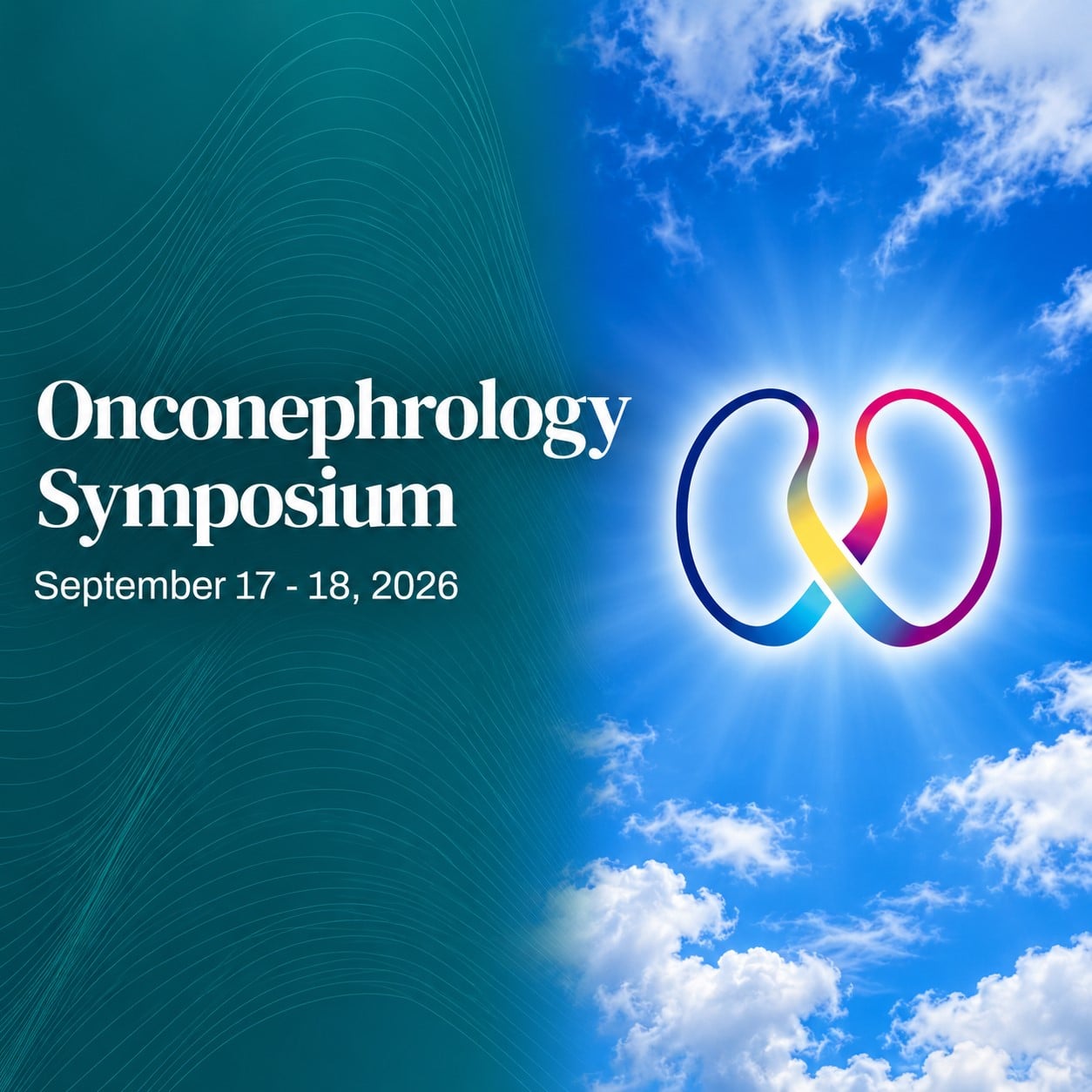
Harvard Onconephrology Symposium 2026


$50.00
Delivery Information: This Product is shared via google drive download link. Please use your correct Gmail address at checkout.
Please note: there are no CME points or certificate associated with this course.
Samples for Courses Can be found here: Free Samples Here!
Harvard Onconephrology Symposium 2026
Harvard Onconephrology Symposium 2026 | Cancer-Associated Kidney Disease, AKI, CKD, Immunotherapy, Monoclonal Gammopathies, MGRS, HSCT-TMA & Kidney Transplantation
The Harvard Onconephrology Symposium 2026 provides a comprehensive, evidence-based educational update on the rapidly evolving intersection of oncology, hematology, nephrology, and kidney transplantation.
Developed by faculty from Harvard Medical School teaching hospitals and offered by Brigham and Women’s Hospital and Dana-Farber Cancer Institute, this multidisciplinary symposium brings together national and international experts to examine the diagnosis, prevention, and management of kidney complications in patients with cancer.
Held September 17–18, 2026, in Boston, Massachusetts, with in-person and live online participation options, the program addresses important developments in cancer-associated kidney disease, treatment-related nephrotoxicity, immune checkpoint inhibitor complications, hematopoietic stem cell transplantation, thrombotic microangiopathy, glomerular disease, and monoclonal gammopathies.
The Harvard Onconephrology Symposium 2026 emphasizes practical clinical approaches, emerging diagnostic biomarkers, renal-protective strategies, multidisciplinary management, and advances in cellular, immune, targeted, and conventional cancer therapies.
Cancer patients are at significant risk of developing kidney complications. Approximately one in ten patients with cancer may experience acute kidney injury, while up to one-quarter may have chronic kidney disease.
As cancer therapies continue to evolve, nephrologists and oncology specialists increasingly encounter complex clinical challenges involving kidney dysfunction, drug-associated nephrotoxicity, immune-mediated renal injury, and the management of malignancy in patients with pre-existing kidney disease.
This educational program explores these challenges through expert presentations, case-based discussions, clinical debates, and multidisciplinary perspectives.
Course Details
- Course: Harvard Onconephrology Symposium 2026
- Official Program: Onconephrology Symposium
- Academic Institution: Harvard Medical School
- Offered By: Brigham and Women’s Hospital and Dana-Farber Cancer Institute
- Dates: September 17–18, 2026
- Location: Boston, Massachusetts, USA
- Venue: Dana-Farber Cancer Institute, 450 Brookline Avenue, Boston, MA
- Official Conference Format: In-Person and Live Online
- Duration: Two Days
- Primary Specialty: Nephrology
- Additional Focus: Oncology, Hematology, Transplant Nephrology, Renal Pathology, Internal Medicine, Cardio-Oncology and Palliative Care
- Language: English
- Course Directors: Shruti Gupta, MD, MPH, and Raad Chowdhury, MD, FASN
- Educational Approach: Expert Lectures, Clinical Cases, Multidisciplinary Discussions and Research Updates
The original Harvard educational activity also provided official participants with recorded sessions for a limited period after the conference, subject to the organizer’s access policies.
Such publisher-hosted recording access is separate from any educational files offered through MedicalAmboss.
Target Audience
The symposium is designed for healthcare professionals caring for patients with cancer who have existing kidney disease or are at risk of developing renal complications.
The target audience includes:
- Nephrologists
- Transplant Nephrologists
- Medical Oncologists
- Hematologists
- Hematologic Oncologists
- Blood and Marrow Transplant Specialists
- Renal Pathologists
- Cardio-Oncologists
- Cardiologists
- Palliative Care Specialists
- Hospitalists
- Internal Medicine Physicians
- Critical Care Physicians
- Advanced Practice Providers
- Nurse Practitioners
- Physician Assistants
- Registered Nurses
- Clinical Fellows
- Medical Residents
- Medical Students
- Other Healthcare Professionals Involved in Cancer and Kidney Care
The program is especially relevant to clinicians seeking contemporary education in cancer-associated renal disorders, treatment-related kidney injury, and complex multidisciplinary patient management.
Program Overview
Onconephrology is an expanding medical subspecialty focused on the complex relationship between malignancy, cancer treatment, and kidney disease.
Patients with cancer may develop renal complications as a direct consequence of their malignancy, its systemic effects, or the therapies used to treat it.
The Harvard Onconephrology Symposium 2026 addresses major clinical and scientific developments affecting this patient population.
The program covers:
- Acute Kidney Injury in Patients With Cancer
- Chronic Kidney Disease and Cancer
- Hematopoietic Stem Cell Transplantation
- HSCT-Associated Thrombotic Microangiopathy
- Complement-Mediated Kidney Disease
- Immune Checkpoint Inhibitor-Associated AKI
- Immune Checkpoint Inhibitor-Associated Glomerulonephritis
- Acute Interstitial Nephritis
- CAR-T Cell Therapy
- CAR-Treg Therapy
- Tumor-Infiltrating Lymphocyte Therapy
- Cisplatin-Associated Nephrotoxicity
- Kidney Function Assessment in Cancer
- Chemotherapy Dose Adjustment
- Podocyte Injury
- Proteinuria and Hypertension
- Endothelin Receptor Inhibitors
- SGLT2 Inhibitors
- Immune Complex Kidney Disease
- Cancer Therapy Rechallenge
- Palliative Care in Onconephrology
- Renal Amyloidosis
- Monoclonal Gammopathy of Undetermined Significance
- Monoclonal Gammopathy of Renal Significance
- Multiple Myeloma
- Immunoglobulin-Mediated Kidney Injury
- Light Chain Cast Nephropathy
- Kidney Transplantation in Patients With Cancer
- Post-Transplant Lymphoproliferative Disorders
- Target Trial Emulation
- Emerging Diagnostic Biomarkers
The curriculum combines basic science, clinical research, diagnostic pathology, therapeutic advances, and complex case management.
Learning Objectives
After completing the original educational activity, participants should be better able to:
- Diagnose and manage different forms of kidney complications occurring in patients with cancer, including acute kidney injury, chronic kidney disease, glomerular disorders, and treatment-associated nephrotoxicity.
- Apply multidisciplinary approaches involving nephrologists, oncologists, hematologists, transplant specialists, pathologists, cardiologists, and palliative care clinicians to improve the care of patients with malignancy.
- Recognize cancer-associated glomerular disease, thrombotic microangiopathy, and monoclonal gammopathies while reviewing advances in diagnostic testing and management.
- Evaluate the role of kidney transplantation in patients with active or previous malignancy and understand important transplant-related oncologic complications.
- Review conventional chemotherapy, cellular therapy, immunotherapy, and targeted cancer therapies, including their potential renal complications.
- Explore current and emerging strategies to reduce kidney injury during cancer treatment.
- Assess immune checkpoint inhibitor-associated kidney complications and emerging diagnostic biomarkers.
- Review renal implications of hematopoietic stem cell transplantation and cellular immunotherapy.
- Recognize the clinical importance of proteinuria, hypertension, altered glomerular filtration rate, and drug-associated renal toxicity in patients receiving cancer treatment.
- Integrate current knowledge of monoclonal gammopathies, amyloidosis, multiple myeloma, and light chain-mediated kidney injury into clinical decision-making.
Official Program Topics
Day 1 – Thursday, September 17, 2026
Opening Session
Welcome From Course Directors
Faculty:
- Shruti Gupta, MD, MPH
- Raad Chowdhury, MD, FASN
The opening session introduces the symposium’s multidisciplinary educational focus and outlines contemporary challenges in the management of kidney disease among patients with cancer.
Welcome Message from a Pioneer
Faculty: Joseph Bonventre
An introductory presentation highlighting the development and continuing evolution of onconephrology as an important clinical and research discipline.
Hematopoietic Stem Cell Transplantation and Thrombotic Microangiopathy
What Do BMT Docs Wish Nephrologists Knew about HSCT?
Faculty: Corey Cutler, MD, MPH
This session examines the intersection of blood and marrow transplantation and nephrology.
Important clinical considerations include:
- Hematopoietic Stem Cell Transplantation
- Kidney Complications After Transplantation
- Transplant-Associated Organ Injury
- Multidisciplinary Management
- Renal Function Assessment
- Communication Between Transplant and Nephrology Teams
The discussion provides a transplant hematology perspective on issues relevant to nephrologists.
Changing Diagnostic and Treatment Landscape of HSCT-TMA
Faculty: Sumithra Vasu, MD
Reviews the evolving understanding of hematopoietic stem cell transplant-associated thrombotic microangiopathy.
Important areas include:
- HSCT-Associated TMA
- Endothelial Injury
- Clinical Recognition
- Diagnostic Evaluation
- Disease Mechanisms
- Therapeutic Developments
- Multidisciplinary Management
Cancer and Complementology
Faculty: Anuja Java, MD
Explores the relationship between complement activation, malignancy, and kidney complications.
Topics include:
- Complement System
- Complement-Mediated Injury
- Thrombotic Microangiopathy
- Immune Dysregulation
- Cancer-Associated Renal Disease
- Therapeutic Implications
Immunotherapy and Immune-Mediated Kidney Injury
Murine Models and Immune Therapy: What Can Mice Teach us About AIN?
Faculty: Sandra Herrmann, MD
Examines experimental models and their relevance to understanding immune therapy-associated acute interstitial nephritis.
Discussion areas include:
- Acute Interstitial Nephritis
- Immune-Mediated Kidney Injury
- Experimental Animal Models
- Mechanisms of Renal Inflammation
- Translational Research
- Clinical Implications
Beyond Biopsy: Biomarkers and Treatments for ICI-AKI
Faculty: Meghan Sise, MD
Reviews emerging approaches to diagnosing and treating immune checkpoint inhibitor-associated acute kidney injury.
Topics include:
- Immune Checkpoint Inhibitors
- ICI-Associated AKI
- Kidney Biopsy
- Diagnostic Biomarkers
- Differential Diagnosis
- Treatment Approaches
- Renal Recovery
- Clinical Decision-Making
Lessons from Non-Renal Immune Related Adverse Events
Faculty: Elad Sharon, MD, MPH
Explores how immune-related toxicities affecting other organs may inform the diagnosis and management of kidney complications.
Important considerations include:
- Immune-Related Adverse Events
- Systemic Immune Toxicity
- Multiorgan Complications
- Immunotherapy Safety
- Clinical Monitoring
- Coordinated Patient Management
ICI-GN: A Conundrum
Faculty:
- Shruti Gupta, MD, MPH
- Abdullah Jalal, MD
- Ala Abudayyeh, MD
- Meghan Sise, MD
A multidisciplinary discussion examining immune checkpoint inhibitor-associated glomerulonephritis.
The session focuses on:
- ICI-Associated Glomerular Disease
- Immune-Mediated Renal Injury
- Diagnostic Uncertainty
- Kidney Pathology
- Treatment Considerations
- Clinical Case Discussion
- Oncology-Nephrology Collaboration
Cellular Therapy and Cancer Treatment Advances
Toxicities of CAR-T and CAR-Treg
Faculty: Sarah Nikiforow, MD, PhD
Reviews toxicities associated with chimeric antigen receptor T-cell therapies and CAR-T regulatory cell approaches.
Important topics include:
- CAR-T Cell Therapy
- CAR-Treg Therapy
- Treatment-Associated Toxicity
- Systemic Inflammatory Complications
- Potential Renal Implications
- Clinical Monitoring
- Supportive Care
How Tumor Infiltrating Lymphocytes are Transforming Cancer Treatment
Faculty: Allison Betof, MD, PhD
Explores advances in tumor-infiltrating lymphocyte therapy and its growing role in cancer treatment.
Relevant considerations include:
- Tumor-Infiltrating Lymphocytes
- Cellular Immunotherapy
- Cancer Treatment Innovation
- Treatment Mechanisms
- Adverse Effects
- Multidisciplinary Clinical Implications
MAGnificent properties of Cisplatin: mitigating risk and managing AKI
Faculty: Edgar Jaimes
Reviews the clinical challenges of cisplatin-associated nephrotoxicity.
Topics include:
- Cisplatin Nephrotoxicity
- Acute Kidney Injury
- Kidney Injury Mechanisms
- Risk Assessment
- Renal-Protective Strategies
- Kidney Function Monitoring
- Management of AKI
- Cancer Treatment Considerations
Kidney Function, Clinical Research and Chemotherapy Dosing
Target Trial Emulation in Onconephrology
Faculty: David E. Leaf, MD
Explores the application of target trial emulation to research involving patients with cancer and kidney disease.
Important concepts include:
- Clinical Research Methodology
- Observational Data
- Target Trial Emulation
- Causal Inference
- Cancer-Associated Kidney Disease
- Evidence Generation
- Translating Research into Practice
What’s the GFR!? Current Challenges in Cancer and Future Opportunities
Faculty: Aisha Shaikh, MD, PhD
Reviews challenges in assessing kidney function among patients with malignancy.
Discussion areas include:
- Glomerular Filtration Rate
- Kidney Function Estimation
- Limitations of Estimated GFR
- Cancer-Related Physiological Changes
- Clinical Interpretation
- Renal Function Monitoring
- Future Diagnostic Opportunities
How Would I Dose Chemotherapy? A Case Review
Faculty: Abhijat Kitchlu, MD, MSc, FRCPC
Examines clinical decision-making related to chemotherapy dosing in patients with impaired kidney function.
Important considerations include:
- Kidney Function Assessment
- Chemotherapy Dose Modification
- Drug Clearance
- Renal Impairment
- Treatment Safety
- Clinical Case Review
- Multidisciplinary Decision-Making
Glomerular Disease, Proteinuria and Renal Protection
Podocytes: An Innocent Bystander in Cancer
Faculty: Astrid Weins, MD, PhD
Reviews podocyte injury and its relevance to malignancy-associated glomerular disease.
Topics include:
- Podocyte Biology
- Glomerular Injury
- Proteinuria
- Cancer-Associated Glomerulopathy
- Renal Pathology
- Disease Mechanisms
Novel Treatments for Proteinuria and Hypertension: Is there a Role for Endothelin Inhibitors?
Faculty: Api Chewcharat, MD
Explores emerging therapeutic approaches to proteinuria and hypertension.
Important considerations include:
- Proteinuria
- Hypertension
- Endothelin Pathways
- Endothelin Receptor Inhibitors
- Kidney Protection
- Treatment Selection
- Clinical Evidence
SGLT2is: Are they a Miracle For Cancer-Associated Nephrotoxicity Too?
Faculty: María José Soler, MD, PhD
Examines the potential role of sodium-glucose cotransporter-2 inhibitors in patients with cancer-associated renal complications.
Topics include:
- SGLT2 Inhibitors
- Kidney Protection
- Cancer-Associated Nephrotoxicity
- Proteinuria
- Chronic Kidney Disease
- Emerging Clinical Evidence
- Treatment Considerations
Immune Complex Disease in Cancer: Future of Antigens
Faculty: Sujal Shah, MD
Reviews immune complex-mediated kidney disease in the setting of malignancy.
Relevant subjects include:
- Immune Complex Glomerular Disease
- Cancer-Associated Glomerulonephritis
- Antigen Identification
- Renal Pathology
- Disease Mechanisms
- Emerging Diagnostic Research
Nephrocentric vs Nephrotolerant: When is it Safe to Rechallenge?
Faculty:
- Biruh Workeneh, MD, FASN
- Astrid Weins, MD, PhD
- Harish Seethapathy, MD
- Aisha Shaikh, MD, PhD
This multidisciplinary discussion addresses the difficult decision of restarting cancer treatment after kidney toxicity.
Important clinical considerations include:
- Rechallenge After Nephrotoxicity
- Risk of Recurrent Kidney Injury
- Cancer Treatment Benefits
- Renal Risk Assessment
- Shared Decision-Making
- Multidisciplinary Management
- Patient-Specific Treatment Planning
Palliative Care in Onconephrology: Symptom Management and Decision Support
Faculty: Samantha Gelfand, MD
Reviews the integration of palliative care into the management of patients with advanced malignancy and kidney disease.
Topics include:
- Symptom Management
- Supportive Care
- Complex Treatment Decisions
- Patient Goals
- Quality of Life
- Communication
- Shared Decision-Making
- Multidisciplinary Support
Day 2 – Friday, September 18, 2026
Renal Amyloidosis and Monoclonal Disorders
The Other Renal Amyloids: It’s not ALL about AL Amyloid
Faculty: Vaishali Sanchorawala, MD
Reviews forms of renal amyloidosis beyond immunoglobulin light-chain amyloidosis.
Important considerations include:
- Renal Amyloidosis
- Non-AL Amyloid Disorders
- Amyloid Classification
- Renal Manifestations
- Diagnostic Evaluation
- Pathological Assessment
- Treatment Considerations
Pathophysiology of Cancer Therapy and Cardiotoxicity
Faculty: Anju Nohria
Examines the mechanisms of cardiovascular toxicity associated with cancer treatment.
Topics include:
- Cancer Therapy-Associated Cardiotoxicity
- Cardiovascular Complications
- Treatment-Related Organ Injury
- Cardio-Oncology
- Kidney-Heart Interactions
- Multidisciplinary Monitoring
MGUS to Myeloma: Bench to the Bedside
Faculty: Nikhil C. Munshi, MD
Reviews the biological and clinical spectrum of plasma cell disorders.
Important areas include:
- Monoclonal Gammopathy of Undetermined Significance
- Multiple Myeloma
- Plasma Cell Biology
- Disease Progression
- Translational Research
- Clinical Diagnosis
- Therapeutic Developments
IKMG Update on MGRS: Future Associations and Mechanisms
Faculty: Samih H. Nasr, MD
Explores developments in monoclonal gammopathy of renal significance, including disease associations and renal injury mechanisms.
Topics include:
- MGRS
- Monoclonal Immunoglobulins
- Kidney Injury Mechanisms
- Renal Pathology
- International Kidney and Monoclonal Gammopathy Research Group
- Emerging Research
- Diagnostic Considerations
How do Immunoglobulins Cause Kidney Damage?
Faculty: Christophe Sirac, PhD
Examines mechanisms through which immunoglobulins contribute to renal injury.
Important concepts include:
- Immunoglobulin Biology
- Monoclonal Proteins
- Glomerular Injury
- Tubular Injury
- Protein Deposition
- Kidney Disease Mechanisms
- Translational Research
Clinical Challenges in Onconephrology
The Onconephrology Jeopardy Challenge
Faculty:
- Shruti Gupta, MD, MPH
- Kenar Jhaveri, MD
An interactive educational session reviewing challenging concepts and clinical scenarios in onconephrology.
The format emphasizes knowledge application, diagnostic reasoning, and engagement with important clinical topics.
How I Manage IgM Disease and Systemic Impact
Faculty: Jorge J. Castillo, MD
Reviews clinical management considerations in patients with IgM-associated hematological disorders.
Relevant areas include:
- IgM Monoclonal Disorders
- Systemic Disease Manifestations
- Hematological Evaluation
- Organ Involvement
- Treatment Considerations
- Multidisciplinary Management
Light Chain Cast Nephropathy: Beyond Plex (CAR-T, Bispecific)
Faculty: Nelson Leung, MD
Examines current and emerging approaches to light chain cast nephropathy.
Topics include:
- Light Chain Cast Nephropathy
- Multiple Myeloma-Associated Kidney Injury
- Monoclonal Free Light Chains
- Plasma Exchange
- CAR-T Therapy
- Bispecific Antibody Therapy
- Kidney Recovery
- Emerging Treatment Approaches
Kidney Transplantation and Monoclonal Gammopathy
The Clone That Stole the Gift: Transplant MGRS Case Review
Faculty:
- Christopher Blosser, MD
- Raad Chowdhury, MD, FASN
A case-based discussion examining monoclonal gammopathy of renal significance in the kidney transplant setting.
Important considerations include:
- Kidney Transplantation
- MGRS
- Monoclonal Plasma Cell Disorders
- Allograft Kidney Disease
- Diagnostic Assessment
- Clinical Case Analysis
- Transplant Management Decisions
Post Kidney Transplant Lymphoproliferative Disorders: Perspectives from a Transplant Nephrologist
Faculty: Christopher Blosser, MD
Reviews post-transplant lymphoproliferative disorders from the perspective of transplant nephrology.
Topics include:
- Post-Transplant Lymphoproliferative Disorders
- Malignancy After Kidney Transplantation
- Immunosuppression
- Clinical Presentation
- Diagnostic Evaluation
- Treatment Considerations
- Transplant-Oncology Collaboration
The War Against Light Chains: A Case Debate
Faculty:
- Raad Chowdhury, MD, FASN
- Sujal Shah, MD
- Nelson Leung, MD
- Kenar Jhaveri, MD
This multidisciplinary case debate examines challenging diagnostic and treatment decisions involving monoclonal light chain-associated kidney disease.
Important themes include:
- Light Chain-Mediated Renal Injury
- Monoclonal Gammopathies
- Clinical Decision-Making
- Diagnostic Pathology
- Treatment Selection
- Competing Therapeutic Strategies
- Kidney Outcomes
- Multidisciplinary Collaboration
Final Reflections / Poster Winners
The concluding session summarizes important educational themes and recognizes selected scientific contributions presented during the symposium.
Major Topics Covered
- Harvard Onconephrology Symposium 2026
- Onconephrology
- Cancer-Associated Kidney Disease
- Acute Kidney Injury
- Chronic Kidney Disease
- Cancer-Associated Nephrotoxicity
- Hematopoietic Stem Cell Transplantation
- HSCT-Associated Thrombotic Microangiopathy
- Complement-Mediated Kidney Disease
- Acute Interstitial Nephritis
- Immune Checkpoint Inhibitor-Associated AKI
- Immune Checkpoint Inhibitor Glomerulonephritis
- Renal Biomarkers
- CAR-T Cell Therapy
- CAR-Treg Therapy
- Tumor-Infiltrating Lymphocytes
- Cisplatin Nephrotoxicity
- Chemotherapy Dosing
- Glomerular Filtration Rate
- Podocyte Injury
- Cancer-Associated Proteinuria
- Hypertension
- Endothelin Receptor Inhibitors
- SGLT2 Inhibitors
- Immune Complex Glomerular Disease
- Renal Amyloidosis
- Monoclonal Gammopathy of Undetermined Significance
- Monoclonal Gammopathy of Renal Significance
- Multiple Myeloma
- Immunoglobulin-Mediated Kidney Injury
- Light Chain Cast Nephropathy
- IgM-Associated Disease
- Kidney Transplantation
- Post-Transplant Lymphoproliferative Disorders
- Cardio-Oncology
- Cancer Therapy Cardiotoxicity
- Renal Pathology
- Palliative Care
- Target Trial Emulation
- Clinical Research
- Multidisciplinary Cancer Care
Cancer-Associated Acute Kidney Injury
Acute kidney injury is a major complication among patients receiving cancer treatment.
Kidney injury may arise through multiple mechanisms, including direct renal effects of malignancy, systemic illness, treatment toxicity, immune-mediated injury, and hemodynamic disturbances.
The symposium addresses several important areas:
- Immune Checkpoint Inhibitor-Associated AKI
- Cisplatin-Associated AKI
- Transplant-Associated Kidney Injury
- Drug-Associated Nephrotoxicity
- Emerging Renal Biomarkers
- Kidney Function Assessment
- Therapeutic Decision-Making
Understanding these mechanisms helps clinicians select appropriate investigations and coordinate kidney care with cancer treatment.
Immunotherapy and Renal Complications
Immune checkpoint inhibitors and cellular immunotherapies have transformed cancer management.
However, these treatments may cause clinically important immune-related adverse events, including renal complications.
The program reviews:
- Immune Checkpoint Inhibitor Nephrotoxicity
- Immune-Mediated Acute Interstitial Nephritis
- Immune Checkpoint Inhibitor Glomerulonephritis
- Biomarkers of Renal Injury
- CAR-T Cell Toxicity
- CAR-Treg Therapy
- Tumor-Infiltrating Lymphocyte Therapy
- Rechallenge After Kidney Toxicity
These discussions emphasize the need for collaboration between oncology and nephrology specialists.
Monoclonal Gammopathies and Kidney Disease
Monoclonal gammopathies can cause a wide spectrum of kidney abnormalities.
The symposium includes dedicated presentations addressing:
- MGUS
- MGRS
- Multiple Myeloma
- Light Chain Cast Nephropathy
- Immunoglobulin-Mediated Renal Injury
- Renal Amyloidosis
- IgM-Associated Disorders
- Transplant-Related Monoclonal Disease
The program integrates pathology, hematology, nephrology, and therapeutic developments to support understanding of complex monoclonal disorders.
Kidney Transplantation in Patients With Cancer
Kidney transplantation presents important challenges for patients with a history of malignancy or monoclonal gammopathy.
Important considerations include:
- Transplant Eligibility
- Malignancy-Related Risk
- Monoclonal Gammopathy of Renal Significance
- Post-Transplant Lymphoproliferative Disorders
- Immunosuppressive Treatment
- Kidney Allograft Function
- Multidisciplinary Patient Management
The symposium addresses these challenges through clinical presentations and case-based discussions.
Renal-Protective Strategies During Cancer Treatment
Preserving kidney function is an important objective in patients receiving potentially nephrotoxic cancer therapies.
The educational program examines emerging approaches involving:
- Renal Function Monitoring
- Risk Stratification
- Chemotherapy Dose Adjustment
- Cisplatin-Associated Kidney Injury
- Proteinuria Management
- Blood Pressure Management
- Endothelin Inhibitors
- SGLT2 Inhibitors
- Management of Immune-Mediated Nephrotoxicity
- Rechallenge After Kidney Injury
These subjects reflect the growing importance of kidney protection throughout cancer treatment.
Multidisciplinary Management and Clinical Decision-Making
Patients with cancer and kidney disease frequently require care from several specialties.
A multidisciplinary team may include:
- Nephrologists
- Medical Oncologists
- Hematologists
- Transplant Specialists
- Renal Pathologists
- Cardiologists
- Palliative Care Clinicians
- Hospitalists
- Internists
The symposium emphasizes communication, shared clinical decision-making, and coordinated management of complex medical conditions.
Course Leadership
The Harvard Onconephrology Symposium 2026 is directed by:
Shruti Gupta, MD, MPH
- Director of Onconephrology, Brigham and Women’s Hospital / Dana-Farber Cancer Institute
- Assistant Professor, Harvard Medical School
Raad Chowdhury, MD, FASN
- Medical Director of Onconephrology, Brigham and Women’s Hospital / Dana-Farber Cancer Institute
- Associate Program Director, Mass General Brigham Nephrology Fellowship, Harvard Medical School
The symposium also features national and international faculty specializing in nephrology, oncology, hematology, transplantation, immunotherapy, renal pathology, cardiovascular complications, and palliative medicine.
Continuing Medical Education
The original Harvard Medical School educational activity offered accredited continuing education opportunities to eligible participants.
Official registration, completion requirements, evaluations, and credit claims are administered through the course provider.
Important CME Notice
Purchasing separately distributed educational files from MedicalAmboss does not provide:
- Harvard Medical School CME Credits
- Official CME or MOC Certificates
- Harvard Course Registration
- Live Conference Attendance
- Publisher Streaming Platform Access
- Official Harvard Course Account
- Publisher Membership
- Other Publisher-Hosted Benefits
The original symposium program and recording-access arrangements should not be interpreted as the verified inventory of files available through this MedicalAmboss listing.
Why This Course Is Relevant
The Harvard Onconephrology Symposium 2026 addresses a rapidly expanding area of clinical medicine.
As advances in oncology improve cancer treatment options, healthcare professionals increasingly encounter patients with kidney complications arising from malignancy or its treatment.
The program explores several clinically significant challenges:
- Acute Kidney Injury
- Chronic Kidney Disease
- Immunotherapy-Associated Renal Injury
- Cancer Treatment-Related Nephrotoxicity
- Thrombotic Microangiopathy
- Glomerular Disease
- Monoclonal Gammopathies
- Multiple Myeloma
- Light Chain Kidney Injury
- Renal Amyloidosis
- Kidney Transplantation
- Renal-Protective Treatments
The symposium combines scientific developments with clinically relevant discussions to support understanding of complex cancer-associated renal conditions.
Its multidisciplinary focus makes it particularly relevant to nephrologists, oncologists, hematologists, transplant physicians, hospitalists, internists, and other professionals caring for patients with cancer and kidney disease.
Official Program Reference and Purchase Scope
Harvard Medical School Onconephrology Symposium:
https://learn.hms.harvard.edu/programs/onconephrology-symposium
2026 Symposium Program:
These references describe the original educational activity, including its learning objectives, agenda, speakers, and participation arrangements. They do not establish the exact contents of files sold separately through MedicalAmboss.
MedicalAmboss File Scope: This listing describes the educational subject matter for reference. Provider registration, live attendance, streaming-platform access, CME or other credit, certificates, memberships, apps, accounts, and publisher-hosted extras are not included unless explicitly listed as store files.
Short Description
<div style=”border:2px solid #1677b8;border-radius:10px;padding:16px;background:#f7fbfe;”>
Harvard Onconephrology Symposium 2026 provides an advanced, expert-led educational review of cancer-associated kidney disease, acute kidney injury, chronic kidney disease, cancer therapy-related nephrotoxicity, immunotherapy complications, thrombotic microangiopathy, monoclonal gammopathies, and kidney transplantation.
The September 17–18, 2026 program features multidisciplinary perspectives from Harvard-affiliated and international experts in nephrology, oncology, hematology, renal pathology, transplantation, and palliative care.
Topics
Day 1: Thursday, September 17, 2026
- Registration / Breakfast
- Welcome From Course Directors
- Welcome Message from a Pioneer
- What Do BMT Docs Wish Nephrologists Knew about HSCT? (Includes Q&A)
- Changing Diagnostic and Treatment Landscape of HSCT-TMA (Includes Q&A)
- Cancer and Complementology (Includes Q&A)
- Murine Models and Immune Therapy: What Can Mice Teach us About AIN? (Includes Q&A)
- Break
- Beyond Biopsy: Biomarkers and Treatments for ICI-AKI (Includes Q&A)
- Lessons from Non-Renal Immune Related Adverse Events (Includes Q&A)
- ICI-GN: A Conundrum (Includes Q&A)
- Lunch Break / Poster Review
- Toxicities of CAR-T and CAR-Treg
- How Tumor Infiltrating Lymphocytes are Transforming Cancer Treatment
- Q&A (Toxicities of CAR-T/CAR-Treg & Tumor Infiltrating Lymphocytes)
- MAGnificent properties of Cisplatin: mitigating risk and managing AKI (Includes Q&A)
- Target Trial Emulation in Onconephrology (Includes Q&A)
- What’s the GFR!? Current Challenges in Cancer and Future Opportunities (Includes Q&A)
- How Would I Dose Chemotherapy? A Case Review (Includes Q&A)
- Break
- Podocytes: An Innocent Bystander in Cancer (Includes Q&A)
- Novel Treatments for Proteinuria and Hypertension: Is there a Role for Endothelin Inhibitors? (Includes Q&A)
- SGLT2is: Are they a Miracle For Cancer- Associated Nephrotoxicity Too? (Includes Q&A)
- Immune Complex Disease in Cancer: Future of Antigens (Includes Q&A)
- Nephrocentric vs Nephrotolerant: When is it Safe to Rechallenge? (Includes Q&A)
- Palliative Care in Onconephrology: Symptom Management and Decision Support (Includes Q&A)
- Adjourn
Day 2: Friday, September 18, 2026
- Registration / Breakfast
- The Other Renal Amyloids: It’s not ALL about AL Amyloid (Includes Q&A)
- Pathophysiology of Cancer Therapy and Cardiotoxicity (Includes Q&A)
- MGUS to Myeloma: Bench to the Bedside (Includes Q&A)
- IKMG Update on MGRS: Future Associations and Mechanisms (Includes Q&A)
- How do Immunoglobulins Cause Kidney Damage?
- Q&A (IKMG Update on MGRS & Immunoglobulins Causing Kidney Damage)
- Break
- The Onconephrology Jeopardy Challenge (Includes Q&A)
- How I Manage IgM Disease and Systemic Impact (Includes Q&A)
- Light Chain Cast Nephropathy: Beyond Plex (CAR-T, Bispecific) (Includes Q&A)
- The Clone That Stole the Gift: Transplant MGRS Case Review (Includes Q&A)
- Post Kidney Transplant Lymphoproliferative Disorders: Perspectives from a Transplant Nephrologist (Includes Q&A)
- The War Against Light Chains: A Case Debate (Includes Q&A)
- Final Reflections / Poster Winners
- Break
Related products
Internal Medicine

Critical Care - Emergency medicine
Critical Care - Emergency medicine

Internal Medicine

Critical Care - Emergency medicine

Cardiology

Cardiology
Critical Care - Emergency medicine