
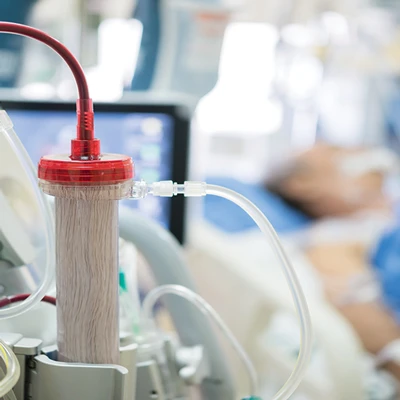
Oakstone The Brigham Board Review and Comprehensive Update in Critical Care Medicine 2026


$35.00
This Product is shared via google drive download link, So please share your correct Gmail id while placing the order .Please note that there are no CME points or certificate associated with this course Samples for Courses Can be found here : Free Samples Here!
Oakstone The Brigham Board Review and Comprehensive Update in Critical Care Medicine 2026
Critical Care Medicine • Intensive Care • Board Review • Mechanical Ventilation • Shock • Sepsis • ICU Emergencies
Develop a comprehensive, evidence-based approach to complex ICU medicine with Oakstone The Brigham Board Review and Comprehensive Update in Critical Care Medicine 2026, an extensive board review and clinical update featuring faculty from Brigham and Women’s Hospital and Harvard Medical School.
This online video program provides expert-led reviews of the major clinical problems encountered in critical care medicine, combining current evidence, practical ICU management strategies, pathophysiology, diagnostic reasoning, and board-focused learning.
The course addresses major areas of critical care including respiratory failure, mechanical ventilation, ARDS, sepsis and shock, acute cardiovascular emergencies, neurologic crises, acute kidney injury, renal replacement therapy, infectious diseases, gastrointestinal emergencies, hematologic disorders, endocrine emergencies, nutrition, surgical critical care, toxicology, pain, agitation, delirium, transplantation, ultrasound, palliative care, and quality and safety.
Course Details
- Course: The Brigham Board Review and Comprehensive Update in Critical Care Medicine
- Provider / Publisher: Oakstone Publishing
- Content By: Brigham and Women’s Hospital
- Year: 2026
- Date of Original Release: August 31, 2026
- Date Credits Expire: August 30, 2029
- Specialty: Critical Care Medicine
- Primary Focus: Critical Care Board Review / ICU Clinical Update
- Format: Online Video
- Original Oakstone Activity: Up to 28.25 AMA PRA Category 1 Credits™
- ABIM MOC: Up to 28.25 MOC Points
- Additional Board Recognition: ABS Continuous Certification CME / Self-Assessment pathway subject to Oakstone requirements
- Language: English
- Content Institution: Brigham and Women’s Hospital
- Accredited By: Oakstone Publishing
Oakstone states that the enduring educational material is designated for a maximum of 28.25 AMA PRA Category 1 Credits™, and eligible participants may earn 28.25 ABIM MOC points after completing the official requirements.
Course Overview
Critical care medicine requires clinicians to integrate rapidly changing physiologic data with complex diagnostic and therapeutic decisions.
Patients admitted to the intensive care unit may simultaneously experience:
- Respiratory failure
- Hemodynamic instability
- Shock
- Sepsis
- Cardiovascular emergencies
- Neurologic emergencies
- Renal failure
- Infectious disease
- Coagulopathy
- Metabolic abnormalities
- Gastrointestinal emergencies
- Multiorgan dysfunction
The Brigham Board Review and Comprehensive Update in Critical Care Medicine 2026 provides a structured review of these problems while emphasizing practical decision-making and preparation for the ABIM Critical Care Medicine certification and recertification examinations.
A practical critical-care framework can be summarized as:
Recognition → Stabilization → Diagnostic Evaluation → Physiologic Support → Targeted Treatment → Monitoring → Reassessment
The program is designed both for physicians preparing for board examinations and clinicians seeking to strengthen their approach to everyday ICU practice.
Learning Objectives
At the conclusion of this course, you should be able to:
- Apply current/recommended critical care guidelines in clinical practice
- Perform differential diagnosis of complex clinical presentations related to critical care disorders
- Identify and apply current therapeutic options for specific critical care disorders
- Analyze and interpret up-to-date literature relevant to clinical practice in critical care medicine
- Recognize and apply knowledge of pathophysiology as it applies to management of critical care disorders
- Apply critical care knowledge and clinical reasoning relevant to the ABIM Critical Care Medicine certification and recertification examinations
These objectives are listed by Oakstone for the 2026 enduring activity.
Major Areas of Critical Care Medicine
The curriculum provides multidisciplinary coverage of major ICU problems, ranging from initial physiologic stabilization to advanced organ support.
Major areas include:
- Shock
- Sepsis
- Respiratory failure
- Mechanical ventilation
- Cardiovascular emergencies
- Gastrointestinal emergencies
- Neurologic critical care
- Hematologic problems
- Acute kidney injury
- Renal replacement therapy
- Infectious diseases
- Endocrine emergencies
- Nutrition
- Surgical critical care
- Toxicology
- Pain and sedation
- Delirium
- Transplant critical care
- Mechanical circulatory support
- Point-of-care ultrasound
- Palliative care
- Quality and safety
Shock & Hemodynamic Management
Shock represents one of the central challenges in intensive care medicine.
The program reviews several major shock syndromes and the physiologic principles used to assess critically ill patients.
Topics Include
- Sepsis and septic shock
- Hemodynamic monitoring
- Hemorrhagic shock
- Cardiogenic shock
An ICU approach to shock may be conceptualized as:
Recognize Shock → Identify Mechanism → Assess Perfusion → Stabilize Hemodynamics → Treat Underlying Cause → Reassess Response
The curriculum combines disease-specific management with principles of cardiovascular physiology and bedside monitoring.
Sepsis and Septic Shock
Sepsis requires rapid recognition of infection-associated organ dysfunction and appropriate resuscitation and treatment.
The program reviews current concepts surrounding:
- Sepsis
- Septic shock
- Hemodynamic assessment
- Organ dysfunction
- Treatment strategies
- Clinical monitoring
The dedicated session Update in Sepsis and Septic Shock is presented by Rebecca M. Baron, MD.
Hemodynamic Monitoring
Hemodynamic information is frequently required when determining the cause of cardiovascular instability and evaluating response to therapy.
The program includes a dedicated review of Hemodynamic Monitoring by Aaron Waxman, MD, PhD.
Clinical decision-making may integrate:
Blood Pressure + Perfusion + Cardiac Function + Volume Status + Oxygen Delivery + Clinical Response
Hemorrhagic & Cardiogenic Shock
The shock curriculum also includes dedicated discussions of:
- Hemorrhagic Shock
- Cardiogenic Shock
These sessions help differentiate shock caused primarily by blood loss from shock associated with impaired cardiac output and cardiovascular failure.
Respiratory Failure
Respiratory failure is among the most common indications for ICU admission.
The Brigham Critical Care review provides extensive coverage of:
- Acute respiratory distress syndrome
- Mechanical ventilation
- Non-invasive ventilation
- High-flow oxygen
- Ventilator liberation
- ABCDEF bundle
The respiratory curriculum emphasizes both physiologic understanding and practical management strategies.
ARDS
Acute Respiratory Distress Syndrome (ARDS) requires integration of respiratory physiology, mechanical ventilation principles, and treatment of the precipitating illness.
The course includes:
ARDS – Pathophysiology and Management
presented by Crystal M. North, MD, MPH.
Major considerations in ARDS care include:
- Recognition
- Disease severity
- Oxygenation
- Ventilatory support
- Lung-protective strategies
- Monitoring
- Treatment of underlying disease
Mechanical Ventilation
Mechanical ventilation is a foundational skill in critical care medicine.
The program includes:
- Basic concepts in mechanical ventilation
- Advanced ventilation concepts
- Non-invasive respiratory support
- High-flow oxygen therapy
- Liberation from mechanical ventilation
- ABCDEF bundle
The dedicated ventilation sessions are led by Gerald L. Weinhouse, MD and other Brigham faculty.
A practical pathway can be summarized as:
Identify Respiratory Failure → Select Respiratory Support → Optimize Ventilation & Oxygenation → Monitor → Treat Cause → Assess Readiness for Liberation
Cardiac Issues in the ICU
Cardiovascular emergencies frequently complicate critical illness.
The course reviews:
- Acute coronary syndromes
- Arrhythmias
- Implantable cardiac electronic devices
- Post-cardiac arrest care
- Pulmonary embolism
These topics provide an integrated review of acute cardiovascular diagnosis and management in critically ill patients.
Acute Coronary Syndromes
The program includes a dedicated critical-care review of Acute Coronary Syndromes presented by David D. Berg, MD, MPH.
Management requires rapid integration of:
Symptoms → ECG → Biomarkers → Hemodynamic Assessment → Risk Stratification → Acute Treatment
Arrhythmias & Cardiac Devices
Critically ill patients may develop clinically significant tachyarrhythmias, bradyarrhythmias, or device-related problems.
The curriculum includes:
- Arrhythmias in the ICU
- Indications and management of implantable electronic cardiac devices in ICU patients
Both sessions are presented by Melanie Maytin, MD.
Post-Cardiac Arrest Care
Following return of spontaneous circulation, patients may require complex multidisciplinary ICU management.
The program includes Post-Cardiac Arrest Care presented by Benjamin M. Scirica, MD, MPH, FACC.
Pulmonary Embolism in the ICU
Severe pulmonary embolism may cause acute right ventricular dysfunction and hemodynamic compromise.
The course includes Pulmonary Embolism in the ICU presented by Samuel Z. Goldhaber, MD.
Gastrointestinal Issues in the ICU
Gastrointestinal disorders can produce or complicate critical illness.
The program includes:
- Acute pancreatitis
- Acute gastrointestinal bleeding
- Acute liver failure
- Clostridioides difficile infection
These sessions provide focused reviews of major GI disorders encountered in intensive care practice.
Acute Pancreatitis
Severe pancreatitis can result in systemic inflammation, hemodynamic instability, organ dysfunction, and prolonged ICU care.
The course includes Acute Pancreatitis presented by David X. Jin, MD, MPH.
Acute GI Bleeding
Acute gastrointestinal hemorrhage may require rapid stabilization, transfusion decisions, localization of bleeding, and procedural management.
The dedicated lecture Acute GI Bleeding is presented by Linda Lee, MD.
Acute Liver Failure
Acute liver failure may involve:
- Coagulopathy
- Encephalopathy
- Metabolic abnormalities
- Hemodynamic instability
- Multiorgan dysfunction
The official curriculum includes Acute Liver Failure in the ICU presented by Anna Rutherford, MD, MPH.
C. difficile Infection
The GI curriculum also includes:
Diagnosis and Management of C. difficile Infection
presented by Jessica Allegretti, MD, MPH.
Neurologic Issues in the ICU
Neurological emergencies require rapid diagnosis because delays can cause irreversible injury.
The neurocritical care curriculum includes:
- Neuromuscular emergencies
- Stroke
- Intracranial hemorrhage
- Intracranial hypertension
- Status epilepticus
- Brain death
These sessions integrate neurologic examination, diagnostic reasoning, emergency treatment, and intensive-care management.
Stroke in Critical Care
Critical-care management of stroke may require attention to:
- Neurologic deterioration
- Airway protection
- Blood pressure
- Intracranial complications
- Systemic complications
The dedicated session is presented by Rahul Mahajan, MD, PhD.
Intracranial Hemorrhage & Intracranial Hypertension
The course includes a dedicated session on:
Intracranial Hemorrhage & Intracranial Hypertension
presented by Bradley J. Molyneaux, MD, PhD.
Status Epilepticus
Status epilepticus is a neurologic emergency requiring rapid recognition and treatment.
The official program includes Status Epilepticus presented by Jong W. Lee, MD, MPH.
Brain Death
The neurocritical care curriculum also addresses Brain Death, presented by Matthew Bevers, MD.
This topic is particularly important for clinicians involved in neurocritical care, end-of-life decision-making, and organ-donation pathways.
Hematologic Issues in the ICU
Critically ill patients frequently develop abnormalities involving:
- Hemoglobin
- Platelets
- Coagulation
- Bleeding
- Transfusion requirements
The curriculum includes:
- Transfusion Practices in the ICU
- Coagulopathy in Critical Care Settings
These sessions are presented by Mischa L. Covington, MD, PhD and Brianna R. Bakow, MD, respectively.
Acute Kidney Injury & Renal Replacement Therapy
Renal dysfunction is common in critically ill patients and can significantly affect fluid balance, medication dosing, electrolyte control, and overall prognosis.
The program includes:
- Acute Kidney Injury
- Renal Replacement Therapy
- Acid-base disorders
- Arterial blood gas interpretation
Gearoid McMahon, MB BCh presents the renal and acid-base sessions.
A practical renal ICU approach includes:
Recognize AKI → Determine Cause → Optimize Hemodynamics → Review Nephrotoxins → Manage Fluids/Electrolytes → Determine Need for Renal Replacement Therapy
Acid-Base Disorders
Interpreting acid-base abnormalities is fundamental to critical care.
The course includes:
Acid-base Disorders – ABG’s
with review of problems encountered in patients with respiratory, metabolic, renal, circulatory, and toxicologic disorders.
Infectious Disease Issues in the ICU
Infection remains one of the major causes of critical illness.
The infectious-disease section includes:
- Ventilator-associated pneumonia
- Infection and fever of unknown origin
- Antibiotic use in the ICU
- Emerging infectious diseases
These sessions emphasize appropriate diagnostic and therapeutic decision-making in critically ill patients.
Ventilator-Associated Pneumonia
Mechanical ventilation increases the complexity of diagnosing and managing pulmonary infection.
The course includes Ventilator-Associated Pneumonia presented by Michael Klompas, MD.
Infection, FUO & Antibiotic Use
The program includes:
Infection, FUO, and Antibiotic Use in the ICU
presented by Jennifer A. Johnson, MD.
Clinical assessment may require integrating:
Source Identification + Microbiology + Host Factors + Severity + Antibiotic Selection + Reassessment
Emerging Infectious Diseases
The official curriculum also includes Emerging Infectious Diseases, presented by Michael Klompas, MD.
Endocrine Issues in the ICU
Critical illness can produce or reveal severe endocrine and metabolic abnormalities.
The program reviews:
- Hyperglycemia in critically ill patients
- Endocrine crises
Both dedicated endocrine lectures are presented by Athanasios Bikas, MD.
Nutrition Support in Critical Illness
Nutrition is an important component of supportive ICU care.
The curriculum includes:
Nutrition Support in the Critically Ill – How Soon, How Much, and How
presented by Cagney C. Cristancho, MD.
The session addresses practical considerations surrounding nutrition timing, quantity, and delivery in critically ill patients.
Evidence-Based Preventative Therapy
ICU care involves not only treating acute disease but also preventing complications associated with critical illness and hospitalization.
The program includes Evidence-Based Preventative Therapy in the ICU, presented by Kathleen Haley, MD.
Surgical Critical Care
The program also addresses problems frequently managed in surgical and multidisciplinary ICUs.
Topics include:
- Burns
- Inhalational injuries
- Abdominal catastrophes
- Abdominal compartment syndrome
- Obstetric critical care
This makes the program relevant not only to medical intensivists but also to surgeons seeking a broad critical-care update.
Burns & Inhalational Injury
The official curriculum includes:
Treatment of the Patient with Burns and Inhalational Injuries
presented by Anupama Mehta, MD.
Abdominal Catastrophes
The course includes:
Abdominal Catastrophes and Abdominal Compartment Syndrome
presented by Reza Askari, MD.
Obstetric Critical Care
Critical illness during pregnancy presents unique physiologic and therapeutic challenges.
The program includes Obstetric Critical Care presented by Sarah R. Easter, MD.
Pain, Agitation & Delirium
Pain, sedation, agitation, and delirium can significantly influence ICU outcomes and patient experience.
The program includes:
Management of Pain, Agitation, and Delirium in the ICU
presented by John W. Devlin, PharmD, BCCCP, MCCM.
The course also includes a separate session on:
ICU Pain Management and Opioid Stewardship
presented by Paul M. Szumita, PharmD, FCCM, FASHP, BCCCP, BCPS.
Critical Care Pharmacology
Medication management in critical illness is complicated by:
- Organ dysfunction
- Drug interactions
- Altered pharmacokinetics
- Hemodynamic instability
- Renal replacement therapy
- Polypharmacy
The program includes a dedicated Critical Care Pharmacology session led by Paul M. Szumita, PharmD, FCCM, FASHP, BCCCP, BCPS.
Toxicology
Critically ill patients with toxic exposures require a structured approach to stabilization and diagnosis.
The curriculum includes:
An Approach to the Poisoned Patient
presented by Peter R. Chai, MD, MMS.
Transplant Patients in the ICU
Patients with organ transplants may present unique diagnostic and therapeutic challenges related to:
- Immunosuppression
- Infection
- Graft dysfunction
- Medication effects
- Organ-specific complications
The course includes ICU Issues for the Transplant Patient presented by Adil Sheikh, MD.
Mechanical Circulatory Support
Advanced cardiovascular critical care increasingly involves mechanical circulatory support.
The official curriculum includes:
Mechanical Circulatory Support Devices in ICU
presented by Raghu Seethala, MD.
Ultrasound in the ICU
Point-of-care ultrasound has become an important bedside diagnostic tool in modern intensive care medicine.
The course includes:
Ultrasound in the ICU – What Every Intensivist Should Know
presented by Louisa J. Palmer, MBBS.
Palliative Care in the ICU
Critical care also requires thoughtful communication and decision-making around prognosis, treatment goals, symptom burden, and end-of-life care.
The program includes:
Palliative Care in ICU
presented by Katherine Walker, MD, MSC.
Ethical Dilemmas in Critical Care
Ethically complex situations are frequent in intensive care environments.
The course includes Ethical Dilemmas in the ICU, presented by Kathleen Haley, MD.
Quality & Safety in Critical Care
High-quality ICU care requires both clinical expertise and systems-based approaches to reducing preventable harm.
The curriculum includes:
Quality and Safety in Critical Care
presented by Paul F. Currier, MD.
Clinical Trials & Evidence-Based Critical Care
Critical care recommendations continue to evolve as new clinical trials and evidence become available.
The program includes:
Basics of Clinical Trials
presented by Siddharth M. Patel, MD, MPH.
This supports the learning objective of analyzing and interpreting current medical literature relevant to critical care practice.
Course Directors
Kathleen Haley, MD
- Assistant Professor of Medicine
- Harvard Medical School
- Division of Pulmonary and Critical Care Medicine
- Department of Medicine
- Brigham and Women’s Hospital
- Boston, Massachusetts
Gerald L. Weinhouse, MD
- Assistant Professor of Medicine
- Harvard Medical School
- Division of Pulmonary and Critical Care Medicine
- Department of Medicine
- Brigham and Women’s Hospital
- Boston, Massachusetts
Oakstone identifies Kathleen Haley, MD and Gerald L. Weinhouse, MD as Course Directors.
Target Audience
The primary group of learners will be fellows/trainees and practicing critical care specialists (MDs), and other professional affiliates (internists with an interest in critical care) who are preparing to take ABIM Board Review or Recertification Examinations or who seek activities to improve patient care in the area of critical care medicine.
This activity is also appropriate for surgeons who want to update their knowledge in critical care.
The target audience is regional, national, and international.
The program is particularly relevant for:
- Critical Care Physicians
- Intensivists
- Critical Care Fellows
- Critical Care Trainees
- Internal Medicine Physicians
- Pulmonary and Critical Care Physicians
- Surgeons involved in critical care
- Physicians preparing for ABIM Critical Care Medicine certification
- Physicians preparing for Critical Care Medicine recertification
Who Should Take This Course?
Oakstone The Brigham Board Review and Comprehensive Update in Critical Care Medicine 2026 is particularly suited to clinicians seeking either comprehensive ICU education or structured board-examination preparation.
It is especially relevant for professionals who want to strengthen knowledge in:
- Critical care medicine
- ABIM board preparation
- Shock and sepsis
- Mechanical ventilation
- Respiratory failure
- Cardiovascular critical care
- Neurocritical care
- Acute kidney injury
- Renal replacement therapy
- Infectious diseases in the ICU
- Surgical critical care
- ICU pharmacology
- Point-of-care ultrasound
- Pain, agitation, and delirium management
- Quality and safety
Why This Course Is Useful
The strength of The Brigham Board Review and Comprehensive Update in Critical Care Medicine 2026 is its broad multidisciplinary coverage of the problems that intensivists routinely encounter.
Rather than concentrating on a single organ system, the curriculum integrates:
Respiratory → Hemodynamic → Cardiac → Neurologic → Renal → Infectious → GI → Hematologic → Endocrine → Surgical → Supportive ICU Care
It also combines clinical updates with knowledge relevant to the ABIM Critical Care Medicine certification and recertification examinations.
Critical Care Board Review
Board preparation requires more than memorizing isolated facts.
The course emphasizes the ability to combine:
Pathophysiology + Differential Diagnosis + Diagnostic Testing + Evidence + Therapeutic Options + Clinical Reasoning
This approach directly reflects the official learning objectives of the program, which emphasize critical-care guidelines, differential diagnosis, therapeutic decision-making, interpretation of current literature, pathophysiology, and ABIM-relevant clinical reasoning.
Original Oakstone Accreditation
Oakstone Publishing is accredited by the Accreditation Council for Continuing Medical Education (ACCME) to provide continuing medical education for physicians.
For the original Oakstone activity:
- Maximum CME: 28.25 AMA PRA Category 1 Credits™
- ABIM MOC: 28.25 MOC Points
- ABS: Eligible activity toward CME and Self-Assessment requirements of the American Board of Surgery Continuous Certification program, subject to official requirements
- Original Release: August 31, 2026
- Credits Expire: August 30, 2029
- CME credit requires successful completion of the official course evaluation and post-test.
Important CME / Certificate Notice
The accreditation above applies to participation through the official Oakstone educational activity and completion of Oakstone’s required processes.
If the MedicalAmboss product consists only of independently delivered educational files, do not advertise:
- 28.25 CME Credits Included
- 28.25 ABIM MOC Points Included
- ABS Credit Included
- Official Oakstone Certificate Included
- Official Oakstone Registration Included
unless official Oakstone participation and credit-claiming access are actually part of the product.
The safer wording is:
Original Oakstone Activity: Up to 28.25 AMA PRA Category 1 Credits™
Short Description
Oakstone The Brigham Board Review and Comprehensive Update in Critical Care Medicine 2026 provides an extensive evidence-based review of major clinical problems encountered in the intensive care unit.
Content from Brigham and Women’s Hospital covers sepsis, septic shock, hemodynamic monitoring, ARDS, mechanical ventilation, acute coronary syndromes, arrhythmias, cardiac arrest, pulmonary embolism, gastrointestinal emergencies, neurocritical care, coagulopathy, acute kidney injury, renal replacement therapy, ICU infections, endocrine emergencies, nutrition, surgical critical care, pharmacology, toxicology, agitation and delirium, transplant patients, mechanical circulatory support, ICU ultrasound, palliative care, and quality and safety.
Provider: Oakstone Publishing
Content By: Brigham and Women’s Hospital
Date of Original Release: August 31, 2026
Credits Expire: August 30, 2029
Original Oakstone Activity: Up to 28.25 AMA PRA Category 1 Credits™
ABIM MOC: Up to 28.25 MOC Points
Course Directors: Kathleen Haley, MD; Gerald L. Weinhouse, MD
Specialty: Critical Care Medicine
Topics / Speakers
Shock
- Update in Sepsis and Septic Shock — Rebecca M. Baron, MD
- Hemodynamic Monitoring — Aaron Waxman, MD, PhD
- Hemorrhagic Shock — Reza Askari, MD
- Cardiogenic Shock — Akshay Desai, MD, MPH
Respiratory Failure
- ARDS – Pathophysiology and Management — Crystal M. North, MD, MPH
- Basic and Advanced Concepts in Mechanical Ventilation — Gerald L. Weinhouse, MD
- Non-Invasive Ventilation and High Flow Oxygen Therapy — Rebecca M. Sternschein, MD
- Mechanical Ventilation – Liberation and ABCDEF Bundle — Gerald L. Weinhouse, MD
Cardiac Issues in the ICU
- Acute Coronary Syndromes — David D. Berg, MD, MPH
- Arrhythmias in the ICU — Melanie Maytin, MD
- Indications and Management of Implantable Electronic Cardiac Devices in ICU Patients — Melanie Maytin, MD
- Post-Cardiac Arrest Care — Benjamin M. Scirica, MD, MPH, FACC
- Pulmonary Embolism in the ICU — Samuel Z. Goldhaber, MD
GI Issues in the ICU
- Acute Pancreatitis — David X. Jin, MD, MPH
- Acute GI Bleeding — Linda Lee, MD
- Acute Liver Failure in the ICU — Anna Rutherford, MD, MPH
- Diagnosis and Management of C. difficile Infection — Jessica Allegretti, MD, MPH
Neuro Issues in the ICU
- Neuromuscular Emergencies — Anthony Amato, MD
- Stroke in Critical Care — Rahul Mahajan, MD, PhD
- Intracranial Hemorrhage & Intracranial Hypertension — Bradley J. Molyneaux, MD, PhD
- Status Epilepticus — Jong W. Lee, MD, MPH
- Brain Death — Matthew Bevers, MD
Hematologic Issues in the ICU
- Transfusion Practices in the ICU — Mischa L. Covington, MD, PhD
- Coagulopathy in Critical Care Settings — Brianna R. Bakow, MD
Renal Issues in the ICU
- Acute Kidney Injury and Renal Replacement Therapy — Gearoid McMahon, MB BCh
- Acid-base Disorders – ABG’s — Gearoid McMahon, MB BCh
Infectious Disease Issues in the ICU
- Ventilator-Associated Pneumonia — Michael Klompas, MD
- Infection, FUO, and Antibiotic Use in the ICU — Jennifer A. Johnson, MD
- Emerging Infectious Diseases — Michael Klompas, MD
Endocrine Issues in the ICU
- Diagnosis and Management of Hyperglycemia in the ICU — Athanasios Bikas, MD
- Endocrine Crises in the ICU — Athanasios Bikas, MD
General Care Issues in the ICU
- Nutrition Support in the Critically Ill – How Soon, How Much, and How — Cagney C. Cristancho, MD
- Evidence-Based Preventative Therapy in the ICU — Kathleen Haley, MD
Surgical Critical Care Issues in the ICU
- Treatment of the Patient with Burns and Inhalational Injuries — Anupama Mehta, MD
- Abdominal Catastrophes and Abdominal Compartment Syndrome — Reza Askari, MD
- Obstetric Critical Care — Sarah R. Easter, MD
Miscellaneous ICU Issues
- Ethical Dilemmas in the ICU — Kathleen Haley, MD
- Critical Care Pharmacology — Paul M. Szumita, PharmD, FCCM, FASHP, BCCCP, BCPS
- An Approach to the Poisoned Patient — Peter R. Chai, MD, MMS
- Management of Pain, Agitation, and Delirium in the ICU — John W. Devlin, PharmD, BCCCP, MCCM
- ICU Issues for the Transplant Patient — Adil Sheikh, MD
- Mechanical Circulatory Support Devices in ICU — Raghu Seethala, MD
- Ultrasound in the ICU – What Every Intensivist Should Know — Louisa J. Palmer, MBBS
- ICU Pain Management and Opioid Stewardship — Paul M. Szumita, PharmD, FCCM, FASHP, BCCCP, BCPS
- Palliative Care in ICU — Katherine Walker, MD, MSC
- Basics of Clinical Trials — Siddharth M. Patel, MD, MPH
- Quality and Safety in Critical Care — Paul F. Currier, MD
- Sickle Cell — Maureen M. Achebe, MD
The topic and speaker titles above follow Oakstone’s official 2026 program listing.
Shock
- Update in Sepsis and Septic Shock – Rebecca M. Baron, MD
- Hemodynamic Monitoring – Aaron Waxman, MD, PhD
- Hemorrhagic Shock – Reza Askari, MD
- Cardiogenic Shock – Akshay Desai, MD, MPH
Respiratory Failure
- ARDS – Pathophysiology and Management – Crystal M. North, MD, MPH
- Basic and Advanced Concepts in Mechanical Ventilation – Gerald L. Weinhouse, MD
- Non-Invasive Ventilation and High Flow Oxygen Therapy – Rebecca M. Sternschein, MD
- Mechanical Ventilation – Liberation and ABCDEF Bundle – Gerald L. Weinhouse, MD
Cardiac Issues in the ICU
- Acute Coronary Syndromes – David D. Berg, MD, MPH
- Arrhythmias in the ICU – Melanie Maytin, MD
- Indications and Management of Implantable Electronic Cardiac Devices in ICU Patients – Melanie Maytin, MD
- Post-Cardiac Arrest Care – Benjamin M. Scirica, MD, MPH, FACC
- Pulmonary Embolism in the ICU – Samuel Z. Goldhaber, MD
GI Issues in the ICU
- Acute Pancreatitis – David X. Jin, MD, MPH
- Acute GI Bleeding – Linda Lee, MD
- Acute Liver Failure in the ICU – Anna Rutherford, MD, MPH
- Diagnosis and Management of C. difficile Infection – Jessica Allegretti, MD, MPH
Neuro Issues in the ICU
- Neuromuscular Emergencies – Anthony Amato, MD
- Stroke in Critical Care – Rahul Mahajan, MD, PhD
- Intracranial Hemorrhage & Intracranial Hypertension – Bradley J. Molyneaux, MD, PhD
- Status Epilepticus – Jong W. Lee, MD, MPH
- Brain Death – Matthew Bevers, MD
Hematologic Issues in the ICU
- Transfusion Practices in the ICU – Mischa L. Covington, MD, PhD
- Coagulopathy in Critical Care Settings – Brianna R. Bakow, MD
Renal Issues in the ICU
- Acute Kidney Injury and Renal Replacement Therapy – Gearoid McMahon, MB BCh
- Acid-base Disorders – ABG’s – Gearoid McMahon, MB BCh
Infectious Disease Issues in the ICU
- Ventilator-Associated Pneumonia – Michael Klompas, MD
- Infection, FUO, and Antibiotic Use in the ICU – Jennifer A. Johnson, MD
- Emerging Infectious Diseases – Michael Klompas, MD
Endocrine Issues in the ICU
- Diagnosis and Management of Hyperglycemia in the ICU – Athanasios Bikas, MD
- Endocrine Crises in the ICU – Athanasios Bikas, MD
General Care Issues in the ICU
- Nutrition Support in the Critically Ill – How Soon, How Much, and How – Cagney C. Cristancho, MD
- Evidence-Based Preventative Therapy in the ICU – Kathleen Haley, MD
Surgical Critical Care Issues in the ICU
- Treatment of the Patient with Burns and Inhalational Injuries – Anupama Mehta, MD
- Abdominal Catastrophes and Abdominal Compartment Syndrome – Reza Askari, MD
- Obstetric Critical Care – Sarah R. Easter, MD
Miscellaneous ICU Issues
- Ethical Dilemmas in the ICU – Kathleen Haley, MD
- Critical Care Pharmacology – Paul M. Szumita, PharmD, FCCM, FASHP, BCCCP, BCPS
- An Approach to the Poisoned Patient – Peter R. Chai, MD, MMS
- Management of Pain, Agitation, and Delirium in the ICU – John W. Devlin, PharmD, BCCCP, MCCM
- ICU Issues for the Transplant Patient – Adil Sheikh, MD
- Mechanical Circulatory Support Devices in ICU – Raghu Seethala, MD
- Ultrasound in the ICU – What Every Intensivist Should Know – Louisa J. Palmer, MBBS
- ICU Pain Management and Opioid Stewardship – Paul M. Szumita, PharmD, FCCM, FASHP, BCCCP, BCPS
- Palliative Care in ICU – Katherine Walker, MD, MSC
- Basics of Clinical Trials – Siddharth M. Patel, MD, MPH
- Quality and Safety in Critical Care – Paul F. Currier, MD
- Sickle Cell – Maureen M. Achebe, MD
Related products

Cardiology

Critical Care - Emergency medicine

Anesthesiology & pain medicine
Critical Care - Emergency medicine
2022 UPDATES IN THERAPEUTICS: CRITICAL CARE PHARMACY PREPARATORY REVIEW AND RECERTIFICATION COURSE

USMLE / kaplan and Board Review
Uworld USMLE COMLEX Level 1 Qbank, Updated Jan 2023, System- and Subject-wise (PDF)
Internal Medicine

Critical Care - Emergency medicine

Internal Medicine