
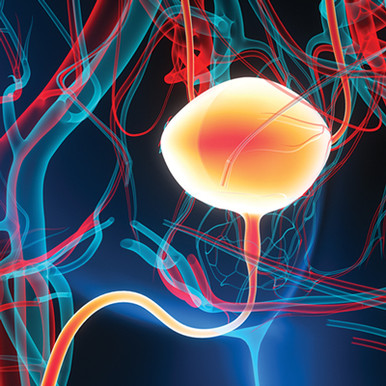
Oakstone Update in Urologic Oncology 2026


$35.00
This Product is shared via google drive download link, So please share your correct Gmail id while placing the order .Please note that there are no CME points or certificate associated with this course Samples for Courses Can be found here : Free Samples Here!
Oakstone Update in Urologic Oncology 2026 (Videos)
Comprehensive Updates in Genitourinary Oncology, Prostate Cancer, Bladder Cancer, Kidney Cancer, Testicular Cancer, NCCN Guidelines, Immunotherapy, Precision Medicine & Multidisciplinary Cancer Care
Advance your expertise in modern genitourinary (GU) oncology with Oakstone Update in Urologic Oncology 2026, a comprehensive continuing medical education (CME) program designed to provide clinicians with the latest evidence-based advances in diagnosing, staging, and managing genitourinary malignancies. This high-yield educational course delivers an in-depth review of current NCCN and AUA guideline updates, landmark clinical trials, precision oncology, novel systemic therapies, advanced imaging, and multidisciplinary treatment strategies that are transforming urologic cancer care.
Originally released on May 31, 2026, this extensive online video program includes approximately 22.75 hours of expert-led education covering the complete spectrum of GU oncology—from localized disease through advanced and metastatic cancers. Faculty members present practical, case-based discussions that translate emerging evidence into real-world clinical workflows, enabling clinicians to optimize treatment selection, improve multidisciplinary coordination, and deliver personalized patient-centered cancer care.
Designed for practicing urologists, urologic oncologists, and medical oncologists, this program equips participants with the knowledge required to confidently manage prostate, bladder, kidney, penile, testicular, adrenal, and upper urinary tract malignancies using today’s most current therapeutic approaches.
Product Details
- Course: Oakstone Update in Urologic Oncology 2026
- Provider: Oakstone
- Original Release Date: May 31, 2026
- Format: Online Videos
- Duration: Approximately 22.75 Hours
- Language: English
- Educational Level: Advanced
- Learning Format: Expert Video Lectures, Clinical Case Reviews, Evidence-Based Updates, Guideline Reviews
Course Overview
The field of genitourinary oncology continues to evolve rapidly with advances in molecular diagnostics, genomic profiling, immunotherapy, targeted therapies, minimally invasive surgery, radiation techniques, and precision medicine. New evidence from pivotal clinical trials and updated professional guidelines increasingly influences treatment sequencing, risk stratification, survivorship, and multidisciplinary care.
Oakstone Update in Urologic Oncology 2026 provides a comprehensive review of these developments through an evidence-based curriculum focused on improving both board examination preparation and everyday clinical practice. International experts review disease-specific management strategies, current NCCN and AUA recommendations, biomarker-guided treatment, novel imaging modalities, immuno-oncology, and emerging therapeutics across the entire spectrum of GU malignancies.
Participants gain practical tools that improve diagnostic accuracy, personalize treatment selection, enhance care coordination, and optimize long-term patient outcomes.
What You’ll Learn
After completing this course, participants will be able to:
- Apply the latest NCCN and AUA guideline recommendations in genitourinary oncology.
- Interpret pivotal clinical trial data affecting prostate, bladder, kidney, and testicular cancer management.
- Integrate molecular diagnostics, genomic profiling, and biomarkers into personalized treatment planning.
- Develop multidisciplinary treatment strategies combining surgery, systemic therapy, radiation therapy, and survivorship care.
- Utilize modern immunotherapy and targeted therapies appropriately.
- Apply advanced imaging technologies for diagnosis, staging, and treatment monitoring.
- Evaluate emerging therapies and evolving standards of care in GU oncology.
- Improve coordination of multidisciplinary cancer care across diverse clinical settings.
Comprehensive Topics Covered
Prostate Cancer
Master contemporary management of localized and advanced prostate cancer.
Topics include:
- Localized prostate cancer
- Metastatic prostate cancer
- Active surveillance
- Radical prostatectomy
- Hormonal therapy
- Castration-resistant prostate cancer
- Precision treatment strategies
Faculty review evolving evidence supporting individualized treatment selection across every disease stage.
Bladder Cancer
Strengthen evidence-based management of urothelial malignancies.
Topics include:
- Non-muscle invasive bladder cancer
- Muscle-invasive bladder cancer
- Metastatic urothelial carcinoma
- Intravesical therapy
- Radical cystectomy
- Bladder preservation
- Systemic therapy
Kidney Cancer
Review advances in renal cell carcinoma management.
Topics include:
- Renal cell carcinoma
- Partial nephrectomy
- Radical nephrectomy
- Active surveillance
- Metastatic kidney cancer
- Targeted therapies
- Combination immunotherapy
Testicular Cancer
Update diagnostic and therapeutic approaches.
Topics include:
- Germ cell tumors
- Seminoma
- Non-seminomatous germ cell tumors
- Retroperitoneal lymph node dissection
- Chemotherapy
- Survivorship
- Long-term follow-up
Upper Tract & Rare GU Malignancies
Expand expertise beyond common GU cancers.
Topics include:
- Upper tract urothelial carcinoma
- Penile cancer
- Adrenal tumors
- Rare genitourinary malignancies
- Surgical management
- Systemic treatment
- Multidisciplinary care
Precision Oncology & Biomarkers
Integrate personalized medicine into clinical practice.
Topics include:
- Molecular diagnostics
- Genomic profiling
- Precision oncology
- Predictive biomarkers
- Germline testing
- Somatic mutations
- Personalized treatment algorithms
Faculty discuss how genomic data increasingly guides therapeutic decision-making.
Immunotherapy & Systemic Therapy
Review rapidly evolving cancer therapeutics.
Topics include:
- Immune checkpoint inhibitors
- Immuno-oncology
- Targeted therapy
- Combination therapy
- Antibody-drug conjugates
- Hormonal therapy
- Novel systemic treatments
Advanced Imaging
Improve diagnostic accuracy and disease staging.
Topics include:
- PSMA PET imaging
- Multiparametric MRI
- CT imaging
- PET/CT
- Functional imaging
- Disease monitoring
- Response assessment
Multidisciplinary Cancer Care
Optimize coordination among oncology specialists.
Topics include:
- Multidisciplinary tumor boards
- Shared decision-making
- Radiation oncology
- Medical oncology
- Surgical oncology
- Care coordination
- Patient-centered treatment
Survivorship & Supportive Care
Enhance long-term outcomes for cancer survivors.
Topics include:
- Cancer survivorship
- Quality of life
- Treatment toxicity
- Functional recovery
- Sexual health
- Urinary function
- Long-term follow-up
Emerging Research & Future Therapies
Stay current with the future of GU oncology.
Topics include:
- Landmark clinical trials
- Emerging therapeutics
- Precision medicine
- Artificial intelligence
- Novel biomarkers
- Future standards of care
- Translational oncology
Learning Objectives
Upon completion of this educational activity, participants will be able to:
- Interpret the latest NCCN and AUA guideline updates alongside pivotal clinical trial evidence for localized and advanced genitourinary cancers.
- Integrate imaging, molecular diagnostics, genomic profiling, and biomarker information into individualized diagnostic and treatment algorithms.
- Develop multidisciplinary treatment plans that appropriately sequence surgery, systemic therapy, radiation therapy, and survivorship care.
- Apply evidence-based multidisciplinary strategies that improve care coordination and patient outcomes.
- Evaluate emerging therapies, ongoing clinical trials, and evolving standards of care in modern urologic oncology.
Educational Highlights
- Genitourinary Oncology
- Prostate Cancer
- Bladder Cancer
- Kidney Cancer
- Renal Cell Carcinoma
- Testicular Cancer
- Penile Cancer
- Urothelial Carcinoma
- NCCN Guidelines
- AUA Guidelines
- Precision Oncology
- Molecular Diagnostics
- Genomic Profiling
- Immunotherapy
- Targeted Therapy
- PSMA PET Imaging
- Multidisciplinary Cancer Care
- Cancer Survivorship
- Urologic Oncology Board Review
- Continuing Medical Education (CME)
Why This Course Stands Out
Oakstone Update in Urologic Oncology 2026 delivers one of the most comprehensive educational reviews available in genitourinary cancer care. By integrating updated clinical guidelines, landmark trial results, molecular oncology, advanced imaging, precision medicine, and multidisciplinary treatment strategies into a single high-yield program, it provides clinicians with practical tools that can immediately improve clinical decision-making. Its balanced emphasis on both board preparation and real-world patient management makes it an exceptional educational resource for physicians caring for patients with GU malignancies.
Target Audience
This educational activity is ideal for:
- Urologists
- Urologic Oncologists
- Medical Oncologists
- Radiation Oncologists
- Surgical Oncologists
- Genitourinary Oncology Fellows
- Urology Residents
- Medical Oncology Fellows
- Internal Medicine Physicians with Oncology Interest
- Oncology Nurse Practitioners
- Physician Assistants in Oncology
- Healthcare Professionals involved in multidisciplinary genitourinary cancer care
Why Choose This Course?
Whether you specialize in urologic oncology, medical oncology, urology, or multidisciplinary cancer care, Oakstone Update in Urologic Oncology 2026 provides one of the most comprehensive educational resources available for modern GU cancer management. Through expert-led video lectures, guideline reviews, evidence-based discussions, and practical clinical insights, participants gain the knowledge needed to integrate precision diagnostics, optimize treatment sequencing, improve survivorship care, and deliver outstanding outcomes for patients with genitourinary malignancies.
+ Topics:
Understanding the Global Epidemiology and Burden of Genitourinary Cancers – Aaron Laviana, MD, MBA
Clinical Trial Design and Interpretation for the Busy Surgeon – Kristian Stensland, MD, MPH, MS
Contemporary PSA-Based Screening for Prostate Cancer – Evidence, Controversies, and Risk-Adapted Approach – Udit Singhal, MD
Prostate Biopsy – Techniques, Pitfalls, and Future Directions – Kara Watts, MD
Genomic Classifiers Part 1 – Prostate Cancer Screening Risk Assessment – Randy A. Vince, Jr., MD, MS
Genomic Classifiers Part 2 – Prostate Cancer Risk Stratification – Randy A. Vince, Jr., MD, MS
Active Surveillance in Prostate Cancer – Kristen R. Scarpato, MD, MPH
Robotic-Assisted Radical Prostatectomy – Novel Techniques – Keith J. Kowalczyk, MD
Radiation Therapy for Prostate Cancer – Low and Intermediate Risk Categories – Khush Singh Aujla, MD, MHA
Radiation Therapy for Prostate Cancer – High-Risk Localized and Locally Advanced Categories – Khush Singh Aujla, MD, MHA
Focal Therapy for Prostate Cancer – Kara Watts, MD
Principles of Prostate Cancer Survivorship after Radical Prostatectomy – Erectile Dysfunction and Urinary Incontinence – Niels V. Johnsen, MD, MPH, FACS
ligometastatic and Biochemical Recurrence of Prostate Cancer – Mohummad Minhaj Siddiqui, MD FACS
Management of Advanced Prostate Cancer for the Urologist – Part 1 – De novo Locally Advanced Systemic Therapy – Catherine Fahey, MD, PhD
Management of Advanced Prostate Cancer for the Urologist – Part 2 – De novo Metastatic Systemic Therapy – Catherine Fahey, MD, PhD
Managing Treatment-Related Adverse Effects, Sexual Health, and Survivorship after Prostate Cancer Treatment – Cameron J. Britton, MD
Contemporary Workup of Microscopic and Gross Hematuria – Mary Beth Westerman, MD
Non-Muscle-Invasive Bladder Cancer Part 1 – Diagnosis and Risk Stratification – Helen Y. Hougen, MD
Non-Muscle-Invasive Bladder Cancer Part 2 – Treatments – Helen Y. Hougen, MD
Neo-Adjuvant Chemotherapy Prior to Radical Cystectomy for Muscle Invasive Bladder Cancer – Parminder Singh, MD
Adjuvant Therapy for Muscle – Invasive Bladder Cancer – Parminder Singh, MD
Radical Cystectomy for Muscle-Invasive Bladder Cancer – Surgical Approaches and Urinary Diversions – Laura Bukavina, MD, MPH, MSc
Trimodality Bladder-Preservation Protocols for MIBC – Wesley Yip, MD
Upper-Tract Urothelial Carcinoma – Diagnosis and Treatment – Amy Luckenbaugh, MD, FACS
Novel Imaging Strategies in Renal Mass Staging and Detection – Ava Saidian, MD
Management of Small Renal Masses – Daniel D. Shapiro, MD, FACS
Surgical Approaches for Renal Masses – Overview of Open Surgery, and Anatomical Considerations – Kelvin A. Moses, MD, PhD, FACS
Small Renal Masses – Overview of Robotic Approaches – Daniel D. Joyce, MD, MS
Advanced RCC – Venous Tumor Thrombi and Cytoreductive Nephrectomy – Vidit Sharma, MD, MS
Renal Cell Carcinoma – Implications for Radiation Therapy – Dakim Gaines, MD, PhD
The Systemic Therapy Landscape for RCC – Katy Beckermann, MD, PhD
Non-Clear-Cell Renal Masses and Hereditary RCC Syndromes – Allison May, MD
Early-Stage Germ-Cell Tumors – Management Approaches – Daniel D. Joyce, MD, MS
Metastatic Germ-Cell Cancer – Management Approaches – Nirmish Singla, MD, MSCS, FACS
Penile Cancer Part 1 – Organ Confined Disease – Reza Nabavizadeh, MD
Penile Cancer Part 2 – Adavanced Disease – Reza Nabavizadeh, MD
Enhanced Recovery After Surgery – Saum B. Ghodoussipour, MD
Palliative and End-of-Life Care – Integrating Early with Curative-Intent Pathways – Kristen R. Scarpato, MD, MPH
Artificial Intelligence Applications for GU Cancers – Abhinav Khanna, MD
Optimizing Sexual Health in Women Undergoing Radical Cystectomy – Ariana L. Smith, MD
Pediatric Urologic Oncology – Leslie M. Peard, MD
Frailty Assessments in GU Cancer Patients – Logan Briggs, MD
Diagnosis and Management of Benign Adrenal Lesions – Marshall Strother, MD
Malignant Adrenal Masses for the Urologist – Jacob Tallman, MD
Smoking Cessation in Genitourinary Cancer Care – Marc Bjurlin, DO, MSc
Optimizing Performance and Efficiency in Robotic-Assisted Procedures – Janet Kukreja, MD, MPH, FACS
Related products

Critical Care - Emergency medicine
ASN Critical Care Nephrology – 2022 Update (On-Demand and Livestream)
Anesthesiology & pain medicine
Critical Care Symposium: Mastering ED Mechanical Ventilation
Internal Medicine

Internal Medicine

Internal Medicine

Internal Medicine

Critical Care - Emergency medicine

Critical Care - Emergency medicine