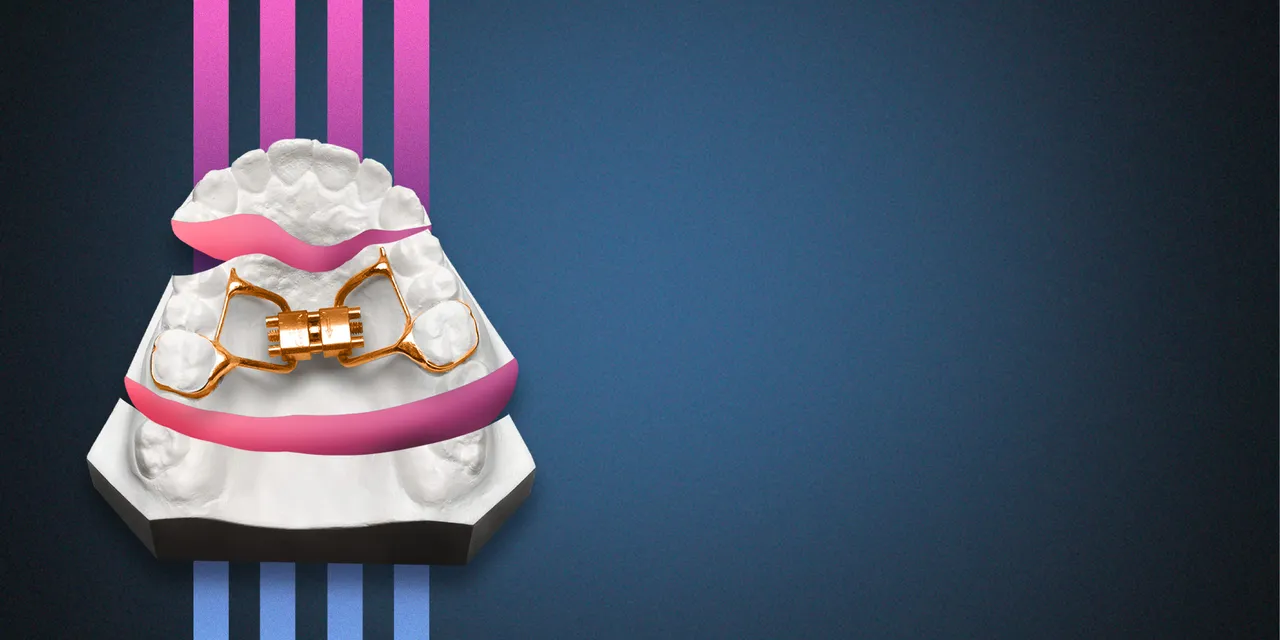
OHI-S OrthoEvolution 3.0 4 lessons 5h 54min
Original price was: $350.00.$40.00Current price is: $40.00.
Four lessons totaling 5 hours 54 minutes cover orthodontic retention, relapse, root resorption, facial asymmetry, and condylar disorders. OrthoEvolution 3.0 also examines progressive condylar resorption, severe TMJ disease, joint replacement, and post-surgical orthodontic care, with emphasis on diagnosis, treatment planning, and stability.
Delivery Information: This Product is shared via google drive download link. Please use your correct Gmail address at checkout.
Please note: there are no CME points or certificate associated with this course.
Samples for Courses Can be found here: Free Samples Here!
OrthoEvolution 3.0 examines orthodontic stability alongside facial asymmetry and temporomandibular joint disorders. Its four lessons, listed at 5 hours 54 minutes, begin with retention planning and relapse before moving to root resorption and its biological, mechanical, and genetic risk factors. The later lessons address hemimandibular hyperplasia, condylar abnormalities, and the choice between conservative and surgical approaches. Case-based content also considers progressive or idiopathic condylar resorption, joint replacement, and orthodontic care after surgery. The course is relevant to orthodontists and clinicians working with oral and maxillofacial teams on cases where skeletal or joint pathology affects treatment planning and long-term stability.
Learning Objectives
Upon completion of this program, participants should be better able to:
- Formulate comprehensive retention plans to prevent relapse, utilizing space-saving techniques, mini-implants, elastics, and specific protocols for Class 2 and open bite cases.
- Identify predisposing genetic, biological, and mechanical factors for root resorption to effectively inform patients and manage treatment risks.
- Diagnose facial asymmetry and differentiate underlying pathologies, including hemimandibular hyperplasia, condylar hypoplasia, and osteochondroma.
- Develop 3D treatment plans for hemimandibular hyperplasia, evaluating the efficacy of conservative versus surgical approaches.
- Assess and clinically manage progressive/idiopathic condylar resorption and degenerative TMJ diseases.
- Execute protocols for unsalvageable TMJs, including indications for autogenous and alloplastic replacements alongside post-surgical orthodontic care.
Topics
Lesson 1. Retention and relapse in orthodontics
-
Retention of treatment results
-
The dependence of the retention plan on the ongoing orthodontic treatment
-
Saving space for tooth extraction (clinical case demonstration)
-
The final stage of orthodontic treatment and detail in order to obtain a stable result
-
Evidence-Based Open Bite Treatment Protocol
-
The use of mini implants and elastics in order to obtain a table result
-
Protocols to follow after maxillary expansion
-
The value of excessive correction in obtaining a stable result
-
Retention protocol after treatment of Class 2 by growth modifications
-
Retention protocol after treatment of Class 2 with an average angle
-
The protocol for retaining High Mandibular plane angle Class 2 cases
Lesson 2. Root resorption associated with orthodontic tooth movement
-
Informed consent of the patient before starting orthodontic treatment (identification of risk factors for root resorption. Conversation with the patient about these factors and the consequences of orthodontic treatment)
-
Biological aspects of root resorption
-
Predisposing factors to root resorption:
-
Factors Related to Tooth Movements
-
Factors related to the shape of the roots
-
Factors related to Cortical bone thickness
-
Factors related to Duration of treatment
-
Factors related to the degree of initial root resorption prior to starting Ortho treatment
-
Factors Related to Genetic predisposition of the patient
-
Lesson 3. Hemimandibular hyperplasy and facial asymmetry
-
Diagnostics of facial asymmetry. Facial asymmetry classification
-
Differential diagnosis of pathologies that cause facial asymmetry
-
3D planning of the treatment of hemimandibular hyperplasia: conservative vs surgical
-
Hemimandibular elongation: diagnosis and treatment
-
Osteochondroma: aetiology, diagnosis, and treatment
-
Condylar hypoplasia: aetiology, diagnosis, and treatment
-
The effect of unilateral condylar hyperplasia in a growing and non growing individual
-
Тhe effect of condylar fracture or trauma (impact) to the joint that may affect mandibular growth
-
Long-term results of treatment of hеmimandibular hyperplasia and facial asymmetry
Lesson 4. Progressive/Idiopathic Condylar Resorption: Case Reports. Management of unsalvageable TMJ
-
Normal and pathological TMJ: diagnostic criteria
-
Progressive/Idiopathic Condylar Resorption
-
Тhe pathogenesis of TM joint degenerative disease
-
Тhe clinical management of TM joint arthritis
-
Management of unsalvageable TMJ: autogenous and alloplastic replacement
-
Alloplastic replacement of the TMJ: indications and contraindications, treatment planning, protocol operations
-
Post-surgical orthodontic treatment of TMJ diseases
-
Long-term results of treatment of TMJ diseases
-
The role of other specialists in the treatment of TMJ diseases
Related products

DENTAL
Sinus Grafting for Implant Reconstruction (Pikos Online MasterClass Series) – Michael A. Pikos
DENTAL