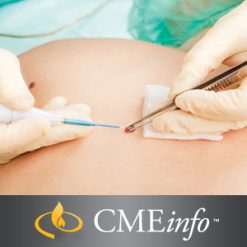
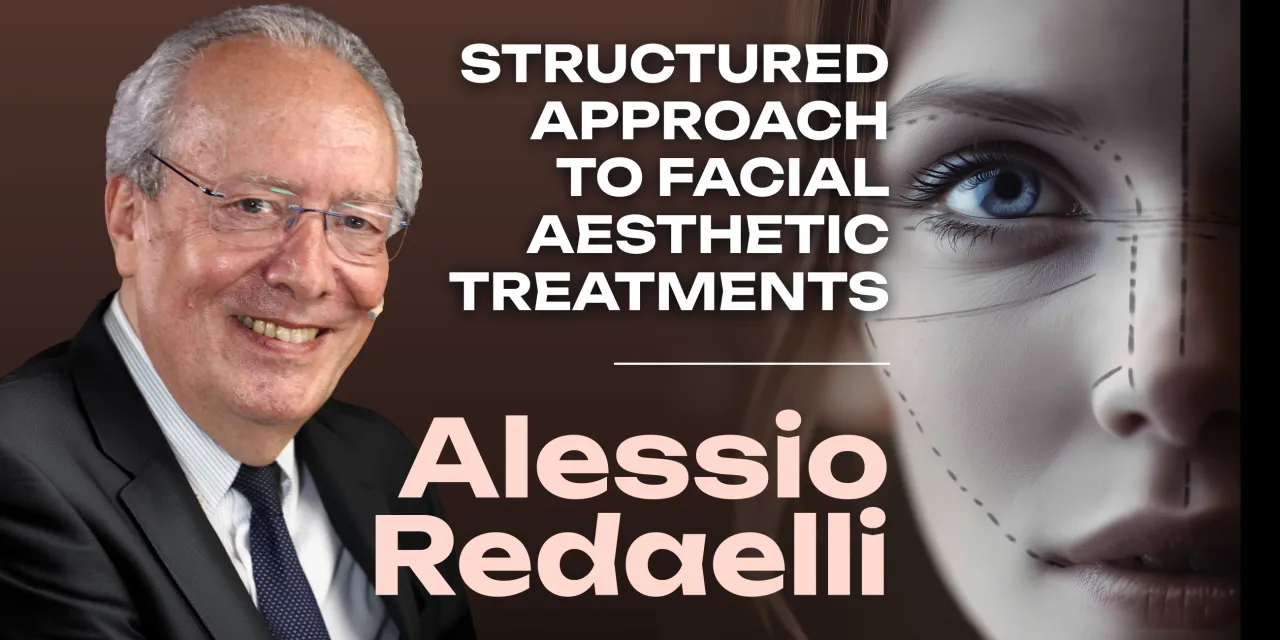
OHI-S Structured Approach to Facial Aesthetic Treatments 5 lessons 1h 51min
$20.00
This Product is shared via google drive download link, So please share your correct Gmail id while placing the order .Please note that there are no CME points or certificate associated with this course Samples for Courses Can be found here : Free Samples Here!
EXPRESS DISCOVER PayPal
OHI-S Structured Approach to Facial Aesthetic Treatments 5 lessons 1h 51min
Facial Aesthetics • Injectable Anatomy • Medical Face Lifting • Volumization • Facial Rejuvenation
5 Lessons | 1 Hour 51 Minutes | English
Develop a more systematic and anatomy-driven approach to facial aesthetic treatment with OHI-S Structured Approach to Facial Aesthetic Treatments 5 lessons 1h 51min.
Led by Professor Alessio Redaelli, this focused aesthetic medicine course combines facial analysis, layered anatomy, muscular and ligamentous structures, facial aging, injectable treatment planning, medical face lifting, volumization, and practical injection demonstrations within a structured clinical framework.
Rather than approaching injectable treatments as isolated procedures, the program teaches clinicians to connect:
Facial Analysis → Anatomy → Structural Support → Aging Pattern → Treatment Strategy → Injection Technique
The course is designed to improve clinical decision-making, support anatomical and vascular safety, reduce complications, and provide more predictable treatment planning for both beginner and advanced aesthetic practitioners. OHI-S describes the program as a structured approach combining clear protocols, practical demonstrations, and frameworks intended for daily clinical application.
Course Details
- Course: Structured Approach to Facial Aesthetic Treatments
- Provider: OHI-S
- Instructor: Professor Alessio Redaelli
- Lessons: 5 Total Lessons
- Official OHI-S Listing: 4 Lessons + 1 Free Lesson
- Total Duration: 1 Hour 51 Minutes
- Language: English
- Primary Specialty: Aesthetic Medicine
- Related Specialties: Dermatology, Plastic Surgery
- Primary Focus: Structured Facial Assessment and Injectable Treatment Planning
- Major Areas: Facial Analysis, Facial Anatomy, Injectable Anatomy, Ligaments, Muscles, Facial Aging, Medical Face Lifting, Volumization
- Injectable Focus: Dermal Fillers, Botulinum Toxin, Hyaluronic Acid
- Educational Approach: Clinical Frameworks, Protocols, Case Analysis, and Practical Demonstrations
The official OHI-S page lists 4 lessons + 1 free lesson (1h 51min), which corresponds to the five lessons included in the complete course.
Who Was the Original Program Designed For?
The course is designed for both beginner and advanced aesthetic practitioners who want to strengthen clinical decision-making through structured facial assessment and deeper anatomical understanding.
It is particularly relevant for:
- Aesthetic Medicine Specialists
- Dermatologists
- Plastic Surgeons
- Cosmetic Physicians
- Facial Aesthetic Practitioners
- Injectable Treatment Providers
- Physicians performing dermal filler treatments
- Physicians using botulinum toxin
- Clinicians interested in medical face lifting
- Practitioners seeking more systematic facial volumization strategies
- Clinicians seeking stronger anatomical foundations for injectable procedures
The strongest clinical audience remains:
Aesthetic Medicine + Dermatology + Plastic Surgery
Learning Objectives
Upon completion of this course, participants should be better able to:
- Implement anatomical and vascular safety protocols using the structural approach in aesthetic medicine.
- Execute advanced aesthetic injection techniques and medical face lifting principles.
- Formulate precise volumization planning and structural approaches.
- Apply botulinum toxin and hyaluronic acid treatment strategies effectively.
- Master complication prevention and management principles.
- Utilize practical frameworks tailored for both beginner and advanced practitioners.
Structured Approach to Facial Aesthetic Medicine
The central concept of the course is that successful aesthetic treatment begins before the injection itself.
Treatment planning should integrate:
- Facial proportions
- Structural anatomy
- Skin and subcutaneous tissue
- Muscles
- Ligaments
- Facial aging
- Support zones
- Existing volume
- Desired aesthetic change
- Appropriate treatment technique
The clinical framework can be summarized as:
Analyze → Understand Anatomy → Identify Structural Changes → Select Strategy → Treat → Reassess
This helps move aesthetic treatment away from standardized injection patterns toward a more patient-specific structural approach.
Facial Analysis & Treatment Strategy
The first lesson establishes the foundation for aesthetic decision-making through facial analysis.
The official curriculum includes:
- Introduction to aesthetics
- Clinical role of aesthetic analysis
- Rules and measurements of the face
- Facial proportions
- Structural assessment
- Basic concepts of facial beauty
- Translating facial analysis into treatment strategy
Facial Measurements
Understanding facial measurements can help the practitioner evaluate relationships between different facial regions rather than treating one isolated area.
Assessment may consider:
- Overall facial balance
- Proportions
- Relative projection
- Structural support
- Symmetry
- Relationships between facial thirds
The course places these measurements within a broader decision-making process rather than treating them as rigid aesthetic rules.
Facial Proportions
The official first lesson specifically addresses key facial proportions and structural assessment principles.
Facial proportion analysis provides a framework for deciding:
- Which areas require correction
- Which areas should remain untreated
- Whether volume restoration is appropriate
- Whether structural lifting is more suitable
- How treatments in one region may affect overall facial harmony
Basics of Facial Beauty
The course also introduces foundational concepts of facial beauty.
Rather than defining treatment only according to individual lines or wrinkles, the course connects aesthetic planning with overall facial structure and balance.
The objective is to move from:
Isolated Concern → Whole-Face Assessment → Strategic Treatment Plan
Facial Anatomy
The second lesson provides a structured review of anatomy relevant to injectable aesthetic treatments.
Confirmed areas include:
- Facial anatomy overview
- Structural organization of the face
- Layered facial anatomy
- Skin
- Subcutaneous tissues
- Deeper layers
- Glabellar anatomy
- Facial muscles relevant to injectable procedures
Layered Facial Anatomy
Understanding facial anatomy requires more than identifying muscles or vessels individually.
The course examines facial structure as multiple interconnected layers:
Skin → Subcutaneous Tissue → Muscles → Ligaments → Deep Structural Layers
This layered approach helps practitioners understand where injectable products are being placed and how depth can influence treatment strategy.
Skin & Subcutaneous Layers
The official curriculum specifically includes:
- Skin
- Subcutaneous layers
- Deeper structural layers
These structures have different roles in:
- Facial contour
- Aging
- Tissue support
- Injection depth
- Product placement
- Treatment selection
Glabellar Anatomy
The course includes a dedicated anatomical review of the glabellar complex.
This region is particularly relevant to injectable practice because treatment planning requires understanding the relationship among:
- Muscular anatomy
- Tissue layers
- Injection depth
- Adjacent structures
The course introduces the anatomical foundation before discussing more advanced treatment approaches.
Facial Muscles
Facial muscles are reviewed in both the second and third lessons.
The curriculum progresses from introducing the major muscles relevant to injectables toward understanding their functional role in aesthetic treatment.
This helps clinicians move from simply memorizing muscle names to understanding:
Anatomy → Function → Facial Movement → Injectable Strategy
Functional Anatomy for Injectable Precision
Lesson 3 focuses on:
Functional Structures for Injectable Precision
The official curriculum includes:
- Detailed review of muscles relevant to injectables
- Functional role of key facial muscles
- Facial ligaments
- Structural support provided by ligaments
- Relationships between anatomical layers, muscles, and ligaments
- Clinical case analysis
Facial Ligaments
Ligaments play an important role in maintaining facial tissue position and structural support.
The course reviews:
- Relevant facial ligaments
- Their structural role
- Their relationship with surrounding anatomical layers
- Their significance in injectable treatment planning
Understanding these structures supports a more anatomical approach to facial lifting and volumization.
Structural Support
The face is supported through the interaction of:
- Bone
- Deep tissues
- Ligaments
- Fat and soft tissue
- Muscle
- Skin
The course emphasizes understanding these relationships before selecting an aesthetic intervention.
This is particularly important when deciding whether a treatment goal requires:
Volume Restoration vs. Structural Support vs. Lifting
Clinical Case Analysis
The third lesson incorporates clinical case analysis.
Cases help translate anatomy into clinical decision-making by connecting:
Patient Appearance → Structural Assessment → Anatomical Interpretation → Treatment Strategy
This helps bridge the gap between theoretical anatomical education and real-world injectable practice.
Anatomical & Vascular Safety
OHI-S identifies anatomical and vascular safety protocols as one of the principal learning areas of the course.
Safe aesthetic injection requires practitioners to consider:
- Anatomy
- Treatment plane
- Structural relationships
- Injection technique
- Product placement
- Patient-specific variation
The course incorporates these concepts into the broader structural treatment framework.
Facial Aging
The fourth lesson moves from static anatomy toward the anatomical changes associated with facial aging.
Confirmed topics include:
- Anatomical foundations of facial rejuvenation
- Structural changes associated with aging
- Ligament lines
- Support zones
- Lifting versus volumization decisions
Structural Changes With Aging
Facial aging is not limited to changes in the skin.
The course approaches rejuvenation through structural assessment, considering how changes in deeper tissues influence facial appearance.
This supports the clinical transition from:
Visible Aging Sign → Structural Cause → Appropriate Treatment Strategy
Line of Ligaments
Lesson 4 specifically includes:
The line of ligaments and its clinical significance.
Understanding ligamentous support can help clinicians interpret:
- Tissue descent
- Support zones
- Areas of facial transition
- Appropriate lifting vectors
- Where volume restoration may be useful
Support Zones
The official curriculum includes understanding support zones before treatment.
This is important because successful volumization is not simply about adding volume to the location where a patient notices a deficit.
Instead, structural treatment may require identifying:
Where Support Has Been Lost → Where Support Should Be Restored → How That Change Influences the Face
Lifting vs. Volumization
A major decision addressed in Lesson 4 is:
When should the clinician choose lifting, and when should the clinician choose volumization?
The course emphasizes differentiating these treatment objectives before selecting technique.
This creates a more systematic pathway:
Analyze Structure → Determine Primary Problem → Select Lifting or Volume Strategy
Medical Face Lifting
Medical face lifting is one of the major concepts throughout the course.
OHI-S specifically identifies medical face lifting principles among the key learning areas.
The approach connects:
- Facial anatomy
- Ligament support
- Volume distribution
- Injection technique
- Treatment planning
to create a structural rather than purely wrinkle-focused rejuvenation strategy.
Facial Volumization
The fifth lesson provides a practical focus on facial volumization.
The official lesson covers:
- Facial volumization technique
- Strategic facial volume restoration
- Domino strategy
- Medical face lifting with fillers
- Cannula-based filler protocols
- Slow bolus injection
- Zygomatic injections
- Injection procedure video demonstration
Strategic Volume Restoration
Volume replacement should be guided by structural analysis rather than simply adding filler to visible depressions.
The program emphasizes a strategic approach involving:
Facial Assessment → Support Analysis → Volume Planning → Injection Technique
This helps create a more organized framework for whole-face rejuvenation.
The Domino Strategy
The official curriculum includes the Domino strategy in treatment planning.
This concept forms part of Professor Redaelli’s structured approach to determining treatment sequence and evaluating how correction of one facial area may influence neighboring structures.
Medical Face Lifting With Fillers
Lesson 5 specifically covers medical face lifting with fillers.
Rather than treating fillers only as materials for increasing local volume, the course examines their use within a broader structural lifting strategy.
The approach combines:
- Facial anatomy
- Ligament support
- Volume distribution
- Strategic injection
- Whole-face planning
Cannula Technique
The official lesson includes protocols using cannula techniques for filler volumization.
Cannula-based treatment forms part of the broader practical demonstration of facial volume restoration.
Slow Bolus Injection
The course also includes slow bolus injection protocols.
The inclusion of specific injection techniques helps translate the structural planning framework into practical procedural execution.
Zygomatic Injection Techniques
Zygomatic injections are another confirmed component of Lesson 5.
The zygomatic region plays an important structural role in midface support and therefore fits naturally within the course’s lifting and volumization framework.
Practical Injection Demonstration
The final lesson concludes with a video demonstration of the injection procedure.
This allows learners to see the transition from:
Assessment → Treatment Planning → Injection Strategy → Practical Execution
rather than learning technique only from theoretical descriptions.
Botulinum Toxin
OHI-S lists botulinum toxin application protocols among the major learning areas of the complete course.
Botulinum toxin treatment is considered within the wider context of:
- Facial muscular anatomy
- Functional movement
- Patient-specific assessment
- Structured treatment planning
This reinforces the importance of anatomy-driven neuromodulation.
Hyaluronic Acid
The official course description also identifies hyaluronic acid treatment strategies as a key learning area.
Hyaluronic acid treatments are integrated into the broader concepts of:
- Volume restoration
- Facial support
- Medical lifting
- Treatment planning
- Injection strategy
Microneedling
Lesson 4 includes protocols of microneedling as part of the broader facial rejuvenation framework.
This extends the course beyond injectable volumization alone and places microneedling within a combined aesthetic treatment strategy.
Biorevitalization
Biorevitalization is also included in the official Lesson 4 curriculum.
The course therefore connects structural injectable treatments with other approaches used within aesthetic rejuvenation.
Chemical Peeling
The fourth lesson includes peeling protocols alongside microneedling, biorevitalization, lifting, and volumization.
These modalities illustrate the course’s broader approach to facial rejuvenation rather than a focus on filler alone.
Safe Injection Protocols
Lesson 4 concludes with step-by-step protocols of safe injection.
These protocols connect anatomical knowledge with practical clinical execution.
The treatment pathway can be summarized as:
Assess Anatomy → Define Goal → Select Plane → Select Technique → Inject Carefully → Monitor Outcome
Complication Prevention & Management
The official course description identifies complication prevention and management principles as one of the program’s learning areas.
The course’s structural emphasis supports prevention by encouraging clinicians to understand anatomy, tissue layers, functional structures, and treatment strategy before performing injections.
Beginner & Advanced Frameworks
OHI-S specifically states that the course provides practical frameworks for both beginner and advanced practitioners.
For newer practitioners, the structured approach can provide:
- Assessment sequence
- Anatomical foundations
- Treatment logic
- Procedural planning
For more experienced practitioners, it can support:
- Refinement of strategy
- Structural treatment sequencing
- Volumization planning
- Medical lifting concepts
- More systematic whole-face assessment
Instructor
Professor Alessio Redaelli
Professor Alessio Redaelli is the instructor throughout the five-lesson program.
OHI-S identifies him as a Professor of Aesthetic Medicine and Specialist in Vascular Surgery. His profile also lists visiting professorships at the University of Genova and E-Campus University and describes his experience in aesthetic injection techniques, non-surgical rhinoplasty, lasers, and practical aesthetic medicine education.
His combined background in aesthetic medicine and vascular surgery is particularly relevant to a course emphasizing facial anatomy, structural treatment planning, and vascular safety.
Major Topics Covered
- Aesthetic Medicine
- Facial Aesthetics
- Facial Analysis
- Facial Measurements
- Facial Proportions
- Facial Beauty
- Structural Facial Assessment
- Facial Anatomy
- Layered Facial Anatomy
- Glabellar Anatomy
- Skin
- Subcutaneous Tissue
- Deep Facial Structures
- Facial Muscles
- Functional Facial Anatomy
- Facial Ligaments
- Structural Support
- Injectable Anatomy
- Vascular Safety
- Facial Aging
- Facial Rejuvenation
- Ligament Line
- Facial Support Zones
- Medical Face Lifting
- Facial Volumization
- Volume Restoration
- Domino Strategy
- Dermal Fillers
- Filler Lifting
- Cannula Technique
- Slow Bolus Injection
- Zygomatic Injection
- Botulinum Toxin
- Hyaluronic Acid
- Microneedling
- Biorevitalization
- Chemical Peeling
- Safe Injection Protocols
- Complication Prevention
- Complication Management
- Clinical Case Analysis
- Aesthetic Treatment Planning
Who Should Take This Course?
OHI-S Structured Approach to Facial Aesthetic Treatments 5 lessons 1h 51min is particularly relevant for:
- Aesthetic Medicine Specialists
- Dermatologists
- Plastic Surgeons
- Cosmetic Physicians
- Facial Aesthetic Practitioners
- Injectable Treatment Providers
- Physicians using Botulinum Toxin
- Physicians performing dermal filler procedures
- Clinicians interested in facial volumization
- Clinicians interested in medical face lifting
- Beginner aesthetic practitioners seeking a systematic framework
- Experienced aesthetic practitioners seeking to refine whole-face treatment planning
The strongest clinical audience remains:
Aesthetic Medicine + Dermatology + Plastic Surgery
Why This Course Is Useful
OHI-S Structured Approach to Facial Aesthetic Treatments brings together multiple areas of aesthetic medicine that are often taught separately.
The course integrates:
Facial Assessment
- Measurements
- Proportions
- Beauty concepts
- Structural analysis
Anatomy
- Skin
- Subcutaneous tissue
- Muscles
- Ligaments
- Deep structures
- Glabellar anatomy
Facial Aging
- Structural changes
- Support zones
- Ligament relationships
- Volume loss
Injectable Medicine
- Botulinum toxin
- Hyaluronic acid
- Fillers
- Cannula techniques
- Slow bolus injections
- Zygomatic injections
Facial Rejuvenation
- Medical face lifting
- Volumization
- Microneedling
- Biorevitalization
- Peeling
Clinical Safety
- Anatomical safety
- Vascular safety
- Safe injection protocols
- Complication prevention and management
The overall clinical pathway can be summarized as:
Analyze → Understand Anatomy → Identify Aging Pattern → Establish Support Strategy → Select Treatment → Inject Safely → Evaluate Outcome
Product Summary
- Product: OHI-S Structured Approach to Facial Aesthetic Treatments 5 lessons 1h 51min
- Provider: OHI-S
- Instructor: Professor Alessio Redaelli
- Official OHI-S Format: 4 Lessons + 1 Free Lesson
- Total Lessons: 5
- Duration: 1 Hour 51 Minutes
- Language: English
- Primary Specialty: Aesthetic Medicine
- Related Specialties: Dermatology, Plastic Surgery
- Major Areas: Facial Analysis, Anatomy, Muscles, Ligaments, Facial Aging, Medical Face Lifting, Volumization
- Injectables: Botulinum Toxin, Hyaluronic Acid, Dermal Fillers
- Practical Techniques: Cannula Volumization, Slow Bolus Injection, Zygomatic Injection
- Additional Modalities: Microneedling, Biorevitalization, Peeling
- Primary Audience: Beginner and Advanced Aesthetic Practitioners
- Educational Focus: Structured, Anatomy-Based Facial Aesthetic Treatment Planning
Short Description
OHI-S Structured Approach to Facial Aesthetic Treatments 5 lessons 1h 51min is a structured aesthetic medicine course by Professor Alessio Redaelli covering facial analysis, layered anatomy, muscles and ligaments, facial aging, medical face lifting, volumization, and practical injectable techniques.
The program integrates anatomical and vascular safety, botulinum toxin, hyaluronic acid, dermal fillers, cannula techniques, slow bolus and zygomatic injections, microneedling, biorevitalization, peeling, complication prevention, and practical whole-face treatment planning.
Topics
Lesson 1. Introduction to Aesthetic Medicine: Defining the Right Strategy Through Facial Analysis — 27min
- Introduction to aesthetics and its role in clinical decision-making
- Understanding the rules and measurements of the face
- Key facial proportions and structural assessment principles
- Basics of facial beauty
- Connecting facial analysis to the determination of the right strategy
Lesson 2. Facial Anatomy Dissection for Injectable Injections — 20min
- Overview of facial anatomy
- Structural organization of the face
- Understanding the layered anatomy of the face
- Anatomy of the face and body and its relationship to aesthetic treatments such as injectables, fillers, and surgical procedures
- Anatomy of the glabellar complex
- Skin and subcutaneous layers
- Deeper structural layers
- Introduction to muscles relevant for injectables
Lesson 3. Functional Structures for Injectable Precision — 21min
- Detailed review of muscles relevant for injectables
- Functional role of key facial muscles
- Overview of ligaments relevant for injectables
- Structural support provided by facial ligaments
- Relationship between layers, muscles, and ligaments in injectable practice
- Analysis of clinical cases
Lesson 4. Facial Medical Lifting and Volumization: When, Where, and How — 18min
- Anatomical basics for facial rejuvenation
- Structural changes related to facial aging
- The line of ligaments and its clinical significance
- Understanding support zones before treatment
- Defining when to choose lifting or volumization
- Protocols of microneedling
- Biorevitalization and peeling
- Step-by-step protocols of safe injection
Lesson 5. Volumization and Medical Face Lifting Techniques — 22min
- Technique of volumization of the face
- Strategic approach to facial volume restoration
- The Domino strategy in treatment planning
- Medical face lifting with fillers
- Protocols of art filler volume with cannula technique
- Protocols of slow bolus injection
- Protocols of zygomatic injections
- Video demonstration of the injection procedure
Related products
Dermatology
Dermatology

Critical Care - Emergency medicine
Introduction to Adult EM Bootcamp + The Practice of Emergency Medicine (Hippo) 2020