
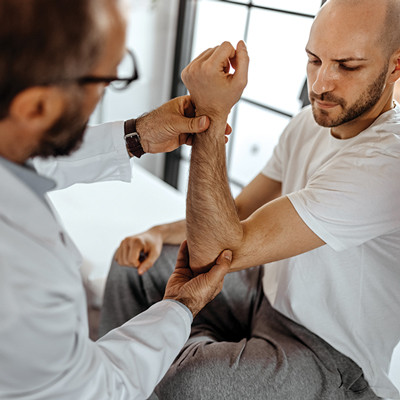
Orthopedics for the Non-Specialist 2026
$35.00
This Product is shared via google drive download link, So please share your correct Gmail id while placing the order .Please note that there are no CME points or certificate associated with this course Samples for Courses Can be found here : Free Samples Here!
Orthopedics for the Non-Specialist 2026 (Videos)
Practical Musculoskeletal Medicine for Primary Care, Family Medicine, Internal Medicine & Emergency Physicians
Improve your confidence in evaluating and managing musculoskeletal conditions with Orthopedics for the Non-Specialist 2026, a comprehensive online continuing medical education (CME) program designed specifically for frontline clinicians who routinely care for orthopedic injuries and musculoskeletal disorders.
Whether you’re practicing in primary care, family medicine, internal medicine, urgent care, emergency medicine, or hospital medicine, this evidence-based course provides practical guidance for diagnosing, treating, and appropriately referring patients with common orthopedic conditions. Through expert-led lectures and real-world clinical scenarios, you’ll strengthen your skills in musculoskeletal examination, imaging interpretation, fracture recognition, conservative management, rehabilitation, and evidence-based referral decisions.
Product Details
- Course: Orthopedics for the Non-Specialist 2026
- Format: Online Video CME
- Original Release: July 31, 2026
- Language: English
- Educational Level: Intermediate
- Learning Format: Expert Lectures, Case-Based Discussions, Evidence-Based Clinical Reviews
Course Overview
Musculoskeletal complaints are among the most frequent reasons patients seek medical care. From acute injuries and fractures to chronic osteoarthritis, back pain, tendon disorders, and sports injuries, frontline clinicians must rapidly evaluate patients, determine appropriate imaging, initiate effective treatment, and recognize when specialist referral is necessary.
Orthopedics for the Non-Specialist 2026 delivers a practical, evidence-based approach to musculoskeletal medicine, focusing on common conditions encountered in everyday clinical practice. The curriculum emphasizes systematic physical examination, appropriate diagnostic imaging, fracture recognition, non-operative treatment strategies, rehabilitation principles, pain management, and timely orthopedic referral.
Designed with non-orthopedic clinicians in mind, this course helps providers confidently manage musculoskeletal conditions while improving patient outcomes.
What You’ll Learn
After completing this course, participants will be able to:
- Perform focused musculoskeletal history and physical examinations.
- Differentiate common orthopedic conditions based on injury mechanism and clinical presentation.
- Select and interpret appropriate imaging studies.
- Recognize fractures and initiate appropriate management.
- Apply evidence-based conservative treatment strategies.
- Identify red flags requiring urgent imaging or specialist referral.
- Integrate musculoskeletal care into routine outpatient, urgent care, and hospital practice.
Comprehensive Topics Covered
Musculoskeletal Examination
Develop a systematic clinical approach.
Topics include:
- Regional musculoskeletal examination
- History taking
- Physical examination
- Functional assessment
- Range of motion testing
- Orthopedic examination
- Clinical diagnosis
Diagnostic Imaging
Choose the right imaging for every patient.
Topics include:
- X-ray interpretation
- MRI indications
- CT imaging
- Ultrasound applications
- Imaging selection
- Diagnostic accuracy
- Imaging pitfalls
Fracture Recognition & Initial Management
Strengthen acute orthopedic assessment.
Topics include:
- Fracture recognition
- Initial stabilization
- Acute injuries
- Splinting
- Immobilization
- Emergency management
- Orthopedic referral
Sports Medicine & Soft Tissue Injuries
Manage common athletic injuries.
Topics include:
- Ligament injuries
- Tendon disorders
- Muscle strains
- Sprains
- Sports injuries
- Overuse syndromes
- Return-to-activity planning
Arthritis & Chronic Musculoskeletal Disorders
Improve long-term patient management.
Topics include:
- Osteoarthritis
- Degenerative joint disease
- Chronic pain
- Activity modification
- Functional rehabilitation
- Non-operative care
- Patient education
Spine Disorders
Evaluate common spinal complaints.
Topics include:
- Low back pain
- Neck pain
- Radiculopathy
- Degenerative spine disease
- Red flag symptoms
- Imaging indications
- Conservative management
Rehabilitation & Bracing
Optimize recovery and function.
Topics include:
- Rehabilitation
- Physical therapy
- Bracing
- Functional recovery
- Exercise therapy
- Mobility improvement
- Recovery planning
Pain Management
Apply evidence-based pain strategies.
Topics include:
- Musculoskeletal pain
- Non-opioid therapy
- Activity modification
- Conservative treatment
- Multimodal pain management
- Chronic pain care
- Patient-centered management
Learning Objectives
Upon completion of this educational activity, participants will be able to:
- Describe the initial evaluation of common musculoskeletal complaints, including essential history and physical examination findings.
- Differentiate common orthopedic conditions based on clinical presentation and mechanism of injury.
- Recognize clinical red flags requiring urgent imaging or specialty referral.
- Select and interpret appropriate imaging studies for common musculoskeletal conditions.
- Apply evidence-based non-operative management strategies, including pain control and activity modification.
- Implement appropriate conservative treatment and referral decisions for fractures and soft tissue injuries.
- Evaluate common orthopedic disorders and determine indications for imaging and specialist consultation.
- Manage chronic musculoskeletal conditions such as osteoarthritis and overuse injuries.
- Identify patients who require orthopedic or subspecialty referral.
- Integrate musculoskeletal assessment, treatment, and referral into routine clinical practice for patients with multiple comorbidities.
Educational Highlights
- Orthopedics
- Musculoskeletal Medicine
- Primary Care Orthopedics
- Family Medicine
- Internal Medicine
- Emergency Medicine
- PM&R
- Sports Medicine
- Musculoskeletal Examination
- Fracture Recognition
- Diagnostic Imaging
- X-Ray Interpretation
- MRI Indications
- Arthritis
- Osteoarthritis
- Spine Disorders
- Soft Tissue Injuries
- Rehabilitation
- Bracing
- Pain Management
- Orthopedic Referral
- Continuing Medical Education (CME)
Why This Course Stands Out
Orthopedics for the Non-Specialist 2026 is specifically designed for clinicians who are not orthopedic specialists but routinely encounter musculoskeletal complaints. The course emphasizes practical examination techniques, evidence-based diagnosis, imaging interpretation, conservative treatment, rehabilitation, and referral decisions that can be immediately applied in outpatient clinics, urgent care centers, emergency departments, and hospital settings.
Target Audience
This educational activity is ideal for:
- Primary Care Physicians
- Family Medicine Physicians
- Internal Medicine Physicians
- Emergency Medicine Physicians
- Physical Medicine & Rehabilitation (PM&R) Physicians
- Sports Medicine Physicians
- Hospitalists
- Urgent Care Physicians
- Physician Assistants
- Nurse Practitioners
- Residents
- Fellows
- Healthcare Professionals interested in musculoskeletal medicine
Why Choose This Course?
Whether you’re evaluating back pain, fractures, arthritis, sports injuries, or soft tissue disorders, Orthopedics for the Non-Specialist 2026 provides practical, evidence-based education that enhances everyday clinical practice. Through expert-led lectures and case-based instruction, you’ll develop greater confidence in musculoskeletal assessment, imaging selection, conservative treatment, rehabilitation strategies, and timely orthopedic referral.
+ Topics:
- Evaluating the MSK System – Defining Structures and Terminology — The Language of Orthopedics – Jeanne M. Doperak, DO
- Hand, Wrist and Elbow Examination – Daiva Mitchell, MD
- Shoulder Examination – Colleen McFarland, MD
- Hip Exam – Daniel R. Lueders, MD
- Comprehensive Spine Examination – Aaron Li, MD
- Knee Exam – Adam Cook, DO
- Foot and Ankle Examination – Vatsal Gandhi, DO
- Common Foot Pathology and Treatment – Jeffrey R. Bytomski, DO
- Common Ankle Pathology and Treatment – Mark Rogers, DO, CAQSM, FAAFP, FAOASM
- Knee Injuries – Overuse and Acute – Brian D. Cruickshank, MD
- Point-Counterpoint – Surgery vs Conservative Care for Patellar Instability – Elizabeth P. Herrman, DO and Jonathan D. Hughes, MD
- Point-Counterpoint – Surgery vs Conservative Care for Meniscal Tears – Douglas Comeau, DO, FAAFP, FAMSSM and Robert J. Nascimento, MD
- FAI and Labral Tears of the Hip – Craig S. Mauro, MD
- Point-Counterpoint – Surgery vs Conservative Care Hip Labral Tears – Craig S. Mauro, MD and Aaron V. Mares, MD
- Common Hip Issues – Mark Sakr, DO, CAQSM
- Athletic Pubalgia and Other Core Issues – Douglas A. Reeves, Jr., MD
- Hand and Wrist Pathology and Treatment – John M. MacKnight, MD, FACSM
- Elbow Pathology and Treatment – Frederick E. Soliman, DO
- Common Shoulder Issues Diagnosis and Treatment – Delmas Bolin, MD, PhD
- Point-Counterpoint – Surgery vs Conservative Care for Shoulder Instability – Bryson P. Lesniak, MD and Jeanne M. Doperak, DO
- Point-Counterpoint – Rotator Cuff Tears Surgical and Non-surgical Considerations – Stephen J. Rabuck, MD and Jeanne M. Doperak, DO
- Clavicle, Rib, and Upper Thorax Issues – Molly B. Gruber, DO, CAQSM
- Lumbar Spine – Hamza Raja, MD
- Cervical Spine – Matthew David Maxwell, MD, MS
- Stress Fractures – Kelley A. Anderson, DO
- Relative Energy Deficiency in Sports (RED-S) – Common Diagnostic and Treatment Challenges – Anne Marie Zeller, DO
- Arthritis and the Aging Athlete – Jeanne M. Doperak, DO
- Sideline Emergencies – Jeffrey Feden, MD
- Muscle Injuries – Christopher Bullers, MD, CAQSM
- Nerve Entrapments – Ryan P. Nussbaum, MD
- Orthobiologics – Where Have We Been and Where Are We Going – Everett Wilson, DO, AOBFP, AOASM
- Musculoskeletal Ultrasound Clinical Applications – Sean P. Carnahan, DO, CAQSM, Dip. IOC
- What to Order and When – Musculoskeletal Guide to Imaging – Ryan D. Schreiter, DO
- Common Bone Tumors – Timothy W. Dancy, MD
- Common Injections – Jeffrey D. Fleming, DO
- Growth Plate Injuries and Other Pediatric Population Problems – Jennifer Daily, MD, CASQM, FAAFP
- Fracture Diagnosis and Care – Lower Extremities – Margaret E. Gibson, MD, FAMSSM, FAAFP
- Fracture Diagnosis and Care of the Upper Extremities – Mark R. Wisthoff, DO
- Physical Therapy – Principals of Rehabilitation – Richard Joreitz, PT, DPT, ATC
- Gait Analysis – Sarah Ostop, PT, DPT
- Bracing Solutions – Ryan Wilson, DO
- Impacts of Chronic Pain and Injury on Mental Health – Alexandra Salerno, LPC, NCC
- Nutrition and Healing – Kayla Martin, MS, RD, CSSD, LDN
Related products
Critical Care - Emergency medicine
2022 UPDATES IN THERAPEUTICS: CRITICAL CARE PHARMACY PREPARATORY REVIEW AND RECERTIFICATION COURSE
Medical Accounts

Medical Accounts

Internal Medicine
Critical Care - Emergency medicine
40th ISICEM International Symposium on Intensive Care & Emergency Medicine 2021
Critical Care - Emergency medicine

Critical Care - Emergency medicine
The Brigham Board Review in Infectious Diseases Brigham and Women’s Hospital Board Review

Critical Care - Emergency medicine