
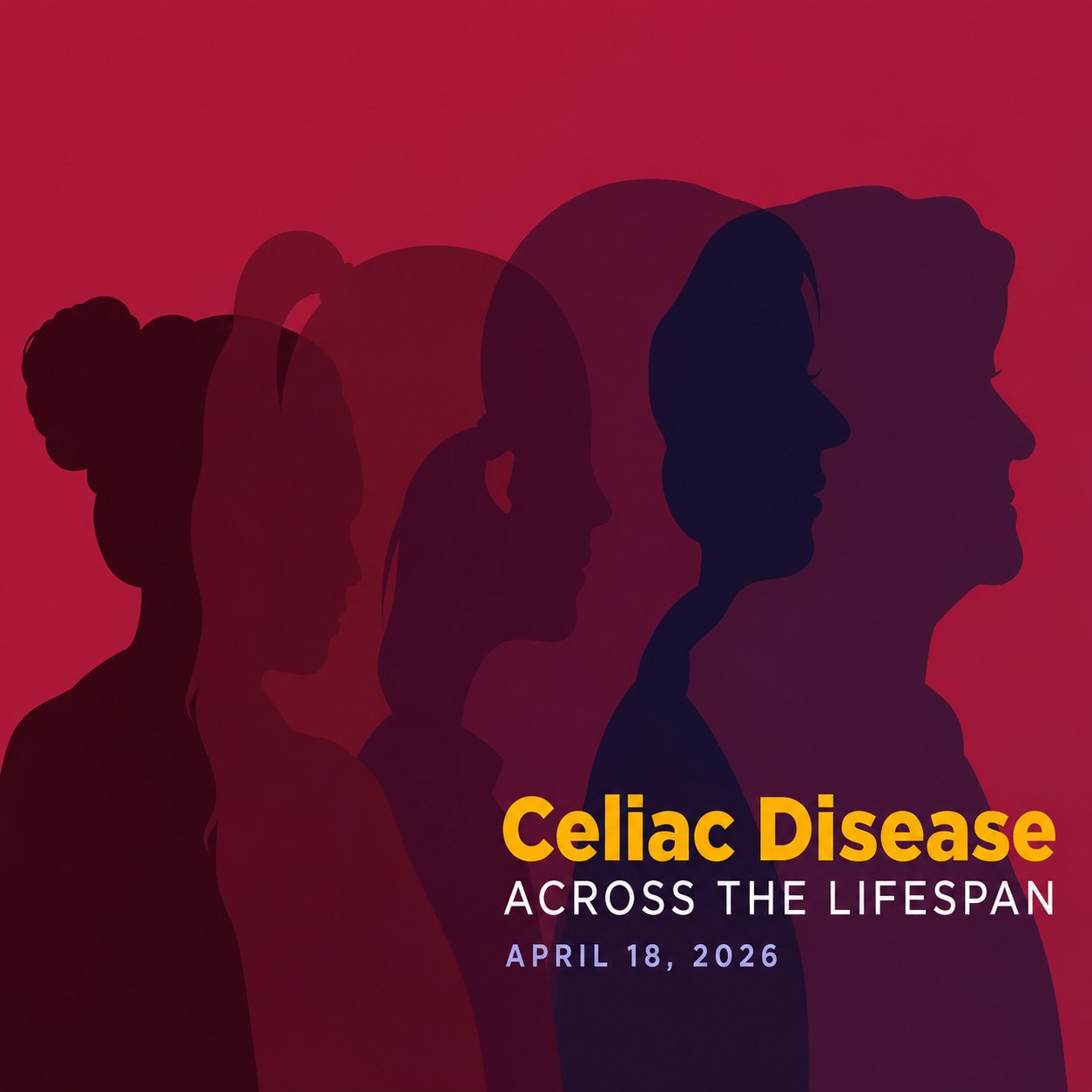
UChicago Medicine Celiac Disease Across the Lifespan 2026

$10.00
This Product is shared via google drive download link, So please share your correct Gmail id while placing the order .Please note that there are no CME points or certificate associated with this course Samples for Courses Can be found here : Free Samples Here!
UChicago Medicine Celiac Disease Across the Lifespan 2026 (Videos)
Comprehensive Clinical Updates on Celiac Disease Diagnosis, Gluten-Free Diet Management, and Emerging Therapies
Stay current with the latest advances in celiac disease diagnosis and management through UChicago Medicine Celiac Disease Across the Lifespan 2026, a comprehensive continuing medical education (CME) program designed to provide healthcare professionals with evidence-based updates on one of the most common autoimmune gastrointestinal disorders. Led by nationally and internationally recognized experts, this intensive one-day symposium explores the evolving understanding of celiac disease from infancy through older adulthood, emphasizing practical diagnostic strategies, multidisciplinary patient care, and emerging therapeutic developments.
Held on April 18, 2026, this educational program delivers clinically relevant insights into the complex pathophysiology of celiac disease, current diagnostic challenges, risk assessment, long-term follow-up, nutritional management, and future treatment options. Through expert-led presentations and evidence-based discussions, participants will strengthen their ability to diagnose celiac disease accurately, optimize gluten-free diet adherence, manage difficult clinical cases, and improve long-term patient outcomes.
Whether you care for pediatric or adult patients, this course provides practical guidance for delivering high-quality, patient-centered care while remaining current with the latest research and clinical recommendations in celiac disease.
Product Details
- Course: UChicago Medicine Celiac Disease Across the Lifespan 2026
- Provider: UChicago Medicine
- Course Date: April 18, 2026
- Format: Videos
- Language: English
- Educational Level: Intermediate to Advanced
Course Overview
Celiac disease is a lifelong autoimmune disorder triggered by gluten exposure in genetically susceptible individuals. Although a strict gluten-free diet remains the cornerstone of treatment, advances in diagnostic testing, biomarker research, nutritional management, and emerging therapies continue to reshape clinical practice. Patients may present at any age with a broad spectrum of gastrointestinal and extraintestinal manifestations, making timely diagnosis and long-term follow-up increasingly important.
Celiac Disease Across the Lifespan 2026 provides a comprehensive review of contemporary approaches to diagnosing, treating, and monitoring celiac disease throughout every stage of life. Faculty members examine current evidence on disease pathogenesis, genetic and environmental risk factors, evolving diagnostic criteria, dietary management, psychosocial challenges, and promising therapeutic strategies currently under investigation.
The curriculum emphasizes practical, multidisciplinary care that integrates gastroenterology, nutrition, behavioral health, and patient education to improve quality of life and long-term clinical outcomes.
What You’ll Learn
After completing this course, participants will be able to:
- Apply current diagnostic strategies for confirming celiac disease across pediatric and adult populations.
- Utilize gluten challenge protocols and emerging noninvasive biomarkers appropriately.
- Identify genetic and environmental risk factors associated with celiac disease development.
- Develop comprehensive long-term management and follow-up plans for patients with celiac disease.
- Improve dietary counseling and nutritional monitoring for patients following a gluten-free diet.
- Recognize psychosocial and behavioral factors that influence treatment adherence.
- Evaluate patients with refractory celiac disease and other complex clinical presentations.
- Facilitate successful transition of care from pediatric to adult gastroenterology services.
Comprehensive Topics Covered
Modern Diagnosis of Celiac Disease
Review current diagnostic algorithms, serologic testing, intestinal biopsy interpretation, gluten challenge protocols, and emerging noninvasive biomarkers that improve diagnostic accuracy while reducing unnecessary procedures.
Risk Factors and Disease Development
Explore the genetic, immunologic, and environmental factors that contribute to the development of celiac disease, along with current recommendations for screening high-risk individuals.
Gluten-Free Diet Management
Learn evidence-based strategies for implementing and maintaining a strict gluten-free diet, including nutritional assessment, dietary counseling, prevention of cross-contamination, and long-term adherence.
Long-Term Follow-Up and Patient Care
Develop practical approaches to monitoring disease activity, nutritional deficiencies, symptom resolution, and complications while optimizing lifelong management of patients with celiac disease.
Pediatric-to-Adult Transition
Understand best practices for transitioning adolescents with celiac disease into adult healthcare systems while maintaining continuity of care and treatment adherence.
Psychosocial and Behavioral Health
Examine the psychological, emotional, and social challenges associated with living with celiac disease and identify strategies to improve quality of life and long-term treatment success.
Complex and Refractory Celiac Disease
Recognize atypical presentations, common causes of misdiagnosis, persistent symptoms despite treatment, and evidence-based approaches to evaluating refractory celiac disease.
Future Therapies and Emerging Research
Review ongoing research into novel diagnostic technologies, disease mechanisms, immune modulation, and emerging therapies that may complement or expand beyond the gluten-free diet in the future.
Learning Objectives
Upon completion of this educational activity, participants will be able to:
- Diagnose celiac disease confidently using current evidence-based strategies.
- Apply gluten challenge protocols and noninvasive biomarkers appropriately.
- Identify genetic and environmental risk factors influencing disease development.
- Implement comprehensive long-term management and follow-up plans.
- Optimize dietary counseling and nutritional monitoring for gluten-free patients.
- Address psychosocial barriers that affect treatment adherence.
- Evaluate complex and refractory celiac disease using current clinical approaches.
- Integrate emerging research and future therapeutic developments into clinical practice.
Educational Highlights
- Comprehensive Celiac Disease Update
- Expert Faculty from UChicago Medicine
- Evidence-Based Diagnostic Strategies
- Gluten Challenge Protocols
- Noninvasive Biomarkers
- Genetic & Environmental Risk Factors
- Gluten-Free Diet Management
- Nutritional Counseling
- Pediatric and Adult Patient Care
- Transition of Care
- Refractory Celiac Disease
- Psychosocial Management
- Emerging Therapies
- Continuing Medical Education (CME)
Why This Course Stands Out
UChicago Medicine Celiac Disease Across the Lifespan 2026 delivers a comprehensive and multidisciplinary update on one of the most rapidly evolving areas of gastroenterology. Beyond reviewing current diagnostic standards, the course explores advances in biomarker development, personalized patient management, nutritional care, behavioral health, and emerging therapeutic options. Through expert-led presentations and practical clinical guidance, participants gain the knowledge needed to improve diagnostic confidence, optimize long-term care, and deliver better outcomes for patients living with celiac disease.
Target Audience
This educational activity is ideal for:
- Gastroenterologists
- Pediatric Gastroenterologists
- Internal Medicine Physicians
- Family Medicine Physicians
- Primary Care Physicians
- Pediatricians
- Dietitians
- Nutrition Specialists
- Nurse Practitioners
- Physician Assistants
- Clinical Researchers
- Gastroenterology Fellows
- Gastroenterology Residents
- Healthcare Professionals involved in celiac disease management
Why Choose This Course?
Whether you diagnose newly suspected celiac disease, manage long-term follow-up, provide nutritional counseling, or conduct research into autoimmune gastrointestinal disorders, UChicago Medicine Celiac Disease Across the Lifespan 2026 offers a practical, evidence-based review of the latest clinical advances. Combining expert faculty, multidisciplinary education, and the newest research findings, this program equips healthcare professionals with the knowledge and confidence to deliver exceptional care across every stage of life.
Celiac Disease Across the Lifespan 2026 – Session List
| # | Session Title | Speaker |
|---|---|---|
| 1 | Managing Celiac Disease and Comorbidities | Marisa Stahl |
| 2 | Panel Discussion: Diagnosis and Management of Celiac Disease | Ritu Verma, Benjamin Lebwohl |
| 3 | Nutritional Management Across the Lifespan for Celiac Disease | Lori Welstead |
| 4 | Transitioning from Pediatric to Adult Celiac Care | Joseph Chapman |
| 5 | Psychosocial Aspects of Adherence and Celiac Disease Management | Alyse Bedell |
| 6 | New Tools to Monitor Gluten Exposure in Patients with Celiac Disease | Sonia Kupfer |
| 7 | Panel Discussion: Managing Complex Challenges in Celiac Care | Joseph Murray |
| 8 | Early Life Exposure and the Risk of Developing Celiac Disease | Daniel Agardh |
| 9 | Somatic Mutations and Refractory Celiac Disease | Yichun Fu |
| 10 | From Bench to Bedside: Translating Lab Findings into Therapeutic Development and Clinical Practice for Celiac Disease | Joseph Murray |
| 11 | New and Emerging Therapies in Celiac Disease | Benjamin Lebwohl |
| 12 | Panel Discussion: The Future of Celiac Disease Research | Ludvig Sollid |
Related products

Family medicine
Critical Care - Emergency medicine
Chestnet Pediatric Pulmonary Board Review On Demand 2022 ( VIDEOS)

Anesthesiology & pain medicine
Obstetrics & Gynecology