
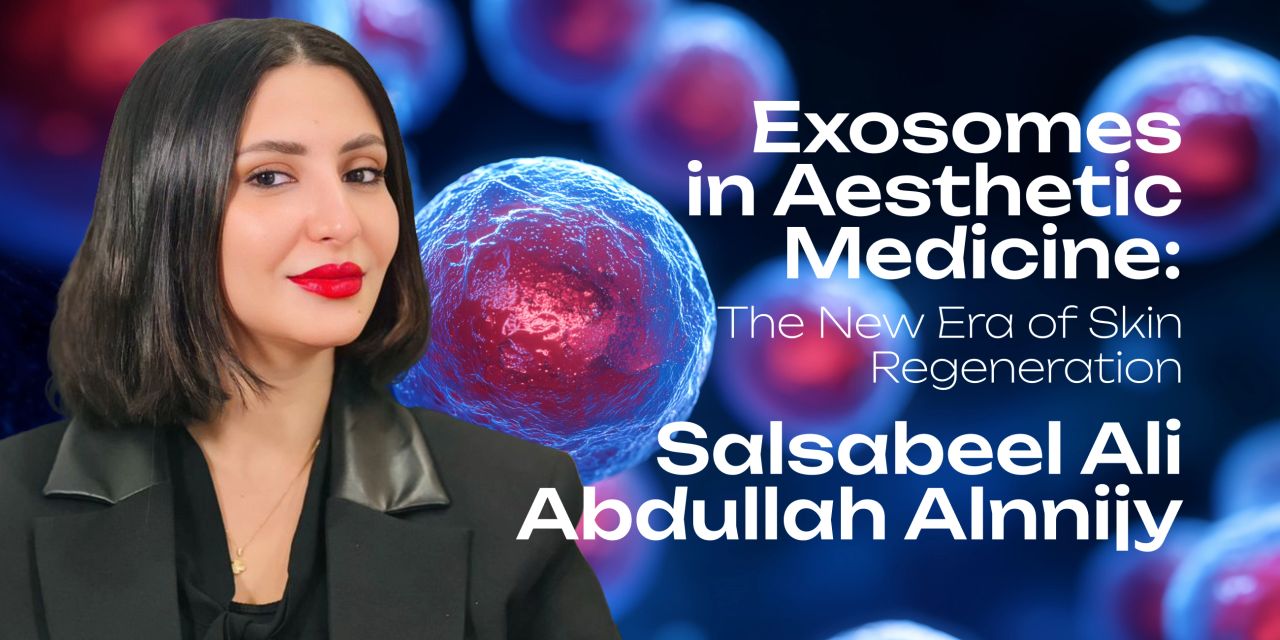
OHI-S Exosomes in Aesthetic Medicine The New Era of Skin Regeneration 2 lessons 34min
$10.00
This Product is shared via google drive download link, So please share your correct Gmail id while placing the order .Please note that there are no CME points or certificate associated with this course Samples for Courses Can be found here : Free Samples Here!
OHI-S Exosomes in Aesthetic Medicine
The New Era of Skin Regeneration
2 Lessons | 34 Minutes | Ali Salsabeel
Explore the emerging field of exosome-based aesthetic medicine with OHI-S Exosomes in Aesthetic Medicine: The New Era of Skin Regeneration, presented by Ali Salsabeel.
This concise, safety-focused educational program introduces the biological concepts surrounding exosomes and reviews how exosome-based products are being discussed and used within contemporary aesthetic practice.
The course addresses potential aesthetic applications involving:
- Skin rejuvenation
- Early wrinkles
- Acne-prone and inflammatory skin
- Acne scars
- Textural concerns
- Post-procedure skin care
- Hair-loss applications
- Skin-barrier support
It also reviews clinical concepts involving:
- Exosome biology
- Different exosome types
- Patient selection
- Contraindications
- Safety screening
- Microneedling-associated application
- RF microneedling-associated application
- Injection techniques discussed by the instructor
- Cross-hatching approaches
- Immediate post-procedure application
- Post-care
- Treatment-frequency considerations
The course should be understood as education about an emerging and investigational field, rather than confirmation that exosome products are established or regulatory-approved treatments for skin rejuvenation, acne scars, or hair loss.
Course Details
- Course: Exosomes in Aesthetic Medicine: The New Era of Skin Regeneration
- Provider: OHI-S
- Instructor: Ali Salsabeel
- Lessons: 2
- Official Duration: 34 Minutes
- Language: English
- Primary Field: Aesthetic Medicine
- Official OHI-S Topic: Exosome Therapy
- Additional OHI-S Topic: Injection Techniques
- Current OHI-S CE Listing: No specific CE credit amount displayed for this course
What Are Exosomes?
Exosomes are a type of small extracellular vesicle released by cells.
They can carry biological components such as:
- Proteins
- Lipids
- Nucleic acids
- Signaling molecules
Because extracellular vesicles participate in cell-to-cell communication, they are being investigated across multiple areas of biomedical and regenerative research.
However:
Biological plausibility does not by itself establish clinical efficacy or regulatory approval.
This distinction is particularly important when discussing commercial exosome products in aesthetic medicine.
Course Approach
The program can be viewed through four stages:
Biological Concepts
↓
Potential Clinical Applications
↓
Safety & Patient Selection
↓
Application and Post-Care Concepts
The emphasis should remain on understanding:
- What is being used
- Why it is being considered
- Which patients may be unsuitable
- What uncertainties remain
- How technique and safety considerations differ
LESSON 1
Exosomes: Mechanisms, Indications, and Safety Protocols
Instructor: Ali Salsabeel
Duration: 24 Minutes
The first lesson provides the biological and safety framework for the course.
Topics include:
- What exosomes are
- Comparison of exosome types
- Biological mechanisms discussed in aesthetic medicine
- Skin-aging concepts
- Wound-healing concepts
- Skin rejuvenation
- Early wrinkles
- Acne-prone skin
- Inflammatory skin
- Acne scars
- Textural concerns
- Post-procedure healing
- Hair loss / alopecia
- Skin-barrier repair
- Contraindications
- Safety concerns
- Pre-treatment clinical checklist
Exosome Types
Not every product marketed with the word “exosome” should be assumed to have identical:
- Source
- Composition
- Purity
- Concentration
- Manufacturing process
- Biological activity
Product characterization is therefore an important issue in this field.
The clinician should avoid treating “exosomes” as though they represent one standardized pharmaceutical product.
Skin Rejuvenation
The OHI-S curriculum discusses exosome-based products in the context of:
- Skin quality
- Early wrinkles
- Rejuvenation
- Barrier support
For accurate MedicalAmboss copy, these should be described as:
applications discussed in the course
rather than proven treatment claims.
Avoid phrases such as:
- Guaranteed skin regeneration
- Proven reversal of aging
- Permanent rejuvenation
- Predictable anti-aging results
Acne & Textural Concerns
The official curriculum includes:
- Acne-prone skin
- Inflammatory skin
- Acne scars
- Textural issues
These topics can be valuable SEO terms, but should be written as:
“the course reviews proposed and emerging applications in acne-related and textural concerns.”
Do not market exosome products as FDA-approved acne or acne-scar treatments.
Post-Procedure Applications
The instructor discusses exosome-based applications in association with post-procedure care.
Potential combinations taught in the course include treatment following or alongside procedures such as:
- Microneedling
- RF microneedling
MedicalAmboss should avoid stating that these combinations are established to:
- Accelerate healing
- Prevent complications
- Guarantee faster recovery
unless supported for the specific product and protocol.
A safer phrase is:
“post-procedure application strategies discussed by the instructor.”
Hair Loss
Hair loss and alopecia are included in the official OHI-S curriculum.
This creates useful SEO relevance to:
- Hair restoration
- Aesthetic dermatology
- Trichology
However, exosome products should not be described as an approved or established cure for alopecia.
Use:
“emerging exosome-based approaches discussed for hair-loss applications.”
Safety Screening
The OHI-S lesson specifically includes a clinical safety checklist and contraindication discussion.
The listed safety considerations include:
- Active infections
- HSV
- Severe acne
- Pregnancy
- Breastfeeding
- Uncontrolled chronic disease
These should be presented as the course instructor’s screening framework, not as an exhaustive universal contraindication list for every exosome product.
Product-specific and jurisdiction-specific requirements may differ.
Active Infection
An active infection can substantially change the risk profile of an elective aesthetic procedure.
The course therefore includes infection screening within patient selection.
HSV
The curriculum specifically highlights herpes simplex virus as a relevant consideration.
This is especially important when aesthetic procedures may disrupt the skin barrier.
Clinical management should follow appropriate medical evaluation and established procedural protocols.
Pregnancy & Breastfeeding
The course includes pregnancy and breastfeeding among its contraindication/safety considerations.
Because evidence for many aesthetic regenerative products during pregnancy and lactation is limited, elective treatment decisions require particular caution.
LESSON 2
Step-by-Step Exosome Application: Techniques and Post-Care Protocol
Instructor: Ali Salsabeel
Duration: 10 Minutes
The second lesson focuses on application concepts and post-procedure management.
The official curriculum includes:
- Preparation
- Microneedling-associated application
- RF microneedling-associated application
- Injection
- Cross-hatching technique
- Immediate post-procedure application
- Layering/application concepts
- Post-care
- Treatment-frequency considerations
Microneedling + Exosome-Based Products
The course discusses application in connection with microneedling.
The educational concept combines:
Controlled Skin Procedure + Topical/Procedural Product Application
The exact safety profile depends on factors including:
- Product composition
- Sterility
- Procedure
- Skin condition
- Route of administration
- Regulatory status
Therefore, the presence of a technique in an educational video should not be interpreted as universal authorization or endorsement.
RF Microneedling
The official curriculum also includes RF microneedling.
This creates a strong connection to broader MedicalAmboss topics involving:
- Energy-based devices
- Fractional RF
- Skin rejuvenation
- Acne-scar procedures
Aesthetic device training and biologic-product use should each follow their own safety requirements.
Injection
Injection is explicitly listed within the OHI-S lesson.
This is an important regulatory and safety distinction.
Injectable use should not be presented as routine or FDA-approved simply because it appears in a clinical education course.
The appropriate regulatory status depends on:
- The specific product
- The indication
- The country
- The route of administration
- Applicable clinical-trial or approval requirements
Cross-Hatching Technique
The course discusses a cross-hatching application technique as part of its procedural education.
For SEO purposes, it can be listed as a curriculum topic.
However, MedicalAmboss should avoid turning the product description into a standalone injection manual or suggesting that viewing the video independently establishes procedural competency.
Post-Care
Post-procedure care is an important component of aesthetic treatment.
The course discusses:
- Immediate application
- Post-care
- Frequency considerations
The exact follow-up strategy should depend on:
- Procedure performed
- Product used
- Skin response
- Patient-specific risk
- Applicable product instructions
EXOSOMES & REGENERATIVE MEDICINE
Exosomes are frequently discussed under the broader umbrella of regenerative medicine.
Useful scientific concepts include:
- Extracellular vesicles
- Intercellular signaling
- Biological cargo
- Tissue-response research
However, the term “regenerative” should not be used to imply that a commercial product has been proven to regenerate human skin or hair.
Research vs. Clinical Marketing
This distinction is critical:
Research Interest
There is active scientific investigation into extracellular vesicles and exosomes.
Commercial Treatment Claims
Claims about a particular product treating, regenerating, curing, reversing, or preventing a condition require appropriate clinical evidence and regulatory authorization.
These are not the same thing.
Appropriate MedicalAmboss Positioning
The strongest professional positioning is:
“An educational course examining the emerging use of exosome-based products in aesthetic medicine, including biological concepts, proposed applications, safety considerations, application techniques, and post-care.”
Avoid:
“A proven exosome treatment system for predictable regeneration.”
FDA / Regulatory Safety Note
For a U.S.-facing audience, an important disclaimer should accompany this product.
At present:
There are no FDA-approved exosome products.
Exosome products intended to treat diseases or conditions in humans are generally subject to FDA drug and biologic premarket review requirements.
Therefore, the course should be marketed as professional education about an emerging field—not as evidence that the procedures or products demonstrated have FDA approval.
Evidence & Outcome Positioning
Avoid the following wording in MedicalAmboss:
- Guaranteed regeneration
- Predictable exosome results every time
- FDA-approved exosome therapy
- Proven hair regrowth
- Proven acne-scar regeneration
- Reverses skin aging
- Accelerates healing in every patient
Prefer:
- Emerging aesthetic applications
- Exosome biology and clinical concepts
- Proposed regenerative applications
- Safety-focused patient assessment
- Application techniques discussed by the instructor
- Current clinical and regulatory considerations
Who Should Take This Course?
The strongest target audience includes appropriately licensed clinicians working in:
- Aesthetic Medicine
- Dermatology
- Cosmetic Dermatology
- Plastic Surgery
- Facial Aesthetics
- Hair-Loss Medicine
Relevant professionals may include:
- Aesthetic Medicine Physicians
- Dermatologists
- Plastic Surgeons
- Hair-Restoration Physicians
- Medical professionals involved in regenerative-aesthetic research or practice
Trichologists
“Trichologist” can refer to professionals with very different levels of medical training depending on jurisdiction.
Therefore, for invasive or injectable procedures, MedicalAmboss should specify:
“appropriately licensed medical professionals involved in hair-loss treatment”
rather than imply that all trichologists are qualified to inject biologic products.
Why This Course Is Useful
The program is concise but covers four important dimensions:
Biology
- Exosome concepts
- Types
- Biological signaling
Applications Discussed
- Skin rejuvenation
- Acne-related concerns
- Textural concerns
- Hair loss
- Post-procedure care
Safety
- Contraindications
- Patient selection
- Clinical checklist
Technique
- Microneedling
- RF microneedling
- Injection
- Cross-hatching
- Post-care
Its educational value lies in connecting:
Mechanism → Patient Selection → Technique → Safety
while the clinician separately evaluates the evidence and regulatory status of any specific product.
Key Topics Covered
- Exosomes
- Exosome Therapy
- Extracellular Vesicles
- Aesthetic Medicine
- Regenerative Aesthetics
- Regenerative Medicine
- Skin Rejuvenation
- Skin Aging
- Acne Scars
- Skin Texture
- Skin Barrier
- Hair Loss
- Alopecia
- Microneedling
- RF Microneedling
- Exosome Injection
- Cross-Hatching Technique
- Post-Procedure Skin Care
- Patient Selection
- Contraindications
- Aesthetic Safety
- Cosmetic Dermatology
- Hair Restoration
Important Clinical Training Notice
This course discusses application and injection techniques involving exosome-based products.
Recorded education does not replace:
- Formal medical training
- Supervised procedural training
- Sterile-technique competency
- Device-specific microneedling/RF training
- Understanding of product quality and sourcing
- Appropriate professional licensure
- Regulatory compliance
The regulatory status of a specific exosome product should be verified independently before clinical use.
Product Summary
- Product: Exosomes in Aesthetic Medicine: The New Era of Skin Regeneration
- Provider: OHI-S
- Instructor: Ali Salsabeel
- Lessons: 2
- Official Duration: 34min
- Language: English
- Primary Field: Aesthetic Medicine
- Official Topic: Exosome Therapy
- Additional Topic: Injection Techniques
- Specific OHI-S CE Credits: Not currently listed on the course page
4. Short Description
OHI-S Exosomes in Aesthetic Medicine: The New Era of Skin Regeneration is a focused 2-lesson, 34-minute course presented by Ali Salsabeel.
The course reviews exosome biology, different exosome types, proposed aesthetic applications involving skin rejuvenation, acne-related concerns, textural issues, hair loss and post-procedure care, together with patient selection, contraindications, clinical safety screening, microneedling, RF microneedling, injection, cross-hatching, and post-care concepts.
Topics
Lesson 1. Exosomes: Mechanisms, Indications, and Safety Protocols
-
What are exosomes?
-
Comparison of exosomes types
-
Why exosomes are game changers in aesthetics
-
Anti-aging effect and wound healing acceleration
-
Clinical indications of exosomes:
-
Skin rejuvenation and early wrinkles
-
Acne-prone and inflammatory skin
-
Acne scars and textural issues
-
Post-procedure healing
-
Hair loss (alopecia)
-
Skin barrier repair
-
-
Contraindications and safety concerns:
-
Active infections
-
HSV
-
Severe acne (grade III–IV)
-
Pregnancy & breastfeeding
-
Uncontrolled chronic diseases
-
-
Clinical safety checklist
Lesson 2. Step-by-Step Exosome Application: Techniques and Post-Care Protocol
-
Step–by–step protocol of application
-
Preparation and technique of application:
-
Microneedling depth
-
RF microneedling
-
Injection
-
Cross-hatching method
-
-
Immediate post-procedure application and yapping technique
-
Post-care and frequency
Related products
Dermatology
ACS(I) Textbook of Cutaneous & Aesthetic Surgery (2 Volumes) (Original PDF from Publisher)
Dermatology
Critical Care - Emergency medicine
Introduction to Adult EM Bootcamp + The Practice of Emergency Medicine (Hippo) 2020
Dermatology


Dermatology