
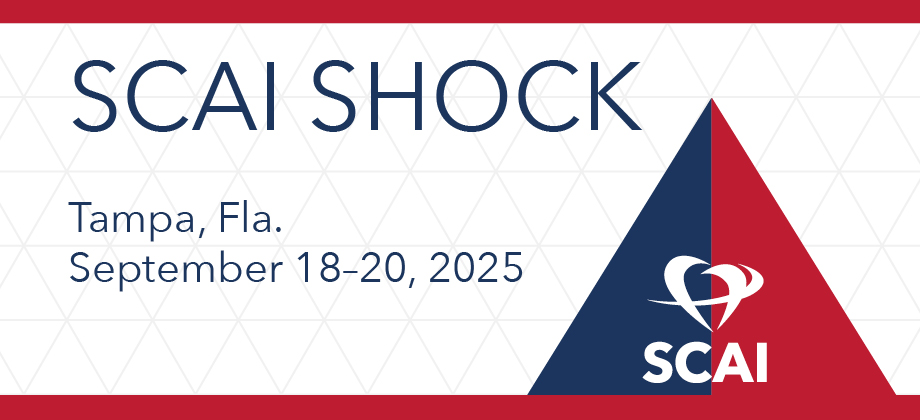
Society for Cardiovascular Angiography & Interventions SHOCK 2025
$25.00
This Product is shared via google drive download link, So please share your correct Gmail id while placing the order .Please note that there are no CME points or certificate associated with this course Samples for Courses Can be found here : Free Samples Here!
Society for Cardiovascular Angiography & Interventions SHOCK 2025
Cardiogenic Shock • Mechanical Circulatory Support • Critical Care Cardiology • Interventional Cardiology • Shock Teams
September 18–20, 2025 | Tampa, Florida
Develop a comprehensive, multidisciplinary approach to the recognition, stabilization, treatment, and longitudinal management of cardiogenic shock with Society for Cardiovascular Angiography & Interventions SHOCK 2025 – SCAI SHOCK: Home of the Shock Team.
Organized by the Society for Cardiovascular Angiography & Interventions (SCAI), the 2025 meeting was held September 18–20, 2025, in Tampa, Florida, at the Tampa Marriott Water Street. The program was designed as a step-by-step guide to building and maintaining a contemporary cardiogenic shock program.
Led by a multidisciplinary team of experts with experience building and operating shock programs, the conference addressed the entire cardiogenic shock pathway—from prehospital recognition and emergency department triage through Shock ICU care, catheterization laboratory management, mechanical circulatory support, high-risk PCI, multidisciplinary team organization, quality improvement, and post-danger care.
The educational format included:
- Lectures
- Case-based presentations
- Breakout sessions
- Simulations
- Team-based workshops
- Roundtable discussions
- Group case reviews
with emphasis on translating ideal shock-care models into practical systems that can function across community and academic hospitals, urban and rural locations, and surgical and non-surgical environments.
Course Details
- Course: SCAI SHOCK: Home of the Shock Team
- Organization: Society for Cardiovascular Angiography & Interventions – SCAI
- Year: 2025
- Conference Dates: September 18–20, 2025
- Venue: Tampa Marriott Water Street
- Location: Tampa, Florida
- Primary Specialty: Cardiology
- Primary Clinical Focus: Cardiogenic Shock
- Related Specialties: Interventional Cardiology, Critical Care Cardiology, Heart Failure, Cardiothoracic Surgery
- Educational Formats: Lectures, Case-Based Presentations, Breakout Sessions, Simulations, Workshops
- Main Official CME: Up to 8.25 AMA PRA Category 1 Credits™
- Additional Satellite Activities: Up to 3.5 additional AMA PRA Category 1 Credits™
- ABIM MOC: Up to 8.25 Medical Knowledge MOC Points for the main activity
- Primary Audience: Multidisciplinary Cardiogenic Shock Teams
- Program Focus: Building, Operating, and Improving Contemporary Shock Programs
SCAI describes the meeting as a practical educational program focused on the individual building blocks required for successful cardiogenic shock care.
Who Was the Original Program Designed For?
SCAI SHOCK 2025 was designed for multidisciplinary clinicians and healthcare leaders involved in cardiogenic shock care.
The program is particularly relevant for:
- Interventional Cardiologists
- Critical Care Cardiologists
- Heart Failure Cardiologists
- General Cardiologists
- Medical Intensivists
- Cardiac Intensivists
- Cardiac Surgeons
- Cardiothoracic Surgeons
- Advanced Practice Providers – APPs
- Critical Care Nurses
- Cardiovascular Nurses
- EMS Professionals
- Shock Program Coordinators
- Hospital Administrators
- Cardiovascular Service Line Leaders
- Clinicians involved in MCS programs
- Clinicians involved in High-Risk PCI programs
The meeting was specifically intended to represent different real-world practice settings, including:
- Community hospitals
- Academic medical centers
- Urban hospitals
- Rural hospitals
- Surgical environments
- Non-surgical environments
- Programs managing patients with advanced heart failure
- Programs managing patients without advanced heart failure
SCAI also identified the conference as appropriate for hospitals seeking to develop, improve, or formalize a cardiogenic shock program.
The strongest clinical audience remains:
Interventional Cardiology + Critical Care Cardiology + Heart Failure + Cardiothoracic Surgery
Learning Objectives
This year’s meeting will equip attendees to:
- Integrate scientific updates and the latest evidence-based best practices for treating cardiogenic shock and cardiac arrest.
- Implement optimal shock management strategies by utilizing EMS, transportation, and the ED in early recognition and nuanced patient care.
- Apply Shock ICU essentials, including hemodynamic monitoring, vasoactive medications, and determining the role of dedicated versus mixed ICUs.
- Optimize antiplatelet therapy and implement optimal pharmacodynamic strategies for high-risk patients.
- Navigate complexities in the cath lab by identifying unseen threats, understanding right heart hemodynamics, and practicing effective communication.
- Optimize team setup, tracking quality improvement metrics, and utilizing tools to bridge the gap between shock clinicians and hospital administration (the C-suite).
- Perform Cardiac ICU problem-solving, including interpreting cardiac indices, troubleshooting MCS devices, and managing weaning strategies.
- Manage post-danger care by deliberating the harms and benefits of inotropes, utilizing IABP in the community, and expanding perspectives to include HF-shock.
- Navigate the complexities of resource allocation and coordination for High-risk PCI.
- Explore future directions in shock management, including novel support devices, leveraging machine learning for risk stratification, and the role of AI in decision-making.
These objectives closely reflect the educational priorities listed by SCAI for the 2025 meeting.
CONTEMPORARY CARDIOGENIC SHOCK MANAGEMENT
The central focus of SCAI SHOCK 2025 is not one device, procedure, or hospital unit.
Instead, the meeting examines cardiogenic shock as a complete system of care.
The overall pathway can be represented as:
Recognition → Triage → Hemodynamic Assessment → Shock Team Activation → Cath Lab / ICU Management → Mechanical Support When Appropriate → Reassessment → Weaning → Post-Danger Care
This systems-based approach recognizes that successful shock care depends on coordination across multiple disciplines and clinical environments.
Scientific Updates in Cardiogenic Shock
SCAI lists current scientific updates and evidence-based best practices for:
- Cardiogenic shock
- Cardiac arrest
among the core topics of the conference.
The scientific program provides clinicians with opportunities to review evolving evidence and consider how new information should influence:
- Recognition
- Resuscitation
- Hemodynamic assessment
- Revascularization
- Mechanical support
- ICU care
- Long-term planning
SCAI SHOCK Classification
The meeting operates within the broader SCAI approach to standardized cardiogenic shock assessment.
SCAI describes its SHOCK meetings as a venue for sharing contemporary diagnosis and management strategies using the SCAI SHOCK classification system.
The classification framework supports repeated assessment rather than treating shock severity as static.
A practical clinical model is:
Identify Stage → Treat → Reassess → Detect Improvement or Deterioration → Escalate or De-Escalate Care
SCAI Door to Lactate Clearance – DLC Initiative
One of the most important developments associated specifically with SCAI SHOCK 2025 was the introduction of the:
SCAI Door to Lactate Clearance (DLC) Cardiogenic Shock Initiative
which was unveiled during the Tampa conference on September 19, 2025.
The initiative proposes lactate clearance as a practical marker for tracking tissue perfusion and patient trajectory in cardiogenic shock.
The SCAI document emphasizes repeated assessment of shock progression and explores the use of serial lactate measurement to help clinicians evaluate response to treatment.
Lactate & Shock Trajectory
The DLC initiative reflects the importance of monitoring not only blood pressure or cardiac output but also whether tissue perfusion is improving.
The clinical concept can be summarized as:
Shock Recognition → Initial Lactate → Intervention → Serial Lactate Assessment → Evaluate Perfusion Response
SCAI’s published initiative proposed measurement at diagnosis followed by serial reassessment as a way to characterize the patient’s trajectory.
EARLY RECOGNITION & PREHOSPITAL CARE
SCAI SHOCK emphasizes early recognition as one of the first building blocks of a successful shock program.
The official meeting framework specifically highlights the roles of:
- EMS
- Transportation
- Emergency department
- Early recognition
- Nuanced patient care
The shock-care pathway begins before the patient reaches the catheterization laboratory or ICU.
EMS & Cardiogenic Shock
EMS teams may be among the first clinicians to encounter a deteriorating cardiovascular patient.
The conference emphasizes incorporating EMS into the broader shock system rather than treating prehospital care as separate from definitive cardiovascular management.
Relevant concepts include:
- Early recognition
- Communication
- Transportation decisions
- Hospital destination
- Shock-team activation
Transportation & Regional Systems of Care
Shock programs may need to coordinate patient movement across:
- Community hospitals
- Referral centers
- Academic institutions
- Rural regions
- Advanced heart failure centers
The conference’s inclusion of transportation reflects the importance of regionalized care and timely access to appropriate shock resources.
Emergency Department Recognition
Emergency departments play an important role in identifying:
- Shock physiology
- Cardiac arrest
- Acute myocardial infarction
- Heart failure-related shock
- Other causes of hemodynamic instability
The objective is timely recognition and transition toward appropriate multidisciplinary shock management.
SHOCK ICU ESSENTIALS
The official program specifically addresses:
- Hemodynamic monitoring
- Vasoactive medications
- Dedicated versus mixed ICUs
as essential components of Shock ICU management.
Hemodynamic Monitoring
Hemodynamic monitoring is central to understanding cardiogenic shock physiology.
Assessment may involve integrating:
- Blood pressure
- Cardiac output
- Cardiac index
- Filling pressures
- Right-sided hemodynamics
- Tissue perfusion
- Clinical trajectory
The course emphasizes using hemodynamic data as part of dynamic decision-making.
Cardiac Index
The official program specifically identifies understanding cardiac indices as part of Cardiac ICU problem-solving.
Interpretation of cardiac index must be integrated with:
- Perfusion
- Congestion
- Ventricular function
- Right-heart function
- Device support
- Response to treatment
Vasoactive Medications
Shock ICU education includes the role of vasoactive medications.
These therapies may influence:
- Blood pressure
- Cardiac output
- Systemic vascular resistance
- Organ perfusion
Their use should be considered within the patient’s overall hemodynamic profile rather than in isolation.
Dedicated vs. Mixed Shock ICU
An important organizational question addressed by the meeting is whether shock patients benefit from:
- Dedicated Shock ICUs
or:
- Mixed cardiovascular / medical ICUs
SCAI explicitly identifies this debate as one of the core Shock ICU topics.
The most appropriate model may depend on:
- Hospital volume
- Staffing
- Resources
- MCS capability
- Surgical support
- Heart failure expertise
CATH LAB COMPLEXITIES
The catheterization laboratory represents a critical stage in many shock pathways.
The official program addresses:
- Unseen threats
- Right heart hemodynamics
- Communication
- High-risk procedures
Right Heart Hemodynamics
Understanding the right ventricle and right-sided pressures can be essential when managing shock.
The conference specifically identifies right heart hemodynamics as a cath-lab complexity requiring careful interpretation.
This is particularly important because shock may involve:
- Predominantly left ventricular failure
- Right ventricular failure
- Biventricular failure
- Mixed hemodynamic patterns
Identifying Unseen Threats
The cath-lab curriculum also focuses on recognizing problems that may not be apparent from angiography alone.
These may require integration of:
- Hemodynamics
- Clinical signs
- Imaging
- Device behavior
- Ventricular function
- Communication among specialists
Cath Lab Communication
SCAI specifically emphasizes effective communication strategies in complex cath-lab shock cases.
Clear communication can become especially important when multiple teams are simultaneously involved in:
- PCI
- MCS
- Anesthesia
- Surgery
- Critical care
- Heart failure management
ANTIPLATELET THERAPY
Another core theme is:
Antiplatelet Therapy Optimization
for high-risk shock patients.
The program addresses pharmacodynamic strategies in patients where absorption, bleeding risk, procedures, and critical illness may complicate usual treatment decisions.
Pharmacodynamic Strategies
Shock physiology can influence medication effectiveness and treatment risk.
The course therefore emphasizes selecting pharmacologic strategies that reflect:
- Clinical instability
- PCI requirements
- Bleeding risk
- Gastrointestinal absorption
- Planned procedures
- Mechanical support
MECHANICAL CIRCULATORY SUPPORT – MCS
Mechanical circulatory support represents a major component of contemporary shock care.
SCAI specifically includes:
- MCS device troubleshooting
- Weaning
- Novel support devices
within the meeting’s educational framework.
MCS Troubleshooting
Cardiac ICU clinicians must be prepared to identify and manage problems involving support devices.
The practical workflow is:
Assess Patient → Assess Device → Assess Hemodynamics → Identify Problem → Correct Problem → Reassess
Device Selection
Not every patient with cardiogenic shock requires the same type or intensity of mechanical support.
Selection may depend on:
- Shock severity
- Ventricular involvement
- Etiology
- Oxygenation
- Hemodynamics
- Surgical candidacy
- Recovery potential
The program’s emphasis is on individualized support strategies.
Novel Support Devices
The official future-directions component includes novel support devices.
This reflects continued evolution of percutaneous and temporary mechanical circulatory support technologies.
Weaning Strategies
Cardiac ICU problem-solving includes determining how and when patients can be weaned from MCS.
Weaning decisions require consideration of:
- Hemodynamic recovery
- Ventricular function
- Perfusion
- End-organ status
- Device settings
- Underlying disease
HIGH-RISK PCI
SCAI SHOCK 2025 includes High-Risk PCI as one of its core program components.
The official focus is on:
- Resource allocation
- Coordination
- Complex procedural care
High-risk PCI may require coordination among:
- Interventional cardiology
- Critical care
- MCS teams
- Cardiac surgery
- Anesthesia
- Nursing
- Hospital administration
Resource Allocation
High-risk procedures may require resources that are not universally available.
The program therefore examines how institutions can determine:
- What support is needed
- Which team members should be involved
- Whether MCS should be available
- Where the procedure should occur
- How complications will be managed
CARDIAC ICU PROBLEM-SOLVING
The official program identifies three major Cardiac ICU priorities:
- Understanding cardiac indices
- Troubleshooting MCS devices
- Weaning strategies
This portion of the curriculum moves beyond initial stabilization toward dynamic reassessment of critically ill patients.
POST-DANGER CARE
Shock management does not end when the patient survives the initial crisis.
SCAI specifically includes post-danger care in the curriculum.
Important areas include:
- Inotropes
- IABP
- HF-shock
- Care transitions
- Recovery
- Longer-term planning
Inotropes
The program addresses both the potential:
- Benefits
and:
- Harms
of inotropes during post-danger management.
This encourages clinicians to avoid reflexive continuation of therapy without reassessing ongoing need.
Intra-Aortic Balloon Pump – IABP
The official program includes discussion of the significance of IABP in community settings.
This is particularly relevant for hospitals that may not have access to every form of advanced MCS.
AMI-Shock vs. HF-Shock
SCAI explicitly expands the shock discussion beyond:
Acute Myocardial Infarction Shock – AMI-Shock
to include:
Heart Failure Shock – HF-Shock.
This distinction is important because the clinical trajectory, hemodynamics, treatment options, and recovery potential may differ between these populations.
Heart Failure Shock
HF-shock may involve patients with:
- Chronic advanced heart failure
- Acute decompensation
- Progressive ventricular dysfunction
- Existing guideline-directed therapy
- Potential need for durable support or advanced heart failure evaluation
The conference places HF-shock within the broader contemporary shock program rather than treating cardiogenic shock as exclusively an AMI complication.
SHOCK TEAM DEVELOPMENT
A central concept of the meeting is:
Home of the Shock Team
The successful shock program is multidisciplinary by design.
Potential team members include:
- Interventional cardiologists
- Critical care cardiologists
- Heart failure cardiologists
- Cardiothoracic surgeons
- Intensivists
- APPs
- Nurses
- EMS
- Coordinators
- Administrators
Team Activation
The official program highlights:
- Activation processes
- Role optimization
as key components of team setup.
A practical shock-team system requires clear answers to:
- Who activates the team?
- When is it activated?
- Who responds?
- Who leads?
- Where is the patient transferred?
- How are urgent decisions made?
Role Optimization
Each team member must have a clear role.
This supports more efficient management during time-sensitive situations involving:
- Cath-lab activation
- MCS
- Surgery
- ICU transfer
- Advanced heart failure evaluation
Quality Improvement – QI
Quality improvement is a major systems-level component of SCAI SHOCK.
The program explicitly emphasizes:
- QI metrics
- Program tracking
- Team optimization
Potential program evaluation areas include:
- Recognition
- Activation
- Treatment
- Transfer
- Outcomes
- Process performance
Clinician & C-Suite Collaboration
The official meeting description specifically identifies tools that can help bridge the gap between:
Shock Clinicians ↔ Hospital Administration / C-Suite
This is important because a sustainable shock program may require investment in:
- Staffing
- Devices
- ICU resources
- Training
- Data collection
- Quality infrastructure
PRECON: The Essentials of Building Your Cardiogenic Shock Team
SCAI SHOCK 2025 also included a specialized multidisciplinary workshop:
PRECON: The Essentials of Building Your Cardiogenic Shock Team
for selected institutional teams.
Teams were required to include multiple disciplines and consisted of approximately 4–7 members.
How and Why We Started Our Shock Programs
One PRECON component focused on practical experience from institutions that had already developed shock programs.
This enabled participants to examine:
- Motivation
- Initial structure
- Implementation
- Lessons learned
- Program evolution
Nuts and Bolts of Implementing a Shock Team
PRECON included roundtable discussion on:
The Nuts and Bolts of Implementing a Shock Team.
This focuses on translating the concept of a multidisciplinary shock team into actual hospital workflow.
Challenges & Barriers
Another PRECON discussion addressed:
Challenges & Barriers.
Potential obstacles may involve:
- Staffing
- Resources
- Institutional buy-in
- Device availability
- Transfer systems
- Data tracking
- Financial concerns
The Finances of a Shock Team
SCAI included a dedicated discussion of:
The Finances of a Shock Team.
This recognizes that sustainable clinical programs need both medical and operational planning.
Group Case Reviews
The PRECON workshop also included Group Case Reviews, allowing multidisciplinary teams to apply program concepts to practical shock scenarios.
MACHINE LEARNING & ARTIFICIAL INTELLIGENCE
Future directions were a major component of the 2025 program.
SCAI specifically identified:
- Machine learning for risk stratification
- Artificial intelligence in decision-making
as emerging areas in shock management.
Machine Learning for Risk Stratification
Machine learning may potentially help integrate multiple clinical variables to support identification of:
- Higher-risk patients
- Changing shock trajectory
- Need for escalation
The conference places this within future shock-program development rather than presenting it as a replacement for clinician judgment.
AI in Shock Decision-Making
Artificial intelligence is also considered within the context of clinical decision support.
Potential future applications may involve:
- Data integration
- Risk assessment
- Pattern recognition
- Clinical workflow support
The program emphasizes these technologies as emerging components of shock care.
Program Leadership
The official 2025 leadership team included:
- Allison G. Dupont, MD, FSCAI – Chair
- Sandeep Nathan, MD, MSc, FSCAI – Associate Chair
- Behnam Tehrani, MD – Assistant Chair
- Ruth Fisher, MBA – Co-Chair, Hospital Leadership
- Jason Grady, FSCAI, NRP – Co-Chair, EMS Coordinator
- Amy E. Hackmann, MD – Co-Chair, Surgery
- Vika Kagan, ARNP, MSN – Co-Chair, Nurse Practitioner
- Jason N. Katz, MD, MHS – Co-Chair, Heart Failure
- Debbie Rinde-Hoffman, MD – Co-Chair, Heart Failure
- Robert O. Roswell, MD – Co-Chair, Critical Care
The multidisciplinary composition of the leadership team reflects the conference’s emphasis on shock care extending beyond interventional cardiology alone.
Major Topics Covered
- Cardiogenic Shock
- SCAI SHOCK
- SCAI SHOCK Classification
- Cardiac Arrest
- Door to Lactate Clearance
- SCAI DLC Initiative
- Lactate Clearance
- Tissue Perfusion
- Shock Team
- Shock Program Development
- Early Shock Recognition
- EMS
- Patient Transportation
- Emergency Department
- Shock ICU
- Cardiac ICU
- Dedicated Shock ICU
- Mixed ICU
- Hemodynamic Monitoring
- Cardiac Index
- Right Heart Hemodynamics
- Vasoactive Medications
- Antiplatelet Therapy
- Pharmacodynamic Strategies
- Cath Lab Management
- Complex Cath Lab Care
- Mechanical Circulatory Support
- MCS
- MCS Troubleshooting
- MCS Weaning
- Novel Support Devices
- Inotropes
- IABP
- AMI-Shock
- HF-Shock
- Heart Failure Shock
- High-Risk PCI
- Resource Allocation
- Team Activation
- Team Optimization
- Quality Improvement
- QI Metrics
- Hospital Administration
- C-Suite Collaboration
- Shock Program Finance
- Machine Learning
- Risk Stratification
- Artificial Intelligence
- AI in Clinical Decision-Making
- Interventional Cardiology
- Critical Care Cardiology
- Heart Failure
- Cardiothoracic Surgery
- Cardiovascular Critical Care
Who Should Take This Course?
Society for Cardiovascular Angiography & Interventions SHOCK 2025 is particularly relevant for:
- Interventional Cardiologists
- Critical Care Cardiologists
- Heart Failure Cardiologists
- Cardiac Surgeons
- Cardiothoracic Surgeons
- Medical Intensivists
- Cardiac Intensivists
- Advanced Practice Providers – APPs
- Critical Care Nurses
- Cardiovascular Nurses
- EMS Professionals
- MCS Team Members
- Cardiogenic Shock Coordinators
- Hospital Administrators
- CV Service Line Leaders
- Clinicians developing a shock program
- Clinicians optimizing an established shock program
- Teams managing High-Risk PCI
The strongest clinical audience remains:
Interventional Cardiology + Critical Care + Heart Failure + Cardiothoracic Surgery
Why This Course Is Useful
SCAI SHOCK 2025 provides a multidisciplinary framework for both the clinical and organizational management of cardiogenic shock.
The program connects several major domains:
Early Recognition
- EMS
- Transportation
- ED assessment
- Shock classification
- Lactate assessment
Hemodynamic & ICU Care
- Hemodynamic monitoring
- Cardiac indices
- Vasoactive medications
- Dedicated versus mixed ICUs
Cath Lab Care
- Right heart hemodynamics
- High-risk PCI
- Antiplatelet therapy
- Complex communication
Mechanical Support
- MCS
- Device troubleshooting
- Novel support devices
- Weaning
Post-Danger Care
- Inotropes
- IABP
- HF-shock
- Care transitions
Program Development
- Shock-team activation
- QI
- Administration
- Finance
- C-suite communication
Future Directions
- Door to Lactate Clearance
- Machine learning
- AI
- Risk stratification
The overall shock-program pathway can be summarized as:
Recognize → Stage → Stabilize → Activate Team → Evaluate Hemodynamics → Support → Revascularize / Treat Cause → Reassess → Wean → Transition → Improve the System
Original SCAI CME & Accreditation Information
The Society for Cardiovascular Angiography and Interventions is accredited by the Accreditation Council for Continuing Medical Education – ACCME.
The official 2025 SCAI SHOCK live activity was designated for a maximum of:
8.25 AMA PRA Category 1 Credits™
The official satellite activities offered up to:
3.5 additional AMA PRA Category 1 Credits™.
The main activity also enabled eligible participants to earn:
Up to 8.25 ABIM Medical Knowledge MOC Points
with up to an additional 3.5 MOC Points through eligible satellite activities.
The activity was additionally approved for:
Up to 8.25 contact hours through Cardiovascular & Pulmonary Continuing Education for applicable nursing and radiology-technologist education.
These credits apply only to eligible participation in the original SCAI educational activity and completion of its applicable requirements.
An independently distributed MedicalAmboss package should not automatically be represented as providing:
- AMA PRA Category 1 Credits™
- ABIM MOC Points
- Nursing Contact Hours
- Radiology Technologist Credit
- Official SCAI Certificate
- Official SCAI Registration
- SCAI Conference App Access
- Official Conference Library Access
unless those benefits are specifically included with the purchase.
Product Summary
- Product: Society for Cardiovascular Angiography & Interventions SHOCK 2025
- Official Meeting: 2025 SCAI SHOCK: Home of the Shock Team
- Organization: Society for Cardiovascular Angiography & Interventions – SCAI
- Year: 2025
- Conference Dates: September 18–20, 2025
- Venue: Tampa Marriott Water Street
- Location: Tampa, Florida
- Main Official CME: 8.25 AMA PRA Category 1 Credits™
- Additional Satellite CME: Up to 3.5 Credits
- Primary Specialty: Cardiology
- Primary Clinical Focus: Cardiogenic Shock
- Related Specialties: Interventional Cardiology, Critical Care Cardiology, Heart Failure, Cardiothoracic Surgery
- Major Areas: Shock Recognition, Hemodynamics, Shock ICU, Cath Lab, MCS, High-Risk PCI, Post-Danger Care, HF-Shock, QI, AI
- Special 2025 Development: SCAI Door to Lactate Clearance Initiative
- Primary Audience: Multidisciplinary Cardiogenic Shock Teams
Short Description
Society for Cardiovascular Angiography & Interventions SHOCK 2025 – SCAI SHOCK: Home of the Shock Team is a multidisciplinary cardiogenic shock program held September 18–20, 2025, in Tampa, Florida.
The program covers early shock recognition, EMS and emergency care, hemodynamic monitoring, vasoactive medications, antiplatelet therapy, right-heart hemodynamics, MCS troubleshooting and weaning, High-Risk PCI, inotropes, IABP, HF-shock, shock-team development, quality improvement, machine learning, AI, and the SCAI Door to Lactate Clearance initiative.
Topics
Core Scientific & Clinical Topics
- Scientific Updates in Cardiogenic Shock and Cardiac Arrest
- Evidence-Based Cardiogenic Shock Management
- SCAI SHOCK Classification
- SCAI Door to Lactate Clearance – DLC Initiative
- Lactate Clearance and Tissue Perfusion
- EMS and Prehospital Recognition
- Transportation and Regional Shock Systems
- Emergency Department Shock Recognition
- Shock ICU Essentials
- Hemodynamic Monitoring
- Vasoactive Medications
- Dedicated vs. Mixed Shock ICUs
- Antiplatelet Therapy Optimization
- Pharmacodynamic Strategies in High-Risk Patients
- Cath Lab Complexities
- Right Heart Hemodynamics
- Communication During Complex Shock Cases
- Mechanical Circulatory Support – MCS
- MCS Device Troubleshooting
- MCS Weaning Strategies
- Cardiac Index Interpretation
- High-Risk PCI
- Resource Allocation for High-Risk PCI
- Post-Danger Care
- Benefits and Harms of Inotropes
- IABP in Community Practice
- AMI-Shock
- HF-Shock
- Novel Support Devices
- Machine Learning for Risk Stratification
- Artificial Intelligence in Clinical Decision-Making
These are the central clinical areas identified by SCAI for the 2025 meeting.
Shock Program & Team Development
- Shock Team Setup
- Shock Team Activation Processes
- Role Optimization
- Quality Improvement Metrics
- Clinician and C-Suite Collaboration
- Building Sustainable Shock Programs
- Community Hospital Shock Programs
- Academic Shock Programs
- Urban and Rural Shock Systems
- Multidisciplinary Shock Care
- Shock Program Finance
- Group Case Review
Below is the comprehensive and detailed list of topics and sessions covered during the conference:
Breakfast Session: Mapping the Maze of Cardiogenic Shock – Shock Phenotypes, Stages, and Hemodynamics
-
SCAI DLC Initiative Definition, Hypothesis and Call to Action
-
One Shock Doesn’t Fit All – Cardiogenic Shock Phenotypes
-
IABP Inflated Hopes or Deflated Use SCAI Staging and Cardiogenic Shock Controversies in Clinical Trials
-
Shocking Developments Hemodynamics & Treatment in CS
Breakfast Satellite: Complex PCI – Nothing Is Simple in Shock Patients!
-
Introductory Remarks
-
CTO’s in AMI-Shock – When and How to Treat
-
What is Complex and High Risk – Patient Population and Tools/Skillsets Needed to Treat
-
Getting In and Out Safely – Vascular Access and Closure in AMI-CS
-
Keeping Your Eyes Open – Role of Intravascular Imaging in Complex PCI
-
To Support or Not to Support – MCS in AMI-Shock
-
Chipping Away – Calcium Modification in Complex PCI
Lunch Satellite: Management of Shock in Patients With Pulmonary Embolism (CME)
-
Introductory Remarks
-
Mechanical Circulatory Support in Pulmonary Embolism
-
Normotensive Does Not Mean Low Risk Insights from the FLASH Registry
-
Questions Remaining Unanswered in Published Thrombectomy Trials, Where Do We Go from Here
-
What Role does a Surgeon Have on the PERT Team
-
Choosing the Right Treatment for the Right PE Patient
Lunch Program: Optimizing Antiplatelet Therapy in Cardiogenic Shock
-
Introductory Remarks and Polling Questions
-
Pharmacodynamics of Antiplatelet Therapies With and Without CS
-
Optimal Antiplatelet Strategies in High-risk Patients
-
Data for use of Cangrelor in AMI-CS and High-Risk PCI
-
Case Presentation and Initial Clinical Course
-
Case Continuation and Conclusion
-
Concluding Remarks and Polling Questions
Dinner Program: ECMO Workshop – When and How to Use a Powerful Tool
-
Introductory Remarks
-
Tips for Safe Cannulation
-
Venoarterial ECMO Indications
Systems of Care in Cardiogenic Shock Teams, Networks and Post Discharge Management
-
Shock Survivorship The Role of Cardiogenic Shock Clinics Post-Hospital Discharge
-
When to Call the Shock Team Protocol Dissemination in the Community
-
Time is Tissue EMS and ED Protocols for the Shock Patient
-
CS Management in 2025 Optimizing CICU Staffing Models
-
From Shock Teams to Shock Networks The Hub and Spoke Model
Managing Cardiogenic Shock in Patients with Valvular Heart Disease
-
At the Intersection of Valvular Disease and Cardiogenic Shock – Common Clinical Scenarios and Contemporary Outcomes
-
CASE 1 Critical AS and Cardiogenic Shock
-
CASE 2 Emergent M-TEER for Severe MR and Cardiogenic Shock
Top & Challenging Shock Cases
-
Regurgitation, Reperfusion, Rescue ECMO in the Setting of Aortic Valve Catastrophe
-
Cardiac Arrest During Acute MI Revascularization Mobile VA-ECMO and Progressive Mechanical Support Enable Survival
-
VA-ECMO as a Bridge to Transplant Following Apical Wall Rupture
-
Escalation and De-escalation CASE HF-CS
-
Escalation and De-escalation CASE AMI Shock with Escalation to Impella 5.5
Breakout Session – The People’s Ventricle: Right Ventricular Cardiogenic Shock
-
CICU Management of RV-Predominant Cardiogenic Shock
-
Epidemiology and Initial Medical Management of RV Shock
-
RV Shock Due to CTEPH BPA vs. Surgery
-
MCS for Treatment of RV-Predominant Cardiogenic Shock
Breakout Session – The Shock Coordinator Playbook: Practical Strategies for Optimal Care
-
Shock Tracking Harnessing the Right Tools for Better Outcomes
-
Shock Coordinators 101 Navigating the Frontlines of Cardiogenic Shock Care
-
Shock Case Review Turning Data into Impactful Care
-
Building a Shock Network Connecting Care Inside and Out
Breakout Session – This Job is Stressful! Maintaining Your Own Wellbeing
-
Dealing with Complications and Unexpected Outcomes
-
The Second Victim Syndrome
-
Don’t Suffer in Silence Finding a Support Network
-
Can I Prevent Moral Injury and Compassion Fatigue
Breakout Session – The Advanced Practitioner’s Role in the Critical Care Unit
-
Investing in APPs in the ICU
-
Benefits of Having APPs in the ICU From a Surgeon/HF Attending Perspective
-
Discussion
-
Expanding Into an MCS APP Team
-
How to Utilize APPs in an ICU
Getting Your Hospital Administrators on Your Team
-
Physician Compensation Models RVUs and Shock Call
-
Optimizing Hub and Spoke Model The Financial Benefits of a Shock Program
-
How to get Support From the C-Suite
-
Finances of ECMO
Related products
Critical Care - Emergency medicine

Critical Care - Emergency medicine
Internal Medicine
Critical Care - Emergency medicine
2022 UPDATES IN THERAPEUTICS: CRITICAL CARE PHARMACY PREPARATORY REVIEW AND RECERTIFICATION COURSE
Critical Care - Emergency medicine

Medical Accounts

Critical Care - Emergency medicine
Medical Accounts