
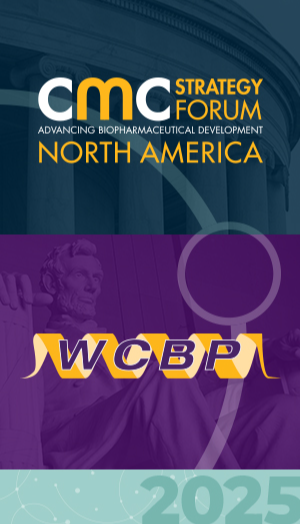
CASSS Sharing Science Solutions CMC Strategy Forum North America WCBP 2025
$40.00
CASSS CMC Strategy 2025 reviews analytical development, manufacturing strategy, complex biologics and global regulatory considerations.
Delivery Information: This Product is shared via google drive download link. Please use your correct Gmail address at checkout.
Please note: there are no CME points or certificate associated with this course.
Samples for Courses Can be found here: Free Samples Here!
MedicalAmboss File Scope: This listing describes the educational subject matter for reference. Provider registration, live attendance, streaming-platform access, CME or other credit, certificates, memberships, apps, accounts, and publisher-hosted extras are not included unless they are explicitly listed as store files. MedicalAmboss.
CASSS CMC Strategy 2025: Forum North America and WCBP
CMC Strategy • Regulatory Science • Analytical Characterization • Bioprocess Development • Biopharmaceutical Quality
January 27–30, 2025 | Washington, D.C.
Explore emerging strategies, analytical technologies, regulatory approaches, and manufacturing innovations across the biopharmaceutical lifecycle with CASSS Sharing Science Solutions CMC Strategy Forum North America WCBP 2025.
This MedicalAmboss product brings together educational content from two closely linked CASSS meetings held back-to-back at The Mayflower Hotel in Washington, D.C.:
- CMC Strategy Forum North America – January 27, 2025
- WCBP 2025 – January 28–30, 2025
CASSS also offered a WCBP Pre-Conference Workshop on January 27, creating an extended four-day scientific program across CMC strategy, analytical science, regulatory affairs, bioprocessing, microbiology, product characterization, specifications, combination products, and emerging biopharmaceutical technologies.
The January CMC Strategy Forum focused on two major themes:
- Digital Transformation: AI and Data Analytics to Accelerate Development Timelines
- Advances Toward Patient-Centric Quality Standards
The WCBP Symposium then expanded into a broader program addressing analytical technologies, regulatory convergence, microbiological control, immunogenicity, device/combination products, complex modalities, advanced manufacturing, sustainability, and global CMC strategy.
Course Details
- Product: CASSS Sharing Science Solutions CMC Strategy Forum North America WCBP 2025
- Organization: CASSS – Sharing Science Solutions
- Year: 2025
- Overall Dates: January 27–30, 2025
- Venue: The Mayflower Hotel
- Location: Washington, D.C., United States
- CMC Strategy Forum North America: January 27, 2025
- WCBP Symposium: January 28–30, 2025
- WCBP Pre-Conference Workshop: January 27, 2025
- Primary Field: Biopharmaceutical CMC and Regulatory Science
- Related Areas: Analytical Development, Process Development, Quality Control, Regulatory Affairs, Bioprocessing, Microbiology, Advanced Therapies
- Educational Formats: Scientific Presentations, Workshops, Panels, Roundtables, Technical Seminars, Posters, Mini Cases, and Regulatory Discussions
- Primary Focus: Chemistry, Manufacturing, Controls, Analytical Science, Regulatory Strategy, and Biopharmaceutical Quality
CASSS describes the CMC Strategy Forum as a venue for industry, regulatory, and academic professionals to discuss emerging CMC issues across the entire biotechnology product lifecycle, while WCBP focuses on the interface between analytical development and regulatory control of biotechnology-derived products.
Meeting Scale & International Participation
WCBP 2025 was one of CASSS’s largest meetings of the year.
CASSS later reported that more than 1,100 people participated in WCBP 2025 in-person and virtually. Its 2025 meeting summary also documented:
- 450 first-time attendees
- 13 regulatory agencies represented
- 190 companies represented
- 23 countries represented
The conference brought together regulators, industry scientists, academics, technology specialists, and emerging professionals from across the international biopharmaceutical community.
Who Was the Original Program Designed For?
The combined CMC Strategy Forum and WCBP program is particularly relevant for:
- Analytical Scientists
- CMC Scientists
- CMC Regulatory Affairs Professionals
- Process Development Scientists
- Bioprocess Engineers
- Formulation Scientists
- Quality Assurance Professionals
- Quality Control Professionals
- Regulatory Scientists
- Biopharmaceutical Manufacturing Specialists
- Bioassay Scientists
- Microbiology Specialists
- Pharmaceutical Development Scientists
- Cell and Gene Therapy Scientists
- Vaccine Development Scientists
- Combination Product Specialists
- Data Scientists supporting bioprocessing
- AI / ML Scientists working in biopharma
- CDMO / CMO Professionals
It is also relevant for:
- Pharmaceutical Physicians
- Medical Toxicologists
- Preventive Medicine Specialists
- Clinical Pharmacologists
The strongest technical audience remains:
CMC + Analytical Science + Regulatory Affairs + Biopharmaceutical Development
Learning Objectives
Upon completion of this program, participants should be better able to:
- Implement artificial intelligence, machine learning, and automation to accelerate bioprocess development, formulation, and data modeling while ensuring regulatory compliance.
- Apply advanced analytical technologies, including LC-MS, capillary electrophoresis, and native mass spectrometry, for comprehensive biotherapeutic characterization and host cell impurity control.
- Develop robust control strategies and specifications for complex formulations, combination products, and advanced therapies such as cell and gene therapies and vaccines using prior knowledge and risk-based approaches.
- Evaluate and transition toward alternative endotoxin testing methodologies, including approaches moving away from horseshoe crab-derived reagents, while managing challenges related to low endotoxin recovery.
- Navigate the global regulatory landscape to manage post-approval changes, leverage CDMO/CTO networks, and support movement toward a unified One Global CMC Dossier.
CMC STRATEGY FORUM NORTH AMERICA 2025
January 27, 2025
The January 2025 CMC Strategy Forum North America was structured around two major scientific and regulatory themes:
Digital Transformation: AI and Data Analytics to Accelerate Development Timelines
and
Advances Toward Patient-Centric Quality Standards
These themes examined how emerging digital tools and deeper product understanding can improve development efficiency while maintaining appropriate regulatory and quality standards.
DIGITAL TRANSFORMATION
The first major Forum theme examined how structured data, digitalization, artificial intelligence, machine learning, and generative AI can be used during pharmaceutical development and manufacturing.
The official program specifically addressed:
- AI in drug discovery and developability
- Protein structure and property modeling
- Predictive bioprocess analysis
- Cell-culture optimization
- Stability modeling
- Commercial manufacturing-data modeling
- Automated regulatory-document generation
- Analytical-data modeling
AI in Bioprocess Development
A major presentation was:
The Challenge and Criticality of Data Contextualization to Support Effective AI/ML/Modeling in Bioprocess Development – an Industrial Case Study
The session emphasized that successful artificial intelligence depends not simply on collecting large volumes of data, but on having data that are appropriately structured and contextualized for modeling.
AI/ML for Biotherapeutic Characterization
The program also included:
Development of Realistic and Safe AI/ML Applications for Biotherapeutic Characterization and Process Development
This connected machine learning with:
- Process development
- Product characterization
- Model reliability
- Risk management
- Regulatory expectations
AI-Assisted Regulatory Authoring
Another confirmed presentation was:
A “One-Click” Submission with AI and Digital Authoring
This reflects increasing interest in applying digital technologies to:
- Regulatory authoring
- Structured submissions
- Data reuse
- Submission efficiency
while maintaining appropriate control and review.
Machine Learning in Process Development & Control
The Forum included:
Practical and Regulatory Considerations for Machine Learning Models Applied to Process Development and Control
demonstrating that AI and ML are being evaluated not merely for research but for possible use within regulated development and manufacturing environments.
Real-Time PAT & Computational Controls
The second AI-focused workshop included:
Empowering 5.0 BioSolutions Through Realtime PAT and Computational Controls
linking digital transformation to:
- Process Analytical Technology
- Real-time monitoring
- Computational control
- Manufacturing optimization
Predictive Stability Modeling
The program included both:
Predictive Stability Modeling of mRNA Vaccines
and:
AI-Accelerated Stability for Biologics
This demonstrates how modeling and machine learning may be applied to stability prediction and product-lifecycle planning.
Regulatory Expectations for Data Models
The Forum also included:
Regulatory Expectations for Data Models to Support a Marketing Application
highlighting the importance of understanding how models used during development may be viewed within regulatory submissions.
PATIENT-CENTRIC QUALITY STANDARDS
The second major CMC Forum theme was:
Advances Toward Patient-Centric Quality Standards
The program defined patient-centric quality standards around attributes and acceptance ranges that are linked to patient safety and efficacy rather than being determined only by historical manufacturing capability.
Critical Quality Attributes – CQAs
A major objective was improving understanding of:
- Critical Quality Attributes
- Patient relevance
- Safety impact
- Efficacy impact
- Exposure ranges
- Manufacturing control
The Forum explored how sponsors can use prior knowledge and additional product understanding to establish more scientifically meaningful specifications.
Patient-Centric Control Strategy Development
A confirmed presentation was:
Patient-Centric Control Strategy Development: Principles, Tool, and mAb Examples
The program connected patient relevance directly with the development of practical control strategies for biologic medicines.
Biotransformation & Product Quality
The session included:
Leveraging Biotransformation Data to Refine Bioprocesses and Derisk PQAs
illustrating how biological knowledge can improve understanding of product-quality attributes and support risk-based control strategies.
Vaccine CQAs
Another presentation addressed:
Defining CQAs Impacting Vaccine Efficacy: The Role of in Vitro and in Vivo Models
linking vaccine characterization with safety, efficacy, and specification-setting.
Specifications for Cell Therapy
The Forum included:
Strategies for Defining Specifications in Autologous Cell Therapy Products
showing how patient-centric specification concepts can be extended beyond conventional protein therapeutics into advanced therapies.
Therapeutic Protein Specifications
Another case-based presentation addressed:
Patient-Centric Specification Setting for a Therapeutic Protein
alongside discussion of endotoxin acceptance criteria.
This reinforced the broader theme that specifications should be scientifically justified and linked to clinical relevance.
Vaccine Potency Specifications
The program included:
Enhanced Approaches Support Robust Harmonized Vaccine Potency Specifications
demonstrating continued interest in creating more globally consistent and scientifically justified potency controls.
WCBP 2025
January 28–30, 2025
WCBP 2025: Symposium on the Interface of Regulatory & Analytical Sciences for Biotechnology Health Products continued the scientific discussion across a much broader analytical and regulatory program.
Official CASSS materials identified major themes including:
- Device and combination-product challenges
- Microbiological considerations
- Breakthrough technologies for characterization
- Comparability
- Immunogenicity
- Sustainability
- Regulatory convergence
WCBP 2025 Keynote
The keynote presentation was:
The Road to Preventing Prion Disease: Opportunities, Challenges, and My Personal Mandate
presented by Sonia Vallabh, PhD, Broad Institute.
The keynote connected cutting-edge therapeutic development with a direct patient perspective and the scientific effort to develop preventive treatment for genetic prion disease.
BIOASSAY DEVELOPMENT PRE-CONFERENCE WORKSHOP
WCBP also offered a pre-conference workshop on January 27.
The first session was:
Introduction to Bioassay Development: CMC Strategy and Practical Application
covering potency assay development and lifecycle management across:
- Monoclonal antibodies
- Antibody-drug conjugates
- Fusion proteins
- T-cell engagers
- Vaccines
- Cell and gene therapy products
Practical Method Design
The afternoon workshop:
Practical Applications for Method Design and Performance
used collaborative case studies focused on challenges in:
- Bioassay development
- Deployment
- Method performance
- Lifecycle management
Alternative Potency Assays
One of the first major WCBP scientific sessions was:
Science vs the Fear Factor: Alternative Potency Assays for Recombinant Biologics and Vaccines
The session examined strategies for replacing complex cell-based or in vivo assays with scientifically justified alternatives when appropriate.
Transition from In Vivo to In Vitro Testing
The session included:
How Industry and Regulatory Innovation and Collaboration Can Promote the Transition From in Vivo to In Vitro Potency Testing for Human Legacy Vaccines
and:
Replacement of in Vivo Immunogenicity Assay With in Vitro Antigenicity ELISA for Pertactin Antigen in Acellular Pertussis Combination Vaccines
This represents an important movement toward more efficient and potentially less animal-dependent analytical strategies.
LOW ENDOTOXIN RECOVERY – LER
Another major session was:
LER 2025: Strategies Today for Overcoming Low Endotoxin Recovery
The program described Low Endotoxin Recovery as an ongoing challenge in biologics manufacturing because certain formulation components can interfere with compendial endotoxin-detection methods.
Microbial Control Strategy
A confirmed presentation was:
Defining the Microbial Control Strategy for Low Endotoxin Recovery Impacted Biologics
The session connected endotoxin testing with the broader microbial-control strategy needed to protect product quality and patient safety.
Alternative Endotoxin Testing
The WCBP workshop:
Endotoxin Testing: The Future and the Past are Living Together
addressed:
- LER testing and mitigation
- Lack of global harmonization
- Endotoxin standards
- Rabbit Pyrogen Test alternatives
- Monocyte Activation Test – MAT
- Regulatory expectations
Moving Away from Animal-Derived Testing
WCBP also held roundtables on:
Moving Away from Animal Testing and Animal Derived Components Including Alternate Endotoxin Test
and later addressed sustainability and the use of horseshoe crab blood in bacterial endotoxin testing.
Horseshoe Crab Blood & Sustainability
A confirmed scientific presentation was:
Bacterial Endotoxin Testing: Progressive Science and Sustainability
along with an industry update from the:
PSCI Horseshoe Crab Blood Working Group
This connects analytical science with sustainability and the transition toward alternative endotoxin methodologies.
ICH Q2(R2) & ICH Q14
A dedicated WCBP workshop was:
Unlocking the Secrets of Platform Analytical Procedures with a Dash of ICH Q2(R2)/Q14 Magic
The session focused on applying revised analytical-development and validation principles to platform analytical procedures.
Topics included:
- Platform method designation
- Prior knowledge
- Validation expectations
- Abbreviated validation
- Laboratory implementation
- Regulatory submission
Predictive Stability
Another WCBP workshop was:
Back to the Future and the Future is Predictive Stability
The session examined how predictive models may support:
- Product-development timelines
- Shelf-life prediction
- Lifecycle management
- Risk assessment
- Global regulatory expectations
Product-Specific Reference Standards
The program also included:
Managing Product-Specific Reference Standards: Challenges and Best Practices
covering:
- Reference-standard establishment
- Qualification
- Storage
- Stability
- Requalification
- Two-tier reference-standard strategies
- Lifecycle management
COMPLEX PRODUCT CHARACTERIZATION
A major plenary was:
Old Dog, New Tricks: Harnessing the Hidden Potential of Established Analytical Technologies to Drive Complex Product Characterization
The session explored how established technologies can be modified or combined to characterize emerging complex biologic modalities.
Capillary Isoelectric Focusing
A confirmed presentation was:
A Novel, High-Throughput Imaged Capillary Isoelectric Focusing (iCIEF)-Western Method to Characterize Charge Heterogeneity of Monoclonal Antibody Heavy and Light Chains
demonstrating advanced use of capillary-based characterization for therapeutic proteins.
Next-Generation Sequencing
The same plenary included:
Genetic Medicine Characterization via 2nd and 3rd Generation Sequencing Tools
extending analytical characterization into genetic medicines and advanced therapeutic modalities.
Capillary Electrophoresis & LC-MS
A WCBP technical seminar addressed:
Comprehensive Characterization of Biotherapeutics Using Orthogonal Capillary Electrophoresis, Liquid Chromatography-Mass Spectrometry, and icIEF-UV/MS Workflows
This integrated multiple orthogonal techniques for more complete biotherapeutic characterization.
LC-MS
Liquid Chromatography–Mass Spectrometry – LC-MS plays an important role in:
- Molecular characterization
- Impurity detection
- Variant analysis
- Structural confirmation
- Product comparability
Its inclusion in WCBP demonstrates the importance of high-resolution analytical science in modern CMC programs.
Native Mass Spectrometry
WCBP also included:
Unmatched Capability to Elucidate the Complex Size and Charge Variants of Protein Therapeutics using Native Mass Spectrometry
with presentations on:
- Bispecific antibodies
- High-molecular-mass species
- Proteoform-specific microheterogeneity
Host Cell Impurities
A dedicated technical session addressed:
Best Practices in Host Cell Impurity Analytics – Using Advanced Technologies and Methods to Monitor and Control Host Cell Proteins and Host Cell DNA
This connects advanced analytical technology with impurity control throughout process development and manufacturing.
Host Cell Proteins – HCPs
Host-cell protein management may involve:
- Detection
- Quantitation
- Risk assessment
- Process clearance
- Trending
- Control strategy
The WCBP program placed these considerations within the broader framework of modern biologics characterization.
LC, MALS & MS
Another technical session covered:
Integrating LC, MALS, and MS for Compliance and Connectivity in GMP Labs
highlighting the growing use of integrated analytical workflows within regulated laboratory environments.
COMBINATION PRODUCTS
A major WCBP session was:
Integrated Control Strategy for Combination Products
Drug-device products discussed included examples such as:
- Prefilled syringes
- Autoinjectors
The program emphasized that successful combination-product control requires understanding of:
- Materials
- Components
- Product design
- Manufacturing processes
- Device controls
- Risk management
throughout the product lifecycle.
Autoinjector Control Strategies
A confirmed case study was:
Considerations for Developing an Autoinjector Control Strategy
This examined the translation of combination-product design into practical CMC control.
Combination Product Lifecycle Changes
Another presentation was:
Maintaining an Integrated Control Strategy Throughout Combination Product Lifecycle Changes
highlighting the importance of adapting control strategies from clinical development through:
- Marketing authorization
- Commercialization
- Post-approval changes
Immunogenicity Risk & Control
A dedicated session addressed:
Immunogenicity Risk and Control
The program examined how:
- Product attributes
- Aggregation
- Post-translational modifications
- Product impurities
- Process-related impurities
may contribute to immunogenicity risk.
Data-Driven Immunogenicity Risk Assessment
The session included:
Tiered, Data-driven Approach for Assessing the Safety of Product-Related Impurities in Support of Commercial Control Strategy Development
linking analytical characterization with potential clinical immunogenicity risk.
PATIENT-CENTRIC SPECIFICATIONS
WCBP expanded on the CMC Forum’s quality theme with:
Patient Centric Specifications: How Can They Be Established and Maintained, or if Justified Amended
The workshop explored how overly restrictive specifications may reduce product availability without necessarily improving patient benefit.
Setting Specifications for Advanced Therapies
WCBP roundtables included:
Setting Specification (Including Potency) for Not Well-Characterized Biological Products, e.g., Cell and Gene Therapy Products
This directly addressed specification strategies for advanced therapeutic modalities where extensive conventional characterization may not be possible.
Complex Formulations
Another roundtable addressed:
CMC Challenges With Complex Formulation: Excipient Selection and Impact on Product Stability and Process Consistency
This highlights the relationship between formulation design, product stability, manufacturing robustness, and regulatory control.
Artificial Intelligence at WCBP
Artificial intelligence and machine learning were again prominent within WCBP.
Roundtables included:
- Practical Applications of AI / ML in Discovery, Development and Platform Establishment Including CQA Controls
- Applications of Artificial Intelligence / Machine Learning and Automation
Revolutionizing Biopharmaceuticals with AI
A dedicated workshop was:
Revolutionizing Biopharmaceuticals with AI: From Soup to Nuts
It examined AI applications across:
- Drug development
- Clinical development
- CMC
- Regulatory submissions
- Health-authority interactions
and discussed both the opportunities and implementation risks associated with AI.
Digital Solutions
WCBP also included a mini-case session on:
Digital Solutions – Data Management, Modeling, Submissions, etc.
demonstrating how digital transformation extends beyond AI into the overall handling and use of development data.
MICROBIOLOGICAL CONTROL
A dedicated workshop addressed:
Microbiology Topics: Sterilization Validation and Aseptic Topics in Biologics
The session covered:
- Sterility validation
- Environmental monitoring
- Contamination control
- Accelerated development programs
- Newer biologic modalities
- Flexible manufacturing facilities
- Annex 1
- Emerging technologies
- AI
Annex 1 & Aseptic Processing
The microbiology session specifically addressed adaptation to regulatory changes, particularly EU GMP Annex 1, within sterile biologic manufacturing.
GLOBAL REGULATORY STRATEGY
Regulatory convergence formed a major component of WCBP.
A plenary session was:
Navigating the Regulatory Landscape: Global Convergence and Innovation in Biopharmaceutical Manufacturing
and the broader program repeatedly examined how sponsors can navigate differing global regulatory expectations.
One Global CMC Dossier
A dedicated roundtable was:
The Road to One Global CMC Dossier
reflecting long-standing industry interest in reducing unnecessary divergence between national CMC submission requirements.
The concept aims to support more efficient global development while maintaining appropriate product-quality standards.
Health Authority Questions
Another roundtable addressed:
Recent Trends in Questions from Health Authorities
allowing participants to examine recurring CMC regulatory issues arising during submissions and review.
CMO, CDMO & CTO Networks
WCBP included:
Managing/Leveraging CMOs and CTOs for Marketing Application Success
followed later by:
Managing/Leveraging CMOs and CTOs for Lifecycle Success
These sessions reflect the increasing reliance of modern biopharmaceutical organizations on external development and manufacturing networks.
Contract Manufacturing & Global Access
A major bridging session was:
Leveraging Contract Organization Networks to Enhance Patient Access in Lower and Middle-Income Countries
It examined how:
- CMOs
- CDMOs
- Manufacturing networks
- Technology transfer
- Regulatory coordination
can support global access to medicines.
Post-Approval Changes
WCBP included a mini-case session on:
Accelerating Post Approval Changes
and a later workshop on:
Analytical Method Bridging Pre- and Post-Approval.
Analytical Method Bridging
The method-bridging workshop addressed:
- New analytical technologies
- Changes in equipment or reagents
- Method replacement
- Comparability
- Specification updates
- Clinical batches
- Post-approval batches
Regulatory Reliance
The final plenary was:
Strength in Partnership: Bringing Reliance into Action Globally
It explored the use of regulatory reliance to support more efficient global regulatory decision-making and timely access to high-quality medicines.
Global Post-Approval CMC Management
The final plenary also included:
How to Effectively Manage CMC Post-Approval Changes
demonstrating that lifecycle management remains a major CMC challenge after initial approval.
ADVANCED MANUFACTURING
WCBP included dedicated roundtable discussion on:
Advanced Manufacturing Technology
alongside sessions addressing:
- PAT
- Automation
- Digital manufacturing
- Process modeling
- Predictive analytics
Prior Knowledge
The program also emphasized use of prior knowledge to accelerate development and reduce unnecessary duplication of work.
A workshop on established knowledge discussed protein-based modalities including:
- Monoclonal antibodies
- Multispecifics
- Conjugates
while noting that many principles could apply more broadly across biologics.
Small & Virtual Biotech Companies
A major plenary was:
Navigating the Small and Virtual Business Landscape: Managing More with Less
highlighting the special CMC and regulatory challenges faced by smaller biotechnology companies and virtual development organizations.
Major Topics Covered
- Chemistry, Manufacturing and Controls
- CMC
- Biopharmaceutical Development
- Regulatory Science
- Analytical Development
- Quality Control
- Quality Assurance
- Digital Transformation
- Artificial Intelligence
- Machine Learning
- Generative AI
- Automation
- Data Analytics
- Data Modeling
- Bioprocess Development
- Cell Culture Optimization
- Predictive Stability
- PAT
- Computational Process Control
- Regulatory Authoring
- Patient-Centric Quality Standards
- Critical Quality Attributes
- CQAs
- Product Quality Attributes
- Specifications
- Control Strategies
- Vaccines
- Cell and Gene Therapy
- Monoclonal Antibodies
- T-Cell Engagers
- Antibody-Drug Conjugates
- ADCs
- Advanced Therapies
- Alternative Potency Assays
- Bioassays
- Endotoxin Testing
- Low Endotoxin Recovery
- LER
- Monocyte Activation Test
- Rabbit Pyrogen Test Alternatives
- Horseshoe Crab Blood
- Sustainability
- ICH Q2(R2)
- ICH Q14
- Platform Analytical Procedures
- Reference Standards
- Capillary Electrophoresis
- LC-MS
- Native Mass Spectrometry
- iCIEF
- Host Cell Proteins
- Host Cell DNA
- Biotherapeutic Characterization
- Next-Generation Sequencing
- Combination Products
- Prefilled Syringes
- Autoinjectors
- Immunogenicity
- Complex Formulations
- Sterility Validation
- Aseptic Processing
- Annex 1
- One Global CMC Dossier
- CMO
- CDMO
- CTO
- Post-Approval Changes
- Analytical Method Bridging
- Regulatory Reliance
- Global Regulatory Convergence
- Advanced Manufacturing
- Prior Knowledge
- Global Patient Access
Who Should Take This Course?
CASSS Sharing Science Solutions CMC Strategy Forum North America WCBP 2025 is particularly relevant for:
- CMC Scientists
- Analytical Development Scientists
- Regulatory Affairs Professionals
- Biopharmaceutical Scientists
- Process Development Scientists
- Formulation Scientists
- QC Scientists
- QA Professionals
- Regulatory Scientists
- Bioassay Scientists
- Bioprocess Engineers
- Manufacturing Scientists
- Microbiologists
- Vaccine Scientists
- Cell and Gene Therapy Scientists
- Combination Product Specialists
- Mass Spectrometry Scientists
- Data Scientists
- AI / ML Specialists in Biopharma
- CMO / CDMO / CTO Professionals
- Pharmaceutical Physicians
- Medical Toxicologists
- Preventive Medicine Specialists
- Clinical Pharmacologists
The strongest professional audience remains:
CMC + Analytical Science + Regulatory Affairs + Biopharmaceutical Development
Why This Course Is Useful
CASSS CMC Strategy Forum North America & WCBP 2025 brings together scientific, manufacturing, analytical, and regulatory perspectives across the entire biopharmaceutical lifecycle.
Digital Transformation
- AI
- Machine learning
- Automation
- Predictive modeling
- Digital regulatory submissions
Analytical Characterization
- LC-MS
- Capillary electrophoresis
- Native mass spectrometry
- iCIEF
- Host-cell impurity analysis
Quality & Specifications
- Patient-centric quality standards
- CQAs
- Specifications
- Control strategies
- Reference standards
Complex Modalities
- Cell and gene therapy
- Vaccines
- ADCs
- Multispecifics
- Genetic medicines
Microbiology
- LER
- Endotoxin testing
- Alternative pyrogen methods
- Sterility validation
- Aseptic processing
Regulatory Strategy
- ICH Q2(R2)
- ICH Q14
- Global convergence
- One Global CMC Dossier
- Post-approval changes
Manufacturing & Globalization
- CMOs
- CDMOs
- CTO networks
- Advanced manufacturing
- Global patient access
The overall development pathway can be summarized as:
Understand Product → Develop Process → Characterize → Define CQAs → Establish Control Strategy → Validate → Submit → Manufacture → Manage Post-Approval Changes → Improve Throughout the Lifecycle
Product Summary
- Product: CASSS Sharing Science Solutions CMC Strategy Forum North America WCBP 2025
- Organization: CASSS – Sharing Science Solutions
- Year: 2025
- Overall Dates: January 27–30, 2025
- Venue: The Mayflower Hotel
- Location: Washington, D.C.
- CMC Strategy Forum: January 27, 2025
- WCBP Symposium: January 28–30, 2025
- WCBP Pre-Conference Workshop: January 27, 2025
- WCBP Attendance: 1,100+ in-person and virtual
- Primary Field: Biopharmaceutical CMC
- Related Fields: Analytical Science, Regulatory Affairs, Quality, Manufacturing
- Major Areas: AI/ML, Patient-Centric Specifications, LC-MS, CE, Native MS, LER, Endotoxin Testing, Combination Products, Immunogenicity, Advanced Therapies, Regulatory Convergence
- Primary Audience: CMC, Analytical, Regulatory, Quality, and Process Development Professionals
Short Description
CASSS Sharing Science Solutions CMC Strategy Forum North America WCBP 2025 combines four days of advanced biopharmaceutical CMC, analytical, regulatory, quality, and manufacturing education held January 27–30, 2025, at The Mayflower Hotel in Washington, D.C.
The program covers artificial intelligence, machine learning, bioprocess modeling, patient-centric specifications, LC-MS, capillary electrophoresis, native mass spectrometry, host-cell impurities, alternative endotoxin testing, low endotoxin recovery, combination products, immunogenicity, cell and gene therapies, predictive stability, ICH Q2/Q14, post-approval changes, CMO/CDMO networks, global regulatory convergence, and the One Global CMC Dossier.
Topics
Monday, January 27, 2025 – CMC Strategy Forum North America
Digital Transformation: AI and Data Analytics to Accelerate Development Timelines
- The Challenge and Criticality of Data Contextualization to Support Effective AI/ML/Modeling in Bioprocess Development – an Industrial Case Study
- Development of Realistic and Safe AI/ML Applications for Biotherapeutic Characterization and Process Development
- A “One-Click” Submission with AI and Digital Authoring
- Practical and Regulatory Considerations for Machine Learning Models Applied to Process Development and Control
- Empowering 5.0 BioSolutions Through Realtime PAT and Computational Controls
- Predictive Stability Modeling of mRNA Vaccines
- AI-Accelerated Stability for Biologics
- Regulatory Expectations for Data Models to Support a Marketing Application
Advances Toward Patient-Centric Quality Standards
- What is Meant by Patient-Centric Quality Standards?
- Patient-Centric Control Strategy Development: Principles, Tool, and mAb Examples
- Leveraging Biotransformation Data to Refine Bioprocesses and Derisk PQAs
- Defining CQAs Impacting Vaccine Efficacy: The Role of in Vitro and in Vivo Models
- Enhanced Approaches to Setting Specifications – A Regulatory Perspective
- A High Threshold of Aggregate Numbers Is Needed to Induce Immunogenic Response in Vitro, in Vivo, and in the Clinic
- Strategies for Defining Specifications in Autologous Cell Therapy Products
- Patient-Centric Specification Setting for a Therapeutic Protein and Endotoxin Acceptance Criteria
- Allowable Excess Volume and Gross Content Requirements and Challenges for Injectable Drug Products
- Enhanced Approaches Support Robust Harmonized Vaccine Potency Specifications
Monday, January 27, 2025 – WCBP Pre-Conference Workshop
- Introduction to Bioassay Development: CMC Strategy and Practical Application – Part A
- Introduction to Bioassay Development: CMC Strategy and Practical Application – Part B
- Practical Applications for Method Design and Performance – Part A
- Practical Applications for Method Design and Performance – Part B
Tuesday, January 28, 2025 – WCBP
- Keynote: The Road to Preventing Prion Disease: Opportunities, Challenges, and My Personal Mandate
- Science vs the Fear Factor: Alternative Potency Assays for Recombinant Biologics and Vaccines
- LER 2025: Strategies Today for Overcoming Low Endotoxin Recovery
- Advances in Capillary Electrophoresis for Biotherapeutic Development
- Critical Attributes Analysis and Method Lifecycle Management for Biologics and ATMPs
- Digital Transformation in Bioprocessing: Managing Data for Better Outcomes
- Endotoxin Testing: The Future and the Past are Living Together
- Unlocking the Secrets of Platform Analytical Procedures with a Dash of ICH Q2(R2)/Q14 Magic
- Back to the Future and the Future is Predictive Stability
- Managing Product-Specific Reference Standards: Challenges and Best Practices
- Navigating the Regulatory Landscape: Global Convergence and Innovation in Biopharmaceutical Manufacturing
Wednesday, January 29, 2025 – WCBP
Major confirmed program areas include:
- Complex Product Characterization
- iCIEF-Western Characterization of mAb Charge Heterogeneity
- Genetic Medicine Characterization via 2nd and 3rd Generation Sequencing
- Integrated Control Strategy for Combination Products
- Immunogenicity Risk and Control
- Comprehensive Characterization Using CE, LC-MS and icIEF-UV/MS
- Host Cell Protein and Host Cell DNA Analytics
- LC/MALS/MS Integration in GMP Laboratories
- Complex Formulation Challenges
- Moving Away from Animal Testing and Animal-Derived Components
- The Road to One Global CMC Dossier
- Managing CMOs and CTOs for Marketing Application Success
- Advanced Manufacturing Technology
- AI/ML in Discovery, Development and CQA Control
- AI/ML and Automation
- Digital Solutions: Data Management, Modeling and Submissions
- Accelerating Post-Approval Changes
- Leveraging Contract Organization Networks to Enhance Patient Access
- Revolutionizing Biopharmaceuticals with AI: From Soup to Nuts
- Patient-Centric Specifications
- Microbiology: Sterilization Validation and Aseptic Processing
Thursday, January 30, 2025 – WCBP
Confirmed later-program topics include:
- Bacterial Endotoxin Testing: Progressive Science and Sustainability
- PSCI Horseshoe Crab Blood Working Group Update
- Small and Virtual Biotech: Managing More with Less
- Prior Knowledge to Support Clinical and Marketing Applications
- Native Mass Spectrometry for Complex Protein Therapeutics
- Digital Transformation and Data Integrity in GMP Manufacturing
- Analytical Method Bridging Pre- and Post-Approval
- FDA MAPP 5019.1: Allowable Excess Volume / Gross Content
- Strength in Partnership: Bringing Reliance into Action Globally
- How to Effectively Manage CMC Post-Approval Changes
Topics
-
Advanced Manufacturing
-
AI-Accelerated Stability for Biologics
-
Allowable Excess Volume and Gross Content Requirements for Injectable Drug Products Filled in Vials or Ampules
-
Applications of Artificial Intelligence – Machine Learning and Automation
-
Bacterial Endotoxin Testing Progressive Science and Sustainability
-
Best Practices in Host Cell Impurity Analytics Using Advanced Technologies and Methods
-
Bridging Session – Leveraging Contract Organization Networks to Enhance Patient Access in Lower and Middle-Income Countries
-
Case Studies for Patient-Centric Specification Setting for a Therapeutic Protein and IQ Readout on Endotoxin Acceptance Criteria
-
CASSS Welcome 13th Annual Hancock Award WCBP 2025 Introduction
-
CMC Challenges with Complex Formulations – Excipient Selection and Impact on Product Stability and Process Consistency
-
CMC Paths to Patients for Small and Virtual Biotechs
-
Community Voices Sunrise Chats
-
Comprehensive Characterization of Biotherapeutics Using Orthogonal Capillary Electrophoresis CE Liquid Chromatography-Mass Spectrometry LC-M
-
Considerations for Developing an Autoinjector Control Strategy
-
Coupling Mass Spectrometry MS with non-MS Assays for Automated Profiling of Antibody Impurities
-
Critical Attributes Analysis and Method Lifecycle Management for Biologics and ATMPs
-
Defining the Microbial Control Strategy for Low Endotoxin Recovery Impacted Biologics
-
Delivering COVID Variant Vaccines in 100 days
-
Development of Realistic and Safe AIML Applications for Biotherapeutic Characterization and Process Development
-
Empowering 5.0 BioSolutions Through Realtime PAT and Computational Controls
-
Enhanced Approaches Support Robust Harmonized Vaccine Potency Specifications
-
Fix-Dose Co-Formulated Protein Product in Liquid or Solid
-
Genetic Medicine Characterization via 2nd and 3rd Generation Sequencing Tools
-
Global Access to Medicines in Underserved Regions
-
Host Cell Protein Assays- Are We Still Relying on Conventional Quantification by Enzyme-Linked Immunosorbent Assays (ELISAs)
-
How Industry and Regulatory Innovation and Collaboration Can Promote the Transition From in Vivo to in Vitro Potency Testing
-
How to Effectively Manage CMC Post-Approval Changes
-
How to Incorporate Prior Knowledge What Are Bayesian Statistics and Why Non-Statisticians Should Be Interested
-
Initiatives from Industry An Update from the PSCI Horseshoe Crab Blood Working Group
-
IQ Biologics Specifications Setting Challenges and Opportunities Working Group Endotoxin Subgroup Readout
-
Keynote Presentation – The Road to Preventing Prion Disease Opportunities Challenges and My Personal Mandate
-
Leveraging Biotransformation Data to Refine Bioprocesses and Derisk PQAs
-
Maintaining an Integrated Control Strategy Throughout Combination Product Lifecycle Changes
-
Managing More With Less – the Power of Platforms
-
Managing/Leveraging CMOs and CTOs for Lifecycle Success
-
Method Transfer Challenges at CMOs CROs
-
Microbiological Submission Roadblocks
-
Mini Case Sessions (Accelerating Post Approval Changes, Use of Predictive Stability, Applying Prior Knowledge, Assessment of Visible Particles)
-
Molecule-Independent Device Bridging Approach (MIDBA)
-
Moving Away from Animal Testing and Animal Derived Components Including Alternate Endotoxin Test
-
Navigating 2-Tier Reference Standard Strategy for Biologics
-
Overcoming Low Endotoxin Recovery from Theory to Practice
-
Parallel Sessions (Alternative Potency Assays, LER Strategies, Integrated Control Strategy for Combination Products, Immunogenicity Risk, Prior Knowledge, Protecting the Horseshoe Crab)
-
Partnering with CDMOs A Strategic Primer for Startups
-
Plenary Sessions (Global Convergence, Harnessing Established Analytical Technologies, Strength in Partnership)
-
Practical and Regulatory Considerations for Machine Learning Models
-
Predictive Stability for Biologics Using Kinetic Modeling
-
Recent Trends in Questions from Global Health Authorities
-
Regulatory Expectations for Data Models to Support a Marketing Application
-
Relevance of Accelerated and Forced Degradation Studies for a Frozen DS DP
-
Replacement of in vivo Immunogenicity Assay with in vitro Antigenicity ELISA for Pertactin Antigen in Acellular Pertussis Combination Vaccines
-
Setting Specification for Not Well-Characterized Biological Products, e.g., Cell and Gene Therapy Products
-
Setting Specifications on Limited Data, Clinically Relevant Specs Next Generation Control Strategies
-
Tech Transfer Challenges and How to Avoid Common Mistakes
-
Technical Seminars (Agilent Technologies, Catalent Biologics, LumaCyte, SCIEX, Waters Corporation)
-
The Challenge and Criticality of Data Contextualization to Support Effective AIMLModeling in Bioprocess Development
-
The Road to One Global CMC Dossier
-
Troublesome Issues Seen in Biologics Development in Academic Spaces and Small Startup Companies
-
Turning Mandates into Momentum How CASSS Can Help Sonia Vallabh
-
Unmatched Capability to Elucidate the Complex Size and Charge Variants of Protein Therapeutics using Native Mass Spectrometry with the Orbit
-
Vaccine Manufacturing New Technologies for mRNA Production
-
WATCH NOW How to Maximize Value from Protein Metrics New Multi-Protein Quantitation Workflows
-
Welcome Day 3 Plenary Session 7 – Navigating the Small and Virtual Business Landscape Managing More with Less
-
What Are the New Alternate Lipids for Lipid Nanoparticles
-
What Do Crabs Have to Do with Birds Have to Do with People
-
What Is Meant by Patient-Centric Quality Standards
-
Wide-Spread Adoption of High-Volume Delivery Subcutaneously – What’s the Hold-Up
-
Workshop Sessions (Digital Transformation, Patient Centric Quality Standards, Predictive Stability, Endotoxin Testing, Platform Analytical Procedures, Platform Designation Guidance, Sterilization Validation, Artificial Intelligence)
Related products
Internal Medicine
Internal Medicine
Critical Care - Emergency medicine
2022 UPDATES IN THERAPEUTICS: CRITICAL CARE PHARMACY PREPARATORY REVIEW AND RECERTIFICATION COURSE

Internal Medicine

Anesthesiology & pain medicine

Critical Care - Emergency medicine

Medical Accounts